


Table of Contents
Across global markets, the modern kitchen is shifting toward natural, sustainable, and design-forward essentials. Among all wooden kitchenware, the teakwood cutting board stands out as a top-tier choice—valued not only for aesthetics but also for long-term performance and food safety.
With the rise of sustainable living and an increasing demand for premium kitchen tools, consumers in the US, Europe, Japan, Korea, Australia, and Canada are actively transitioning from plastic or bamboo boards to teakwood. This article unpacks the global behavior behind this shift and explains why teakwood has become one of the most trusted materials for cutting boards today.
Why Global Consumers Are Shifting Toward the Teakwood Cutting Board
Across international markets, the teakwood cutting board is becoming one of the most desirable kitchen essentials as consumers actively prioritize natural, safe, and sustainable materials. This shift in purchasing behavior reflects a broader movement toward eco-friendly living and long-lasting household products. Compared to plastic or composite boards, a teakwood cutting board is perceived as a cleaner, more responsible choice that aligns with modern lifestyle values.

A material that fits global expectations for sustainability
Consumers today intentionally choose products with:
- natural origins,
- low environmental impact,
- and minimal chemical intervention.
The teakwood cutting board aligns perfectly with these expectations because teak is sourced from controlled plantations, features inherent durability, and can be finished using food-safe natural oils without synthetic coatings.
Premium perception drives higher willingness to pay
Market research consistently shows that customers—especially in the US, EU, Japan, Korea, Australia, and Canada—are willing to pay a premium for a teakwood cutting board when it communicates:
- sustainable sourcing,
- long-term usability,
- and verified material authenticity.
The Aesthetic Appeal Behind the Growing Demand for the Teakwood Cutting Board
One of the strongest drivers behind today’s kitchen-buying behavior is the desire for beautifully designed home essentials. As the kitchen becomes a more expressive and lifestyle-oriented space, consumers increasingly choose products that look good on the countertop—not just tools for daily cooking. This is where the teakwood cutting board naturally stands out.

A warm, premium look that elevates any kitchen
Teak offers a visual richness that many buyers find irresistible. Its golden-brown tones, deep grains, and natural warmth allow a teakwood cutting board to blend seamlessly into rustic, modern, minimalist, and even Scandinavian interiors. Instead of being tucked away in a drawer, it becomes part of the kitchen décor.
Perfect for modern lifestyle trends
Consumers—notably in the US, EU, Japan, Korea, and Australia—are increasingly influenced by:
- food styling on social media,
- charcuterie boards for gatherings,
- and the rise of “aesthetic kitchens.”
A teakwood cutting board fits all these trends effortlessly. It has the elegance for food photography, the durability for heavy use, and the character that makes every plate look more elevated.
From décor to gifting—buyers appreciate versatility
Many customers now purchase cutting boards not only for personal use but also for housewarming, weddings, and holiday gifting. The natural beauty of teak makes a teakwood cutting board feel premium enough to give as a thoughtful, long-lasting present.
Food Safety and Performance: What Today’s Consumers Really Care About
As global shoppers become more conscious about health and hygiene in the kitchen, they scrutinize materials more carefully than ever. This is one of the biggest reasons the teakwood cutting board is gaining strong traction across major markets.
Naturally resistant to moisture
Teak is one of the few hardwoods that contains its own natural oils. These oils help reduce water absorption—an important factor for customers who want a board that won’t mold, swell, or warp easily. When a cutting board stays stable and dry, it instantly feels safer and more trustworthy.
A smoother, cleaner experience

Consumers also pay close attention to surface texture. A well-finished teakwood cutting board offers a smooth cutting surface that’s gentle on knives and less likely to trap food particles. This helps prevent odor buildup and makes everyday cleaning feel effortless.
No need for harsh chemical coatings
A major concern among buyers today is the presence of synthetic finishes. Since teak performs well with natural food-grade oils, brands can confidently offer a board that avoids heavy chemical treatments—an appealing benefit for families, home cooks, and wellness-focused shoppers.
A product aligned with modern safety expectations
Whether in the US, Europe, Japan, or Australia, consumers consistently look for products that feel reliable, balanced, and hygienic. A teakwood cutting board directly matches these expectations, which is why it maintains high ratings and strong repeat-purchase behavior on global e-commerce platforms.
How Online Shopping Behavior Boosts the Popularity of Wooden Cutting Boards
The rise of global e-commerce has fundamentally changed how consumers discover, evaluate, and purchase kitchenware. Without the ability to touch or test a product in person, shoppers now rely heavily on visual cues, social proof, and transparent product information. This shift has created a highly favorable environment for well-crafted wooden boards, particularly those made from teak.
Visual-first shopping gives teak a natural advantage
On platforms like Amazon, Walmart, Etsy, and Wayfair, purchase decisions are driven by imagery. Teak’s rich grain, warm tones, and premium appearance make it exceptionally photogenic. High-resolution images of a teakwood cutting board immediately communicate quality, which helps brands increase search click-through rates and outperform boards made from less visually striking materials.
Customer reviews shape ranking, trust, and conversion

Modern shoppers read reviews more carefully than product descriptions. Teak boards consistently earn higher ratings because they resist moisture, maintain stability, and offer long-term durability. This leads to fewer complaints related to warping, mold, or surface damage—problems that often affect other materials. As ratings climb, so do organic rankings and overall conversion rates.
Packaging influences perception and repeat purchases
In the e-commerce space, packaging is part of the product experience. A well-presented board in a clean kraft box or premium branded packaging creates an immediate sense of value. Consumers also appreciate simple maintenance instructions included inside the box, which reduces uncertainty and encourages proper long-term care.
A seamless fit with global online shopping trends
From convenience to aesthetic influence, e-commerce buyers are increasingly drawn to products that balance performance and beauty. The teakwood cutting board aligns perfectly with these expectations — offering durability, visual appeal, and an authentic natural material that stands out in a crowded digital marketplace.
Additional Insight: How FSC Certification Influences Buyer Trust in the UK and US
In mature markets such as the United Kingdom and the United States, sustainability has moved from a “nice-to-have” to an essential purchasing criterion—especially for kitchenware and household items. This is where FSC (Forest Stewardship Council) certification becomes a powerful trust signal for both retailers and end consumers.
Why FSC matters to UK and US consumers

Buyers in these regions actively look for products that reflect ethical sourcing and environmental responsibility. An FSC-certified wooden product assures them that:
- The wood originates from responsibly managed forests,
- The supply chain is traceable and transparent,
- The product supports long-term ecological balance.
For many households, this certification is not just an environmental detail—it is a purchase decision filter. When comparing similar products, customers frequently favor the one with an FSC mark, even if it comes at a slightly higher price point.
Retail and marketplace requirements
Certain major retailers and marketplaces highly favor, or even require, FSC-certified products for their kitchenware categories. This includes:
- premium kitchen boutiques,
- large retail chains,
- and most importantly, environmentally conscious e-commerce buyers.
In the UK, especially, many national retailers and procurement departments prioritize FSC-compliant goods as part of their corporate sustainability goals.
How FSC affects the perception of a teakwood cutting board

For consumers, FSC adds a layer of credibility to the natural appeal of teak. While teak is already respected for its durability and beauty, FSC elevates the message:
- It’s not only premium,
- it’s responsibly sourced premium.
This aligns strongly with social values in the UK and US, where customers increasingly expect brands to demonstrate ethical responsibility in their supply chains.
Commercial impact on sales expansion
For brands selling on Amazon, Etsy, and other marketplaces, FSC certification can:
- improve listing credibility,
- enhance conversion rates,
- support premium positioning,
- and reduce customer hesitation related to sustainability.
For B2B buyers, having FSC available often becomes a requirement rather than an option—particularly for distributors serving eco-conscious consumers or hospitality projects with sustainability mandates.
Understanding Regional Preferences and How They Shape Purchasing Decisions
Consumer expectations for wooden kitchenware differ widely across global regions, and these differences play an important role in how products perform online. Understanding these nuances helps brands position the teakwood cutting board more effectively and tailor product offerings to match local preferences.
United States: A Preference for Size, Strength, and Versatility
American shoppers tend to favor large, substantial boards that feel durable and multi-purpose. They expect a board that can function as:
- a food prep surface,
- a serving tray,
- and a display piece for gatherings.
Teak resonates strongly here because of its sturdy feel, moisture resistance, and premium appearance—qualities that support both functional and decorative use.

Read more: “Wholesale Charcuterie Board Supplier – Premium Wooden Boards for Bulk Buyers”
United Kingdom & Europe: Sustainability as a Core Decision Driver
In the UK and EU markets, consumers often evaluate products through the lens of environmental responsibility. They value:
- FSC certification,
- sustainably sourced materials,
- and clean, minimalist design.
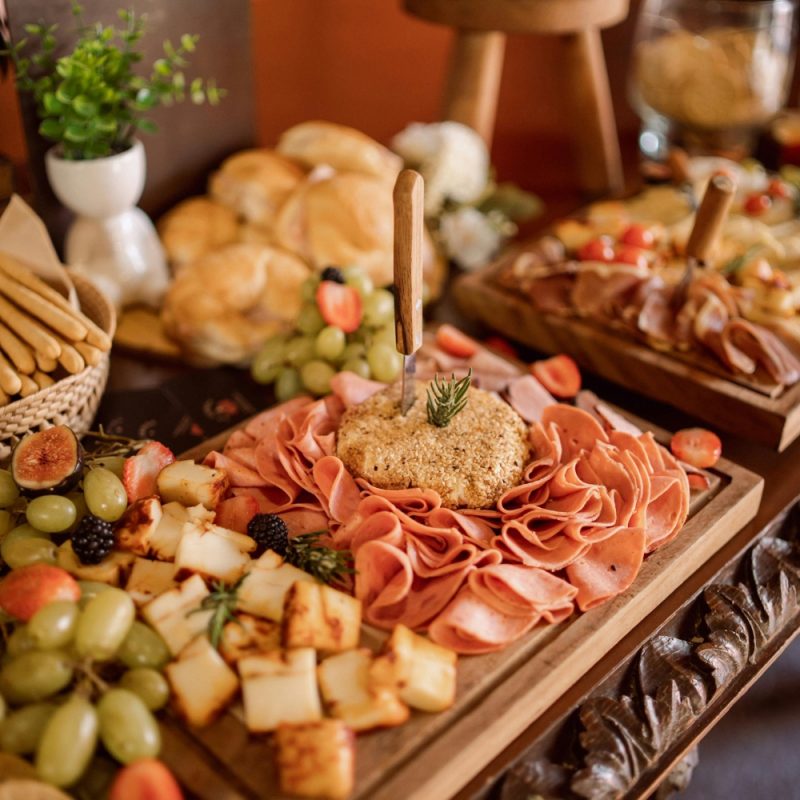
A teakwood cutting board gains an advantage when brands communicate responsible sourcing, long-lasting value, and low-waste production—attributes aligned with Europe’s sustainability-focused lifestyle.
Read more: “Online shopping behavior in the United Kingdom”
Japan & South Korea: Precision and Aesthetic Refinement
These markets prioritize craftsmanship and finishing quality above everything else. The purchasing mindset is shaped by:

- ultra-smooth surfaces,
- slim, compact sizes,
- and a refined natural appearance.
Teak’s warm grain and stability make it an appealing material for consumers who want a board that feels elegant yet practical in smaller kitchen spaces.
Australia & Canada: Durability for Indoor and Outdoor Use
Shoppers in these regions value versatility. They often look for items that perform well in both indoor kitchens and outdoor cooking environments. Teak’s natural oils and resistance to weather-related changes make it an ideal choice, and buyers appreciate products that require minimal maintenance.

Read more: “The Pros of Using Wooden Dinnerware Daily And Sourcing Profit in 2025”
Middle East & High-Income Urban Markets: Premium Lifestyle Orientation
In regions such as the UAE, Singapore, and parts of Southeast Asia, kitchenware is often selected as a lifestyle upgrade. Consumers appreciate:
- bold, luxury finishes,
- rich wood tones,
- and premium packaging suitable for gifting.
A well-presented teakwood cutting board fits perfectly into these expectations, especially when sold as a modern, upscale kitchen statement.
Addressing Common Consumer Pain Points Through Better Material Performance
Across global markets, buyers share a consistent set of concerns when choosing wooden kitchenware. These worries often determine whether a product is trusted, recommended, or returned. Understanding these pain points — and how teak naturally resolves them — is essential for positioning the teakwood cutting board as a reliable, long-term choice.
Moisture, mold, and warping remain top concerns
Shoppers frequently hesitate when purchasing wooden boards because they fear the board will absorb water, develop mold, or warp after repeated washing. These issues are especially common with softer, less stable wood types.
Teak’s natural oil content, however, significantly reduces these risks. It delivers better moisture control, improved dimensional stability, and a surface less prone to swelling or cracking — directly addressing some of the biggest fears customers have.

Odor retention and staining worry everyday users
Cutting boards used for onions, garlic, or meat often absorb odors or leave visible stains. Consumers want reassurance that their board won’t hold onto smells or discolor quickly.
The dense structure and smooth finish of teak help minimize odor retention and make routine cleaning more effective. When maintained with simple food-safe oil, a teak board remains fresh-looking and resistant to the everyday ingredients that typically stain other materials.
Concerns about hygiene and safety influence many decisions
Health-conscious buyers — especially families — pay close attention to hygiene. They want assurance that their board won’t harbor bacteria or require complicated cleaning routines.
A well-made teakwood cutting board supports these expectations thanks to its stability and natural resistance to moisture. With proper care, it offers a clean, dependable cutting surface without the need for heavy chemical coatings.

Longevity is becoming a major decision factor
As consumers reduce impulse buying and focus on long-lasting items, the perceived lifespan of a cutting board becomes more important. They want a product that feels like a long-term investment rather than something disposable.
Teak stands out because it delivers durability without sacrificing aesthetics. Its blend of strength, density, and natural oil content ensures that it maintains its appearance and structure over time — reducing replacement frequency and long-term costs.
Why this matters for global brands
By addressing these pain points directly, a teakwood cutting board not only satisfies practical needs but also reduces buyer hesitation, lowers return rates, and improves overall brand trust. This positions teak as a superior material for both e-commerce and retail markets worldwide.
Why Teakwood Cutting Boards Deliver Exceptional Long-Term Value
As global consumers become more selective about what they bring into their kitchens, long-term value has become a major consideration. Buyers want tools that justify their investment through durability, performance, and aesthetic longevity. This makes teak one of the most compelling materials on the market and reinforces why a teakwood cutting board is often viewed as a premium choice.
Durability that withstands years of use
Teak is a naturally dense hardwood with a strong internal structure. Its resistance to cracking, swelling, and surface wear gives it a notable advantage over many other wood types. Consumers appreciate a board that stays stable over time, even with daily chopping, slicing, and meal prep.
Gentle on knives, supportive of everyday cooking

Another key aspect of long-term value is how well the board interacts with kitchen tools. While some hardwoods dull knives quickly, teak offers a balanced surface that protects the blade edge while still feeling firm and controlled during cutting. This combination is difficult to achieve with synthetic or bamboo alternatives.
A natural beauty that ages gracefully
Teak retains its warm, rich grain even after years of use. With occasional oiling, the board regains its original glow, giving buyers the satisfaction of a product that continues to look elegant with minimal effort. This visual longevity plays a major role in customer loyalty and repeat purchases.
Low-maintenance ownership encourages long-term use
Modern households prefer products that are easy to maintain. Teak’s natural oils reduce the need for intensive upkeep, and consumers appreciate that the board performs well without constant attention. For many, this sense of practicality is a strong motivator when choosing between materials.
A smart investment that reduces replacement cycles
As people move away from disposable home goods, they seek items that integrate quality with sustainability. A well-made teakwood cutting board satisfies both: it lasts longer, performs better, and supports a responsible buying mindset. This reinforces its reputation as a premium yet practical kitchen essential.
A value proposition that strengthens brand positioning

For sellers and manufacturers, offering teak demonstrates a commitment to quality and elevated craftsmanship. It supports premium pricing, earns stronger reviews, and helps brands stand out in competitive markets—making teak not just a material choice, but a strategic business decision.
Key Considerations Consumers Evaluate Before Purchasing
As online shoppers become more informed and selective, their expectations for wooden kitchenware continue to rise. Before committing to a purchase, customers carefully review product details to ensure they’re choosing a board that meets both performance and safety standards. Understanding these decision triggers is essential for positioning a teakwood cutting board effectively in global markets.
Material clarity and authenticity
Buyers want confidence that the board is made from genuine teak, not a mixed-wood construction or composite material. Clear descriptions, transparent sourcing information, and honest photography all play a critical role in building trust.
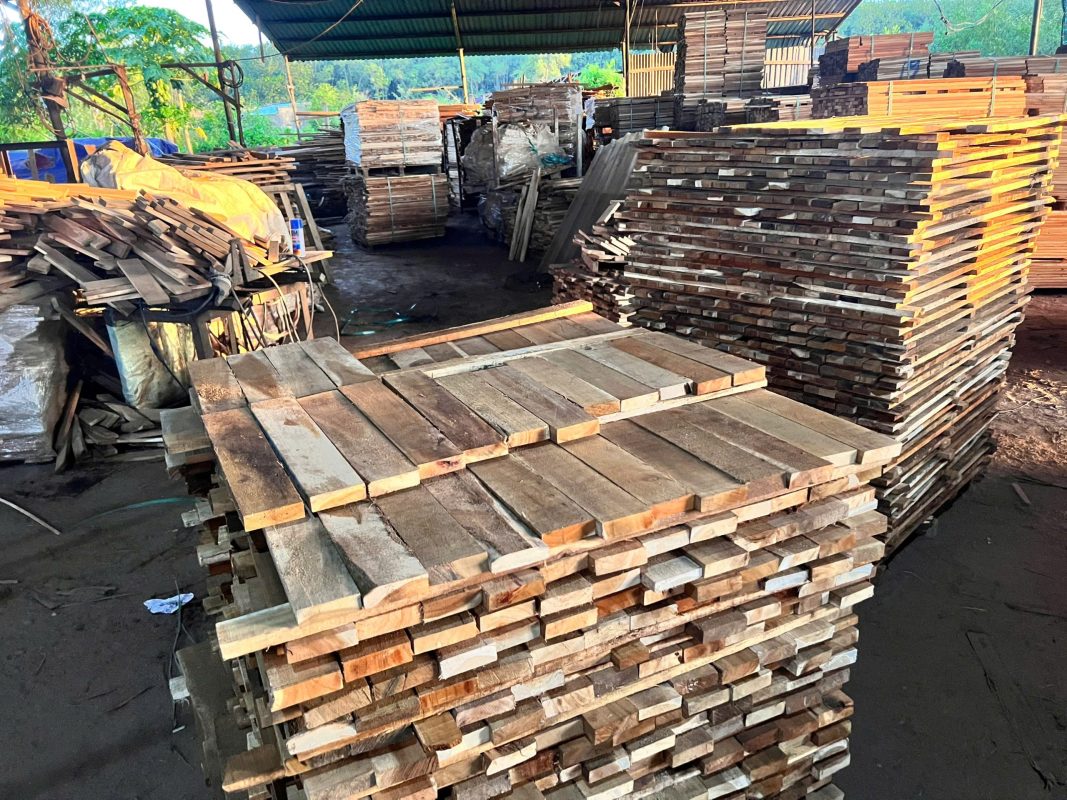
Read more: “Teak Wood for Wooden Products | Premium Materials with over 14 Years of OEM Expertise”
Finishing oil and surface treatment
Consumers are increasingly aware of what goes onto their kitchen tools. They often check whether the board is finished with:
- food-grade mineral oil,
- natural plant oils,
- or a chemical-free protective coating.
Teak performs well here, as it requires only minimal oiling to stay in excellent condition.
Moisture control and stability indicators
Reliable moisture measurements (usually between 8–12%) reassure buyers that the board is less likely to warp or crack. Shoppers appreciate brands that address this directly in their product descriptions or packaging.
Details about maintenance and care
Clear, simple instructions matter. Customers want to know how to wash, dry, and oil their board to keep it in good condition. When brands offer guidance upfront, buyers feel more confident and are more likely to commit.
Realistic product photography
In online retail, photos are often more influential than descriptions. Consumers look for:
- accurate color representation,
- close-up grain images,
- lifestyle shots,
- and scale references.
A well-presented teakwood cutting board with authentic photos significantly improves conversion rates and reduces returns.
Safety assurance and certifications
While not always mandatory, signals like FDA food-contact safety or FSC certification influence buyer confidence. For UK and US shoppers, especially, seeing that the board aligns with responsible sourcing and safe finishing practices supports a stronger purchasing decision.
Price-to-value perception
Consumers are willing to spend more when they believe the product will last. Teak’s natural strength and long-term performance validate higher pricing, helping customers perceive it as a worthwhile investment rather than a short-term tool.

