



Table of Contents
In the booming wooden kitchenware market of 2025, simply offering a beautifully crafted board is no longer enough. For importers, distributors, and brand owners, wooden board surface treatment has become the decisive factor that elevates a basic product into a premium offering. From safety and durability to appearance and performance, the right surface treatment helps your steak board wood products compete — and win — in a saturated global marketplace.
I. Introduction
Wooden boards—especially steak boards, cutting boards, and charcuterie boards—have seen significant demand growth in recent years. With consumer preferences leaning toward natural, eco-friendly, and artisanal kitchenware, global buyers are increasingly turning to wooden board suppliers for bulk orders.

However, in 2025, quality expectations have evolved. Buyers no longer focus solely on shape or grain; they now scrutinize how the wooden board surface is treated. A high-quality finish ensures food safety, boosts visual appeal, and extends product lifespan. For B2B customers, this isn’t just a finishing touch — it’s a sales advantage.
II. What is Wooden Board Surface Treatment?
Wooden board surface treatment refers to the process of applying protective coatings or finishes to the surface of wood boards—such as steak boards, cutting boards, or charcuterie boards—to improve their performance, safety, and appearance. This treatment is a critical step in the production process that ensures the board is ready for food contact, resistant to moisture, and capable of withstanding daily use.

Depending on the end-use and market standards, surface treatment can involve natural oils, waxes, food-grade lacquers, or even epoxy finishes. Each method serves a different purpose: some enhance the natural look of the wood, while others strengthen its durability or make it easier to clean.
In 2025, as competition intensifies in the global market, steak board wood suppliers who master surface treatment techniques will be better positioned to meet international expectations and bulk order requirements.
III. Why Surface Treatment Matters in Wholesale Steak Board Wood Orders
Read more: WHY DOES THE WOOD SURFACE NEED TO BE PROTECTED?
In the wholesale market, surface treatment can make or break your product offering. B2B buyers—especially importers and distributors—care about consistency, longevity, and compliance with food safety standards. A well-treated surface ensures your steak board wood stands out not just for its looks, but also for its practicality.
Here’s why surface treatment is essential:
1. Food Safety Compliance
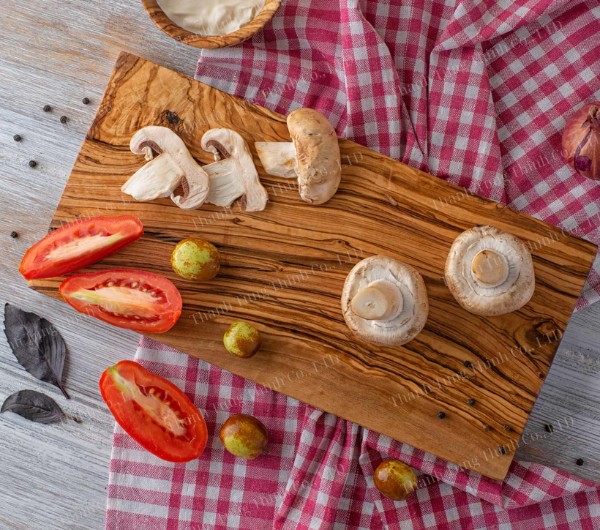
Treated wooden boards are sealed against bacteria, moisture, and food stains. For steak boards, which frequently come into contact with meat juices and oils, surface protection ensures hygiene and minimizes health risks—an essential factor for passing FDA or EU food-grade certifications.
2. Enhanced Durability
Wholesale orders demand consistency across hundreds or even thousands of pieces. A proper wooden board surface treatment helps resist warping, cracking, or splitting, especially during shipping and long-term usage.
3. Aesthetic Appeal for Retail Success
Surface finishes—especially oil-treated or wax-coated boards—elevate the visual value of the wood grain, enhancing the product’s premium feel. Retailers prefer products that stand out on shelves, and buyers are drawn to well-finished cutting and charcuterie boards.
4. Reduced Return Rates & Increased Customer Satisfaction
Boards with poor finishing often face issues like rough surfaces, splinters, or fading. A high-quality finish reduces customer complaints and builds trust in your brand.
IV. Business Advantages of Investing in Wooden Board Surface Treatment
When you’re sourcing steak board wood in bulk, surface treatment isn’t just a quality control step—it’s a strategic move that can directly boost your profitability and market positioning. Below are key advantages that make surface treatment a smart investment for suppliers, wholesalers, and global distributors:
1. Higher Product Value = Better Margins
A well-treated steak board wood product commands a higher selling price in both retail and wholesale markets. Customers associate smooth finishes, vibrant wood tones, and durability with premium quality—making them willing to pay more. As a supplier or distributor, this allows for better profit margins without significant increases in material costs.
2. Competitive Differentiation
Surface-treated boards help you stand out in a crowded market. When most low-end competitors offer raw or poorly finished products, your polished and professionally treated boards send a clear message of quality and reliability. This opens doors to high-end retailers, boutique kitchenware stores, and premium gift sets.
3. Fewer Quality Issues and Returns
Boards that are rough, absorb moisture, or develop mold after a few uses are a liability. Proper wooden board surface treatment significantly reduces complaints and return rates, cutting down on refund losses and improving your brand reputation.
4. Increased Export Opportunities
Well-treated products are more likely to meet international safety and quality standards (like FDA, LFGB, or EU food-grade requirements). This allows you to confidently approach larger markets in the US, Europe, and Asia without facing trade barriers due to product quality concerns.
5. Easier Branding and Customization
Smooth and stable surfaces are easier to engrave, laser-mark, or print on. If you’re offering OEM/ODM services, surface-treated boards make personalization faster, cleaner, and more visually appealing—adding another layer of value to your product line.
Read more: The Ultimate Guide to Steak Board Wood: Uses, Types, and Buying Tips for advancing the Profit
V. Common Surface Treatment Methods in Steak Board Wood Manufacturing
To meet global standards and buyer expectations, steak board wood suppliers apply a range of surface treatment techniques tailored to the product’s function, material type, and market preference. Each method offers distinct benefits, from food safety to aesthetic enhancement. Below are the most widely used treatment processes:
1. Food-Grade Oil Treatment
Natural oils such as mineral oil, coconut oil, or linseed oil are commonly used to nourish the wood while creating a water-resistant barrier. This is one of the safest and most traditional methods, especially favored for cutting boards and charcuterie boards meant for direct food contact.
Pros:
- Enhances grain visibility
- Safe and natural
- Easy to reapply by end users
Best for: Bulk steak boards intended for eco-conscious or health-focused markets.
2. Wax Coating
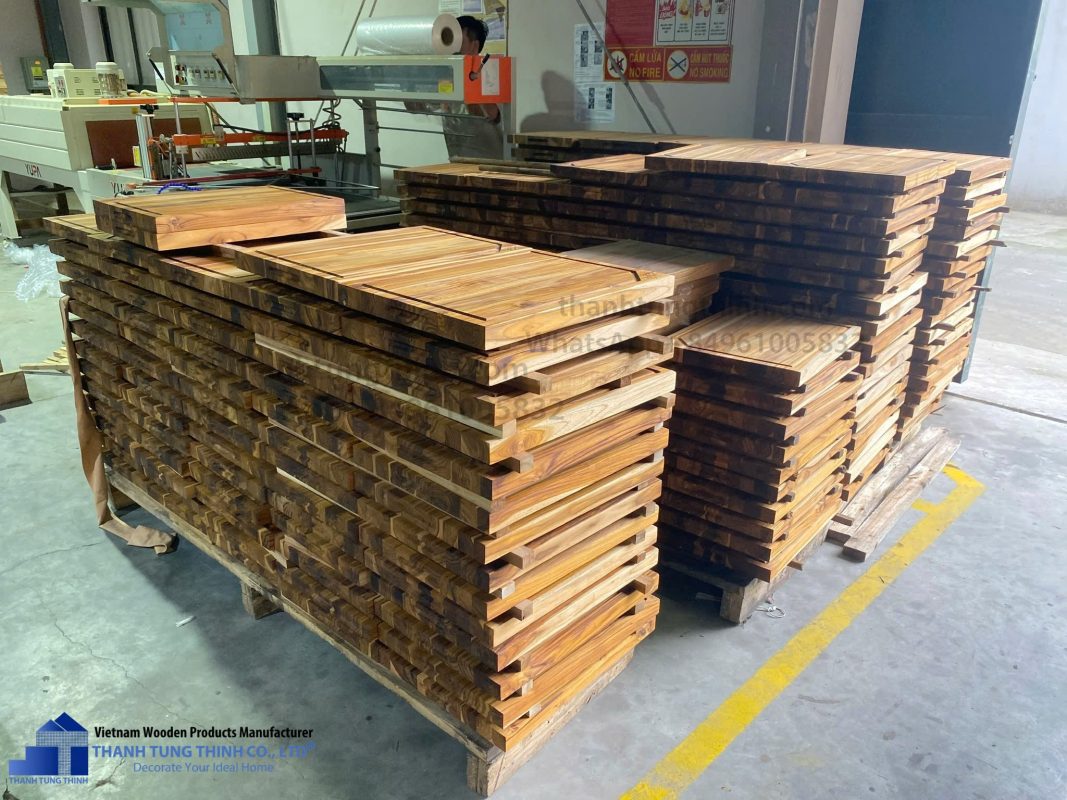
Beeswax or carnauba wax is often layered over an oil-treated surface to add a protective seal. Waxed surfaces feel smoother, resist moisture better, and improve the board’s aesthetic polish.
Pros:
- High-end finish
- Smooth, water-resistant surface
- Ideal for gifting and retail displays
Best for: Mid- to high-end steak boards, especially those for premium gifting or retail sale.
3. Epoxy Resin Coating
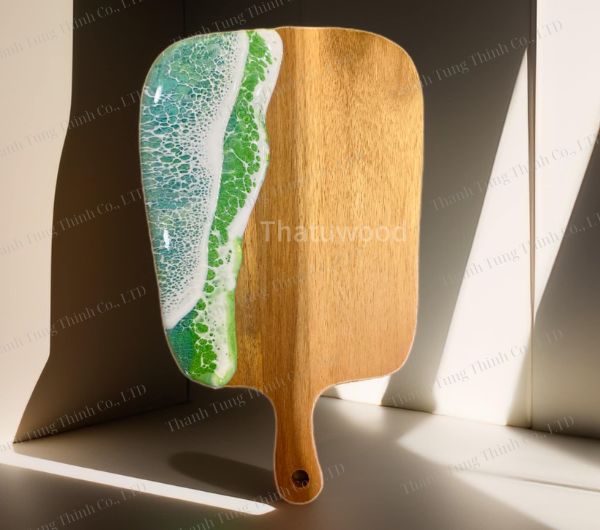
A modern and visually striking method, epoxy coating not only protects the wood but also adds a glossy, glass-like finish. It’s commonly used in decorative or statement steak boards.

Pros:
- Durable, hardwearing surface
- Eye-catching design
- Allows for artistic inlays or color
Best for: Custom orders, restaurants, or luxury dining markets.
4. Lacquer and Polyurethane Finishes

These synthetic treatments offer industrial-level protection and shine. While less “natural” than oil or wax, they provide maximum resistance to wear, moisture, and staining.
Pros:
- Long-lasting and highly protective
- Suitable for humid climates
- Ideal for mass production
Best for: Commercial buyers or restaurant suppliers seeking volume and durability.
VI. How to Evaluate Surface Treatment Quality in Wholesale Steak Board Wood
When ordering steak boards in bulk, especially for resale or export, surface treatment isn’t just a detail—it’s a dealbreaker. Ensuring high-quality treatment means your products will meet food safety standards, last longer, and look more appealing on store shelves. Here’s how you can effectively assess the quality of wooden board surface treatment:
1. Perform the Touch Test
Run your fingers across the board. A well-treated board should feel smooth and sealed—no rough patches, splinters, or sticky residues. If the surface feels dry or uneven, the treatment process may have been rushed or incomplete.
2. Check Water Resistance
Drip a small amount of water on the surface. If the board repels water instead of absorbing it instantly, it’s a sign the surface has been properly treated with oil, wax, or resin. Poor absorption resistance is a red flag for durability issues.
3. Inspect Visual Consistency
Look for uniform color, gloss, or matte finish across the board. Inconsistent appearance—like blotchy spots or uneven sheen—suggests poor application or low-grade materials.
4. Ask About Certification

Reliable steak board wood suppliers will be able to provide documentation for food-safe treatment methods (FDA, LFGB, etc.). This is especially crucial when selling to markets with strict food contact regulations like the US, EU, or Australia.
5. Inquire About Maintenance Instructions
Suppliers offering high-quality boards will provide clear care guides. The need for occasional oiling or re-waxing is normal, but unclear or missing instructions may indicate that the board’s longevity hasn’t been fully considered.
6. Request Samples Before Bulk Orders
Before committing to large shipments, always request treated product samples. This gives you the chance to personally verify surface quality and confirm that the finish aligns with your branding or customer expectations.
Read more: Top 6 Materials Bring Advantages for Wholesale Steak Board Wood Ordering in Bulk
VII. Combining Material and Surface Treatment: A Winning Strategy for Wholesale Success
In the competitive world of kitchenware exports, choosing the right wood is just the beginning. The synergy between premium materials and professional wooden board surface treatment is what sets a top-tier steak board apart from average ones. Here’s why the right combination of both will give your business a significant edge:
1. Enhances Durability and Performance
A dense hardwood like acacia or teak becomes even more long-lasting when treated with natural oils or waxes. On the other hand, even beautiful woods like mango or rubberwood can fall short if left untreated. By combining quality wood with tailored treatment, the final product resists warping, cracking, and water damage—even in demanding commercial kitchens.
2. Creates a Distinct Market Identity
Every wood has a story—be it the deep grains of walnut or the eco-friendliness of reclaimed mango wood. When paired with a surface treatment that enhances those natural textures or adds a signature gloss, your steak board wood line gains visual and emotional appeal. That’s how branding starts to happen, even with a simple board.
3. Allows Better Customization
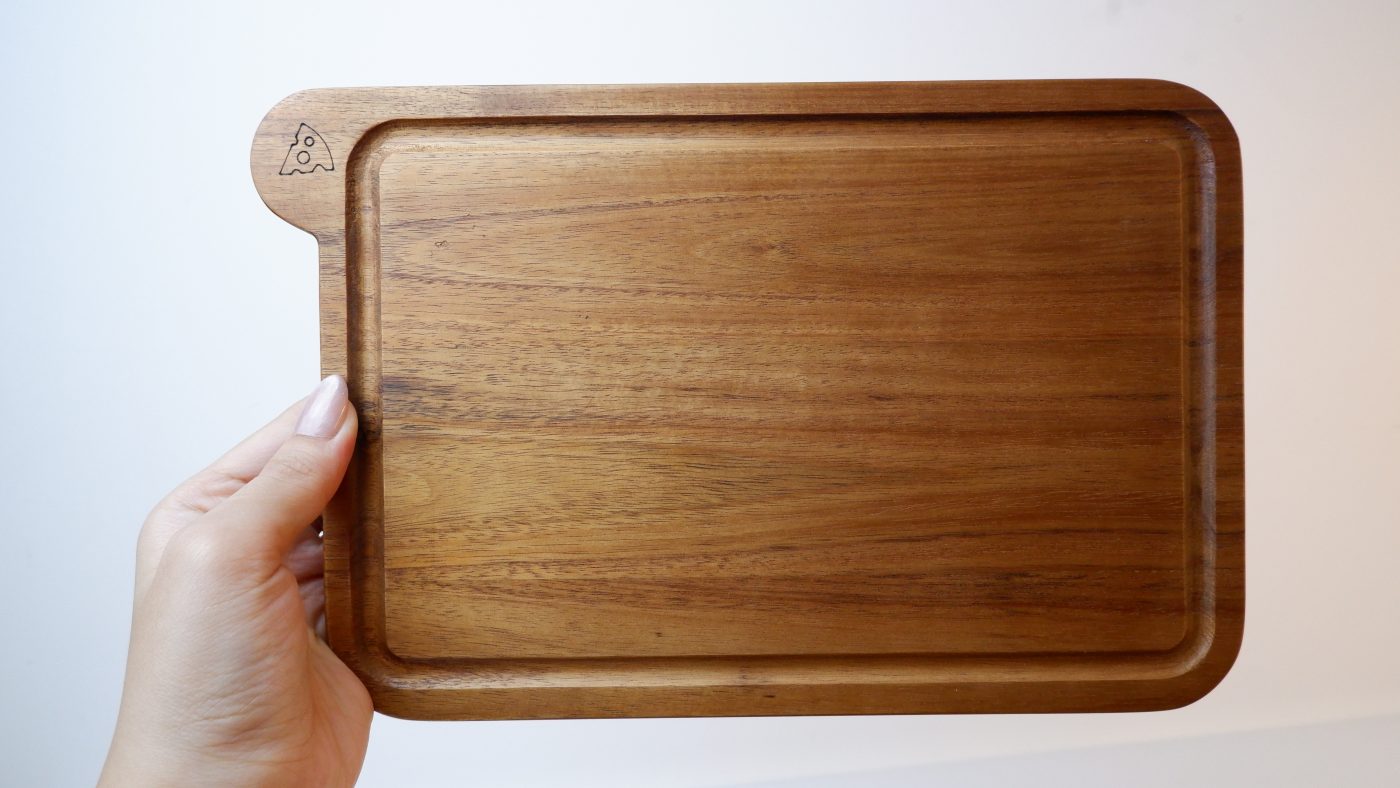
Treated boards with smooth surfaces are easier to engrave, stamp, or color. If you’re offering OEM/ODM services, combining a stable material with a compatible finish gives your clients freedom to customize logos, designs, or even add color epoxy inlays without sacrificing food safety.
4. Meets Diverse Buyer Expectations
Retailers, chefs, or online brands all want different things. Some prefer rustic oil-treated boards, others want modern, polished finishes. Choosing the right surface treatment for the wood type lets you diversify your wholesale catalog without reinventing the production line.
5. Reduces Waste and Defects
Boards made from softer woods or lower grades can still perform well when the right sealants or coatings are used. This allows you to reduce waste, use more sustainable materials, and meet eco-conscious buyer demands—while maintaining product integrity.
Read more: How to Choose the Right Steak Board Wood Supplier for Your Business
VIII. Final Thoughts: Why Wooden Board Surface Treatment Matters More Than Ever
In 2025’s global kitchenware market, success depends on more than offering beautiful wood — it’s about delivering fully finished products that meet functionality, safety, and aesthetic expectations. As the demand for eco-conscious, durable, and high-end dining accessories grows, wooden board surface treatment becomes a key differentiator for steak board wood suppliers.
If you’re planning to order wholesale steak board wood, pay close attention not only to the type of wood but also to how it’s treated. The right combination gives your brand:
- A more premium look and feel
- Extended product longevity
- Higher compliance with global food safety standards
- Better customization options for diverse market segments

Partnering with a steak board wood supplier that understands the science and art of surface finishing will elevate your offering — and keep your inventory moving.
Ready to scale your bulk orders with quality and consistency? Prioritize surface treatment as a core part of your product strategy.

