


Table of Contents
When ordering wholesale steak board wood in bulk, the type of wood you choose directly impacts durability, appearance, food safety, and customer satisfaction. Whether you’re sourcing for restaurants, kitchenware retail, or gifting businesses, selecting the right materials ensures long-lasting performance and stronger brand value. Below are six of the most preferred materials used by top steak board wood suppliers around the world — especially in the wholesale market.
Read more: The Ultimate Guide to Steak Board Wood: Uses, Types, and Buying Tips for advancing the Profit
1. Acacia Wood – The Durable & Aesthetic Choice
Acacia wood stands out as one of the top choices for businesses sourcing wholesale steak board wood. Its blend of visual beauty and natural durability makes it ideal for both functional and decorative purposes — whether you’re supplying restaurants, gift shops, or eCommerce stores.

Acacia is a hardwood with a rich, warm grain that varies from board to board, giving each piece a distinct artisanal feel. This makes it a favorite for charcuterie board designs, rustic steak platters, and engraved cutting board products.
Why Acacia Wood Works for Wholesale Steak Board Orders:
- Exceptional Durability: Acacia resists water, warping, and scratches, making it ideal for everyday steak service or home use.
- Antibacterial Properties: Naturally antimicrobial, Acacia helps prevent bacterial growth, ensuring safer food preparation and serving.
- Visual Appeal: Its contrasting tones and swirling grains add a rustic elegance that appeals to modern and traditional markets alike.
- Cost-Effective for Bulk: Compared to other hardwoods like walnut or teak, Acacia is more affordable while maintaining premium appeal — perfect for large quantity orders.
- Sustainable Sourcing: Acacia is fast-growing and widely cultivated, particularly in Southeast Asia. Vietnamese suppliers are especially known for offering high-quality Acacia steak boards at competitive wholesale prices.
- Versatile Applications: It’s ideal not only for steak boards but also for serving trays, cheese boards, and engraved gift sets.
If you’re working with a steak board wood supplier who offers OEM/ODM services, Acacia wood is easy to customize — whether you’re looking to engrave logos, add juice grooves, or create unique shapes for special collections.
In short, Acacia wood hits the sweet spot between functionality, aesthetics, and cost — making it a smart material choice for businesses placing large wholesale orders.
Read more: 10 Benefit of Acacia Soild Wood or “Acacia Wood: The Sustainable Material Redefining Global Houseware Supply — And Why Vietnam Leads the Way”
2. Teak Wood – Premium Durability for High-End Markets
When durability and a luxury finish are your top priorities, teak wood becomes a standout material for sourcing wholesale steak board wood. Long valued in boatbuilding and outdoor furniture due to its dense composition and natural oils, teak has also carved out a place in the premium food service industry — especially for cutting boards and steak board wood applications.
Teak wood boasts a warm golden-brown hue and a tightly woven grain, giving it not only a beautiful surface but also superb structural integrity. It’s a go-to material for high-end restaurants, boutique kitchenware brands, and steak houses seeking long-lasting performance paired with elegant aesthetics.

Why Teak Wood Is Ideal for Bulk Steak Board Supply:
- Natural Water and Stain Resistance: The high oil content in teak makes it inherently resistant to moisture, which helps prevent warping and splitting over time — even with daily washing and frequent use.
- Gentle on Knives: Its smooth, close-grained texture is strong yet forgiving, helping reduce blade dulling, which is essential for chefs and home cooks alike.
- Minimal Maintenance Needed: Unlike many hardwoods, teak doesn’t require constant oiling or conditioning to maintain its quality. This reduces upkeep for end-users and ensures lasting shelf appeal for retailers.
- High-End Market Appeal: Teak conveys sophistication. Boards made from this wood are often used for chef-quality cutting boards, gourmet charcuterie boards, or luxurious steak presentations.
- Increased Perceived Value: While it has a higher cost per unit, its premium feel allows you to command higher retail prices, making it suitable for businesses targeting upscale segments or gift markets.
For bulk buyers, working with an experienced steak board wood supplier is essential when ordering teak products. Since genuine teak can be expensive, partnering with reliable suppliers helps ensure ethical sourcing, consistent quality, and proper drying techniques to avoid performance issues.
If your business model focuses on selling premium kitchen goods or supplying to fine-dining restaurants, teak wood can elevate your product line and deliver long-term value to your clients.
Read more: Premium Teak Wooden Cutting Board Manufacturer Using U.S.-Sourced Teak Wood hight profit in 2025
Our feature products: Teak wood Cutting Board
3. Rubberwood – Eco-Friendly and Budget-Friendly
For businesses looking to strike the perfect balance between affordability and sustainability in their wholesale steak board wood supply, rubberwood is a top contender. Sourced primarily from retired rubber trees at the end of their latex-producing life, rubberwood is an eco-conscious material that supports zero-waste manufacturing — a growing priority in today’s kitchenware market.
Though often less known to end-consumers, rubberwood is widely used in the B2B sector due to its versatility, light appearance, and budget efficiency. Many steak board wood suppliers across Southeast Asia — particularly in Vietnam, Thailand, and Malaysia — offer rubberwood boards in bulk quantities with flexible customization options.
Why Rubberwood Works for Bulk Steak Board & Cutting Board Orders:
- Cost-Effective: Rubberwood is generally more affordable than premium hardwoods like teak or walnut, making it ideal for bulk production and high-volume sales.
- Sustainable Sourcing: As a by-product of the latex industry, using rubberwood helps reduce deforestation and supports green manufacturing.
- Smooth, Uniform Texture: Its light tone and even grain are perfect for creating consistent, branded products such as laser-engraved cutting boards or promotional charcuterie boards.
- Lightweight but Strong: Though not as dense as acacia or teak, rubberwood offers solid performance and durability for regular food serving or light cutting use.
- Easy Customization: Its soft grain allows for easier cutting, shaping, or applying resin accents — making it a great choice for personalized steak boards or private-label designs.
For wholesalers and importers, rubberwood offers a scalable and flexible option that appeals to mid-range markets. It’s ideal for eCommerce bundles, kitchenware retailers, and promotional gift sets that need to balance cost with a clean, natural look.

If you’re a retailer, distributor, or Amazon FBA brand looking to launch a new product line without high upfront costs, choosing rubberwood as your wholesale steak board wood material can give you a competitive advantage in both pricing and sustainability messaging.
Read more: Difference between oak and rubber wood
4. Walnut Wood – Sophistication Meets Function
For businesses targeting premium kitchenware buyers or luxury hospitality clients, walnut wood is one of the most refined choices for wholesale steak board wood. With its deep chocolate tones, smooth grain, and upscale appearance, walnut boards offer a high-end aesthetic that’s hard to match.
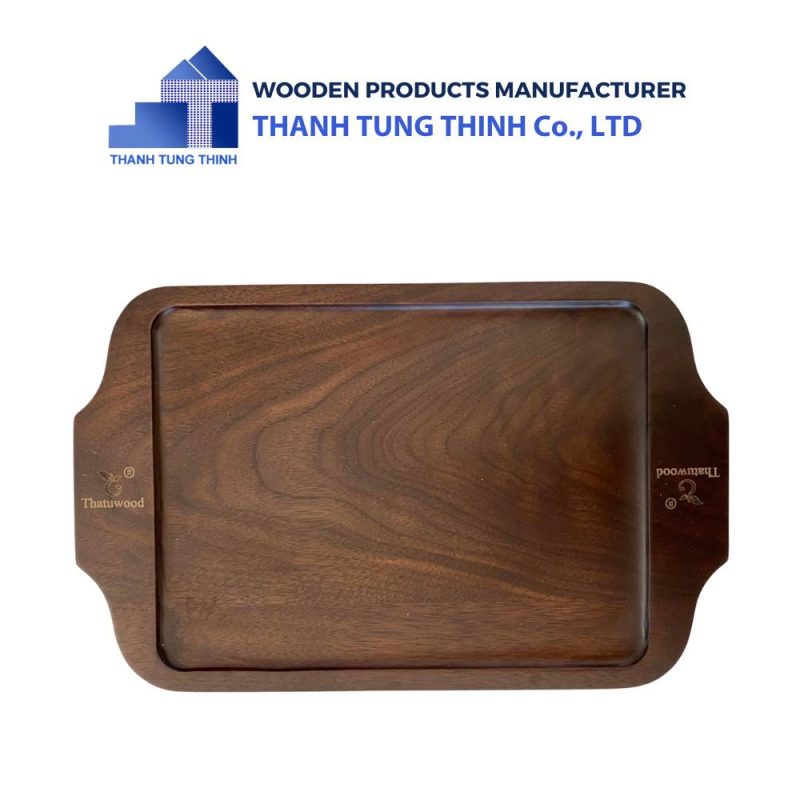
Often used for charcuterie boards, cutting boards, and serving trays in premium collections, walnut is a favorite among top-tier chefs and interior-conscious consumers. If your brand caters to boutique home goods stores, gourmet retailers, or high-end restaurants, offering walnut steak boards can elevate your catalog and pricing strategy.
Why Walnut Wood is a Smart Material for Steak Board Wood Suppliers and Buyers:
- Elegant Appearance: Walnut’s dark, rich hues create a luxurious visual impact, especially when paired with custom branding, engravings, or resin inlays. This makes it ideal for gift sets or upscale steak presentations.
- Dense and Durable: Walnut is a hardwood that resists warping and holds up well to repeated use, making it suitable for daily kitchen use or restaurant service.
- Knife-Friendly Surface: While sturdy, walnut’s tight grain remains gentle on knife blades — offering both performance and protection.
- Premium Market Value: Its rarity and high visual appeal allow for greater markups in the retail market, especially when positioned as part of a luxury product line.
- Ideal for Customization: Walnut boards are often used in custom gift sets, branded with logos, or combined with epoxy to create striking, artisan-style steak board wood designs.

While walnut is more expensive than acacia or rubberwood, the investment can pay off when selling to higher-income consumers or clients looking for premium restaurantware. A reliable steak board wood supplier will ensure consistent coloration, proper seasoning of the wood, and high-quality craftsmanship to meet your brand’s standards.
In summary, walnut is the material of choice for steak boards that don’t just serve food — they make a statement.
Find more option of walnut materials
5. Bamboo – Lightweight and Sustainable for Everyday Use
If your brand focuses on eco-friendly kitchenware or aims to offer practical yet attractive steak boards at a competitive price, bamboo is a winning option. Technically a grass rather than hardwood, bamboo has become a popular material in the cutting board and charcuterie board industry due to its sustainability, affordability, and visual appeal.
More importantly, for bulk importers and distributors, bamboo products are easy to source, lightweight to ship, and highly customizable — making them an excellent addition to your wholesale steak board wood lineup.
Why Bamboo Is a Strategic Choice for Bulk Steak Board Orders:
- Highly Renewable Resource: Bamboo grows rapidly and regenerates naturally, making it a top choice for sustainable product lines. Eco-conscious buyers and retailers love it.
- Lightweight Yet Durable: Bamboo boards are lighter than traditional hardwoods, reducing shipping costs while still offering reliable strength for serving and light cutting use.
- Naturally Antimicrobial: Bamboo’s natural resistance to bacteria makes it an ideal surface for food preparation and presentation.
- Modern, Clean Look: Its subtle grain and light color match well with minimalist and contemporary kitchen aesthetics, making it suitable for both retail and restaurant markets.
- Affordable for Mass Production: Bamboo is generally more cost-effective than hardwoods, offering strong profit margins for private-label steak board brands or promotional product campaigns.
In addition, bamboo boards can be manufactured in a variety of shapes and sizes — from rectangular steak boards with juice grooves to round charcuterie boards with handles. That versatility opens up creative product development opportunities for both small and large-scale wholesalers.
Whether you’re launching a budget-friendly kitchenware collection or looking for fast-moving SKUs that support sustainable messaging, bamboo is an excellent material to include in your steak board wood supplier offerings.
Read more: The Bamboo Industry in Vietnam
6. Mango Wood – Exotic Look for Boutique Brands

For brands targeting the boutique, artisanal, or handmade market, mango wood is a bold and stylish choice for wholesale steak board wood. Sourced primarily from Southeast Asia, mango wood is a sustainable by-product of fruit farming, making it a highly appealing option for eco-conscious retailers and niche home goods businesses.
Its naturally rich textures, vibrant color tones, and rustic finish offer a unique visual identity that stands out in both retail packaging and restaurant presentation.
Why Mango Wood is Valuable for Steak Board Wood Suppliers and B2B Buyers:
- Sustainable Source: Mango trees are harvested only after they stop bearing fruit, turning agricultural waste into a valuable raw material — a strong sustainability story for your marketing.
- Artisanal Aesthetic: Each board features unpredictable yet stunning grain patterns ranging from golden yellows to dark browns, often highlighted with live edges or mixed materials like resin or metal.
- Easy to Customize: Mango wood’s workability makes it a great base for intricate shapes, branding, and artistic finishes that appeal to boutique stores and lifestyle-focused eCommerce shops.
- Good Durability: Though softer than acacia or teak, mango wood holds up well with moderate use, especially for serving or display-style charcuterie boards and steak platters.
- Lightweight with Character: It offers a distinct blend of lightweight feel and rustic charm, ideal for businesses wanting visually rich yet practical inventory options.
Read more:
Whether you’re a steak board wood supplier crafting handmade pieces or a distributor sourcing wholesale lines for artisan homeware stores, mango wood delivers both visual impact and an eco-conscious edge. Its charm lies in the imperfections — exactly what today’s consumers appreciate in boutique or handcrafted kitchenware.
Conclusion: Choosing the Right Material Elevates Your Wholesale Steak Board Wood Strategy
In the competitive world of kitchenware and tabletop presentation, selecting the right material for your wholesale steak board wood like Thanh Tung Thinh order isn’t just a manufacturing decision — it’s a business strategy. Whether you prioritize affordability, sustainability, luxury appeal, or functionality, each type of wood brings its own advantages to match your brand positioning and target market.
From the rugged charm of acacia to the timeless elegance of walnut, and from the sustainability of bamboo to the exotic character of mango wood, every option offers a chance to differentiate your product line and satisfy various customer segments — including restaurant suppliers, retailers, and gourmet gift stores.
Read more: How to Choose the Right Steak Board Wood Supplier for Your Business
Here’s why it pays to choose carefully:
- Better Alignment with Brand and Market: Offering eco-friendly bamboo boards? Or luxurious walnut serving platters? Matching the right wood to your customer profile increases conversion and repeat business.
- Optimized Profit Margins: The right material helps balance durability, visual value, and cost — making it easier to price competitively without sacrificing quality.
- Scalability and Customization: Some woods are better suited to engraving, custom shapes, or unique finishes — essential for private label programs and seasonal campaigns.
- Long-Term Relationships with Suppliers: Working with the right steak board wood supplier means more than just quality — it means better forecasting, faster production, and consistent product standards.
Ultimately, choosing the right wood species for your bulk steak board or charcuterie board order is key to keeping your inventory attractive, your logistics efficient, and your customers satisfied. By understanding the strengths of each material, you empower your sourcing team and elevate your wholesale kitchenware strategy from the ground up.
Ready to find your ideal material? Start by aligning your business goals with the perfect wood — and partner with a supplier who can deliver consistency, customization, and global-scale production.

