


Table of Contents
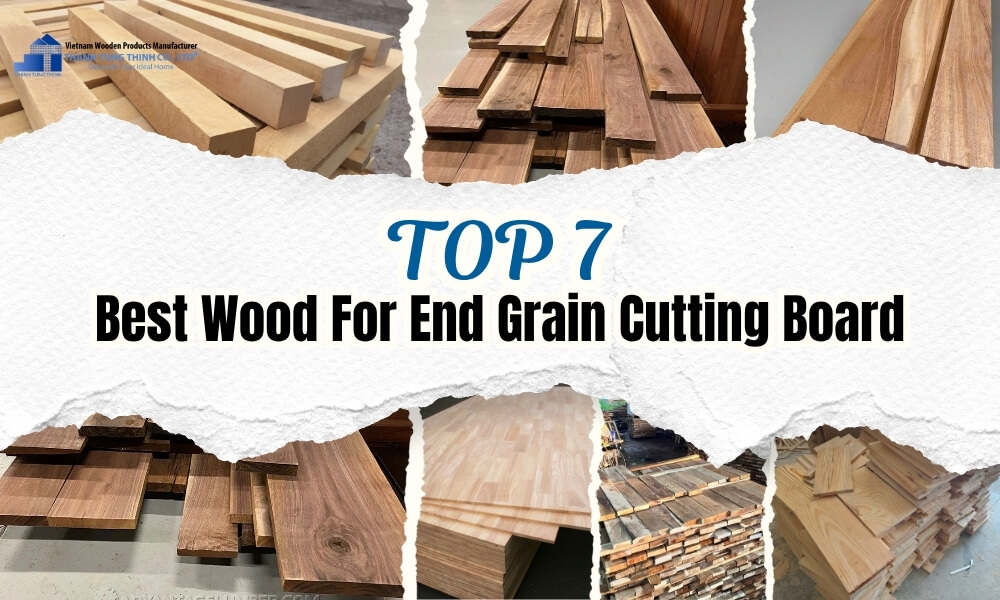
Sourcing agents frequently research what constitutes a good wood for end grain cutting board line, evaluating various species of wood for end grain cutting board manufacturing to secure competitive advantages. Identifying the best wood for end grain cutting boards requires balancing hardness, cellular structure, and sustainability. Selecting the best end grain cutting board wood or determining an optimal end grain cutting board best wood profile dictates whether a product succeeds in global markets.
At ThanhTungThinh, engineering top-tier cutting surfaces begins with responsible raw material selection. This comprehensive guide reviews the top 7 timber species worldwide, helping B2B buyers navigate material selection and legal compliance seamlessly.
After reading this article, you will understand the following information:
- In-depth evaluation of the top 7 global timber species for crafting high-end end-grain surfaces.
- Essential selection criteria covering Janka hardness, cellular structure, durability, and food safety.
- Strategic insights into sustainable forestry and how ThanhTungThinh utilizes certified Teak and Acacia to eliminate legal risks.
- Expert maintenance protocols designed to extend product lifespan for international wholesale clients.
What Are the Key Criteria for Selecting the Best Wood for End Grain Cutting Board Production?
When procurement managers and woodworkers evaluate timber options, selecting the best woods for end grain cutting board inventories requires adherence to strict physical and commercial parameters:
- Janka Hardness: The ideal hardness rating ranges from 1,000 to 1,600 lbf. Woods that are too soft easily dent and trap bacteria, whereas overly dense woods can dull culinary knives.
- Cellular Grain Structure: Selecting timbers with fine, tight grain structures prevents excessive moisture absorption and liquid retention.
- Dimensional Stability: The chosen species must maintain its structural form despite constant exposure to kitchen humidity and temperature fluctuations.
- Machinability: High-grade timber must bond cleanly during multi-stage gluing, sanding, and edge routing.
- Food Safety and Non-Toxicity: Sourcing agents must verify that selected species contain no natural toxins and remain entirely safe for direct food contact.
- Aesthetic Appeal: Rich color tones and striking grain patterns elevate the commercial value for high-end collections.
- Legal Sustainability: Importers must ensure complete transparency to avoid illegal logging risks, prioritizing certified sustainable supply chains.
What Are the Top 7 Timber Species Used Worldwide?
Evaluating the global market reveals distinct performance characteristics across major commercial timber species utilized for end-grain block manufacturing.
Teak Wood
Teak is widely regarded by industry experts as an exceptional choice when seeking the best woods for cutting boards end grain collections. With a Janka hardness rating around 1,000 to 1,150 lbf, it offers a balanced cutting plane that preserves knife edges.
Its defining characteristic is a naturally high concentration of protective oils, making it virtually impervious to water, bacteria, and warping. At ThanhTungThinh, crafting a premier teak end grain cutting board ensures our wholesale clients receive durable, moisture-resistant kitchenware that easily clears international compliance thresholds.
Acacia Wood
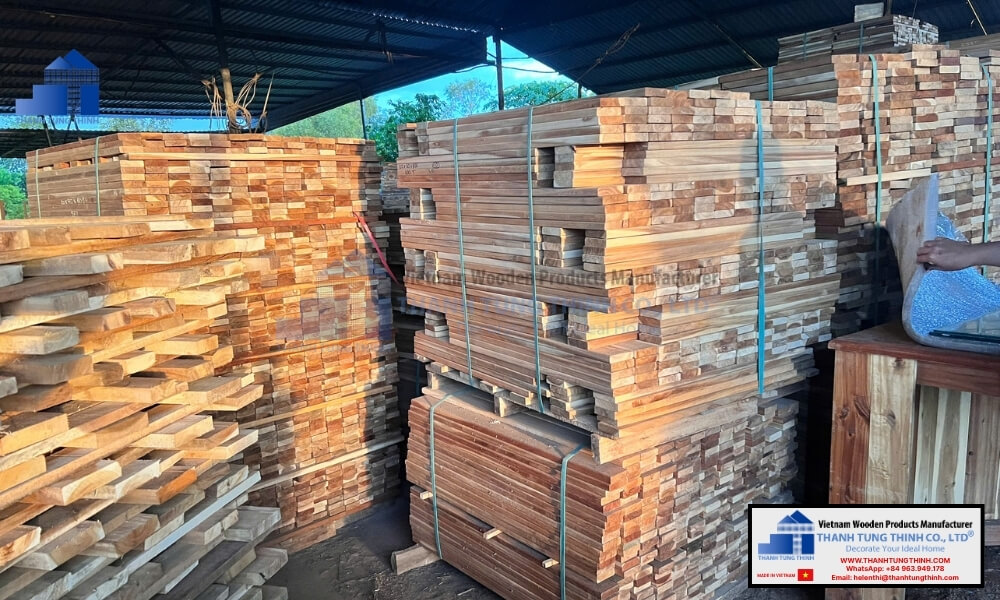
Acacia features a remarkable Janka hardness rating of approximately 1,700 to 2,300 lbf, providing superior wear resistance for intensive commercial environments. Its stunning, contrasting dark and light grain variations offer unmatched visual depth. When manufacturing an acacia wooden cutting boards inventory, our production teams utilize expert kiln-drying to balance its density, resulting in a robust, elegant cutting plane prized by global hospitality distributors and luxury kitchenware brands alike.
American Walnut Wood
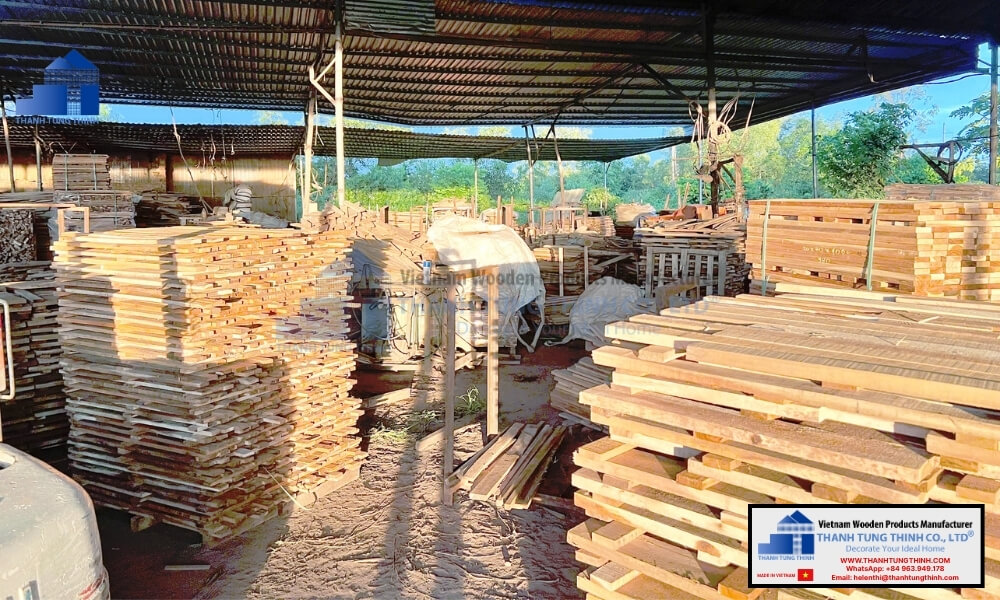
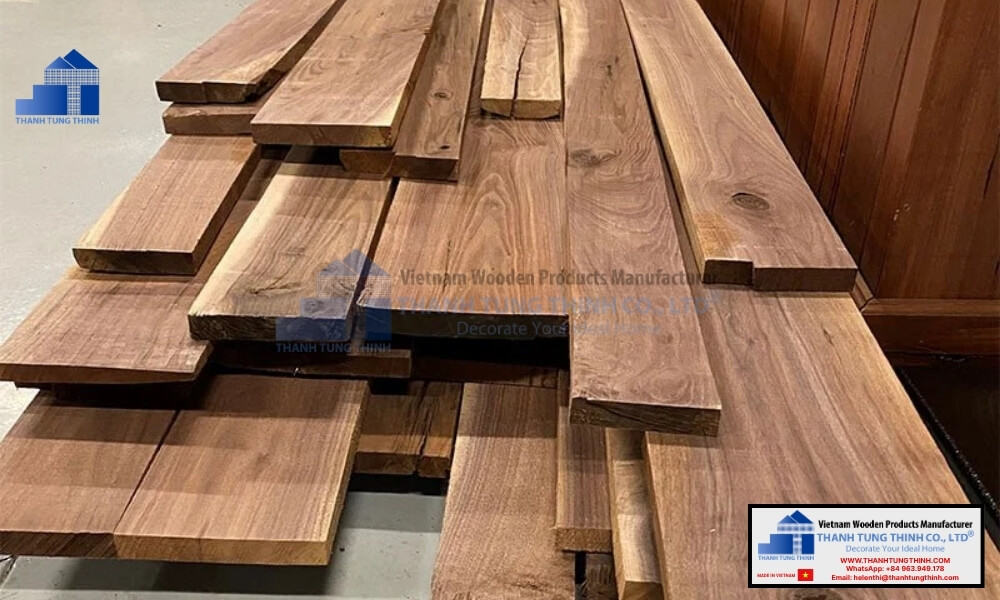
American Walnut holds a Janka hardness rating of 1,010 lbf, placing it squarely in the sweet spot for professional culinary applications. It features a rich, dark chocolate hue and a fine, uniform grain structure that resists splintering. Walnut is exceptionally stable, making it a favorite among high-end designers seeking sophisticated aesthetic presentation combined with reliable daily performance in high-end markets.
Rubberwood
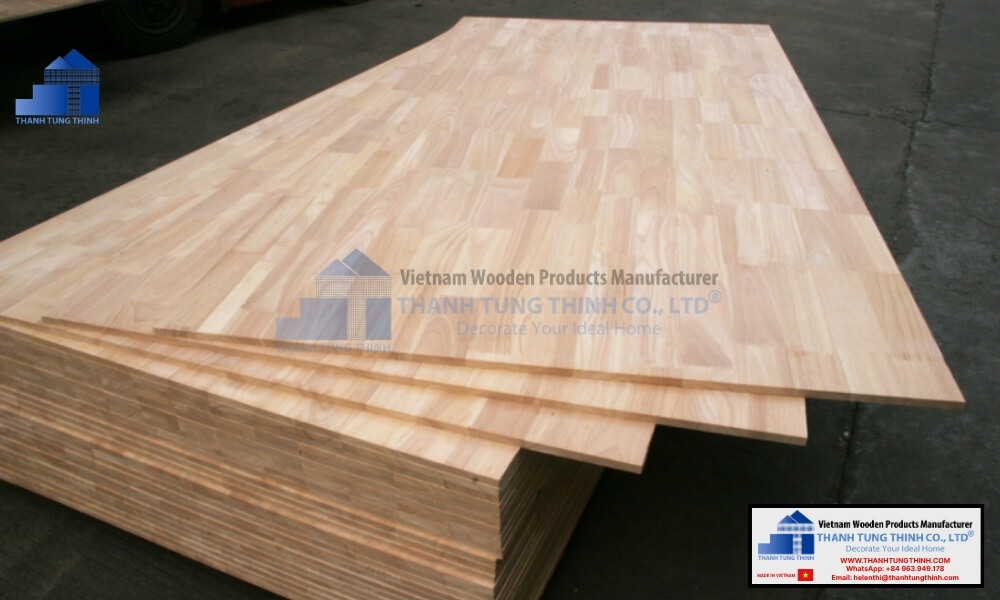
Rubberwood offers a sustainable, eco-friendly option with a Janka hardness of roughly 950 lbf. Harvested primarily from mature latex plantations at the end of their lifecycle, it presents a dense, pale cream-colored grain. Its tightly packed cellular structure absorbs minimal moisture, providing a cost-effective, durable solution for bulk commercial manufacturing programs.
African Mahogany Wood
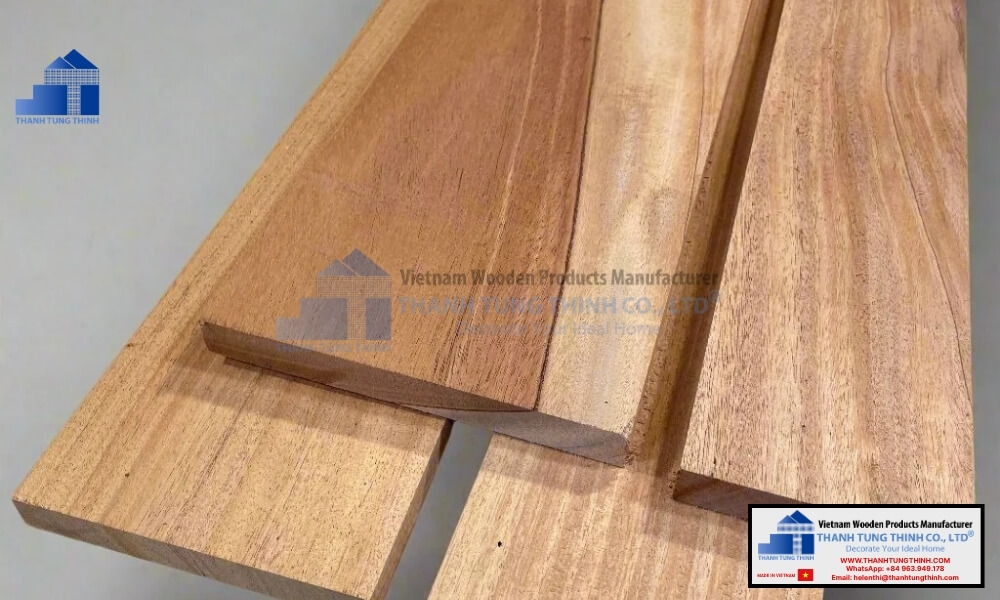
African Mahogany Wood features a Janka hardness rating around 830 to 1,070 lbf, providing a slightly softer yet resilient surface. Its interlocking grain produces a chatoyant, reddish-brown luster that looks striking when configured into end-grain block patterns. It offers good dimensional stability and responds exceptionally well to finishing oils and conditioning treatments.
Beech Wood
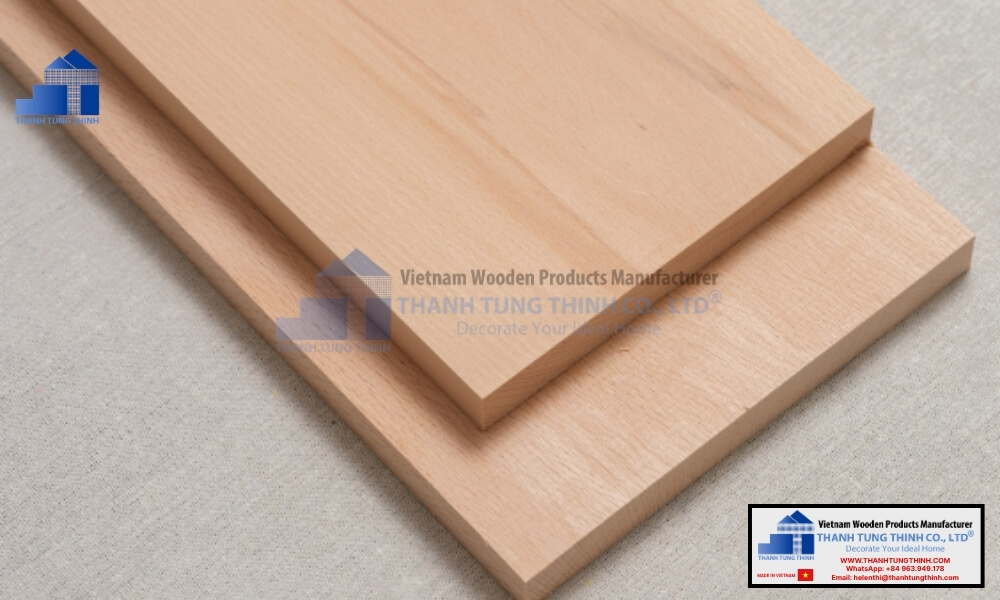
Beech Wood exhibits a high Janka hardness rating of approximately 1,450 lbf, delivering outstanding resistance to heavy impact and indentation. Its subtle, straight grain and pale cream color profile provide a clean, minimalist aesthetic favored in European commercial kitchens. Proper moisture control is essential during processing to ensure long-term stability.
Paper Birch
Paper Birch boasts a Janka hardness rating around 910 to 1,260 lbf, offering a durable, fine-textured cutting surface. Its uniform light coloration and subtle grain patterns create a bright, contemporary appearance. Birch blocks require thorough oil sealing to protect against moisture absorption during heavy culinary use.
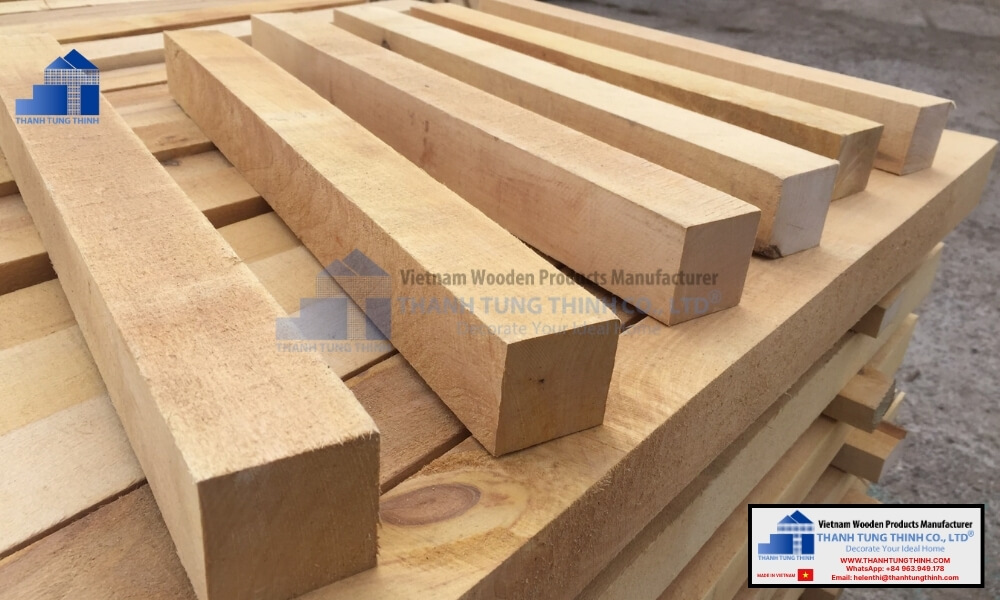
How to compare the performance of the most popular wood types when sourcing wholesale?
To assist procurement teams in selecting appropriate material tiers, the following evaluation compares structural and commercial metrics across top species.
| Timber Species | Janka Hardness (lbf) | Moisture Resistance | Natural Oil Content | Commercial Positioning |
| Teak | 1,010 | Exceptional | Very High | Premium luxury export tier |
| Acacia | 1,750 | High | Moderate-High | High-durability commercial tier |
| American Walnut | 1,010 | Good | Moderate | Designer centerpiece |
| Rubberwood | 950 | Good | Low-Moderate | Sustainable eco-friendly tier |
ThanhTungThinh’s Expert Insights: Selecting the best wood for end grain cutting boards requires meticulous grain orientation to ensure the self-healing property functions correctly under heavy kitchen impacts.
Why Sourcing Sustainable and Legally Compliant Wood is Crucial for B2B Importers?
International buyers face severe regulatory pressures regarding raw material procurement. Global distributors and wholesale chains are strictly penalized if caught importing items linked to illegal logging or unverified deforestation.
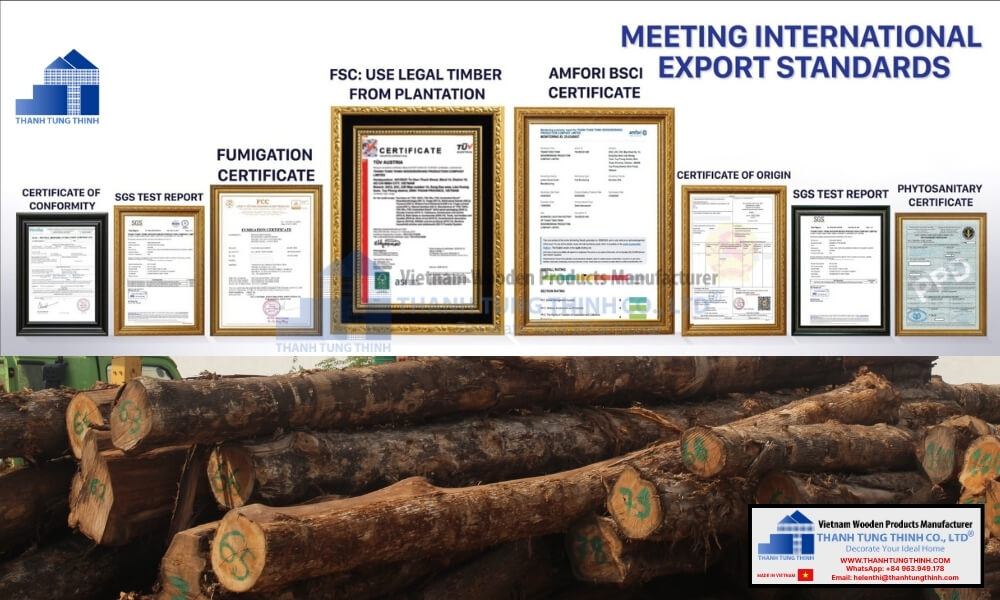
To mitigate these risks entirely, ThanhTungThinh implements rigorous supply chain traceability. All raw timber utilized in our manufacturing facilities specifically our premium teak end grain cutting board and acacia wooden cutting boards lines is harvested from sustainably managed forests and certified plantations.
We maintain active compliance with international verification standards, including FSC, BSCI, ISO 9001:2015, FDA, and LFGB. This guarantees that wholesale partners can import large-scale commercial volumes with complete legal security and zero customs friction.

How to Properly Maintain Wooden Cutting Boards to Maximize Product Lifespan
Maximizing the functional lifespan of high-end wooden kitchenware requires structured upkeep protocols that wholesale buyers can pass along to consumers:
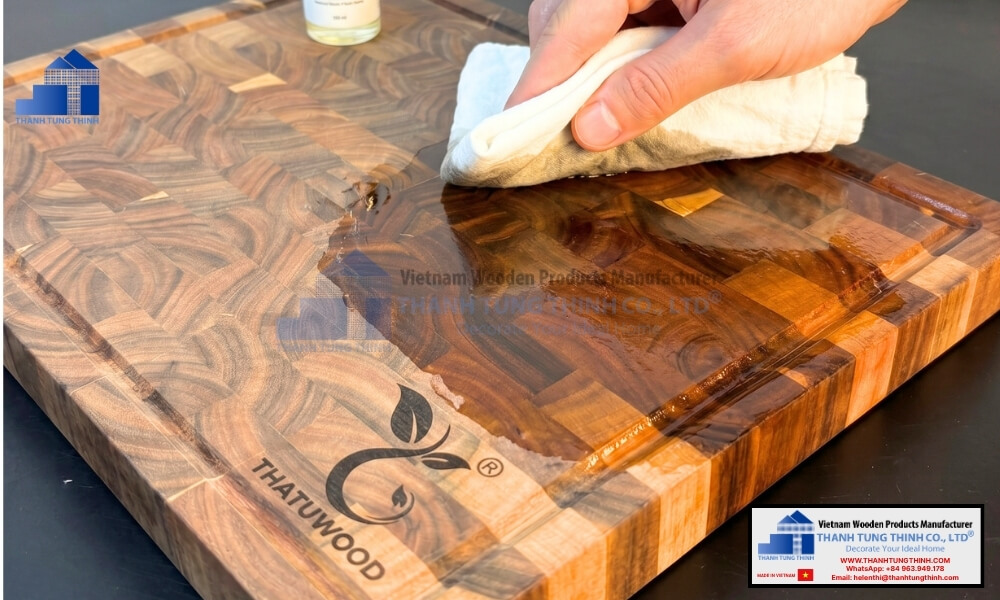
- Hand Wash Only: Always wash surfaces immediately after use with warm water and mild soap. Never submerge boards in water or place them in dishwashers, as extreme heat and prolonged moisture will destroy natural wood fibers.
- Regular Oil Conditioning: Apply food-grade mineral oil or natural plant wax every 3 to 4 weeks to replenish lost moisture and maintain the timber’s protective barrier.
- Natural Deodorization: Use coarse sea salt and a fresh lemon slice to gently scrub away stubborn food odors and surface stains safely without harming the grain.
Conclusion and B2B Wholesale Partnership at ThanhTungThinh
Selecting the ideal timber species is the first step toward building a successful, high-margin kitchenware catalog. ThanhTungThinh combines master craftsmanship, responsibly sourced Teak and Acacia timber, and rigorous 3-layer QC protocols to deliver world-class wooden cutting boards globally.
Enhance your distribution network today with our premium collection of custom manufactured end-grain blocks. Contact our commercial sales team now to request our comprehensive product catalog, flexible volume pricing tiers, and dedicated OEM/ODM partnership consultation.
🌐 Website: https://thanhtungthinh.com/
📌 Pinterest: https://www.pinterest.com/THATUWOOD/
📌 Youtube: https://www.youtube.com/@thanhtungthinhmanufacturer
📌 Facebook: https://www.facebook.com/thanhtungthinh
📌 Linkedin: https://www.linkedin.com/company/thanh-tung-thinh-co-ltd
With more than 15 years of production experience, Thanh Tung Thinh Co., Ltd. is one of the leading reputable Wooden Products manufacturers and exporters specializing in Wooden Products, Wooden boxes products, Wooden Packaging, wooden souvenirs, kitchenware, household utensils, driftwood products, bonsai woods and pet, bird products from coffeewood; other customized products…In particular, all of our wood raw materials are FSC certified, demonstrating our commitment to strictly adhering to sustainable logging and environmental protection standards, providing complete peace of mind for our global customers.
📍 No. 227 To Hien Thanh St, W13, District 10, Ho Chi Minh city, Vietnam
📍 General Warehouse: 451/29/51 To Hien Thanh Street, Dien Hong Ward, Ho Chi Minh city, Vietnam
📍 Factory 1, 2: Lien Huong Town, Tuy Phong District, Binh Thuan Province, Vietnam
📍 Factory 3: Phuoc The Town, Tuy Phong District, Binh Thuan Province, Vietnam
☎ WhatsApp: +84 963.949.178
✉ Email: [email protected]
🌐 Website: www.thanhtungthinh.com
Frequently Asked Questions
What is the ideal Janka hardness range when evaluating wood for an end-grain cutting board?
The optimal Janka hardness rating spans between 1,000 and 1,600 lbf. Timbers within this range provide sufficient density to resist heavy daily chopping impacts while remaining forgiving enough to prevent premature knife blade dulling.
How does ThanhTungThinh ensure legal timber compliance for international wholesale buyers?
We source raw materials exclusively from certified sustainable forests and managed plantations. Our operations maintain stringent documentation verified by global standards including FSC, BSCI, and ISO 9001:2015, eliminating illegal logging risks for our import partners.
Why are Teak and Acacia preferred over other woods for commercial cutting board lines?
Teak and Acacia possess high natural oil contents and dense cellular structures, offering superior resistance against moisture, bacterial growth, and thermal warping compared to softer, untreated timber species.
What moisture content is maintained during manufacturing to prevent transit cracking?
ThanhTungThinh utilizes advanced kiln-drying protocols to lock internal timber moisture strictly between 8% and 12%, ensuring structural stability during long ocean transit across varying global climates.
What is the export production capacity for bulk wholesale orders at ThanhTungThinh?
Backed by an expansive factory infrastructure and skilled local artisans, we maintain a consistent export output capacity of 5 forty-foot containers per month, seamlessly fulfilling major global wholesale and distribution contracts.
Related articles
- What Is End Grain Wooden Cutting Board? Is It The Perfect Choice For Wholesalers?
- What Is The Difference Between Edge Grain vs End Grain Cutting Board?
- Top 8 Best End-Grain Wooden Cutting Boards of 2026 Favored by Wholesale Customers at ThanhTungThinh
- Bulk Natural Teak Wood Cutting Board Supply — Uninterrupted B2B Chain
- Do Teak Wood Cutting Boards Splinter? The Ultimate Durability Guide
- Certified Teak Wood Cutting Board Manufacturer: Strict Quality Control System
- High-Margin Teak Wood Cutting Board Wholesale Supply for Distributors
- Premium Teak Wood Cutting Board Supplier: Ready-to-Ship Wholesale Inventory

