


Table of Contents
I. Introduction
Choosing the right steak board wood supplier is a critical decision that can directly impact the success of your business—whether you’re a retailer, restaurant chain, kitchenware importer, or distributor. In today’s competitive market, it’s not just about sourcing wooden boards at low cost. It’s about finding a supplier who can consistently deliver high-quality products, align with your brand’s values, and support your growth through reliable service and scalable production.
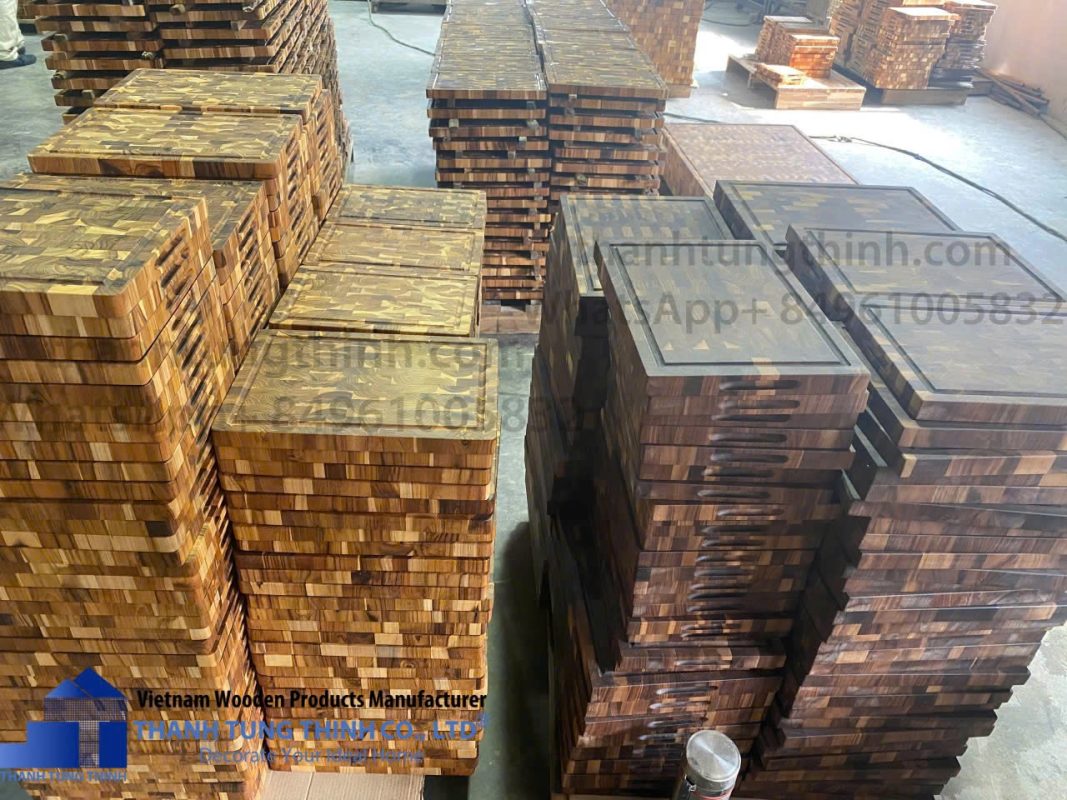
A trusted supplier will not only help you meet demand but also enhance your reputation through superior craftsmanship, sustainable practices, and customization options that differentiate your brand. On the other hand, partnering with the wrong supplier could lead to poor product quality, delayed deliveries, and damage to your business relationships and customer satisfaction.
In this article, we’ll guide you through everything you need to know about selecting a steak board wood supplier that meets your unique needs—from evaluating wood quality and production capacity to identifying red flags and understanding the benefits of working with experienced manufacturers. Whether you’re new to sourcing or looking to optimize your current supply chain, this guide is designed to help you make confident, strategic decisions.
Read more: The Ultimate Guide to Steak Board Wood: Uses, Types, and Buying Tips for advancing the Profit
II. Why the Supplier You Choose Matters
When it comes to steak boards, the quality and reliability of your wood supplier play a vital role in the overall success of your product line or hospitality business. Whether you’re supplying restaurants, premium kitchenware retailers, or gifting companies, your supplier isn’t just a vendor — they’re a strategic partner. Here’s why making the right choice matters:
1. Material Quality Directly Impacts End-User Satisfaction

The look, feel, and durability of steak boards depend heavily on the type of wood used and the care taken in processing it. Poorly sourced wood can warp, crack, or deteriorate quickly, which not only disappoints your customers but can also harm your brand’s reputation. A reliable steak board wood supplier ensures consistent access to high-grade wood (like acacia, teak, or American walnut), treated and finished to food-safe standards.
2. Reliable Suppliers Ensure On-Time Delivery and Inventory Control
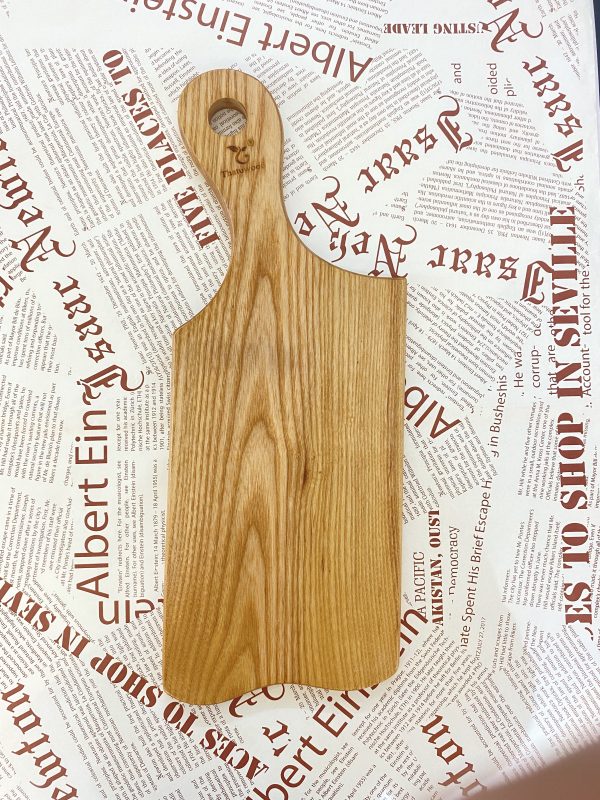
Inconsistent delivery times or supply chain interruptions can disrupt your business operations. From missing seasonal demand spikes to losing out on long-term clients, delays can be costly. A dependable supplier helps you maintain steady inventory levels and meet your production schedules, allowing you to focus on sales and customer service rather than damage control.
3. Customization and Flexibility Are Key to Brand Differentiation
If your brand thrives on uniqueness — like custom shapes, engraved logos, or packaging that stands out — then your supplier needs to offer more than just a one-size-fits-all solution. Experienced manufacturers provide OEM/ODM services, allowing you to tailor steak boards to match your market positioning. This capability becomes even more valuable as you expand into new markets or run exclusive product campaigns.
4. Compliance and Certifications Open the Door to Global Trade
When importing or exporting wooden kitchenware, regulatory compliance is non-negotiable. Working with a supplier who can provide the required certifications — such as FSC (Forest Stewardship Council), FDA approval, and other food-contact safety documents — ensures your products can legally and safely enter your target markets. Lack of documentation can delay shipments or cause them to be rejected altogether, leading to significant financial losses.

In short, the supplier you choose will influence everything from product quality and branding potential to your ability to scale efficiently and legally. Taking time to assess your options carefully is not just recommended — it’s essential.
III. Key Factors to Consider When Choosing a Steak Board Wood Supplier
Not all suppliers are created equal. To ensure your steak board products meet market demands and exceed customer expectations, here are the most important criteria to evaluate when choosing a steak board wood supplier:
1. Wood Quality and Sourcing
The foundation of every great steak board lies in the raw material. Ask your potential supplier detailed questions such as:
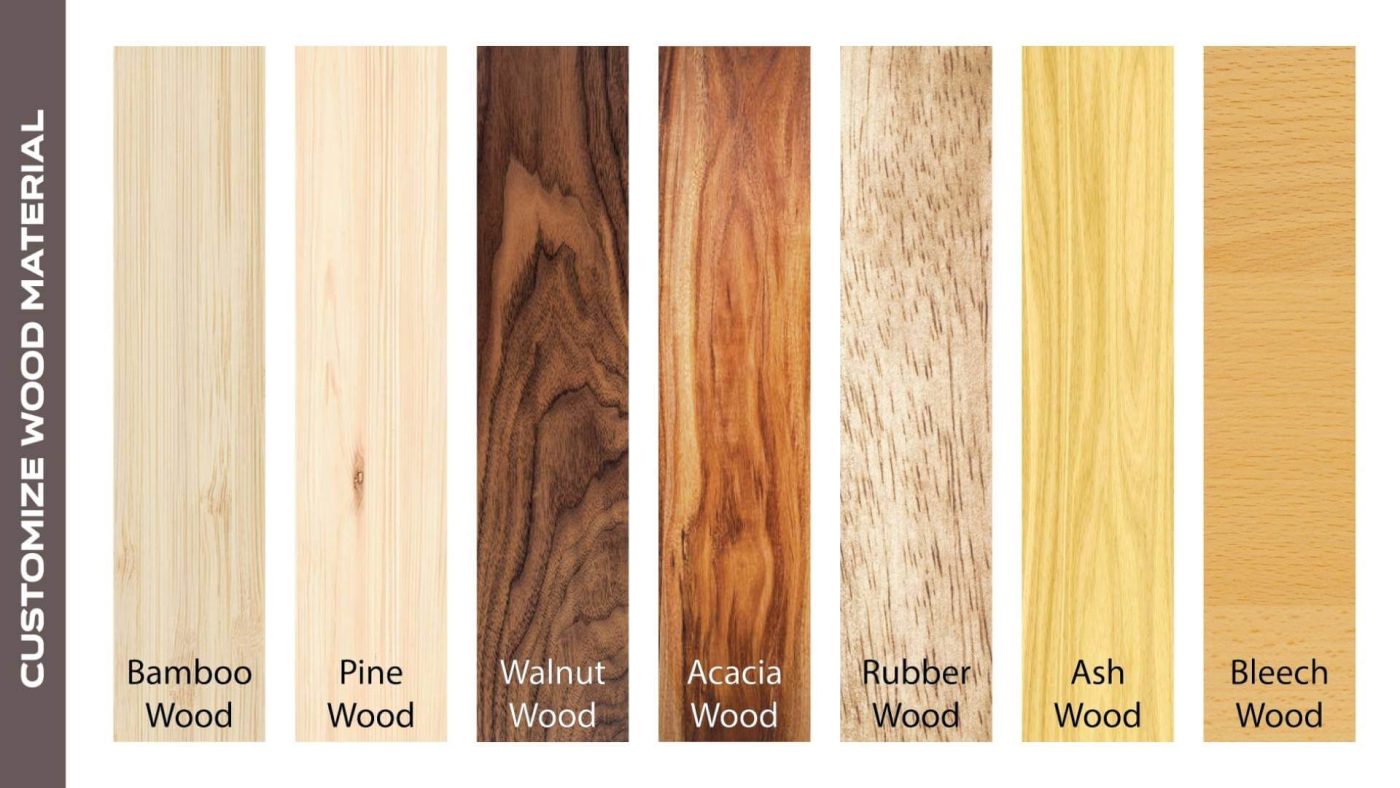
- What types of wood do you offer? (Acacia, teak, beech, American walnut, etc.)
- Are the materials sustainably sourced?
- Can you provide documentation or proof of wood origin?
Premium wood not only improves aesthetics but also ensures durability, water resistance, and food safety. If you’re exporting, wood sourced from the U.S. can even help reduce tariff risks in certain markets.
Read more: Wooden Cutting Boards: What Are the Benefits and Differences?
2. Manufacturing Capabilities
A reliable supplier should have robust production systems and skilled craftsmanship. Consider:
- Do they own their factory or outsource production?
- What machinery do they use for cutting, shaping, and finishing?
- Are they capable of both small batches and large-scale production?
Strong manufacturing capabilities also reflect a supplier’s ability to maintain quality control and scale with your business as demand grows.
3. Minimum Order Quantities & Flexibility
MOQ policies can affect how easily you can test new products or expand into new markets. Look for a supplier that:
- Offers reasonable MOQs for first orders or trial runs
- Is open to negotiating quantities based on long-term partnership potential
- Can adjust volumes based on seasonal demand
This flexibility can be crucial for startups or businesses testing new product lines.
4. Customization Options
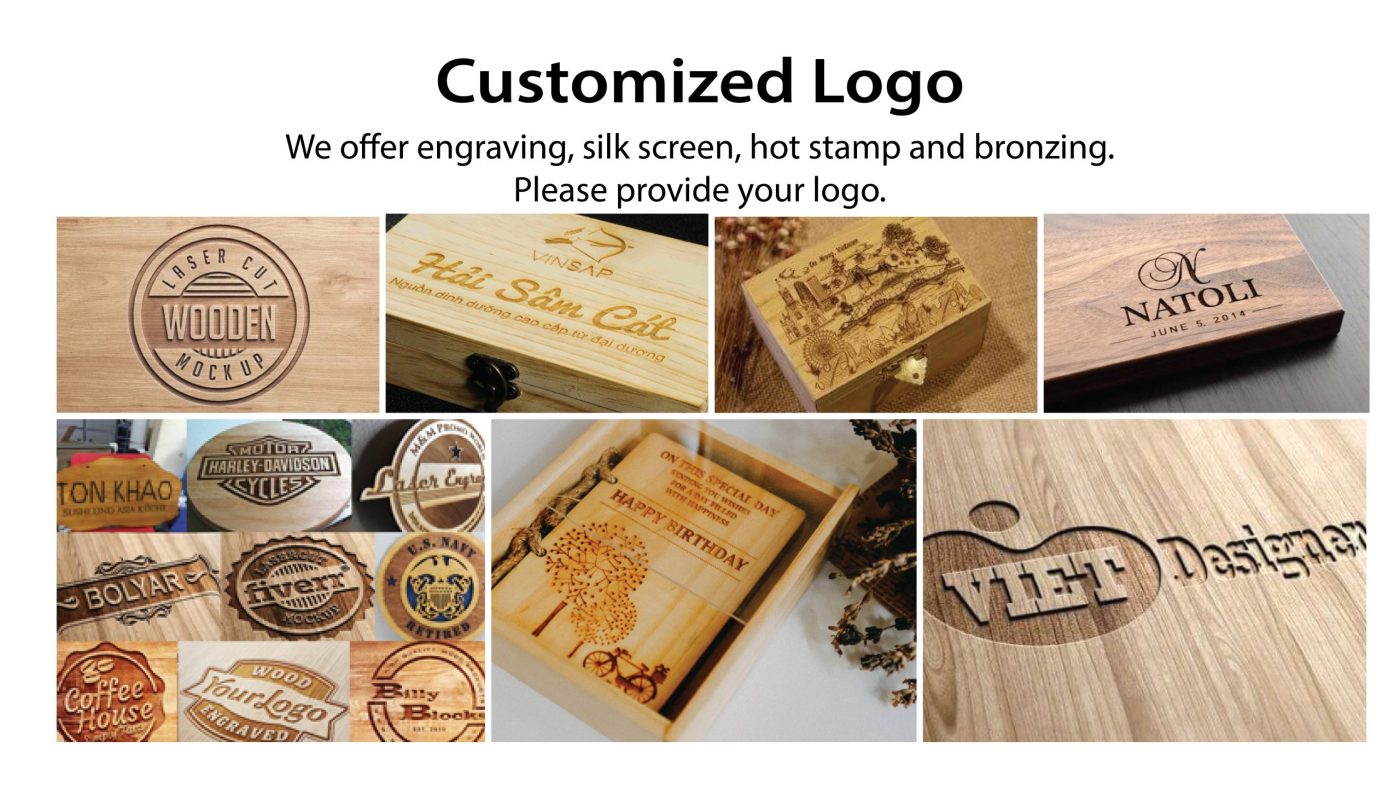
Branding matters. To stand out in a crowded market, your supplier should offer:
- Logo engraving or laser marking
- Custom shapes, sizes, or handles
- Groove or juice channel options
- Custom packaging (gift boxes, labels, barcodes)
OEM and ODM capabilities allow you to design steak boards that align with your unique brand identity.
5. Certifications & Export Documents
Global buyers must ensure all wooden products meet local safety and import standards. Your supplier should provide:
- FSC certification for responsible forestry
- FDA-compliant food-grade finishes
- Phytosanitary certificates and fumigation records
- Compliance with EU, U.S., or Australia regulations
Having complete documentation also speeds up customs clearance and reduces the risk of shipment rejections.
6. Production Lead Time & Communication
Timely delivery and clear communication are key to successful partnerships. Evaluate:
- Average production lead time for standard and custom orders
- Response time for inquiries or troubleshooting
- Language proficiency and availability of support teams
A good supplier acts as an extension of your team — proactive, transparent, and responsive at every stage of the order process.
IV. Red Flags to Watch Out For
Finding the right steak board wood supplier isn’t just about identifying the right features — it’s also about recognizing the warning signs that could lead to costly mistakes. Here are common red flags that smart buyers avoid:
1. Vague or Inconsistent Answers About Wood Source
If a supplier can’t clearly explain where their wood comes from or provide documentation, it’s a serious concern. Reputable suppliers are transparent about their sourcing — including wood type, country of origin, and sustainability practices. If they dodge the topic or give contradictory information, it’s best to look elsewhere.
2. Unwillingness to Provide Samples or References
Product samples are standard practice in international trade, especially for first-time buyers. A supplier who refuses to provide samples or avoids sharing references from past clients may be hiding quality issues. Legitimate manufacturers are proud to show their craftsmanship and client success stories.
3. Overpromising on Delivery and Customization
Watch out for suppliers who say “yes” to everything without understanding your needs. Unrealistic lead times or promises of full customization with no discussion of limitations often signal inexperience or desperation. These suppliers may cut corners or fail to deliver on their commitments.
4. Lack of Certifications or Incomplete Export Documents
If your target market requires FSC, FDA, or other certifications, a lack of documentation could prevent your products from clearing customs. Some suppliers may try to assure you that paperwork isn’t necessary — don’t take that risk. Always verify their ability to meet export compliance standards.
5. Poor Packaging Standards
Even if the product is well-made, poor packaging can lead to damage during shipping — costing you time, money, and reputation. If your supplier doesn’t have a clear packaging protocol or uses subpar materials, it’s a sign they might not be experienced with international shipments.
6. Limited Communication and Long Response Times
Responsiveness is a strong indicator of reliability. If a supplier takes days to respond, avoids video calls, or provides inconsistent answers, communication may become a bigger issue once you’ve placed your order. Efficient communication is especially critical when dealing with custom projects or urgent orders.
Avoiding these red flags can save your business from supply chain disruptions, wasted investment, and brand damage. In the next section, we’ll explore where to find trustworthy steak board wood suppliers that meet international standards and support long-term partnerships.
V. Where to Find Reliable Steak Board Wood Suppliers
Sourcing a trustworthy steak board wood supplier can feel overwhelming, especially with so many options online. But by focusing on credible platforms and strategic sourcing methods, you can discover long-term partners that match your quality and business expectations. Here’s where to start:
1. B2B Marketplaces

Global platforms like Alibaba, Global Sources, and Made-in-China are popular for connecting with suppliers, especially in Asia. When using these platforms:
- Look for verified manufacturers with trade assurance and on-site inspection badges.
- Review their years of experience, product catalogs, and certifications.
- Use filters to prioritize suppliers who accept low MOQs or offer OEM/ODM services.
While B2B platforms are a convenient first step, always verify claims and request samples before placing a large order.
2. Trade Fairs and Exhibitions
Industry events such as Ambiente (Germany), Canton Fair (China), or VietnamWood offer a great chance to meet manufacturers in person. These events allow you to:
- Inspect product quality firsthand
- Discuss lead times, pricing, and customization
- Build rapport with suppliers and assess professionalism
Attending trade shows can help you find hidden gems and establish direct relationships that improve communication and trust.
3. Referrals and Industry Networks
Ask your business contacts, fellow distributors, or restaurant owners for recommendations. A warm referral can lead you to suppliers who are already proven and reliable. Join online groups or forums where importers share experiences with specific manufacturers — both good and bad.
4. Google Search with Targeted Terms
Sometimes the most straightforward approach works best. Search terms like “Steak board wood supplier Vietnam,” “OEM wood cutting board manufacturer,” or “custom acacia steak board factory” can lead you directly to factory websites. Once you find a lead:
- Explore their About page for experience and production capacity
- Review their product range and export markets
- Look for certificates, factory photos, or downloadable catalogs

This method is especially helpful for finding direct manufacturers outside B2B marketplaces — which can reduce costs and streamline communication.
5. Sourcing Agents or Buying Offices
If you’re short on time or unfamiliar with a region, consider working with sourcing agents in Vietnam, China, or India. They can help:
- Vet suppliers and conduct factory audits
- Negotiate better prices and oversee quality control
- Handle logistics and language barriers
This approach adds a layer of security, though it may involve additional costs. It’s often a good fit for growing businesses that need more structured sourcing support.
VI. What to Ask Before Signing a Deal with a Steak Board Wood Supplier
Before entering into any formal agreement, it’s essential to dig deeper. Even if a supplier looks promising online, asking the right questions can help confirm their reliability, transparency, and suitability for your business. Here’s what you should ask:
1. What types of wood do you use, and are they food-safe?
Make sure the supplier uses hardwoods that are durable, attractive, and certified for food contact (such as Acacia, Teak, or American Walnut). Ask:
- Are your boards treated with food-safe finishes?
- Do you provide documentation for FDA compliance or similar certifications?
- Is the wood kiln-dried to avoid cracking and warping?
2. Can you provide samples before mass production?
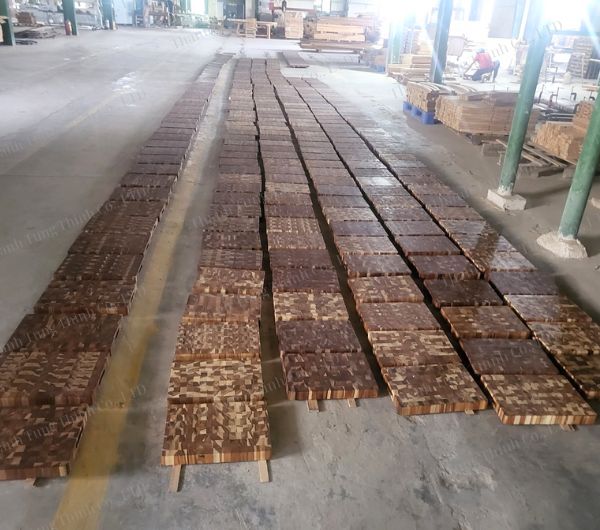
Request a physical sample of your product — especially if you’re ordering a custom design. This helps you:
- Check surface smoothness, finish quality, and logo accuracy
- Verify groove depth, board thickness, and edge shaping
- Identify potential issues before large-scale production
Some suppliers offer free samples (you pay shipping); others charge but deduct the cost from your bulk order.
3. What is your MOQ and production lead time?
Ask for detailed timelines and flexibility:
- What’s the minimum order quantity? Can we start small for testing?
- How long is the average lead time for stock items vs. custom orders?
- Can you handle urgent or seasonal orders?
If you plan to scale, ensure their facility can keep up with demand.
4. Do you offer private labeling or branding services?
Brand customization helps you stand out in competitive markets. Ask:
- Can you laser engrave our logo or add branding to the packaging?
- Do you offer retail-ready packaging options like boxes or belly bands?
- Can you help design the artwork?
Suppliers with full OEM/ODM services can simplify your go-to-market process.
5. What quality control measures do you follow?
Understanding their QC process gives you confidence in consistency. Ask:
- Do you conduct inspections at each stage of production?
- Can I see photos or reports from previous QC batches?
- How do you handle defective or damaged goods?
6. What certifications and export documents can you provide?
Ensure the supplier complies with regulations in your market. Request:
- FSC (Forest Stewardship Council) for sustainability
- Phytosanitary certificates
- Fumigation reports (if required for your destination)
- Country of origin certificate and commercial invoice
These documents are critical for customs clearance and customer trust.
7. What are your payment terms and shipping options?
Discuss financial and logistical terms upfront to avoid delays or surprises:
- What payment methods do you accept (TT, PayPal, L/C)?
- Do you require a deposit? How much?
- Can you assist with shipping (FOB, CIF, DDP)?
- Do you work with specific freight forwarders or can I use my own?
Check out our Steak Wood Board could provide to you for bulk order

