


Table of Contents
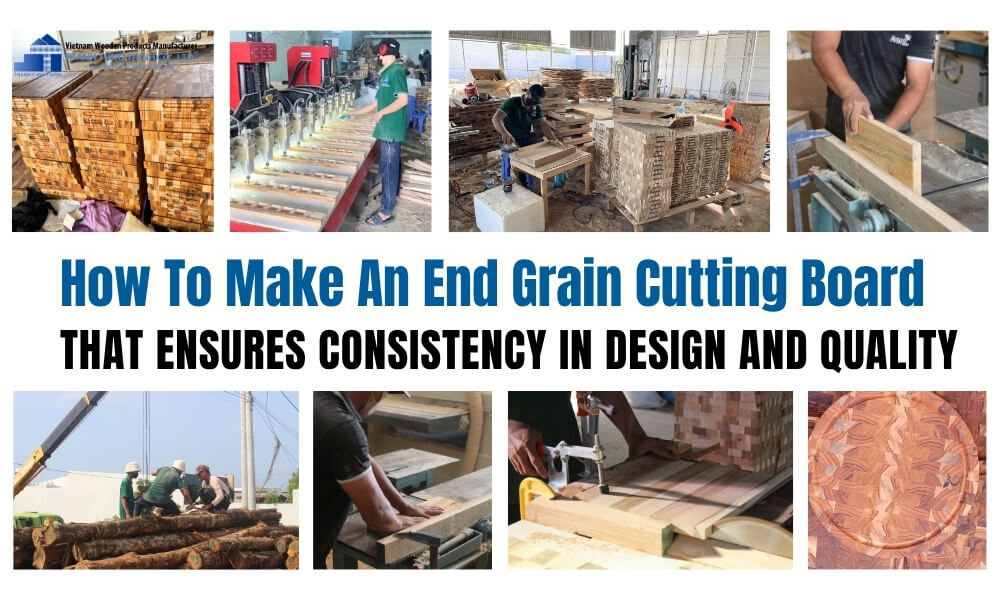
Mastering how to make an end grain cutting board requires absolute precision, advanced woodworking machinery, and rigorous process control, especially when manufacturing commercial inventories for global distribution networks. Understanding the exact mechanical steps involved in how to make an end grain cutting board allows wholesale manufacturers to maintain structural integrity across high-volume production batches.
At ThanhTungThinh, scaling industrial production of how to make an end grain cutting board combines master craftsmanship with automated engineering to deliver flawless commercial products. This comprehensive technical guide explores the ultimate blueprint for how to make an end grain cutting board that guarantees absolute consistency in design and quality for wholesale importers.
After reading this article, you will understand the following information:
- Clear conceptual definition and functional utility of premium end-grain wooden blocks.
- Detailed 10-step industrial manufacturing workflow for how to make an end grain cutting board.
- Evaluation of top hardwood species utilized in high-volume commercial production.
- Advanced machinery, precision calibration, and quality control systems implemented by ThanhTungThinh.
- Strategic benefits and compliance guarantees for B2B wholesale procurement partners.
What Is an End-Grain Cutting Board and What Are Its Core Functional Benefits?
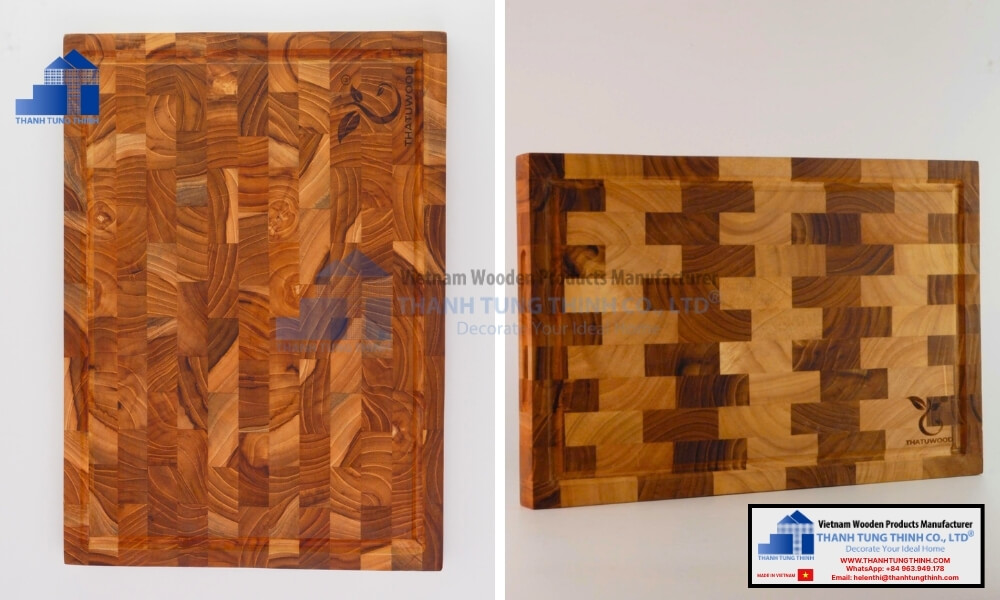
An end-grain cutting board is a premium culinary surface constructed by assembling small hardwood blocks with their vertical growth rings facing upward. When mastering how to make an end grain cutting board, craftsmen harness a unique cellular architecture.
Unlike standard edge-grain boards where blades slice across timber fibers, an end-grain structure allows knife blades to glide smoothly between upright fibers. This creates a natural self-healing surface where incisions close back together, protecting knife edges from premature dulling while offering heavy-duty durability and striking mosaic aesthetics for commercial kitchenware portfolios.
What Are the Best Wood Species for Manufacturing End-Grain Boards?
Selecting the correct timber species is the foundational requirement when analyzing how to make an end grain wooden cutting board at a commercial scale. Below are the 5 premier wood options utilized by leading manufacturers:
Teak Wood
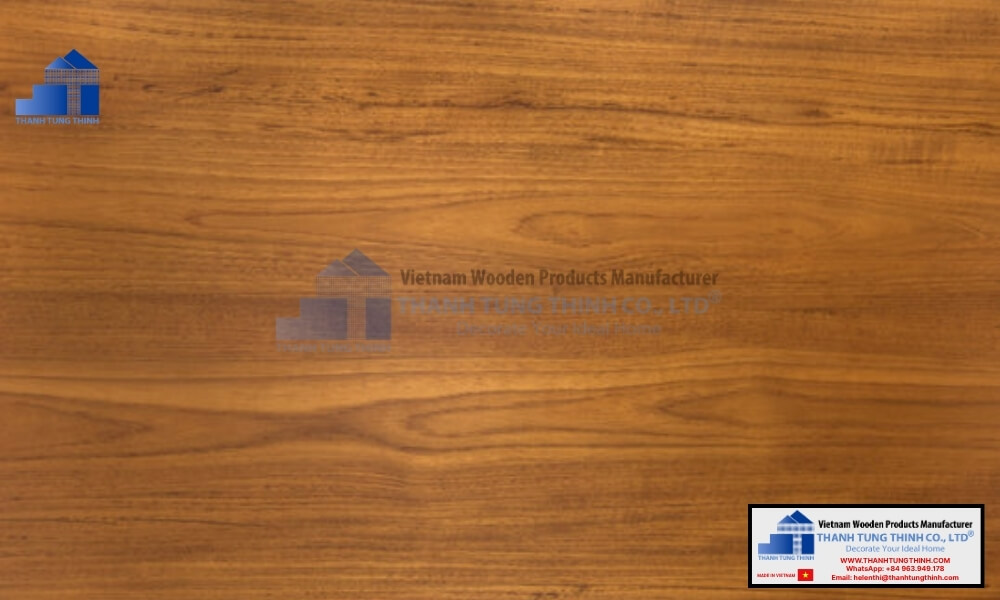
Teak is widely regarded by industry experts as an exceptional choice when seeking the best wood for end grain cutting board collections. With a Janka hardness rating around 1,000 to 1,150 lbf, it offers a balanced cutting plane that preserves knife edges.
Its defining characteristic is a naturally high concentration of protective oils, making it virtually impervious to water, bacteria, and warping. At ThanhTungThinh, crafting a premier teak end grain cutting board ensures our wholesale clients receive durable, moisture-resistant kitchenware that easily clears international compliance thresholds.
Acacia Wood
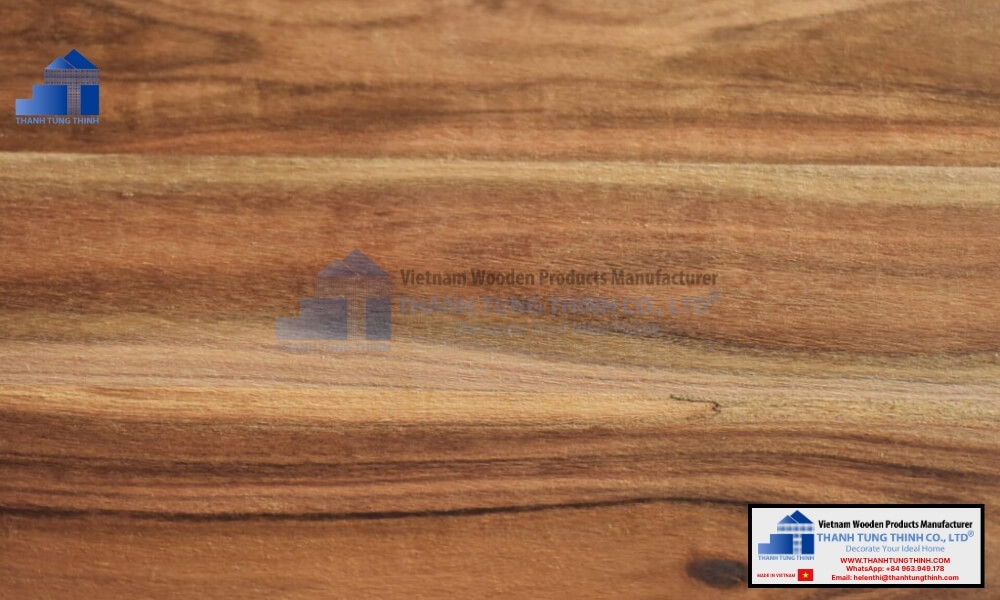
Acacia features a remarkable Janka hardness rating of approximately 1,700 to 2,300 lbf, providing superior wear resistance for intensive commercial environments. Its stunning, contrasting dark and light grain variations offer unmatched visual depth. When manufacturing an acacia wooden cutting boards inventory, our production teams utilize expert kiln-drying to balance its density, resulting in a robust, elegant cutting plane prized by global hospitality distributors and luxury kitchenware brands alike.
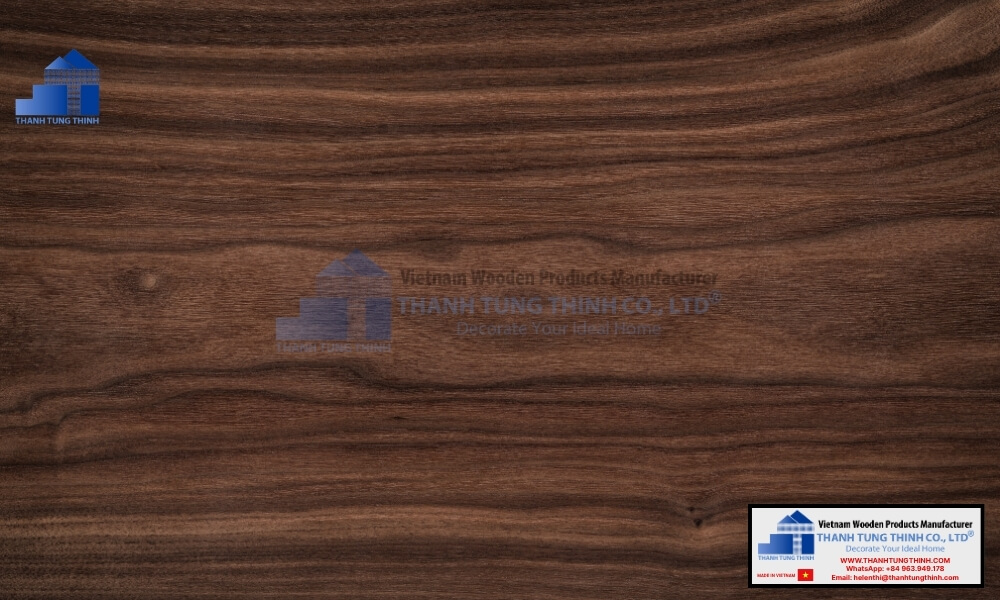
Walnut Wood
Walnut holds a Janka hardness rating of 1,010 lbf, placing it squarely in the sweet spot for professional culinary applications. It features a rich, dark chocolate hue and a fine, uniform grain structure that resists splintering. Walnut is exceptionally stable, making it a favorite among high-end designers seeking sophisticated aesthetic presentation combined with reliable daily performance in high-end markets.
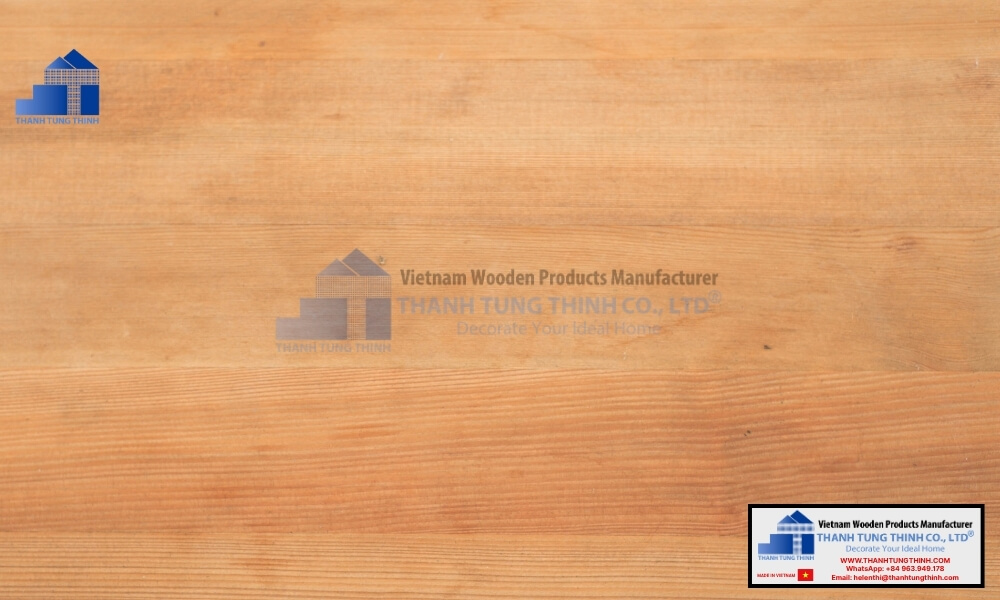
Rubberwood
Rubberwood offers a sustainable, eco-friendly option with a Janka hardness of roughly 950 lbf. Harvested primarily from mature latex plantations at the end of their lifecycle, it presents a dense, pale cream-colored grain. Its tightly packed cellular structure absorbs minimal moisture, providing a cost-effective, durable solution for bulk commercial manufacturing programs.
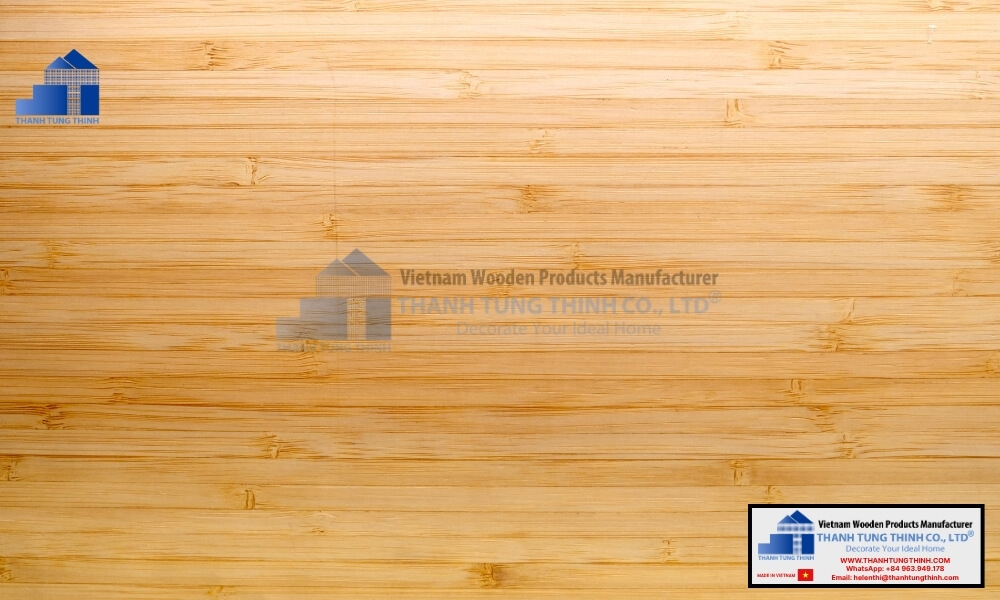
Bamboo Wood
While frequently categorized alongside traditional timber, bamboo is technically a fast-growing, highly renewable grass bonded with heavy adhesives. In modern kitchenware manufacturing, Bamboo wood offers an impressive Janka hardness rating of approximately 1,380 lbf and a distinct, linear grain pattern that appeals to eco-friendly market segments. However, because of its high rigidity and unique moisture-absorption properties, bamboo requires specialized processing to prevent splitting along glue lines. When engineered correctly, it provides a durable, cost-effective alternative for high-volume commercial distribution.
How to Make an End Grain Cutting Board: A 10-Step Industrial Production Guide?
To understand how to make an end grain wooden cutting board without experiencing structural warping or glue joint separation, workshops must follow a precise sequence of operations. This master workflow outlines how to make an end grain cutting board for large-scale production.
Step 1: Select and Mill Your Lumber
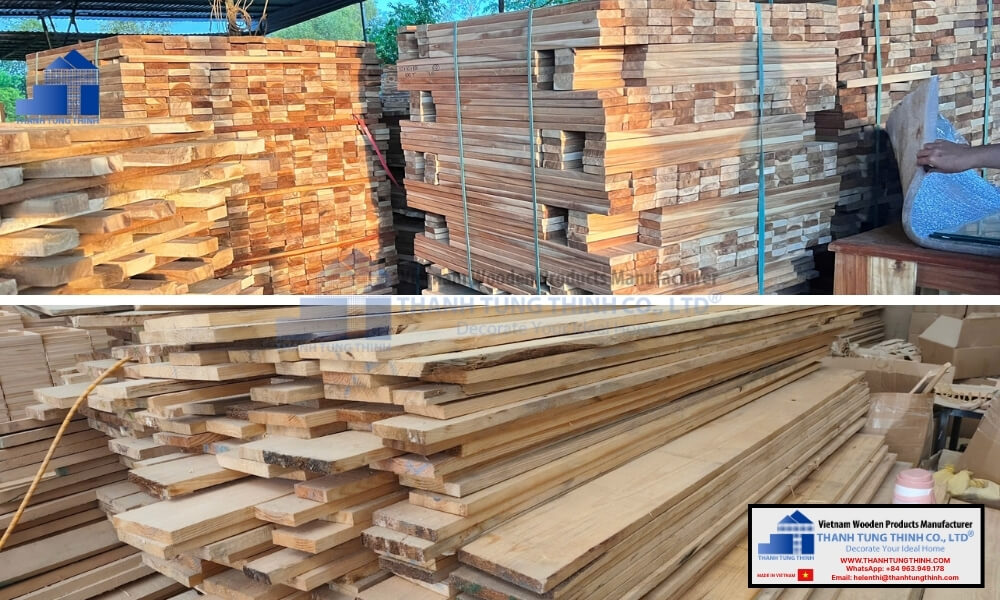
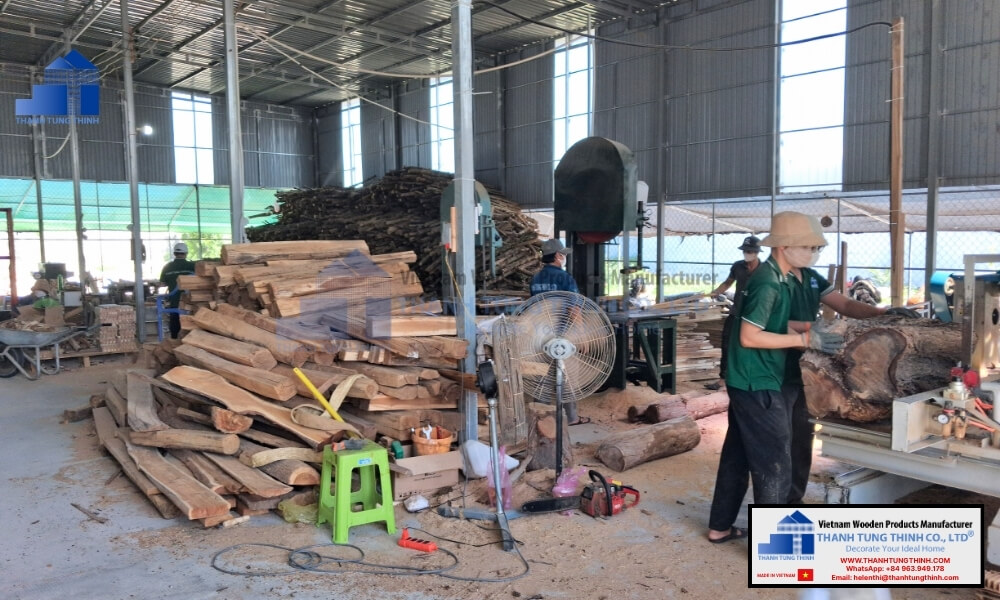
The foundation of how to make an end grain cutting board begins with careful lumber selection. Sourcing kiln-dried hardwoods with a strict moisture content of 8% to 12% is vital. Technicians mill the raw timber into uniform board thicknesses, ensuring straight, flat reference edges before any cutting begins.
Step 2: Laying Out Your Board and Cutting Everything to Length
When studying how to make an end grain cutting board, precise crosscutting is critical. Operators calculate final dimensions and crosscut timber strips to exact uniform lengths using automated radial arm saws to prevent alignment errors during assembly.
Step 3: The Initial Glue Up
Executing how to make an end grain wooden cutting board requires waterproof, FDA-compliant food-safe wood glues (such as Type I PVA). Strips are aligned with alternating grain directions to counteract natural timber movement, then clamped under heavy hydraulic pressure to achieve a tight, flawless bond.
Step 4: Cut the Strips for the Final Glue Up
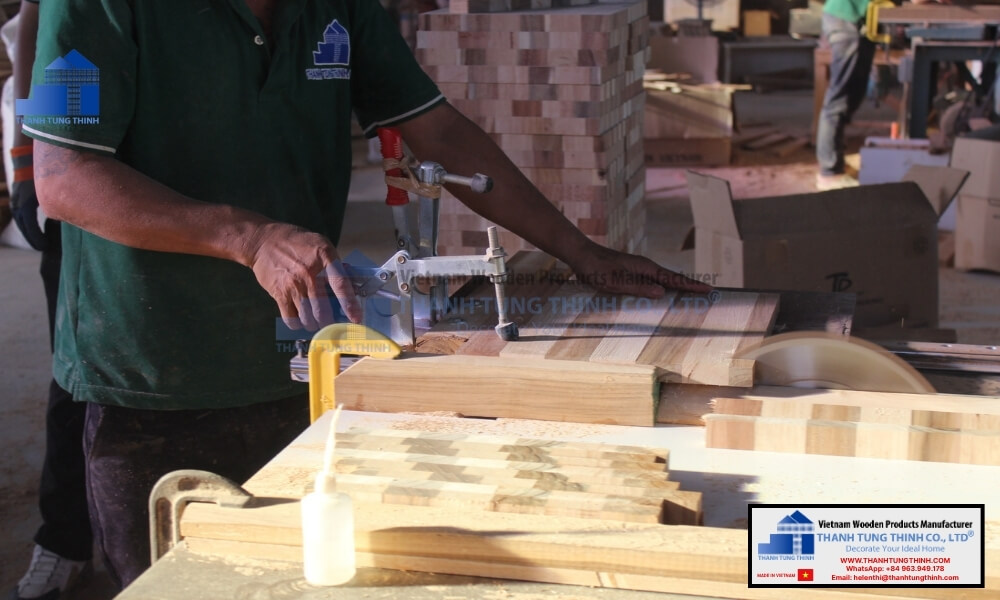
A crucial step in how to make an end grain cutting board involves crosscutting the initial glued panel perpendicular to the original strips. Using a precision sliding table saw, technicians slice the panel into individual strips, exposing the vertical end-grain fibers for the final transformation.
Step 5: The Final Glue Up
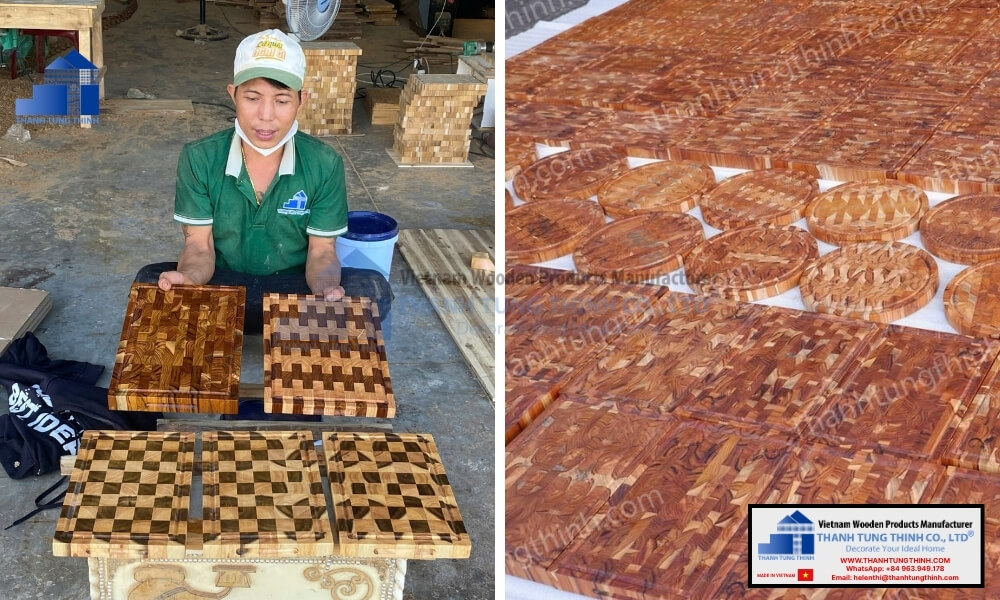
In this phase of how to make an end grain cutting board, the newly cut vertical strips are rotated 90 degrees to display the mosaic end-grain pattern. The pieces are re-aligned, clamped securely with multi-directional hydraulic presses, and left to cure completely under controlled temperature conditions.
Step 6: Flattening an End Grain Board
Because end-grain blocks cannot safely pass through standard thickness planers (which can tear out or shatter vertical fibers), mastering how to make an end grain wooden cutting board requires wide-belt sanders or heavy-duty CNC drum routers to achieve a perfectly flat, smooth surface.
Step 7: Final Dimensioning and Edging
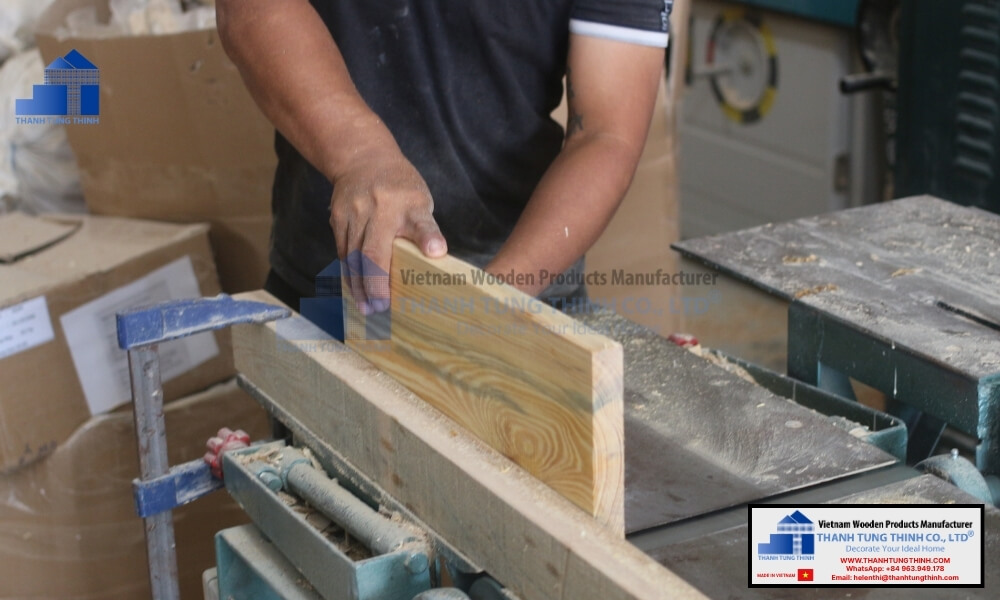
The next phase in how to make an end grain cutting board involves squaring the outer perimeter on a CNC router table. Technicians rout ergonomic finger grips, cut juice grooves, and ease sharp outer edges to ensure safe, comfortable handling.
Step 8: Sanding
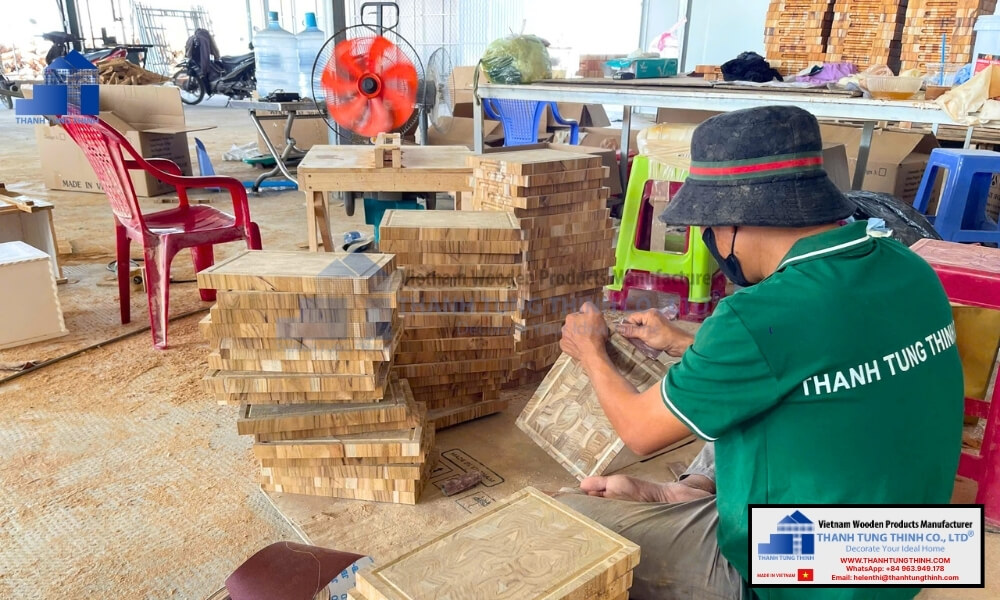
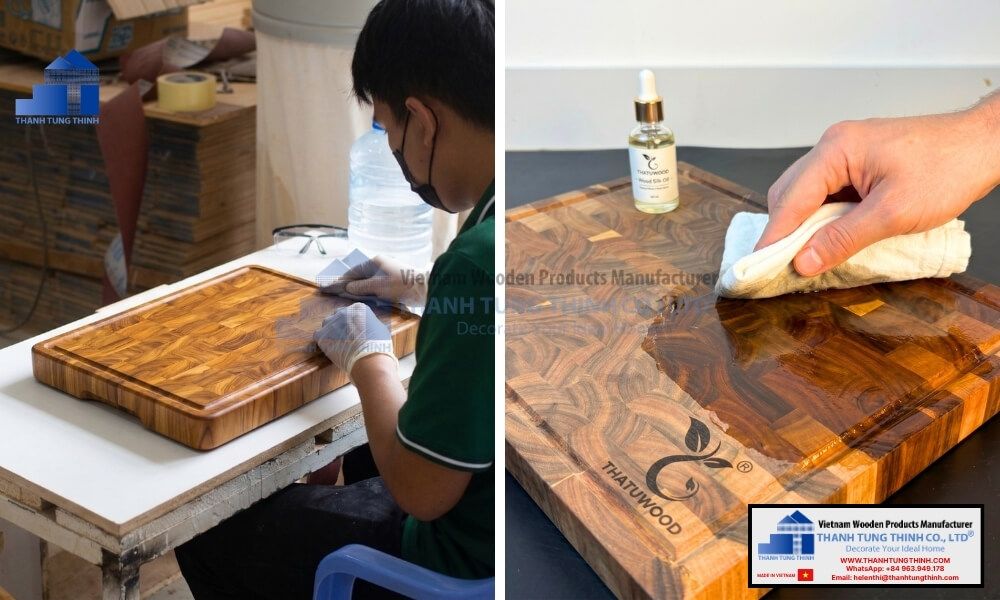
Achieving a silky-smooth finish when learning how to make an end grain cutting board requires progressive multi-stage sanding. Workers transition through grit levels (from 80-grit up to 220-grit) to completely eliminate surface blemishes and prep the timber pores.
Step 9: Finishing
When executing how to make an end grain cutting board, applying the right finish seals the wood against moisture. The board undergoes deep thermal conditioning and inspection to verify that no micro-gaps or sanding marks remain on the finished canvas.
Step 10: Oil Conditioning
The final step in how to make an end grain cutting board is a multi-stage immersion in food-grade mineral oil and natural beeswax. This locks in internal moisture, highlights the rich grain patterns, and prepares the product for immediate international transit.
Expert Production Tip from ThanhTungThinh: To completely prevent transit cracking across diverse global climates, our facility enforces a strict post-gluing relaxation period followed by vacuum-sealed oil conditioning, ensuring zero joint failure upon arrival at international warehouses.
How ThanhTungThinh Ensures Design Consistency and Quality in Bulk Production?
Mastering how to make an end grain cutting board at an industrial scale demands advanced technological infrastructure and strict quality control protocols. At ThanhTungThinh, our manufacturing facility utilizes state-of-the-art CNC routers, automated multi-stage sanders, and precision hydraulic clamping systems to guarantee absolute uniformity across thousands of units.
When B2B buyers place bulk orders, eliminating defects like glue joint failure, wood splitting, or dimensional inconsistency is our top priority. Our dedicated Quality Control department enforces a rigorous 3-layer inspection process, maintaining an exceptional defect rate of under 1%. Combined with an impressive export output capacity of 5 forty-foot containers per month, ThanhTungThinh delivers unmatched manufacturing reliability for global procurement partners.
Strategic Advantages of Partnering with ThanhTungThinh for Wholesale Procurement
When B2B importers and global kitchenware brands partner with ThanhTungThinh for large-scale volume procurement, they gain far more than just high-quality culinary tools. Our commitment to operational excellence provides strategic advantages designed to secure your market position and maximize operational profitability:
- Reliable Industrial Output: With a consistent production capacity of 5 forty-foot containers per month, we ensure your supply chain remains uninterrupted, allowing you to meet high market demand without seasonal stock-outs.
- Uncompromising Quality Assurance: We implement a 3-layer Quality Control (QC) system—covering raw timber inspection, intermediate production monitoring, and final pre-shipment auditing—ensuring your inventory consistently meets luxury-tier standards with a defect rate of under 1%.
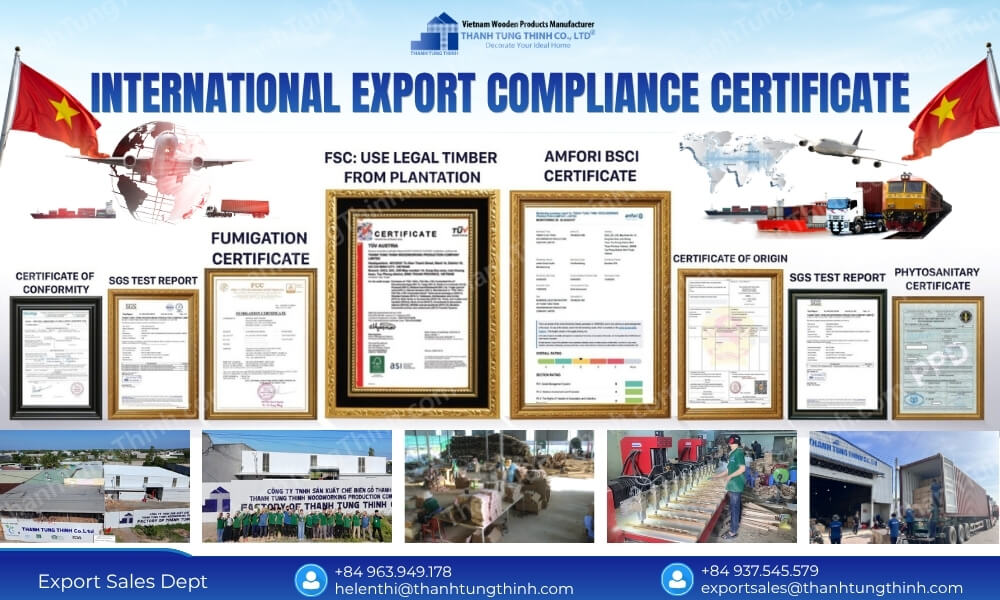
- International Regulatory Compliance: Eliminate import risks and legal liabilities. Our operations are fully certified under FSC, BSCI, ISO 9001:2015, FDA, and LFGB standards, ensuring every product is 100% compliant for immediate entry into Western and global wholesale markets.
- Competitive Cost-Efficiency through Scale: Benefit from our direct-to-factory pricing model, optimized manufacturing workflows, and logistics expertise, enabling you to capture higher profit margins while maintaining premium quality for your customer base.
- Full-Service OEM/ODM Customization: We act as an extension of your own brand. From custom laser-etched logos and bespoke dimensioning to specialized, transit-optimized packaging, we provide tailored solutions that align perfectly with your specific brand identity and distribution requirements.
- Climate-Hardened Engineering: Our strict moisture management protocols (maintaining 8%–12% internal timber content) guarantee that your products arrive in pristine condition, drastically reducing the financial and reputational damage caused by transit-induced warping or splitting.
Elevate Your Global Culinary Portfolio with ThanhTungThinh’s Precision Manufacturing
Scaling a successful kitchenware brand requires a manufacturing partner capable of translating master woodworking techniques into flawless, uniform volume production. By combining advanced industrial machinery, rigorous moisture control, and strict international compliance, ThanhTungThinh delivers world-class wooden cutting board inventories that elevate global commercial portfolios.
Expand your international distribution catalog today with precision-crafted, durable end-grain blocks built to your exact specifications. Contact our commercial sales team now to request our comprehensive product catalog, volume wholesale pricing tiers, and dedicated OEM/ODM partnership consultation.
🌐 Website: https://thanhtungthinh.com/
📌 Pinterest: https://www.pinterest.com/THATUWOOD/
📌 Youtube: https://www.youtube.com/@thanhtungthinhmanufacturer
📌 Facebook: https://www.facebook.com/thanhtungthinh
📌 Linkedin: https://www.linkedin.com/company/thanh-tung-thinh-co-ltd
With more than 15 years of production experience, Thanh Tung Thinh Co., Ltd. is one of the leading reputable Wooden Products manufacturers and exporters specializing in Wooden Products, Wooden boxes products, Wooden Packaging, wooden souvenirs, kitchenware, household utensils, driftwood products, bonsai woods and pet, bird products from coffeewood; other customized products…In particular, all of our wood raw materials are FSC certified, demonstrating our commitment to strictly adhering to sustainable logging and environmental protection standards, providing complete peace of mind for our global customers.
📍 No. 227 To Hien Thanh St, W13, District 10, Ho Chi Minh city, Vietnam
📍 General Warehouse: 451/29/51 To Hien Thanh Street, Dien Hong Ward, Ho Chi Minh city, Vietnam
📍 Factory 1, 2: Lien Huong Town, Tuy Phong District, Binh Thuan Province, Vietnam
📍 Factory 3: Phuoc The Town, Tuy Phong District, Binh Thuan Province, Vietnam
☎ WhatsApp: +84 963.949.178
✉ Email: [email protected]
🌐 Website: www.thanhtungthinh.com
Frequently Asked Questions
What are the core steps involved in how to make an end grain cutting board for commercial production?
The manufacturing workflow includes lumber milling, initial strip gluing, crosscutting to expose vertical end-grain fibers, secondary mosaic re-gluing, heavy-duty belt flattening, precise edge routing, progressive sanding, sealing, and final food-grade oil conditioning.
How does ThanhTungThinh prevent glue joint failure and wood splitting in large batches?
We utilize waterproof, FDA-compliant structural adhesives, enforce strict kiln-drying protocols to maintain wood moisture between 8% and 12%, and apply heavy hydraulic pressure during multi-stage assembly to guarantee structural endurance.
What machinery is required to achieve absolute design consistency in bulk manufacturing?
Achieving high-volume consistency requires automated crosscut saws, high-precision sliding table saws, multi-directional hydraulic clamping racks, heavy-duty wide-belt sanders, and computer-controlled CNC routing machines.
What international compliance standards does ThanhTungThinh maintain for wholesale buyers?
Our production facilities operate under rigorous global standards, holding certifications including FSC, BSCI, ISO 9001:2015, FDA, LFGB, and Prop 65CA, ensuring 100% legal compliance and safe international trade.
What are the core advantages of partnering with ThanhTungThinh for volume procurement?
Wholesale partners benefit from a dependable export capacity of 5 forty-foot containers per month, rigorous 3-layer quality control inspections, flexible OEM/ODM custom dimensioning, and secure, sustainably sourced hardwood inventories.
Related articles
- Why Are End Grain Cutting Boards Better Than the Common Types Available Today?
- Why Choose An End-Grain Wooden Cutting Board? Top 5 Reasons You Need To Know
- TOP 7 Best Wood For End Grain Cutting Board Every Wholesaler Must Know
- What Is End Grain Wooden Cutting Board? Is It The Perfect Choice For Wholesalers?
- What Is The Difference Between Edge Grain vs End Grain Cutting Board?
- Top 8 Best End-Grain Wooden Cutting Boards of 2026 Favored by Wholesale Customers at ThanhTungThinh
- Bulk Natural Teak Wood Cutting Board Supply — Uninterrupted B2B Chain
- Do Teak Wood Cutting Boards Splinter? The Ultimate Durability Guide
- Certified Teak Wood Cutting Board Manufacturer: Strict Quality Control System
- High-Margin Teak Wood Cutting Board Wholesale Supply for Distributors
- Premium Teak Wood Cutting Board Supplier: Ready-to-Ship Wholesale Inventory

