



Table of Contents
Understanding the headwinds for the wooden kitchenware & wooden houseware industry sector in the current global economic climate
Introduction
In an era of heightened environmental awareness and supply-chain volatility, the wooden kitchenware industry faces a unique set of challenges. For importers, distributors, and B2B buyers seeking reliable partners in this space, it is critical to understand how macro-economic trends, raw-material pressures, regulatory demands, and shifting consumer behavior converge. As a supplier with over 14 years of experience and holding FSC, BSCI, and FDA certifications, we recognize these pressures intimately and strive to mitigate them for our partners.

This article will explore the major headwinds facing the wooden kitchenware industry (also referenced as wooden houseware industry, wooden kitchenware industry, wooden kitchenware manufacturer/supplier) in the context of the wider economy. We will then highlight how a seasoned manufacturer/supplier can navigate these challenges and deliver value to B2B clients.
Read more: “Unlocking the Potential: Vietnam’s Wooden Kitchenware Export Industry in 2025”
1. Macroeconomic Context: The Broader Economic Landscape
1.1 Global inflation, cost pressures, and supply-chain disruption
Worldwide inflationary pressures and supply-chain disruptions are impacting manufacturing costs across sectors. For wooden kitchenware manufacturers, this pressure manifests in rising timber and freight costs, labor shortages, and longer lead times.
For example, import tariffs on timber and wood products have recently emerged as major cost drivers. In the U.S., an additional 10 % tariff on timber and lumber imports has been introduced, with further tariffs on kitchen cabinets and wood furniture planned to double in early 2026. Thanhtungthinh National Association of Home Builders WRAL.com These kinds of policy moves ripple into upstream cost structures, even for kitchenware manufacturers in export markets.
1.2 Trade tensions, tariff escalation, and export risks
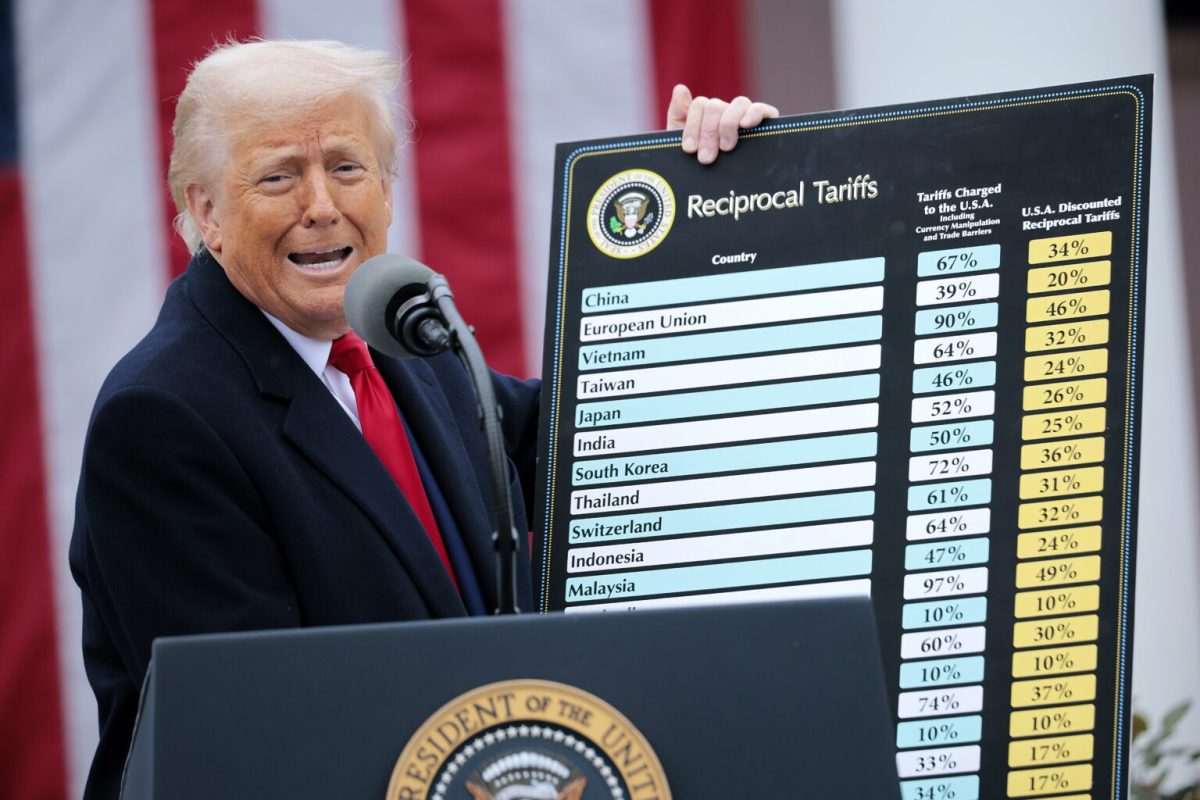
Beyond inflation, trade tensions create instability for exporters. For instance, the Vietnamese wooden kitchenware export industry notes that retaliatory tariffs imposed by the U.S. have emerged as a challenge. Thanhtungthinh Tariff uncertainty leads buyers to delay orders, increase buffer stocks or reduce the number of SKUs they carry—none of which is conducive to lean, efficient B2B supply.
1.3 Consumer demand shifts and market saturation
While the demand for sustainable housewares is growing, competition is increasing, and consumers (or retail chains) are becoming more price-sensitive. According to market-trend data, while “wood furniture” search interest continues to rise, “wooden kitchen utensils” show signs of plateauing, which suggests that differentiation and value-added features will matter more than ever. Accio
2. Specific Challenges in the Wooden Kitchenware Industry
2.1 Raw material sourcing & sustainability demands
One of the paramount issues is securing a consistent supply of responsibly sourced wood. For a wooden kitchenware supplier, claiming environmental credentials, such as FSC certification, traceability, and legal sourcing, is mandatory. According to a furniture-industry article, sustainability is “a defining challenge … with increasing pressure from both regulators and consumers.” intouch-quality.com

When raw material supply is constrained (e.g., due to timber quotas, export restrictions, or high demand for ecological certification), cost and lead-time pressures rise. For B2B buyers, this can translate into higher unit costs or delayed shipments.
2.2 Quality assurance, hygiene, and regulatory compliance
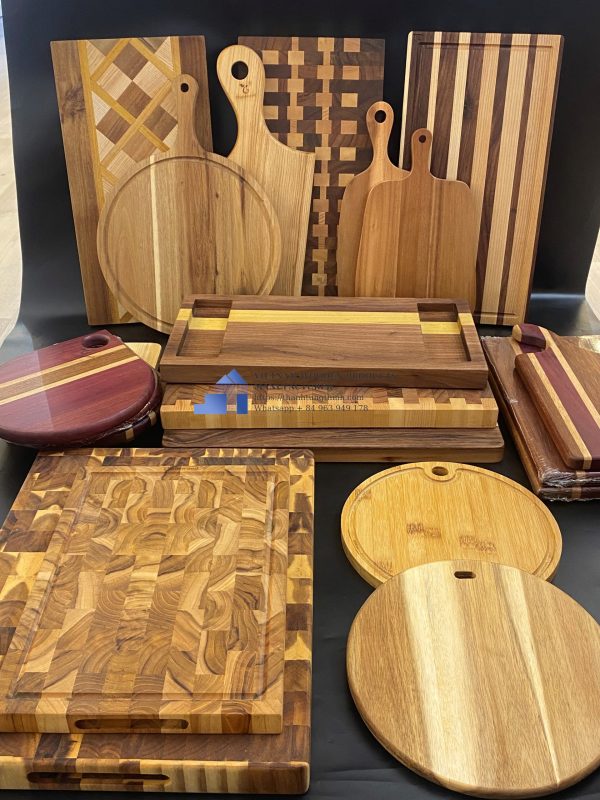
Wooden kitchenware (cutting boards, trays, utensils) is subject to food-safety requirements, durability needs, and customer expectations. In the broader wood sector, common issues include:
- Moisture and climate sensitivity: wood may warp, crack, or shrink if not properly dried or stored. intouch-quality.com
- Hygiene concerns: Wooden utensils absorb liquids and may harbor bacteria unless they are treated properly. sulapac.com
- Inconsistent material quality: natural variations in grain, knots, and density make standardization harder. intouch-quality.com
For a supplier catering to international B2B clients, certifications such as FDA (for food-contact surfaces), BSCI (for social/ethical manufacturing), and FSC (for forest sustainability) are important trust markers.
2.3 Competition from alternative materials & commoditization
Wooden kitchenware is often marketed as “eco-friendly”, but competition is increasing—from bamboo, engineered wood, recycled plastic, and other “green” alternatives. According to one market report, the “wooden cutlery” segment sees a major challenge in the form of hygiene/safety concerns and competition from alternative sustainable materials. Credence Research Inc.
Moreover, as more manufacturers enter the space, commoditization sets in: price pressures intensify and differentiation becomes harder. For B2B buyers, this means suppliers who cannot demonstrate value beyond price (for instance, via certifications, branding/packaging, customization) may struggle.
2.4 Logistics, lead-times, and cost escalation
Wooden kitchenware producers often rely on imported raw materials or export finished goods. Fluctuations in freight costs, shipping delays, container shortages, or port congestion all impact B2B supply chains. Additionally, rising global energy prices, labor inflation, and currency fluctuations add to cost pressure. These conditions mean that B2B buyers need suppliers who can manage lead-time risk, maintain consistent quality, and communicate transparently on pricing.

2.5 Changing buyer expectations & private-label demands
International buyers increasingly demand capacity for private-label packaging, custom shapes/finishes, smaller MOQs/flexibility, and strict supply-chain transparency. According to Vietnam-export commentary, Vietnamese wooden kitchenware exporters emphasized “customization and branding” as a key challenge for global markets. Thanhtungthinh, if a supplier cannot offer OEM/ODM flexibility while maintaining compliance and quality, they may lose market share.
3. Why These Challenges Matter for B2B Buyers (Importers & Distributors)
3.1 Risk of supply disruption and cost escalation
For an importer sourcing wooden kitchenware, the combination of tariffs, raw-material scarcity, and logistic challenges means that costs may rise unexpectedly or lead times may stretch. This can affect inventory planning, pricing strategy, and margins.
3.2 Reputation & compliance risk
When buyers place their brand on kitchenware, issues like moldy or warped wood, failing food-contact certification, or unethical manufacturing (invisible in the supply chain) become direct risks to brand reputation. They may result in returns or regulatory action. Choosing a supplier with recognized certifications and a track record helps mitigate that.
3.3 Differentiation & margin pressure
As competition increases, margins shrink. For B2B buyers working with private-label or branding, only suppliers who can provide value beyond “just wood items” (e.g., design, branding, sustainability story, improved logistics) will enable higher margins and brand differentiation.
3.4 Sustainability demands from end-customers

End consumers are increasingly demanding sustainable kitchenware. Retailers are placing sourcing transparency, FSC or equivalent certification, and eco-credentials on their sourcing checklist. B2B buyers lacking a compliant supply may be excluded from key channels or face margin erosion.
4. How a Trusted Wooden Kitchenware Manufacturer/Supplier Can Make a Difference
In today’s volatile market, not every supplier can withstand the combined pressures of rising costs, stricter compliance, and rapidly shifting buyer expectations. For importers and distributors, partnering with an experienced and certified manufacturer is no longer an option—it’s a necessity.
4.1 Experience as the foundation of stability
Manufacturers with more than a decade of experience in wooden houseware production have mastered every stage of the process—from raw material selection and drying, to finishing, assembly, and packaging.
This accumulated expertise allows them to anticipate potential issues (such as moisture fluctuation, wood warping, or coating inconsistency) and maintain a consistently high level of quality, even during periods of supply-chain disruption.
4.2 Certified compliance for global markets
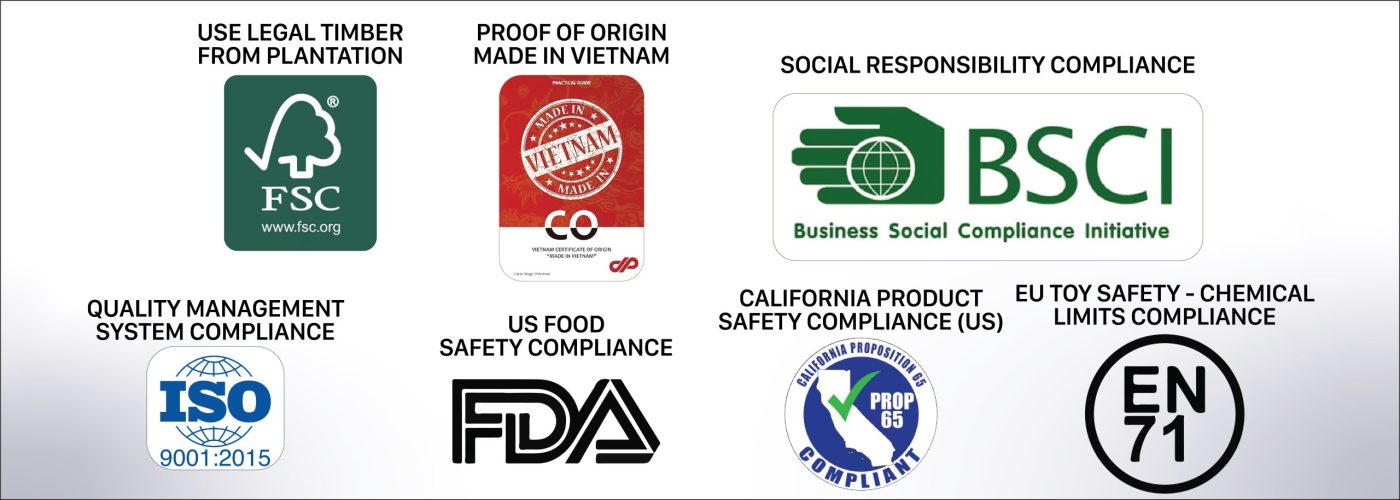
Reputable suppliers in this industry invest in internationally recognized certifications, ensuring that their production standards align with global expectations:
- FSC (Forest Stewardship Council) – guarantees responsible sourcing from sustainable forestry.
- BSCI (Business Social Compliance Initiative) – ensures ethical, safe, and fair working conditions.
- FDA & Prop65 compliance – confirms that products meet food-contact safety standards required in the U.S. and Europe.
For global B2B buyers, these certifications serve as reliable proof of compliance, eliminating concerns about social responsibility or regulatory violations.
4.3 Sustainability and traceability as long-term commitments
A responsible manufacturer ensures full traceability of wood—from the forest of origin to the finished kitchenware item.
This transparent sourcing not only strengthens sustainability credentials but also adds marketing value for eco-conscious retail buyers. Many experienced factories now integrate waste-reduction programs and use reclaimed or responsibly sourced wood species such as teak, acacia, and rubberwood to balance aesthetics, durability, and environmental impact.
4.4 OEM/ODM flexibility and customization

The global wooden kitchenware market is highly design-driven. A capable supplier must go beyond standard catalogs to offer:
- Custom shapes, engraving, and finishes
- Private-label packaging options
- Adaptable MOQ and product mix for multiple market tiers
This level of flexibility enables importers and distributors to maintain brand differentiation while ensuring that each product meets local aesthetic and price expectations.
4.5 Proactive quality assurance and logistics support
Experienced manufacturers maintain strict quality control protocols throughout production—monitoring moisture content, finish adhesion, food-safe coatings, and packaging durability.
In addition, they understand export logistics deeply: from container optimization and fumigation standards to labeling and palletization for specific markets such as the U.S., Japan, or Australia.
This operational maturity helps B2B buyers reduce inspection costs and prevent delivery delays.
5. Strategic Recommendations for International Buyers
As the global economy remains unpredictable, importers and wholesalers of wooden kitchenware can mitigate risk and secure their growth by adopting the following strategies:
5.1 Partner with certified and experienced suppliers
Always prioritize manufacturers with long-standing experience, verifiable certifications (FSC, BSCI, FDA), and a proven track record in export markets. These partners are more resilient against economic downturns and supply-chain instability.
5.2 Build transparent, long-term cooperation
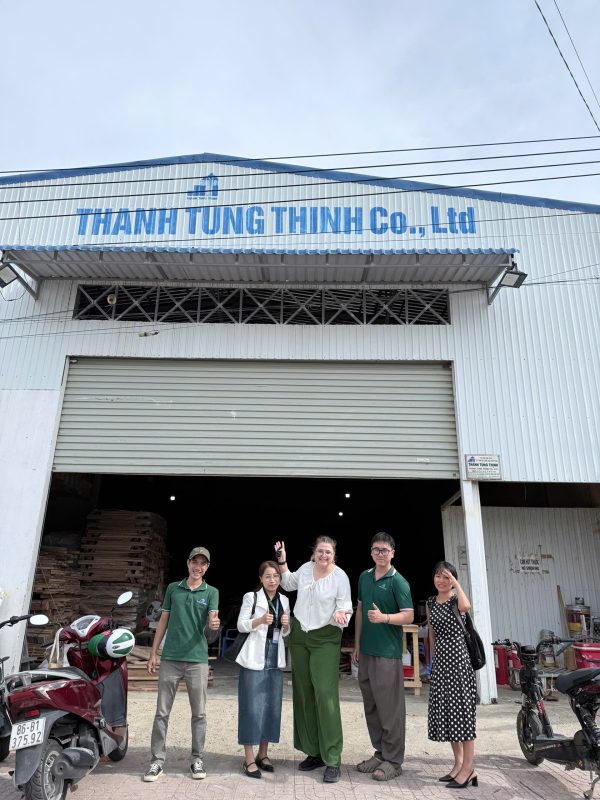
Rather than switching factories frequently, cultivate strategic partnerships that allow both sides to forecast demand, plan raw materials, and stabilize costs. Long-term relationships with trusted suppliers often lead to better pricing, faster lead times, and customized service.
5.3 Diversify sourcing within sustainable species
To manage volatility in wood pricing, buyers can diversify product lines across multiple species—such as acacia, teak, and rubberwood—while maintaining consistent quality through the same supplier network. This reduces dependency on a single material source.
5.4 Leverage sustainability as a branding advantage
Sustainability has evolved from a “bonus” into a key differentiator in the houseware market. Buyers can highlight certified sourcing, eco-friendly coatings, and ethical manufacturing in their brand storytelling—translating compliance into commercial value.
5.5 Balance cost efficiency with product innovation
While price competitiveness remains essential, buyers should seek innovation through design, finishing, and packaging. Suppliers offering R&D support, CNC precision cutting, and modern finishing lines enable importers to refresh product ranges without heavy redesign costs.
6. Industry Outlook: Future Trends and Opportunities
While the wooden kitchenware industry faces undeniable challenges, it also stands at the forefront of one of the most promising movements in global manufacturing — the shift toward sustainability, minimalism, and natural materials.
6.1 The rise of eco-conscious consumerism
Consumers across North America, Europe, and the Asia-Pacific are increasingly rejecting synthetic materials and single-use plastics. Reports show a steady rise in the eco-friendly kitchenware segment, where wooden, bamboo, and reclaimed-wood items are leading categories.
Retailers and importers are responding by expanding their “green product lines” and partnering with certified manufacturers who can demonstrate environmental and ethical responsibility.
This trend not only supports the environment but also offers strong commercial benefits — sustainable wooden houseware products command premium pricing, longer shelf life, and greater customer loyalty.
6.2 Technological integration in traditional manufacturing
Modern woodworking factories are blending craftsmanship with technology. CNC machining, laser engraving, and automated sanding systems allow for precise, scalable production while maintaining natural beauty.
This shift enables manufacturers to meet large-volume OEM/ODM demands with shorter lead times, stable quality, and reduced waste — an essential advantage in the post-pandemic era of efficiency and sustainability.

6.3 Regulatory acceleration toward green compliance
Government regulations are increasingly shaping the direction of the houseware industry. The EU’s Deforestation Regulation (EUDR) and the U.S. Lacey Act, for instance, require importers to prove that their wood products come from legal and sustainable sources.
Such policies will likely eliminate non-compliant suppliers, strengthening the position of certified manufacturers and giving importers who source responsibly a significant competitive advantage.
6.4 Opportunities in design and cross-category innovation
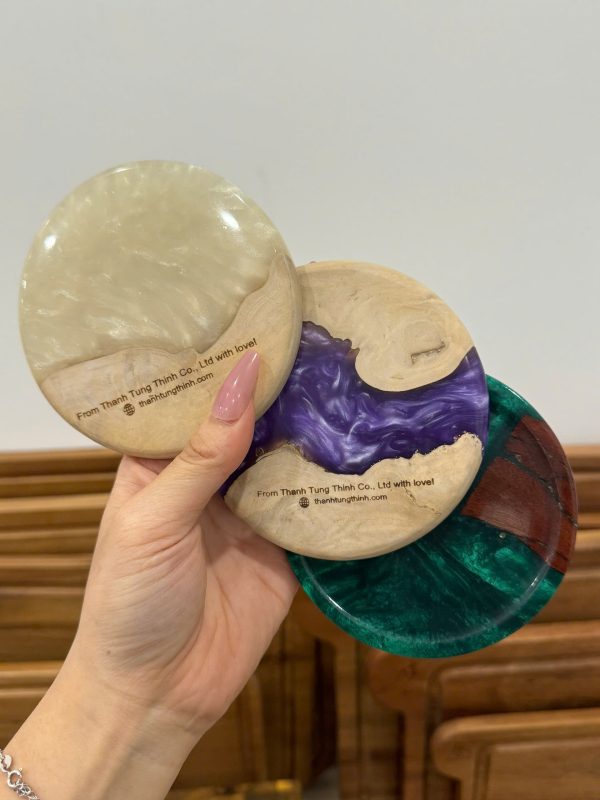
Beyond utensils and cutting boards, the market is expanding into hybrid product categories — from epoxy-wood home décor to multi-functional trays and storage boxes.
This evolution reflects how global buyers are moving toward aesthetic utility: products that serve daily function yet double as decorative or gift-worthy items.
Suppliers who combine eco-friendly production with creative product development will be the ones leading the next decade of the wooden houseware market.
Read: “The Future of Wood Processing Technology in Global Manufacturing”
Conclusion
The wooden kitchenware industry, though challenged by global economic shifts, remains full of opportunity for businesses that adapt with foresight and responsibility.
Manufacturers who combine experience, international certification, sustainable sourcing, and flexible customization are now setting the benchmark for excellence—and helping their global partners stay competitive.
For importers and B2B buyers seeking a dependable foundation in this dynamic sector, choosing such a supplier means more than securing a product line—it means building a sustainable, trustworthy partnership that can endure through any economic climate.
Final Takeaway
Despite the turbulence of global trade and raw material markets, the wooden kitchenware industry continues to stand out as one of the most resilient and sustainable sectors in the homeware ecosystem.
The brands and importers that will thrive in the coming years are those who prioritize ethical sourcing, certified partnerships, and authentic craftsmanship.
Working with a manufacturer who combines traditional woodworking expertise with modern production capabilities is the safest path to long-term growth.
With strong experience, internationally recognized certifications, and a deep commitment to sustainability, Vietnam’s leading wooden kitchenware manufacturers are proving that quality and conscience can coexist — delivering products that not only meet global standards but also embody the natural spirit of wood itself.
For international buyers seeking a dependable, flexible, and transparent supplier of eco-friendly wooden kitchenware, now is the time to invest in partnerships that share your values and vision for a sustainable future.

