


Table of Contents
1. What is BSCI Certification?
The Business Social Compliance Initiative (BSCI certification) is an international system developed by amfori, a leading global trade association, to improve working conditions in supply chains worldwide. Instead of being a single “certificate,” BSCI provides a framework and code of conduct that companies and their suppliers must follow, covering labor rights, fair wages, health and safety, and environmental protection. By adopting BSCI, businesses demonstrate to global buyers that they are committed to ethical sourcing, social responsibility, and sustainable trade practices.

2. Introduction
In today’s global marketplace, responsible sourcing is no longer just a trend — it has become a requirement. Consumers, governments, and international retailers are demanding greater transparency in supply chains, with a strong focus on ethical labor practices and sustainability. A recent survey revealed that over 80% of European retailers now require social compliance standards from their suppliers, and the figure is steadily increasing across North America and Asia.
For manufacturers and exporters, ignoring these requirements can be costly. Companies that fail to meet recognized social compliance standards risk losing access to lucrative markets, facing contract cancellations, legal complications, or even lasting reputational damage. In contrast, businesses that embrace responsible practices not only strengthen trust with buyers but also secure long-term growth in an increasingly competitive landscape.

One of the most widely adopted frameworks for social compliance is the BSCI — Business Social Compliance Initiative. Established by amfori, an international business association based in Brussels, BSCI provides a structured system to ensure ethical working conditions throughout global supply chains. It has quickly become a benchmark for companies aiming to prove their commitment to fair labor, worker safety, and environmental responsibility.
This article will serve as a complete guide to BSCI certification: what it is, its core principles, why it matters in international trade, the audit process, benefits for businesses and workers, how it compares with other certifications, and practical steps to achieve compliance.
3. The Core Principles of BSCI
At the heart of the Business Social Compliance Initiative lies the BSCI Code of Conduct, a set of principles that guide companies toward ethical and socially responsible practices. These principles are aligned with international conventions such as the International Labour Organization (ILO), the United Nations (UN), and the Organisation for Economic Co-operation and Development (OECD). Together, they form a framework that suppliers must follow in order to gain and maintain BSCI recognition.

The 11 Core Principles
- Freedom of Association and Collective Bargaining
Workers must be free to join trade unions, form associations, and engage in collective bargaining without fear of retaliation. For example, a factory must allow employees to elect worker representatives. - Fair Remuneration
Wages should meet legal minimums or industry benchmarks and be enough to provide a decent standard of living. A company paying just the minimum wage in a low-income region may still be required to improve pay if local costs of living demand it. - Occupational Health and Safety
Employers must provide a safe workplace, including protective equipment, emergency exits, and regular safety training. For instance, a woodworking factory must supply goggles and dust masks to employees. - No Child Labor
Workers must be at least the minimum legal working age, verified through official ID documents. Hiring underage workers is strictly prohibited. - Protection of Young Workers
Employees under 18 should not be exposed to hazardous tasks or night shifts. - No Forced or Bonded Labor
Workers must be employed voluntarily. Practices such as withholding passports or restricting freedom of movement are violations. - Ethical Business Behavior
Bribery, corruption, and exploitation are strictly forbidden. Business relationships should be transparent and fair. - Decent Working Hours
Overtime must comply with local laws and international standards. Excessive working hours beyond 60 per week, for instance, are considered non-compliant. - No Discrimination
Employees must not face discrimination based on gender, religion, ethnicity, disability, or political views. Equal opportunities must be ensured in hiring and promotions. - Environmental Protection
Companies should actively minimize their environmental footprint by reducing waste, emissions, and hazardous materials. - Special Protection for Vulnerable Groups
Migrant workers, pregnant women, and people with disabilities must receive additional protections to ensure equal treatment and safety.
Why It Matters
By adhering to these principles, businesses not only meet international buyers’ expectations but also create a more stable, motivated, and productive workforce. Compliance is more than a checklist—it represents a company’s commitment to ethical values and sustainable growth.
Read more: “amfori BSCI Code of Conduct”
4. Why BSCI Matters in Global Trade
In the past, businesses could often rely on low production costs as their main competitive advantage. Today, however, global trade is shaped by new consumer expectations, stricter regulations, and brand accountability. Buyers in Europe, North America, and Asia are no longer satisfied with low prices alone — they demand proof that products are made under fair, safe, and sustainable conditions.
A Requirement from Global Buyers
Major retailers such as H&M, Lidl, Carrefour, and Aldi already require their suppliers to comply with BSCI standards. For companies in industries such as textiles, footwear, wooden furniture, and household goods, having a valid BSCI audit is often a prerequisite to entering international markets. Without it, many suppliers risk being excluded from high-value distribution networks.
Building Consumer Trust
Modern consumers care about how products are made. A survey by Nielsen showed that 66% of global shoppers are willing to pay more for sustainable and socially responsible brands. BSCI certification helps companies prove that they respect workers’ rights and environmental protection, strengthening brand credibility and consumer loyalty.
Reducing Risk for Businesses
Supply chain scandals — such as child labor exposure, unsafe factory conditions, or exploitation of migrant workers — can cause irreparable harm to a company’s reputation. By complying with BSCI, businesses reduce the risk of legal penalties, product recalls, or boycotts. The certification provides a structured framework for monitoring suppliers, addressing non-compliance, and continuously improving operations.
Staying Competitive in a Global Economy
In a highly competitive market, where buyers can easily choose between thousands of suppliers, social compliance becomes a key differentiator. BSCI-certified companies are viewed as more reliable, ethical, and future-ready, making them the preferred partners for international trade.
5. The Benefits of BSCI Certification for Businesses
While achieving BSCI certification requires effort, training, and investment, the long-term benefits far outweigh the initial challenges. The initiative not only strengthens compliance but also helps companies secure sustainable growth in international markets.

For Manufacturers and Exporters
- Market Access: Many European and U.S. retailers will only work with BSCI-certified suppliers. By completing the audit, manufacturers unlock opportunities to supply global chains, especially in industries like textiles, toys, wooden kitchenware, and home décor.
- Long-Term Partnerships: Certification builds trust. Buyers prefer to invest in long-term relationships with suppliers who demonstrate social responsibility and reliability.
- Operational Improvements: Following BSCI standards often results in better workplace efficiency. Safer working environments reduce accidents, and fairer wages lower staff turnover — ultimately cutting hidden costs for the factory.
Example: A wooden furniture manufacturer in Vietnam gained BSCI recognition and, as a result, secured contracts with several European distributors, increasing exports by 40% within two years.
For Retailers and Importers
- Risk Mitigation: Partnering with BSCI-certified suppliers reduces the risk of scandals, lawsuits, and public backlash.
- Brand Value: Consumers increasingly demand ethical products. Working with compliant suppliers strengthens a retailer’s brand image as a socially responsible company.
- Supply Chain Transparency: BSCI provides structured monitoring and reporting, which helps buyers prove compliance during audits or government inspections.
For Workers
- Improved Working Conditions: Workers gain safer workplaces, access to protective equipment, and training in health and safety.
- Fair Wages and Rights: Employees benefit from stronger labor protections, non-discrimination policies, and regulated working hours.
- Job Satisfaction and Productivity: A healthier, more motivated workforce leads to higher quality production and long-term stability.
A Win-Win for All

Ultimately, BSCI certification creates a win-win situation. Manufacturers gain access to new markets, retailers reduce risks and enhance brand trust, and workers enjoy better protection and dignity. This alignment of benefits explains why BSCI is now a cornerstone of responsible global trade.
Find out: “Who is Thanh Tung Thinh – Why choose us”
6. The BSCI Audit Process Explained
Achieving BSCI certification is not just about ticking boxes — it is a structured, continuous improvement process. Every supplier that wishes to comply must undergo an independent audit conducted by accredited organizations such as SGS, TÜV, Intertek, or Bureau Veritas. The audit evaluates how well a company aligns with the BSCI Code of Conduct and identifies areas for improvement.
Step 1: Registration and Preparation
The process begins when a company registers with the amfori BSCI or is requested by a buyer to join the program. At this stage, the company reviews its policies, internal procedures, and employee records. Many businesses conduct a self-assessment before scheduling the official audit.
Step 2: On-Site Audit
A third-party auditor visits the factory or production site to conduct interviews with workers, review documents, and inspect facilities. This includes examining wage slips, working hours, safety equipment, contracts, and environmental practices. Worker interviews are confidential to ensure accurate reporting.
Step 3: Audit Grading
The BSCI audit uses a grading system from A to E:
- A & B: Good to very good compliance.
- C: Acceptable but improvements needed.
- D: Insufficient compliance.
- E: Unacceptable conditions.
Grades below C typically require immediate corrective actions.
Step 4: Corrective Action Plan (CAP)
If non-compliance is found, the company must prepare a Corrective Action Plan with deadlines for improvement. For example, if excessive overtime is discovered, the factory must adjust schedules and provide records showing compliance.
Step 5: Follow-Up and Continuous Improvement
Depending on the audit grade, a follow-up audit may be scheduled within 6–12 months. Importantly, BSCI is not a one-time certificate — it is a cycle of ongoing monitoring, reporting, and improvement.
Audit Types
- Announced audits: Scheduled in advance.
- Semi-announced audits: Limited prior notice.
- Unannounced audits: No prior notice, ensuring authenticity.
Timeline and Costs
The entire process typically takes 3–6 months of preparation before the first audit. Costs vary based on company size, location, and auditor, but many businesses see this as a strategic investment for securing long-term export opportunities.
7. BSCI vs Other Certifications
While BSCI is one of the most recognized frameworks for social compliance, it is not the only standard in the global market. Many buyers require suppliers to adopt multiple certifications, as each one focuses on different aspects of sustainability and responsibility. Understanding how BSCI compares to other initiatives helps companies position themselves more effectively.
BSCI vs FSC (Forest Stewardship Council)
- BSCI: Focuses on working conditions, labor rights, and social responsibility across supply chains.
- FSC: Concentrates on sustainable forest management and the legality of wood sourcing.
- Key difference: BSCI ensures fair treatment of workers, while FSC guarantees that raw materials (e.g., timber) come from responsibly managed forests. Many wooden product exporters hold both to cover social and environmental aspects.
BSCI vs SA8000 (Social Accountability International)
- BSCI: Provides a framework and monitoring system that companies join through membership with amfori.
- SA8000: A standalone certifiable standard based on ILO conventions and UN human rights declarations.
- Key difference: SA8000 is a strict certification standard, whereas BSCI functions more as a network initiative with continuous improvement audits.
BSCI vs ISO Standards
- ISO 45001: Focuses on occupational health and safety.
- ISO 14001: Targets environmental management systems.
- BSCI: Covers a wider social compliance scope — wages, working hours, discrimination, child labor, etc.
- Key difference: ISO certifications are management system standards, while BSCI is an auditing and improvement initiative designed for global trade supply chains.
The Bottom Line
BSCI complements, rather than replaces, other certifications. A supplier that combines BSCI with FSC, SA8000, or ISO demonstrates both ethical labor practices and environmental sustainability — a combination increasingly demanded by global buyers.
8. Case Studies & Industry Applications
BSCI certification is not limited to one sector—it spans across industries where global supply chains and labor-intensive production dominate. From textiles to wooden kitchenware, the framework has helped companies prove compliance, open new markets, and build sustainable reputations.
Textile Industry – Bangladesh

Bangladesh is one of the world’s largest garment exporters, but the industry has faced global criticism for unsafe working conditions. After several factories adopted BSCI standards, improvements in fire safety, wage transparency, and worker representation allowed them to regain contracts with major European brands. These changes not only enhanced international trust but also reduced worker turnover rates.
Wooden Kitchenware – Vietnam

A mid-sized wooden kitchenware manufacturer in Vietnam sought access to the European market. By undergoing a BSCI audit, the factory implemented stricter safety rules, introduced proper wage structures, and reduced weekly working hours to international standards. Within one year, the company secured long-term supply agreements with German and French retailers, increasing exports by 40%.
Footwear Industry – China
A footwear supplier in China faced buyer concerns over excessive overtime. After aligning with BSCI, the factory reorganized production schedules, introduced digital time tracking, and set clear policies on rest periods. The improvements led to a BSCI grade B audit score, which reassured international buyers and helped maintain key partnerships.

The Broader Impact
These case studies highlight that BSCI is not just about compliance; it is a strategic tool for competitiveness. Across industries, certification has allowed companies to strengthen buyer confidence, secure higher-value contracts, and demonstrate their role as responsible global suppliers.
9. Challenges and Criticisms of BSCI
Although BSCI certification has become a global benchmark for social compliance, the system is not free from challenges. Both suppliers and buyers must recognize these limitations to use the framework effectively.
Financial and Resource Burden
For small and medium-sized enterprises (SMEs), preparing for a BSCI audit can be expensive. Costs include auditor fees, staff training, and facility upgrades. For manufacturers in developing countries, these requirements may feel overwhelming, especially when profit margins are already thin.
Audit Inconsistency
Because BSCI audits are conducted by multiple third-party agencies, differences in interpretation can occur. A factory audited by one agency may receive a different score than if audited by another. This inconsistency sometimes creates confusion or frustration among suppliers.
Implementation Gaps
Some critics argue that companies treat BSCI as a “checklist exercise” rather than a long-term cultural change. Passing the audit once is not enough; continuous improvement is essential. Without genuine commitment, compliance can remain superficial.
Transparency Concerns
While BSCI aims to increase transparency, the audit results are not always fully visible to consumers. Buyers may access reports, but the end customer rarely sees the certification details, raising questions about accountability.
The Way Forward
Despite these criticisms, BSCI emphasizes continuous improvement rather than punishment. Companies that embrace it not only achieve compliance but also develop stronger systems for fair labor practices and sustainable growth. Ultimately, its value depends on how seriously businesses commit to making real, lasting change.
10. How to Get Started with BSCI Certification
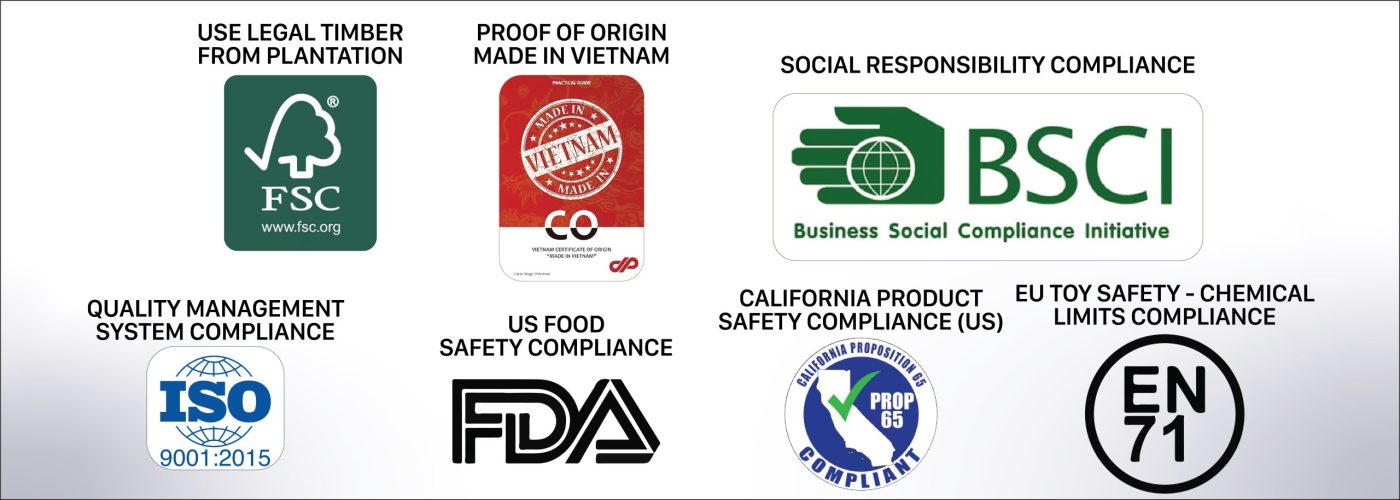
For businesses aiming to expand into global markets, especially Europe and North America, beginning the journey toward BSCI certification is both a strategic investment and a compliance necessity. While the process may appear complex, companies can succeed by following a structured roadmap.
1. Understand the Requirements
Start by reviewing the BSCI Code of Conduct and identifying which areas apply most to your operations — from working hours to health and safety. This helps set realistic goals and avoid surprises during the audit.
2. Assign Responsibility
Appoint a compliance manager or team responsible for coordinating the certification process. This person should oversee policy updates, employee training, and communication with auditors.
3. Train and Prepare Staff
Workers and supervisors should be trained on labor rights, wage structures, health and safety, and grievance mechanisms. A strong culture of compliance is just as important as documented policies.
4. Conduct a Self-Assessment
Before requesting an official audit, many businesses perform an internal review to identify gaps. Issues like excessive overtime, incomplete wage records, or lack of protective equipment should be corrected in advance.
5. Contact Accredited Auditors
Partner with recognized third-party audit firms (such as SGS, TÜV, Intertek, or Bureau Veritas). They will conduct the official BSCI audit and assign a grade.
6. Commit to Continuous Improvement
Certification is not a one-time event. Companies should monitor progress, implement corrective actions, and maintain compliance to secure long-term partnerships with buyers.
Read more: “How to get BSCI Certification”
11. Conclusion
In an era where ethical sourcing and sustainable trade define business success, BSCI certification has emerged as a vital standard for global suppliers. More than just an audit, it represents a structured system for improving working conditions, protecting labor rights, and ensuring responsible business practices across international supply chains.
For manufacturers and exporters, BSCI opens the door to high-value markets and long-term buyer relationships. For retailers, it reduces risk, enhances transparency, and strengthens brand reputation. And for workers, it delivers safer workplaces, fairer wages, and stronger protections. In short, BSCI creates a win-win scenario for businesses, employees, and consumers alike.
Yes, achieving certification requires investment, training, and cultural change, but the benefits far outweigh the costs. Companies that commit to compliance not only meet today’s buyer expectations but also future-proof their operations against evolving regulations and consumer demands.
If your business is aiming to expand globally, the next step is clear: start your journey with BSCI today. Partner with accredited auditors, build a culture of social responsibility, and demonstrate to the world that your company is ready to lead in ethical and sustainable trade.

