


Table of Contents
Dinnerware is more than just functional tableware — it’s a reflection of culture, craftsmanship, and culinary evolution. From the humble clay bowls of ancient civilizations to today’s sleek, minimalist plates, dinnerware tells a compelling story about how we’ve gathered, dined, and celebrated across the centuries. In this blog, we take a journey through time to explore how dinnerware has evolved from utility to art.
Introduction – More Than Just Plates and Bowls

When you think of dinnerware, images of plates, bowls, cups, and serving platters likely come to mind. But behind these everyday items lies a deep and fascinating history that spans continents, empires, and millennia. The term “dinnerware” broadly refers to the items used for setting a dining table, serving food, and enjoying meals — whether at a royal feast or a family dinner.
Why should we care about the history of dinnerware? Because these objects reveal how human habits, materials, social structures, and artistic sensibilities have transformed over time. As lifestyles shifted, so did the shape, material, and significance of the objects we use to dine. From sacred rituals in ancient temples to industrial mass production in the 19th century, dinnerware has continuously evolved to reflect changes in society and technology.
In this article, we’ll explore the remarkable journey of dinnerware — starting from its clay beginnings in ancient Mesopotamia, moving through the porcelain obsession of the Renaissance, and arriving at today’s modern dining aesthetics. Whether you’re a tableware collector, a retail buyer, or simply someone who enjoys a good meal, this history will deepen your appreciation for the plates and bowls in front of you.
Ancient Origins of Dinnerware
Long before porcelain and polished silver, early civilizations crafted their dinnerware from clay, stone, and metal. These early utensils and vessels weren’t just practical — they often carried spiritual, cultural, and social significance. Understanding the roots of dinnerware gives us a glimpse into how humanity’s relationship with food and ritual began.
Early Pottery and Ceramics in Ancient Civilizations
The oldest known tableware dates back over 10,000 years, to the Neolithic period, when humans began settling into agricultural communities. In Mesopotamia, Egypt, and the Indus Valley, people molded clay by hand to create bowls and pots, then fired them in primitive kilns. These were the earliest forms of ceramic dinnerware — durable, reusable, and a huge leap from eating with hands or using leaves and shells.
In ancient China, by 4000 BCE, artisans developed more refined ceramics using high-temperature kilns. These early pieces were often undecorated but already showed a mastery of form and function. By the Shang dynasty (1600–1046 BCE), Chinese potters had begun creating elaborately painted and glazed pottery for aristocrats, setting the stage for the world’s fascination with Chinese porcelain centuries later.
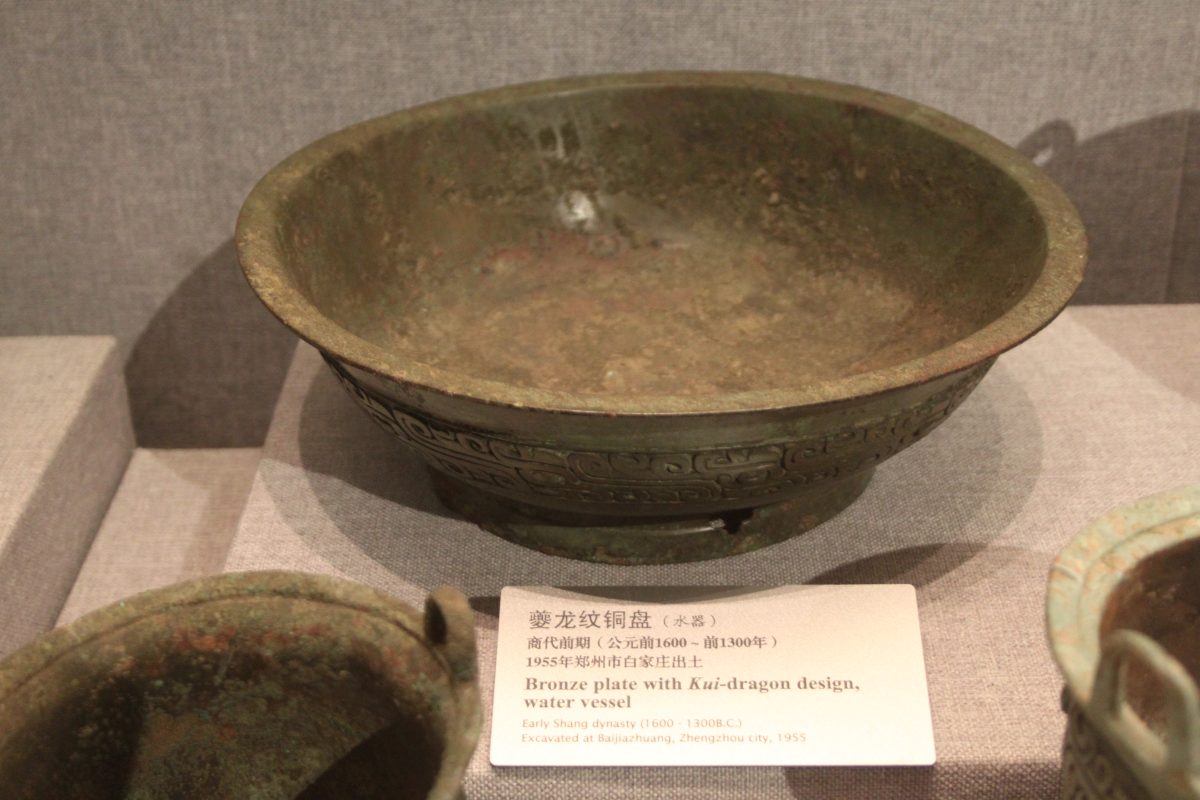
Greek and Roman Influence on Tableware
The Greeks and Romans elevated dinnerware from utilitarian to decorative. Greeks introduced black-figure and red-figure pottery, which combined storytelling and dinnerware into one. Vases, amphorae, and bowls were adorned with scenes from mythology, daily life, and heroic epics — making them both tools and artistic expression.
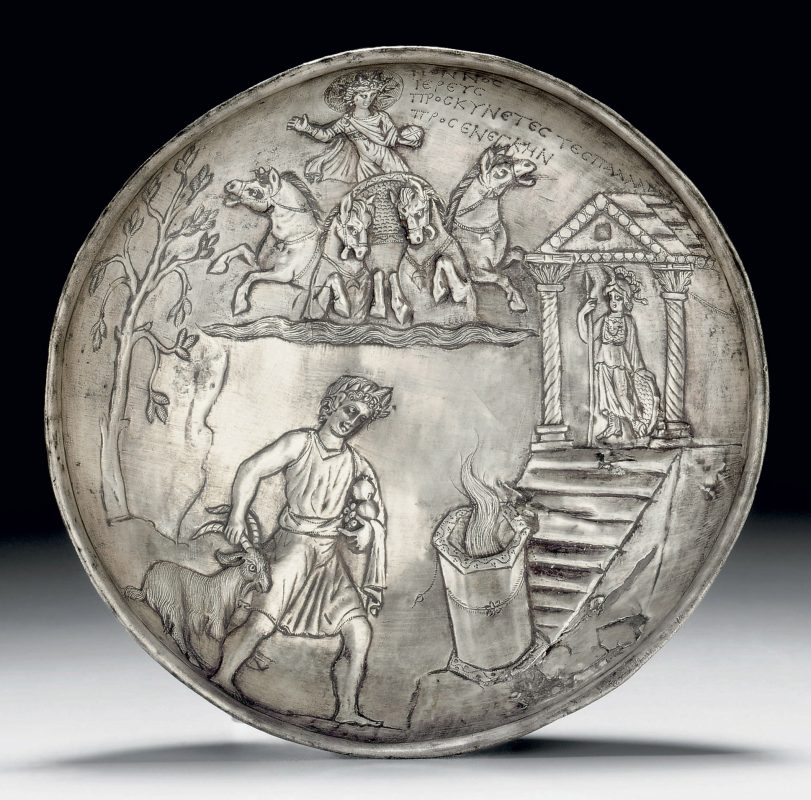
The Romans, influenced by both Greek aesthetics and their own engineering prowess, expanded dinnerware use across social classes. They used a wide range of materials: terra cotta, bronze, glass, and even silver. Dinnerware was a status symbol, especially during elaborate feasts (conviviums), where ornate plates and serving vessels reflected the host’s wealth and prestige.
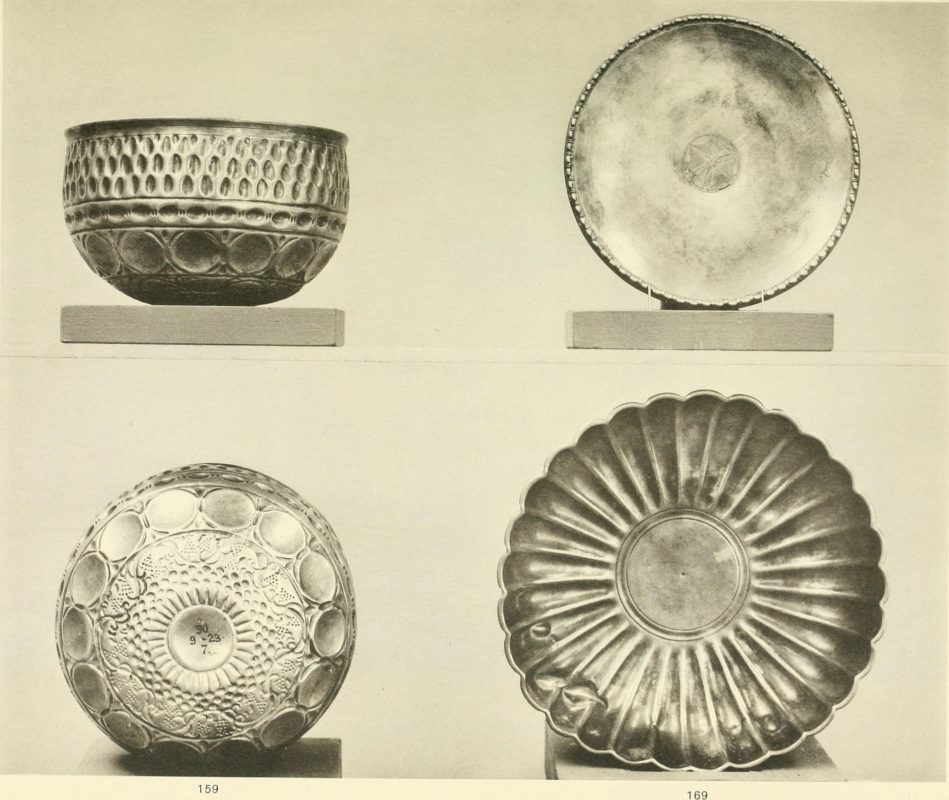
Roman innovations such as mass-produced pottery (terra sigillata) meant even the working class had access to standardized, attractive dinnerware — a shift toward democratization of tableware that foreshadowed later industrial revolutions.
Cultural Significance of Early Dinnerware
In ancient times, dinnerware wasn’t just for eating — it often played roles in rituals, funerals, and religious offerings. For instance:
- In Egypt, bowls were placed in tombs to serve the deceased in the afterlife.
- In China, ancestral offerings were placed in elaborately painted vessels.
- In Rome, libation bowls were used in ceremonial sacrifices.
This deeply symbolic role of dinnerware laid the foundation for the aesthetics and reverence we still see in formal dining traditions today.
Summary of Key Evolutions in Ancient Dinnerware:
| Period | Material | Notable Features | Region |
|---|---|---|---|
| Neolithic | Clay | Hand-formed, basic firing | Global (Mesopotamia, Egypt, China) |
| Classical Greece | Ceramics | Painted scenes, amphorae | Greece |
| Roman Empire | Terra cotta, metal, glass | Mass production, ornate design | Europe & Mediterranean |
| Ancient China | Porcelain prototypes | High-fired ceramics, ritual use | China |
Read more: “Top 5 Wooden Dinnerware Wholesale Products for Global Buyers”
Medieval to Renaissance Shifts in European Dinnerware
As Europe transitioned from the ancient world into the Middle Ages and Renaissance, dinnerware underwent dramatic transformations in both form and social meaning. While earlier periods emphasized durability and ritual, this era saw the rise of feasting culture, social hierarchy through tableware, and a growing obsession with porcelain imports and craftsmanship.
From Wooden Trenchers to Pewter Plates
During the Medieval period (5th to 15th century), the dining habits of Europe were simple, especially among the lower classes. Instead of plates, people used trenchers — flat, round slabs made of wood or day-old bread, used to hold food and then discarded (or eaten by the poor or servants afterward). Bowls were carved from wood, and spoons were often the only utensils used, with hands doing much of the work.
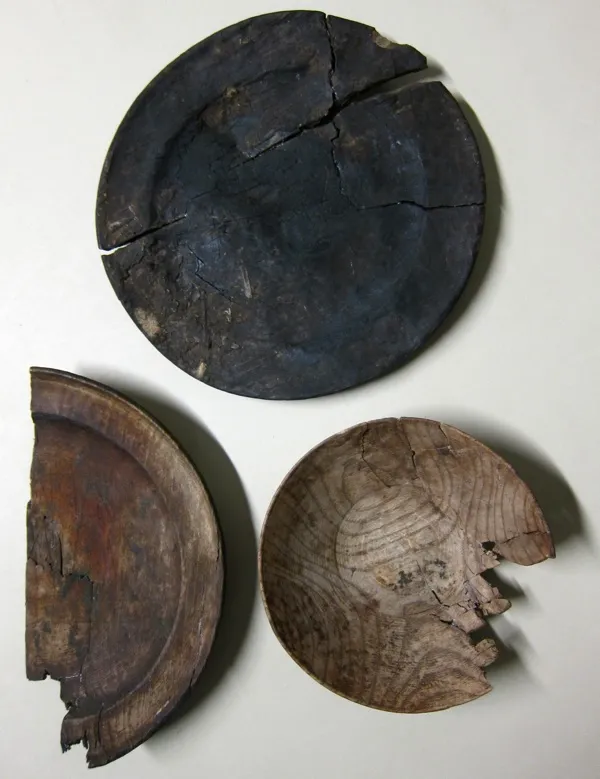
By the 13th to 14th centuries, pewter plates became more common among the wealthier classes. Pewter, an alloy of tin, had a smooth finish and could be molded into more elegant shapes than wood. This marked one of the earliest transitions toward dinnerware as a symbol of status — those who dined with metal rather than wood were clearly of higher social standing.
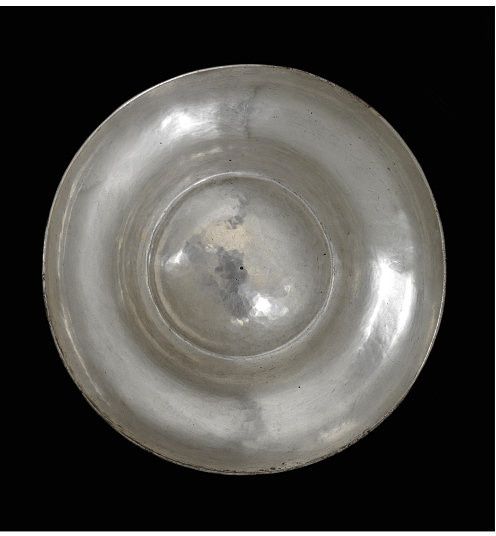
Despite its advantages, pewter had downsides: it was expensive and often contained lead, posing health risks. Still, it remained a dominant tableware material in Europe for centuries.
Feasting Culture and Table Settings
The late medieval and early Renaissance periods (14th–16th centuries) introduced elaborate banquets and feasts, especially in royal courts and noble estates. Tableware expanded to include multiple courses, requiring:
- Separate dishes, goblets, and cutlery
- Shared platters passed between guests
- Richly embroidered tablecloths and serving vessels

The dinner table became a stage for power, diplomacy, and hospitality. The ability to host a feast with refined tableware signaled not just wealth, but education and cultural sophistication.
The Rise of Porcelain in the East and West
Perhaps the most revolutionary shift in dinnerware came with porcelain — first developed during the Tang dynasty (618–907 CE) and reaching perfection in the Song and Ming dynasties in China. Chinese porcelain was incredibly durable, lightweight, and luminous — a stark contrast to Europe’s coarse ceramics and metals.
By the 15th and 16th centuries, porcelain became one of the most sought-after luxury imports in Europe. Nobility across France, Italy, and England competed to acquire Chinese dinnerware, which was transported via the Silk Road and, later, maritime trade routes.
In response to this demand, Europe began experimenting with its own porcelain production. The breakthrough came in the early 1700s with the Meissen factory in Germany, the first successful European porcelain manufacturer. This kicked off a new era of ceramic artistry, including:
- Floral-patterned plates in England
- Rococo styles in France
- Faience and majolica in Italy and Spain
Dinnerware as Art and Identity
By the end of the Renaissance, dinnerware was no longer just a serving tool — it was a canvas for art, a diplomatic gift, and a marker of identity. The wealthy commissioned custom sets adorned with family crests, mythological scenes, or religious symbols. In royal courts, matching dinnerware sets became part of protocol and prestige.
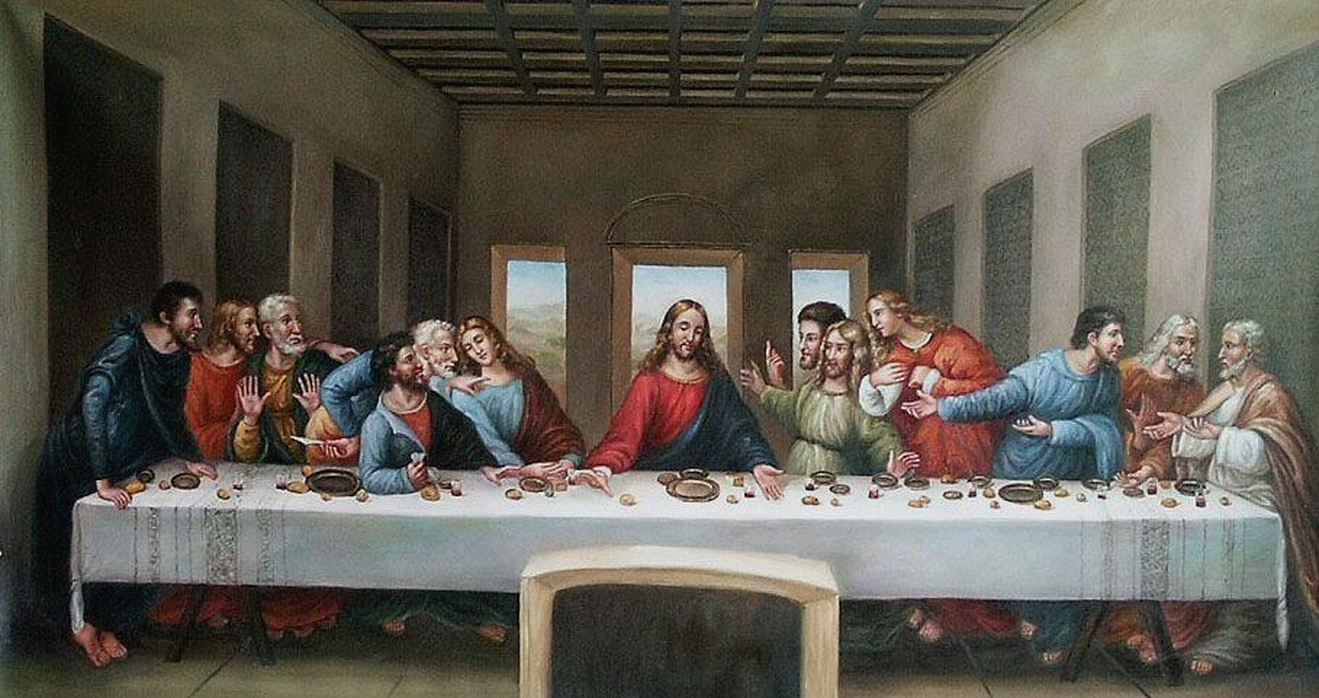
This period laid the foundation for modern notions of dinnerware design, collection, and curation, transforming eating into a full sensory and cultural experience.
20th Century to Now: Modern Dinnerware on the Table
The 20th century marked a significant turning point in the history of dinnerware. Technological advancement, changing lifestyles, and evolving aesthetics reshaped how we dine, what materials we prefer, and how dinnerware is used in everyday life. No longer reserved for formal occasions or wealthy households, dinnerware became both a practical necessity and a personal design choice — a reflection of lifestyle, values, and modern identity.

Introduction of New Materials
Throughout history, ceramics and porcelain dominated the dinnerware world. But the 20th century introduced a broader range of materials that reflected the era’s innovation and desire for convenience:
- Melamine: Introduced in the 1940s, melamine resin offered a lightweight, shatterproof option perfect for casual or outdoor dining. It gained popularity in the mid-century modern movement for its bold colors and retro patterns.
- Glass and Pyrex: Heat-resistant and transparent, glass dinnerware became more common in the 1950s–70s. Clear glassware allowed visual presentation of food to become part of the experience.
- Plastic and Acrylic: Especially popular during the 1970s–80s for casual and children’s dining. These materials were easy to mass-produce, affordable, and dishwasher-safe.
- Stainless Steel and Metalware: While rarely used for plates, stainless steel became common for serving dishes, cutlery, and minimalist dining aesthetics, particularly in urban or industrial settings.
- Eco-Friendly Materials (21st Century): Responding to sustainability demands, modern brands now offer bamboo fiber, recycled glass, or biodegradable dinnerware alternatives.
This diversity in materials allowed dinnerware to adapt to lifestyle trends — from luxury formal dining to fast-paced family meals or outdoor picnics.
Design Evolution in Modern Dinnerware
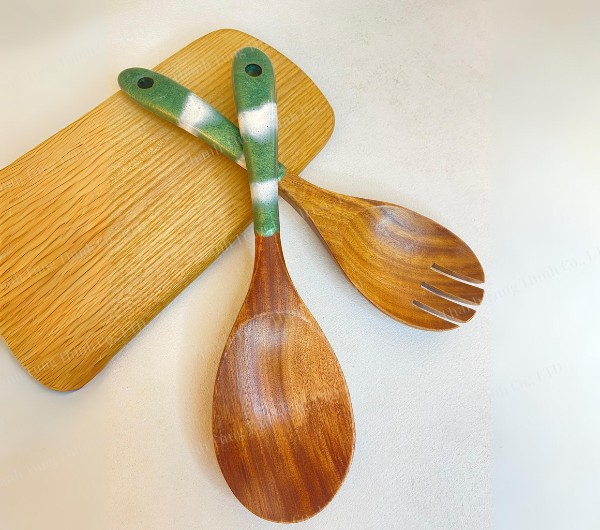
The 20th and 21st centuries witnessed a surge in design experimentation. Dinnerware moved beyond tradition to embrace personal expression:
- Mid-Century Modern (1950s–60s): Clean lines, atomic patterns, and pastel tones reflected optimism and simplicity. Brands like Fiesta, Russel Wright, and Denby flourished.
- Minimalism (1990s–now): Inspired by Japanese and Scandinavian aesthetics, minimalism favors muted tones, matte textures, and simple shapes. Perfect for open-concept living and understated elegance.
- Mix-and-Match Styles: Instead of formal matching sets, modern households embrace eclectic combinations — different plates for each guest or curated patterns that feel more personal and dynamic.
- Rustic and Handcrafted Revival: There’s a growing appreciation for artisan-made, hand-thrown ceramics, especially with the rise of slow living and farmhouse-inspired interiors.
- Color Psychology and Plate Design: Today’s dinnerware designers even study how plate color, shape, and edge depth affect portion size and taste perception — blending psychology with form.
Dinnerware for Everyday and Special Occasions
In modern times, many homes have two sets of dinnerware:
- Everyday sets: Durable, dishwasher-safe, and practical. Often made of stoneware, melamine, or tempered glass.
- Formal sets: Reserved for guests or holidays, usually porcelain or bone china with delicate designs.
Restaurants, hotels, and caterers also invest heavily in presentation-friendly dinnerware. With the rise of food photography and social media, plating has become an art — and the dish is as much part of the composition as the food.
Technology and Customization in Processing
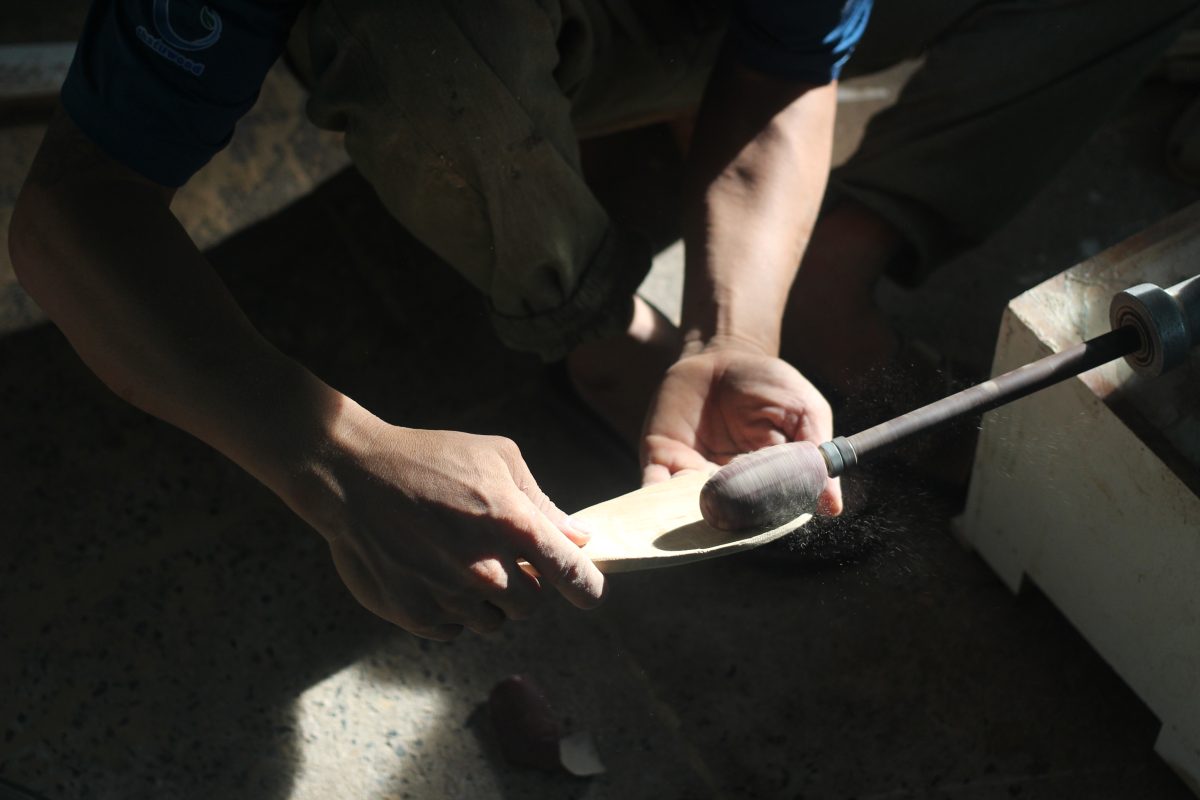
Digital printing and laser engraving have transformed how brands produce dinnerware. Now it’s possible to:
- Customize plates with logos, names, or art
- Order small batches for events or business branding
- Experiment with unconventional shapes and limited-edition designs
For hospitality businesses, this means every table setting can reinforce their brand identity. For consumers, it means dinnerware can be as unique as their lifestyle.
Modern Dinnerware Reflects Global Fusion
With globalization, today’s dinner tables often reflect multiple cultures:
- Sushi on minimalist Japanese plates
- Pasta served in rustic Italian-style bowls
- Tapas on small Mediterranean platters
The boundaries between form, function, and culture have blurred — and that’s what makes modern dinnerware exciting.
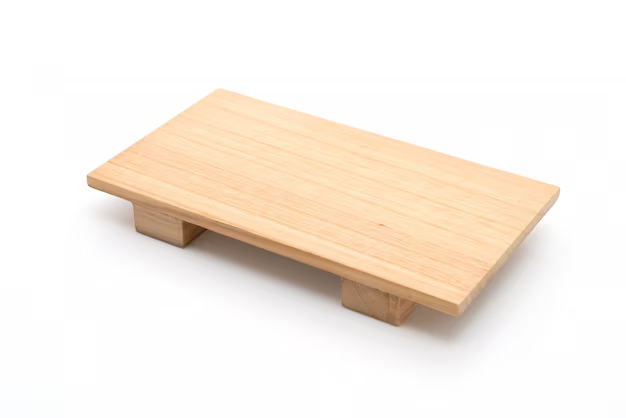
Globalization and Cultural Influences on Kitchen Utensils Trends
The era of globalization has transformed dinnerware from region-specific traditions into a dynamic global marketplace of design, function, and identity. In today’s interconnected world, dinnerware reflects not only the diversity of global cuisine but also the cross-pollination of aesthetics, materials, and cultural rituals. Whether it’s a Scandinavian-inspired plate made in Vietnam or Japanese-style ceramics sold in France, dinnerware today is as international as the meals we eat on it.
International Trade and the Rise of Global Brands
From the 20th century onward, increased global trade allowed dinnerware manufacturers to:
- Source materials from different continents
- Outsource production to countries with skilled labor or cost efficiencies
- Distribute their products worldwide through retail, wholesale, and e-commerce
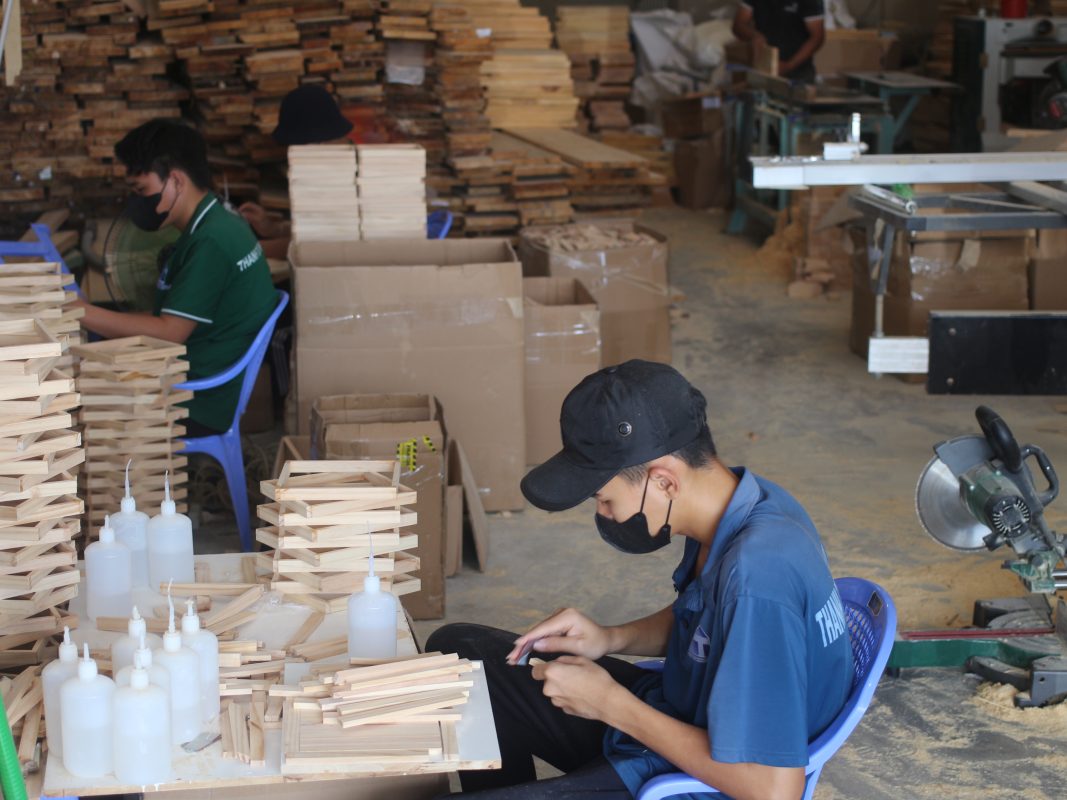
Brands like Noritake (Japan), Villeroy & Boch (Germany), Corelle (USA), and Lenox became household names across multiple countries. Meanwhile, Vietnam, China, India, and Portugal emerged as major global exporters — manufacturing both traditional and modern designs for large-scale distribution.
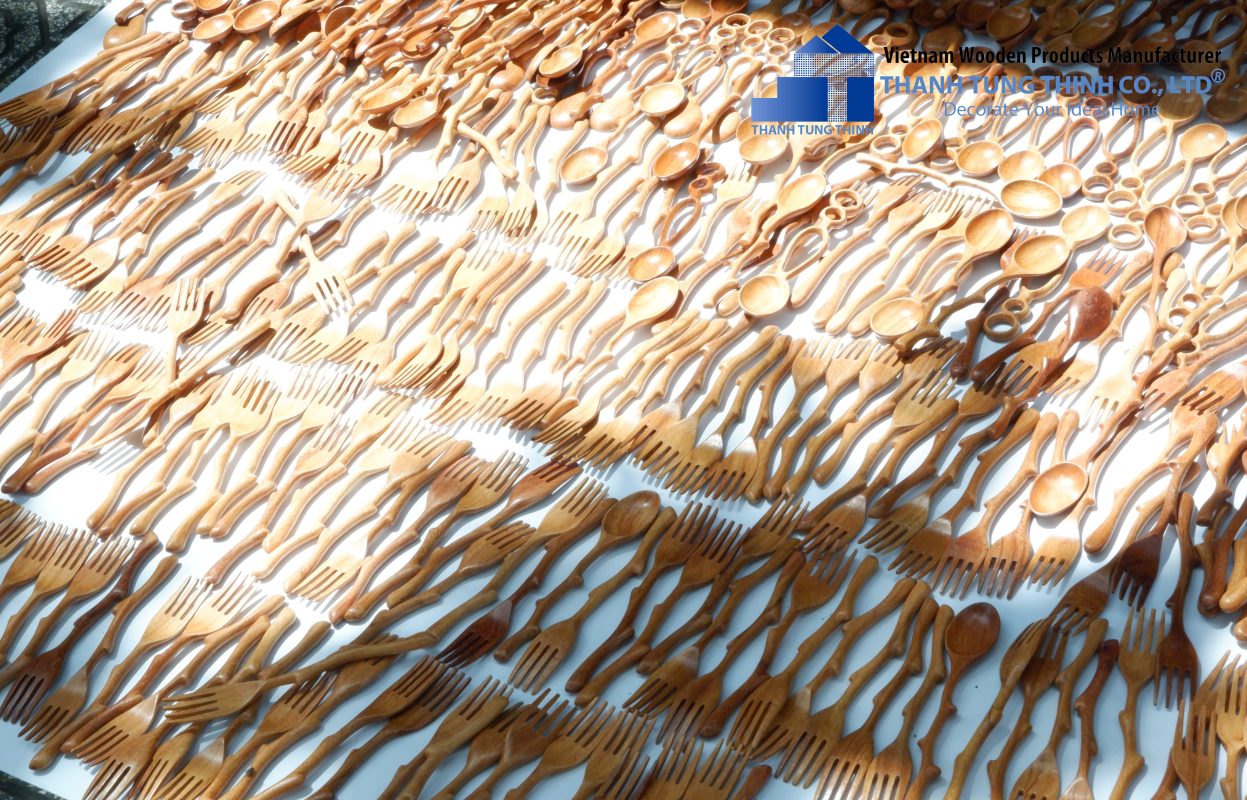
This has allowed retailers and hospitality businesses to offer diverse styles at competitive prices — from artisanal hand-thrown plates to minimalist bone china dinner sets.
Fusion of Styles and Cultural Exchange
As global cuisine gained popularity, so did the demand for culturally appropriate dinnerware:
- Sushi sets complete with soy sauce dishes and chopsticks
- Tagine-style serving bowls for North African meals
- Tiffin boxes for Indian lunches
- Bento boxes, mezze platters, tapas plates, and more
These cultural items have not only been adopted worldwide but often adapted in hybrid designs — such as Western ceramic sushi plates or eco-friendly bamboo bento boxes.
This fusion also applies to patterns and aesthetics. For example:
- A porcelain plate might blend Chinese blue-and-white motifs with French floral accents
- Scandinavian-style dinnerware may feature Japanese wabi-sabi textures
- Handmade ceramics may combine African tribal prints with modern geometric shapes
Dinnerware design now speaks a universal visual language, appealing to aesthetics from many cultures at once.
Social Media and the Role of Visual Culture
With the explosion of Instagram, Pinterest, and food blogging, presentation matters more than ever. Dinnerware is no longer just about function — it’s part of a curated experience.
Restaurants, influencers, and brands now use dinnerware to:
- Enhance food styling
- Reflect a personal or brand identity
- Tell stories — about culture, sustainability, heritage, or luxury
- Create “Instagrammable” table moments that boost engagement and sales
This visual-centric culture has pushed brands to innovate in:
- Plate shapes (asymmetrical, oval, rimless)
- Color psychology (to contrast or complement food)
- Texture and finish (matte, speckled, stone-washed)
Cultural Appreciation or Commercialization?
While globalization allows for greater exposure and appreciation of different cultures through dinnerware, it also raises questions about authenticity and appropriation. Some brands mass-produce cultural patterns without credit or compensation to the origin communities. Others partner with local artisans and preserve traditions through fair-trade production.
Today’s consumers — especially Gen Z and Millennials — are more aware of these issues and prefer brands that:
- Emphasize ethical sourcing
- Promote authentic craftsmanship
- Tell transparent brand stories
Thus, globalization has not only shaped what’s on our table — it’s also shaped how we choose what belongs there.
Conclusion – From Clay to Contemporary Elegance
From the sunbaked clay pots of ancient Mesopotamia to today’s sleek, minimalist dining sets, the evolution of dinnerware is a journey through human culture, craftsmanship, and connection. What began as humble tools to hold food became symbols of status, vessels of art, and markers of societal change.

Each era contributed something remarkable:
- Ancient civilizations gave us the first functional forms
- Greek and Roman societies introduced decoration and symbolism
- Medieval Europe transitioned from wood to metal, from communal to formal
- The Renaissance and Industrial Revolution made dinnerware artistic and accessible
- The modern era redefined design, materials, and global taste
- Globalization brought cross-cultural beauty to everyday meals
Today, dinnerware is more than utility — it’s a personal expression, a branding tool, a storytelling medium, and a reflection of how we live, dine, and connect with one another. Whether you’re sourcing products for retail, collecting artisan-made ceramics, or simply choosing a plate for your next meal, you’re participating in a rich tradition that spans thousands of years.
So the next time you sit down to eat, take a moment to appreciate what’s beneath your food — the form, the story, and the centuries of craftsmanship that brought it to your table.

