


Table of Contents
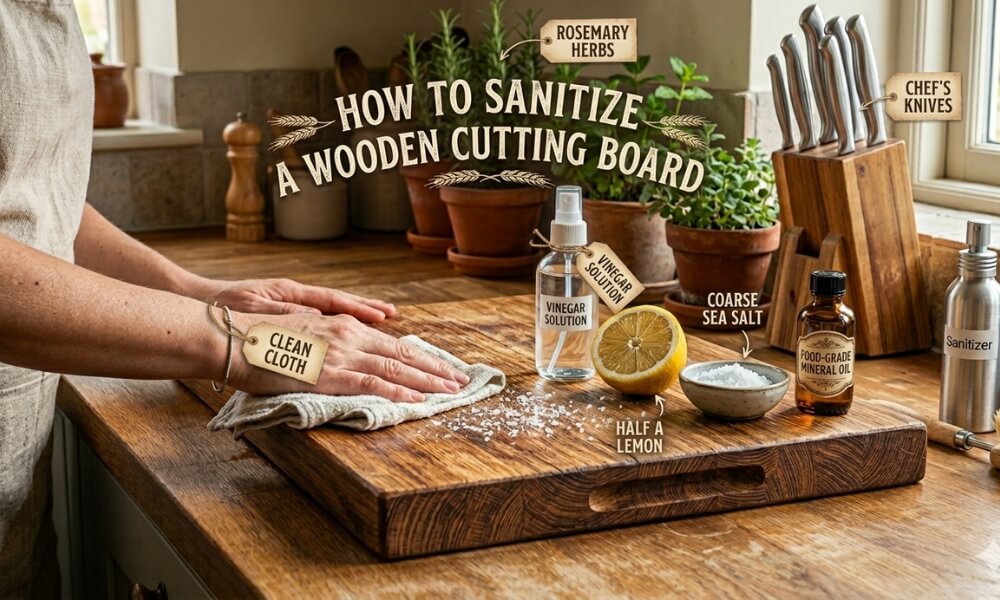
A wooden cutting board is one of the most essential tools in any kitchen, valued for its durability, knife-friendly surface, and natural aesthetic. However, concerns around hygiene often make users question whether wood is truly safe for food preparation. The reality is that wood is not the problem – improper cleaning and sanitizing habits are. When handled correctly, a wooden cutting board can be just as safe as any other surface.
Understanding how to sanitize a wooden cutting board is essential if you want to maintain both hygiene and long-term performance. Many users assume rinsing with water is enough, but this only removes visible debris without addressing bacteria. True sanitization requires a more structured approach that targets microorganisms. With the right process, maintaining a clean and safe cutting board becomes simple and efficient.
Why Sanitizing a Wooden Cutting Board Matters
The Real Risk Behind Everyday Food Prep
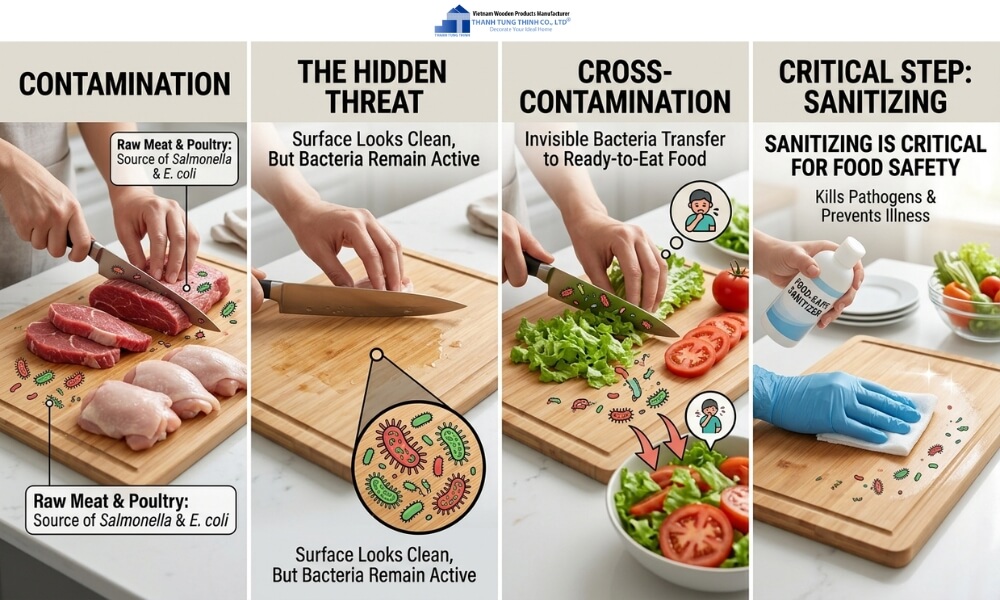
Every time you cut raw meat, poultry, or seafood, your cutting board is exposed to harmful bacteria such as Salmonella and E. coli. These microorganisms can transfer to other foods if the board is not properly sanitized. Even when the surface appears clean, invisible bacteria may still remain active. This is why sanitizing is a critical step in food safety, not just an optional practice.
Are Wooden Cutting Boards Actually Safe?
There is a widespread belief that wooden cutting boards are less hygienic than plastic ones, but this assumption is misleading. Research referenced by organizations like the USDA shows that wood has natural antibacterial properties. The structure of wood fibers can trap bacteria beneath the surface, where they gradually die off instead of multiplying. This makes wood a reliable material when maintained properly.

Cleaning vs Sanitizing – A Critical Distinction
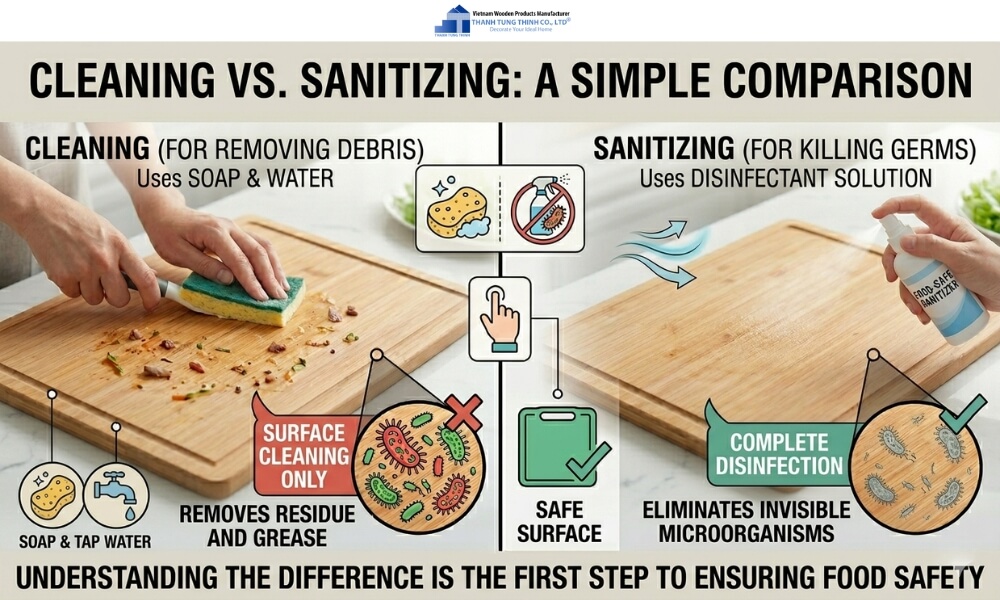
Cleaning removes food residue, grease, and visible dirt from the surface of the board. Sanitizing goes further by eliminating harmful microorganisms that cannot be seen. Without sanitizing, a board may look clean but still pose a health risk. Learning this distinction is the first step toward mastering how to sanitize a wooden cutting board effectively.
How to Sanitize a Wooden Cutting Board Properly – The Core Sanitizing Workflow
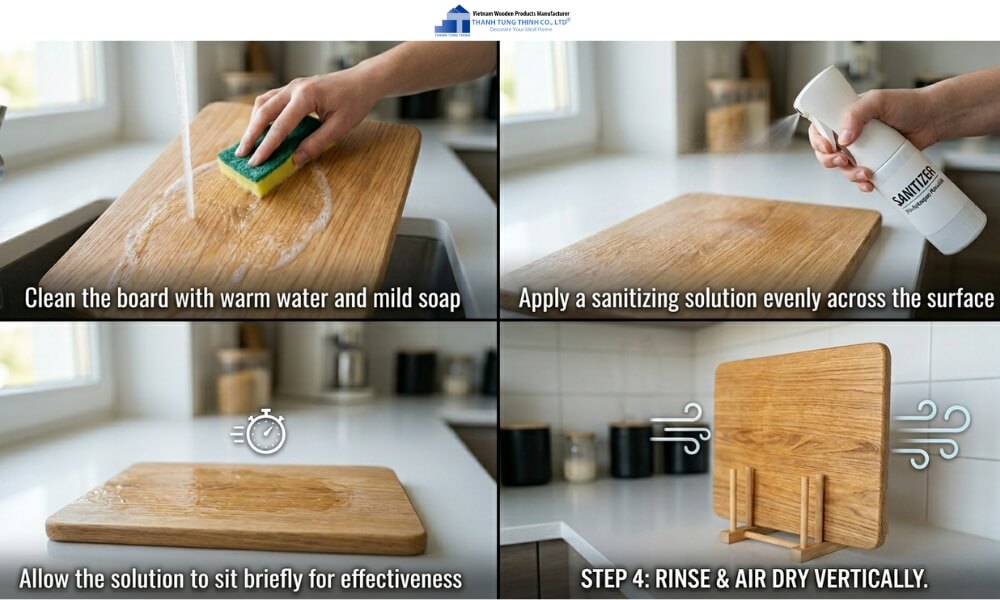
To ensure consistent hygiene and long-term durability, you need a structured routine that covers all critical steps. Skipping any stage can reduce effectiveness and increase contamination risk. A simple but disciplined workflow is enough to maintain a safe cutting surface. Over time, this routine becomes effortless and highly reliable.
- Clean the board with warm water and mild soap
- Apply a sanitizing solution evenly across the surface
- Allow the solution to sit briefly for effectiveness
- Rinse and air dry in a vertical position
Following this process consistently is the foundation of how to sanitize a wooden cutting board correctly. It not only removes bacteria but also protects the integrity of the wood. A well-maintained board will last significantly longer and perform better over time. This makes proper sanitizing both a safety measure and a long-term investment.
Natural Methods to Sanitize a Wooden Cutting Board
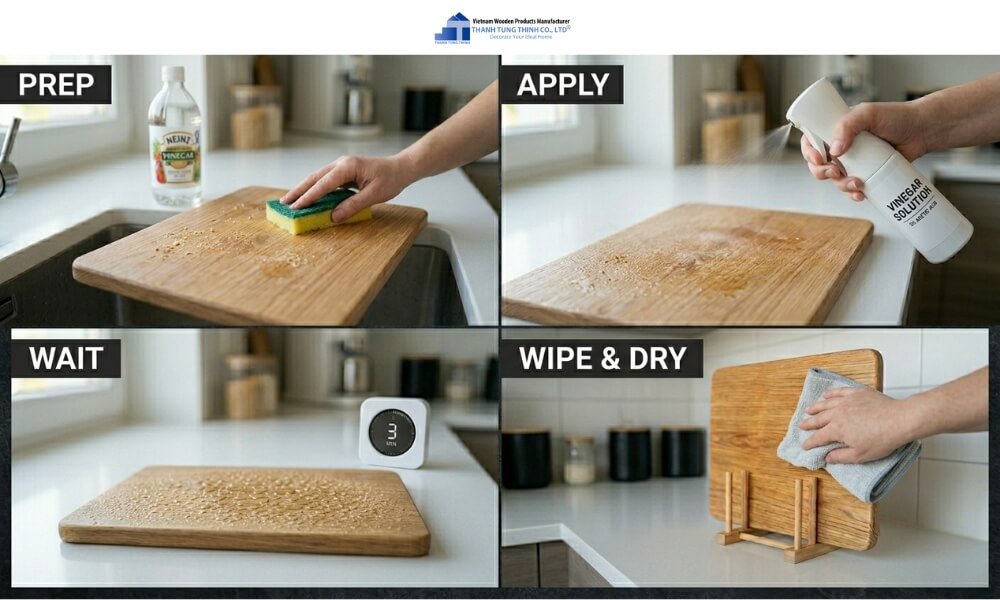
Vinegar for Everyday Use
Vinegar is one of the most accessible and widely used natural sanitizers. Its acidic properties help reduce bacterial presence on the surface. Applying vinegar and allowing it to sit briefly provides a quick and effective cleaning solution. This method is ideal for routine maintenance.
Lemon and Salt for Odor and Surface Cleaning
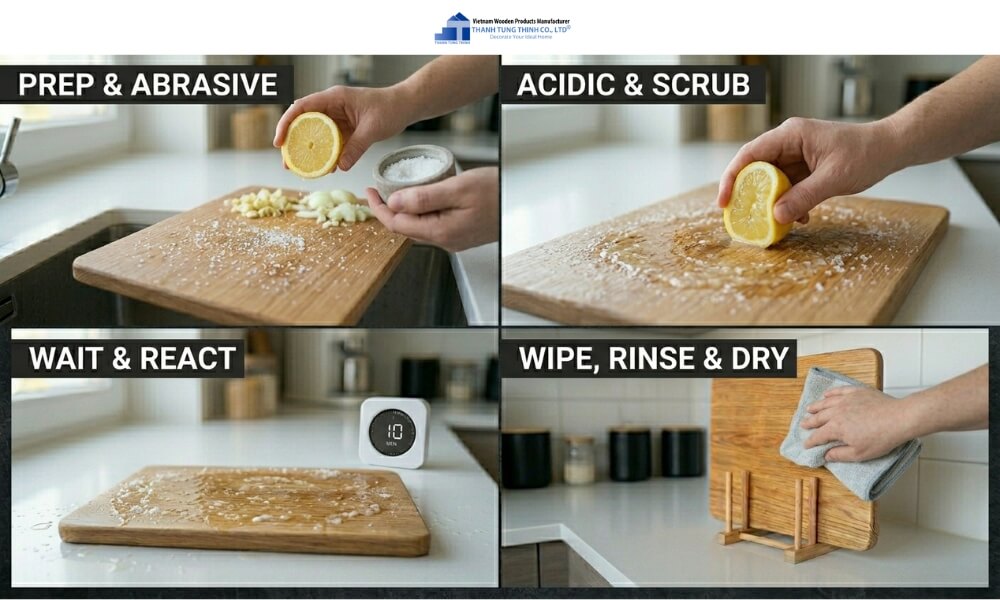
Lemon combined with salt creates a powerful natural cleaning solution that removes both odors and bacteria. The acidity of lemon helps break down contaminants, while salt acts as a mild abrasive. This method is particularly useful after preparing strong-smelling ingredients. Over time, it helps maintain both hygiene and appearance.
Baking Soda for Occasional Deep Cleaning
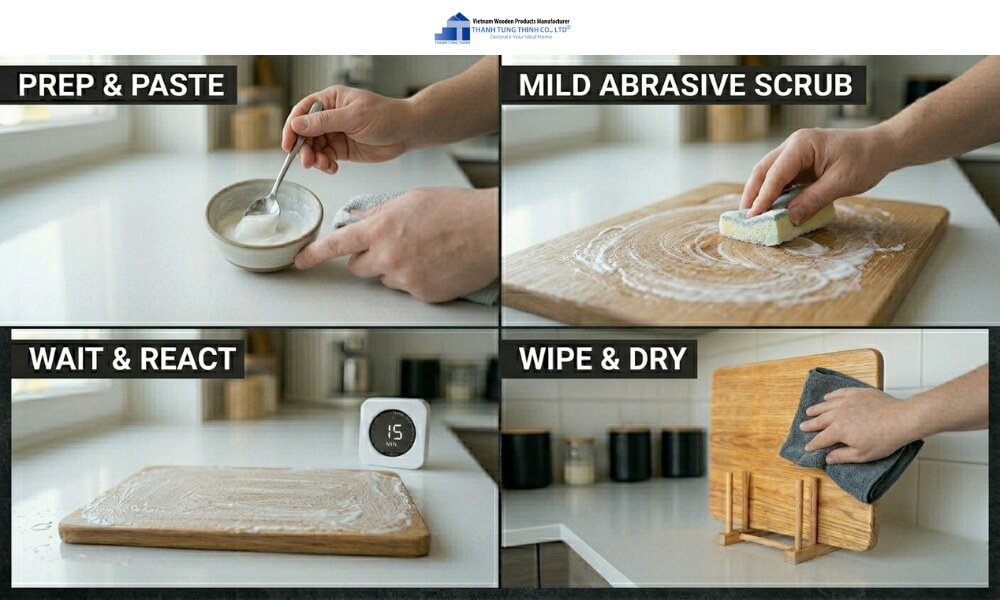
Baking soda works effectively for removing stains and buildup without damaging the wood. When mixed into a paste, it can be gently scrubbed onto the surface. This method complements regular sanitizing routines. It is especially useful when visual cleanliness needs improvement.
Stronger Methods for Deep Sanitizing
Hydrogen Peroxide for Food-Safe Disinfection
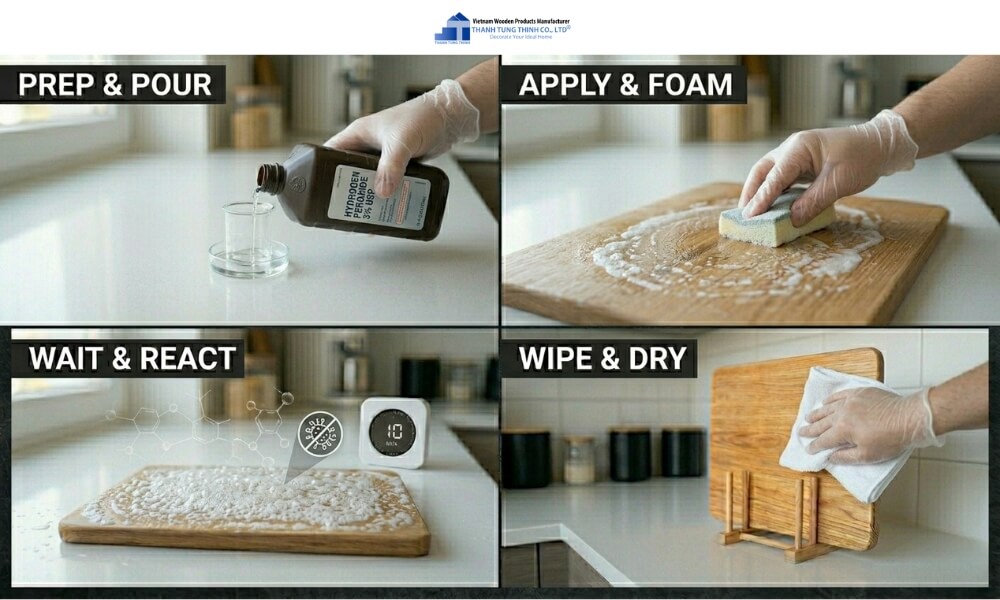
Hydrogen peroxide is commonly used in kitchens because it effectively kills bacteria without leaving harmful residues. It penetrates the wood surface and reacts quickly with contaminants. Applying it properly ensures deeper sanitation compared to natural methods. This makes it ideal after handling raw meat.
Bleach Solution for Heavy Contamination
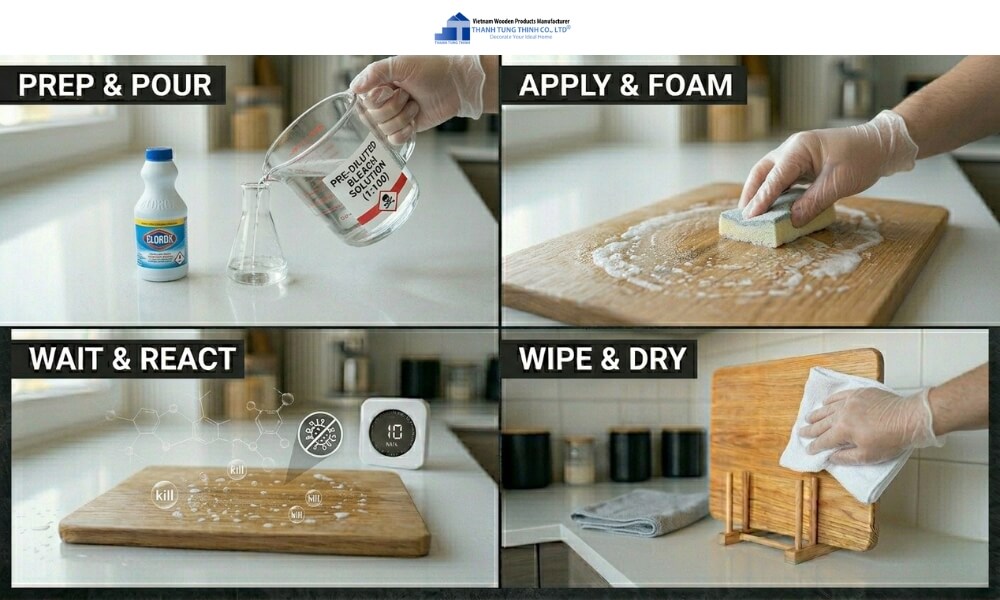
A diluted bleach solution can be used when deeper disinfection is required. However, it must be handled carefully to avoid damaging the wood. Proper dilution and rinsing are essential to ensure safety. This method should only be used occasionally rather than daily.
Commercial Sanitizers for Professional Use
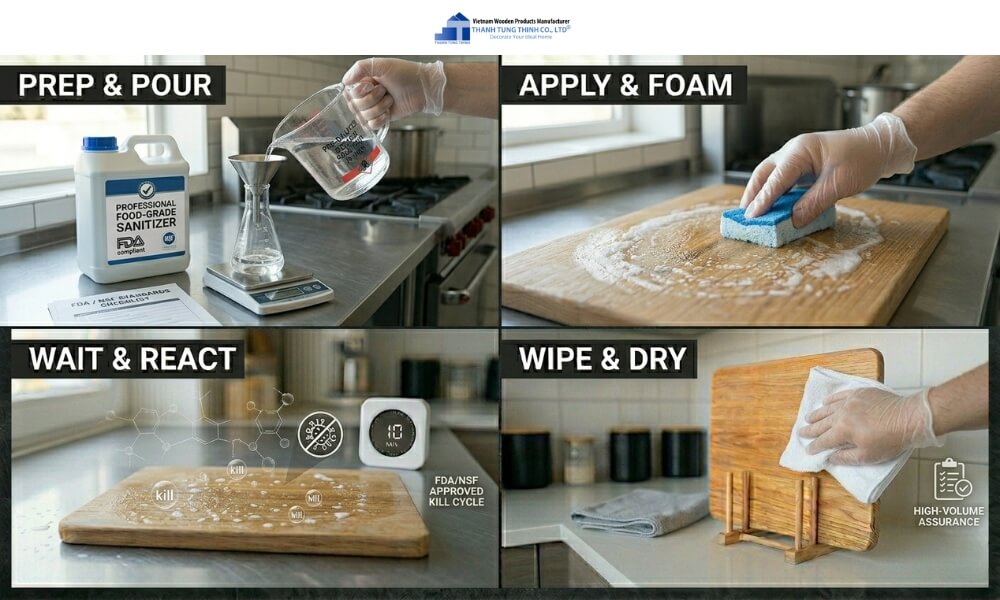
Professional kitchens often use food-grade sanitizers that meet standards set by the FDA. These products are designed for consistent and reliable performance. They are especially useful in high-volume environments. For businesses, they provide an additional layer of hygiene assurance.
Deep Cleaning vs Sanitizing – What’s the Difference?
Deep cleaning and sanitizing are often confused, but they serve different purposes. Deep cleaning focuses on removing stains, buildup, and embedded residue. Sanitizing targets microorganisms and ensures the surface is safe for food preparation. Both are necessary for complete maintenance.
Using both methods together provides the best results. Deep cleaning prepares the surface, while sanitizing eliminates bacteria. This combined approach ensures long-term hygiene. It is a key principle in mastering how to sanitize a wooden cutting board effectively.
How to Sanitize a Wooden Cutting Board After Raw Meat
Why This Step Is Critical
Raw meat introduces a significantly higher level of bacterial risk compared to other foods. This makes proper sanitizing not just important but essential. Delaying cleaning allows bacteria to settle deeper into the surface. Acting immediately reduces contamination risks effectively.
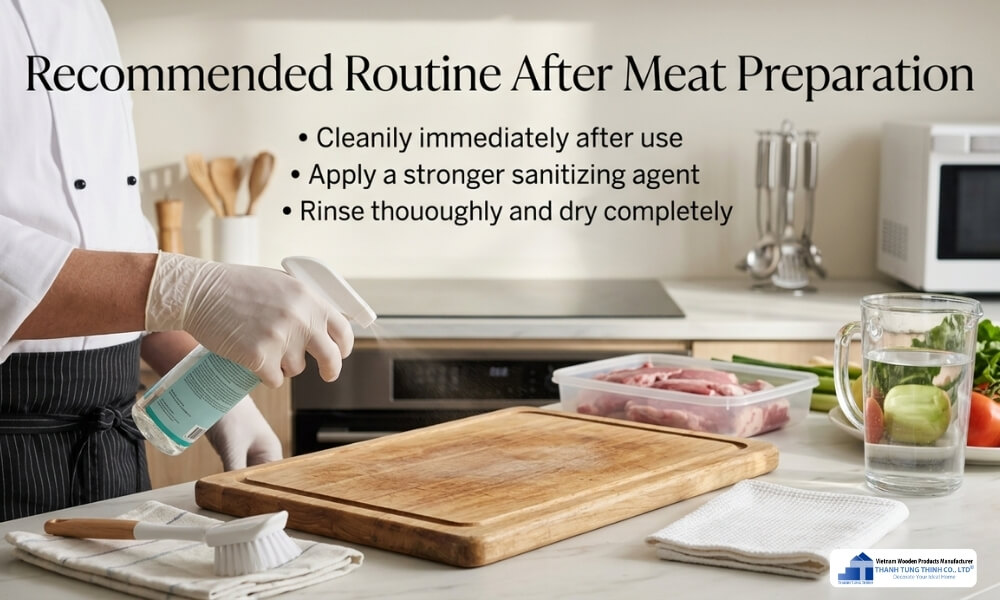
Recommended Routine After Meat Preparation
When dealing with raw meat, your sanitizing process should be more rigorous and immediate. A structured routine ensures that no bacteria remain on the surface. This approach improves both safety and efficiency in the kitchen. Over time, it becomes a standard practice.
- Clean immediately after use
- Apply a stronger sanitizing agent
- Rinse thoroughly and dry completely
Mastering how to sanitize a wooden cutting board in this scenario is critical for preventing cross-contamination. It ensures that the board can be safely reused for other foods. Consistency in this process significantly reduces health risks. This is especially important in households that frequently prepare meat.
Common Mistakes That Reduce Hygiene
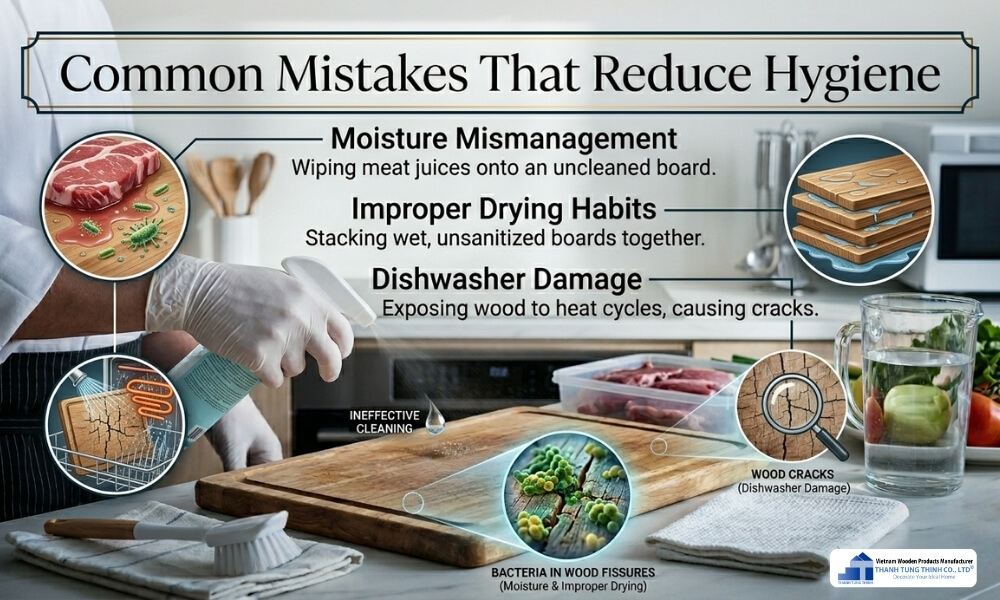
Moisture Mismanagement
Using excessive water allows moisture to penetrate the wood, creating an environment where bacteria can grow. This also increases the risk of warping and cracking over time. Controlling water exposure is essential for maintaining durability. Proper drying helps prevent these issues.
Improper Drying Habits
Leaving a cutting board flat on a surface traps moisture underneath. This slows down the drying process and encourages bacterial growth. Standing the board upright allows air circulation and ensures complete drying. This simple habit greatly improves hygiene.
Dishwasher Damage
Dishwashers expose wooden boards to high heat and prolonged water exposure. This weakens the structure and shortens the lifespan of the board. It can also create cracks where bacteria may accumulate. Hand washing remains the safest method.
How Often Should You Sanitize a Wooden Cutting Board
Sanitizing frequency depends on how the board is used in daily cooking. Boards used for raw meat should be sanitized after every use to ensure safety. For general cooking, sanitizing once or twice per day is typically sufficient. Regular deep sanitizing helps maintain long-term hygiene.
Consistency plays a more important role than intensity in maintenance. A simple routine followed regularly will deliver better results than occasional deep cleaning. Over time, this ensures the board remains safe and reliable. This consistency is central to mastering how to sanitize a wooden cutting board effectively.
Recommended Sanitizing Methods by Use Case
| Use Case | Method | Frequency | Risk Level |
| Vegetables | Vinegar | Daily | Low |
| Cooked food | Natural sanitizer | Daily | Medium |
| Raw meat | Hydrogen peroxide | Every use | High |
| Deep cleaning | Baking soda + sanitizer | Weekly | Medium |
Long-Term Hygiene and Maintenance – Key Practices for Maintaining a Sanitary Board
Maintaining hygiene is not just about cleaning but also about prevention. Proper care reduces the chances of bacteria buildup and extends the lifespan of the board. Small habits can make a significant difference over time. A consistent maintenance routine ensures long-term performance.
- Apply food-grade mineral oil regularly
- Store in a dry and ventilated space
- Avoid deep knife cuts when possible
These practices support the overall effectiveness of how to sanitize a wooden cutting board. They reduce moisture absorption and limit bacterial growth. Over time, they make cleaning easier and more efficient. This creates a sustainable hygiene system in your kitchen.
Wooden vs Plastic Cutting Board Hygiene Comparison
| Criteria | Wooden | Plastic |
| Bacteria survival | Lower over time | Higher in grooves |
| Durability | Long-lasting | Short-term |
| Knife impact | Gentle | Harsh |
| Maintenance | Moderate | Easy but less effective |
Why Quality Wooden Cutting Boards Improve Food Safety
High-quality cutting boards are designed to minimize hygiene risks while maximizing durability. Features such as kiln-dried wood reduce internal moisture and prevent bacterial growth. Dense grain structures limit deep penetration of contaminants, making cleaning more effective. These factors contribute to overall safety and performance.
Boards finished with food-grade mineral oil provide an additional layer of protection against moisture. This helps maintain a smooth surface that resists damage over time. As a result, fewer grooves form, reducing areas where bacteria can hide. Investing in quality simplifies maintenance and improves hygiene outcomes.
FAQs About Sanitizing Wooden Cutting Boards
Can vinegar fully sanitize a cutting board?
Vinegar is effective for daily sanitizing but may not be sufficient for heavy contamination. Stronger methods are recommended after raw meat exposure.
Is bleach safe for wooden cutting boards?
Bleach can be used in diluted form but should not be applied frequently. Proper rinsing is necessary to ensure safety.
Do wooden boards hold bacteria?
Wood can trap bacteria, but they typically do not survive long due to natural antibacterial properties.
Looking for a Global Wooden Cutting Board Supplier? Contact Thanh Tung Thinh
When sourcing wooden cutting boards and kitchenware, working directly with a manufacturer helps ensure consistent quality, stable supply, and competitive pricing. This is especially important for importers, retailers, and e-commerce brands scaling their operations. A reliable partner reduces risk while improving long-term efficiency across your supply chain.
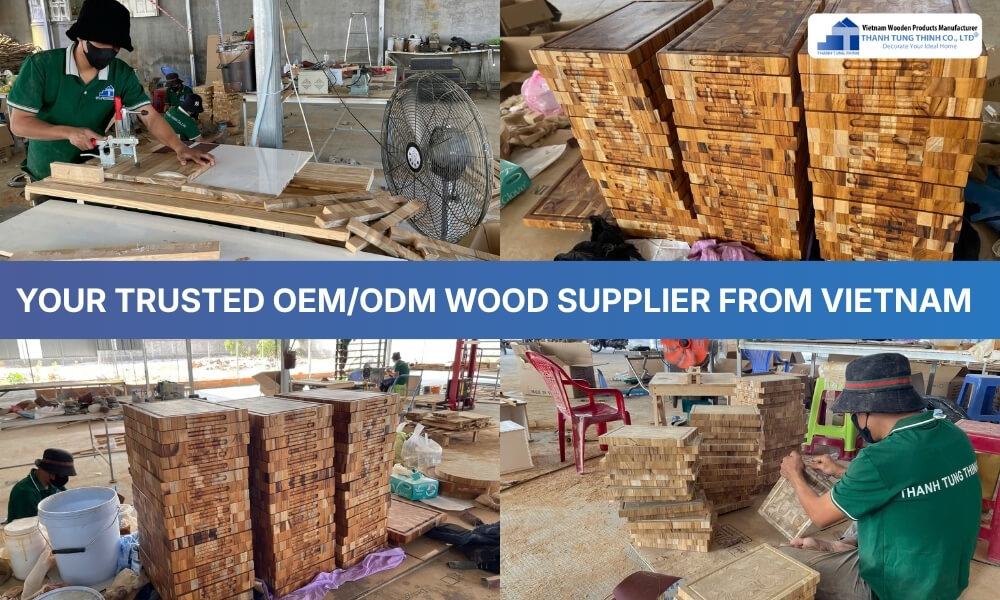
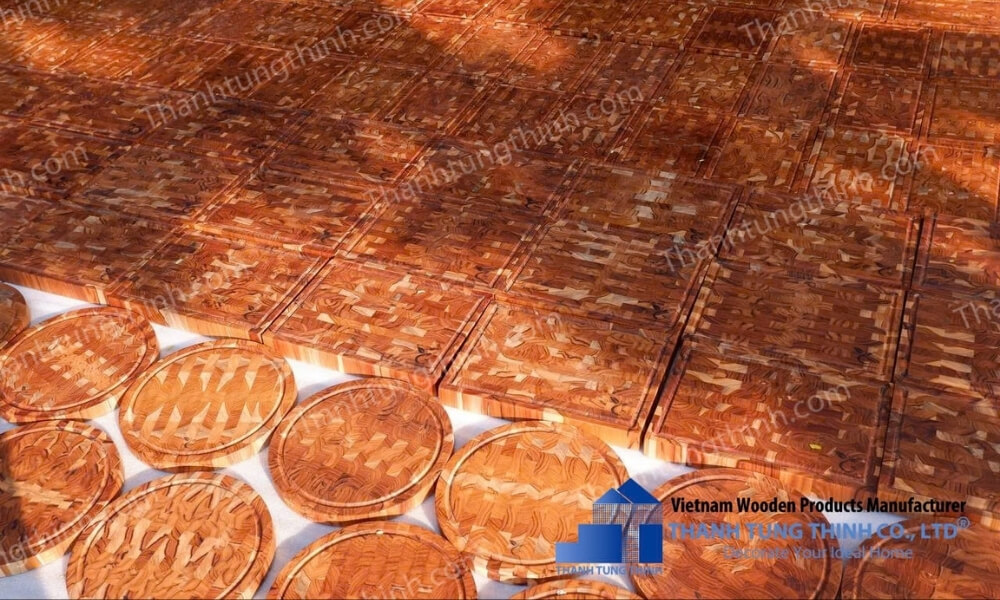
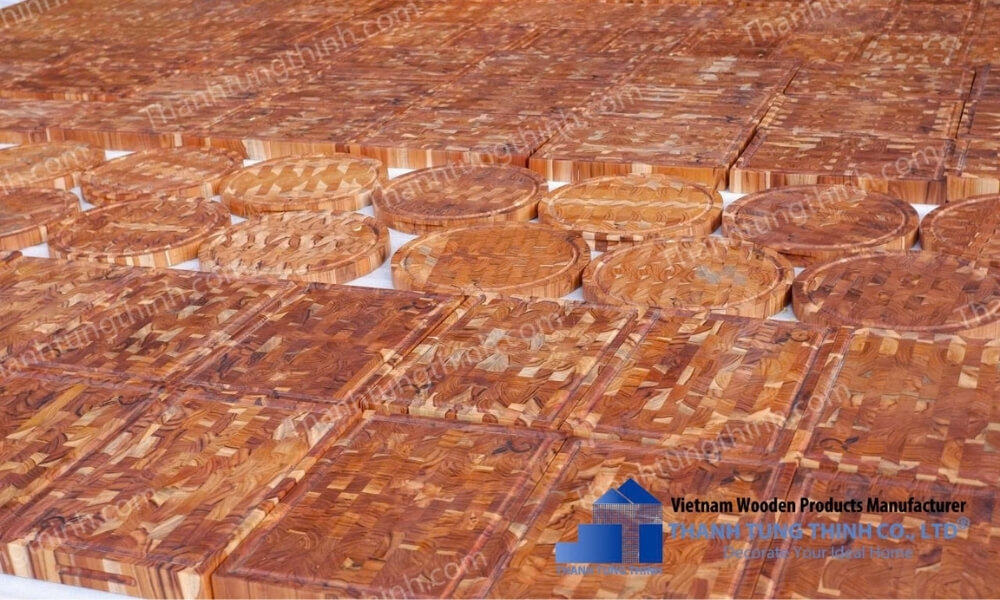
Thanh Tung Thinh is a Vietnam-based manufacturer specializing in wooden kitchenware for global markets. With FSC-certified materials, food-safe finishing, and strong production capacity, the company delivers consistent bulk supply for international clients. Their product range includes teak cutting boards, acacia trays, and OEM/ODM solutions tailored to your brand.
- Direct factory pricing with no middleman
- OEM/ODM customization support
- Export-standard, food-safe products
Contact Thanh Tung Thinh to receive catalogs, pricing, and production consultation for your next order.
Final Thoughts
A wooden cutting board is a safe and reliable kitchen tool when maintained correctly. The key lies in understanding how to sanitize a wooden cutting board and applying that knowledge consistently. With proper cleaning, sanitizing, and storage, wood becomes one of the most hygienic surfaces available. It is not the material that determines safety, but the habits behind its use.
By combining good practices with high-quality materials, you create a kitchen environment that is both efficient and safe. Over time, this approach reduces risk while extending the life of your tools. A well-maintained cutting board is not just functional – it is a long-term hygiene solution.
Read more:
- How to Clean Wooden Cutting Board Safely (After Chicken, Raw Meat, and Everyday Use)
- How to Clean Wooden Cutting Board After Raw Meat (Complete Food Safety Guide)

