


Table of Contents
A wooden cutting board can outlast cheap pans, survive a thousand onion tears, and make your kitchen look like you know what you’re doing. But it has one job you can’t ignore: staying clean enough to prep food safely.
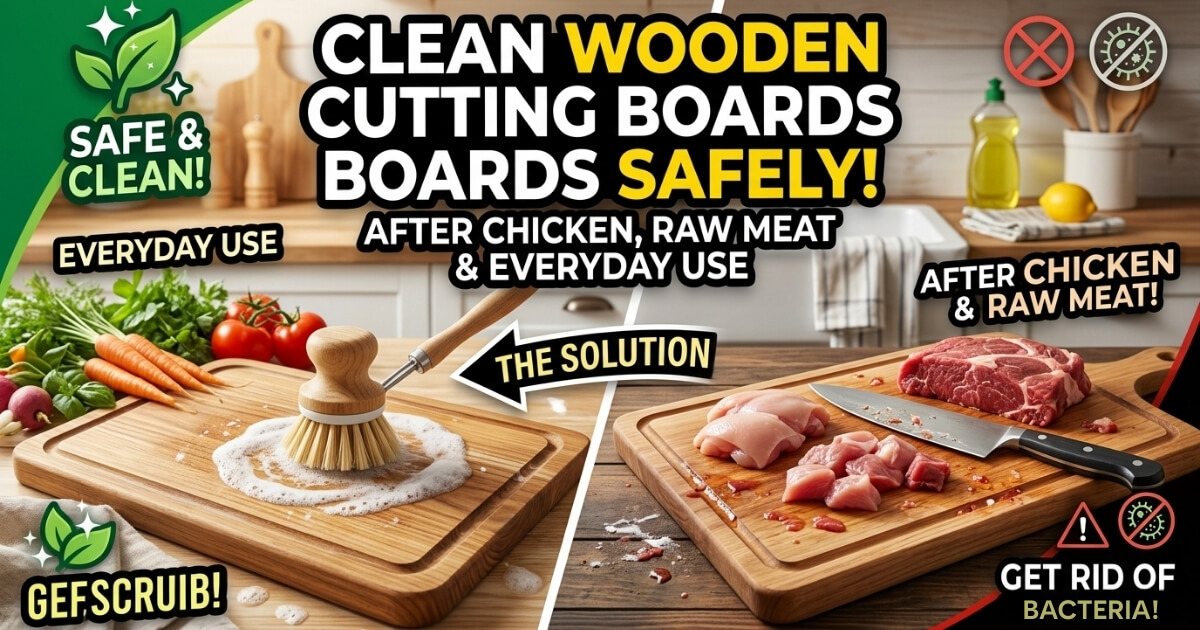
If you want to learn how to clean wooden cutting board the right way after chicken, raw meat, and everyday use, this is the practical version – no folklore, no fussy rituals, no “just trust the wood.” We’ll cover how to remove odors, stains, and bacteria while keeping your board safe and long-lasting.
Why Proper Cleaning Matters for a Wooden Cutting Board
Why people love wooden cutting boards
Wooden boards are popular for good reason. They’re durable, gentler on knife edges than hard surfaces like glass or stone, and they simply feel better to work on. For home cooks and chefs alike, wood has that rare mix of beauty and utility. Extension guidance also notes that wood is long-lasting when maintained well. That long lifespan depends heavily on knowing how to clean wooden cutting board surfaces correctly from day one.
What happens if you clean them the wrong way
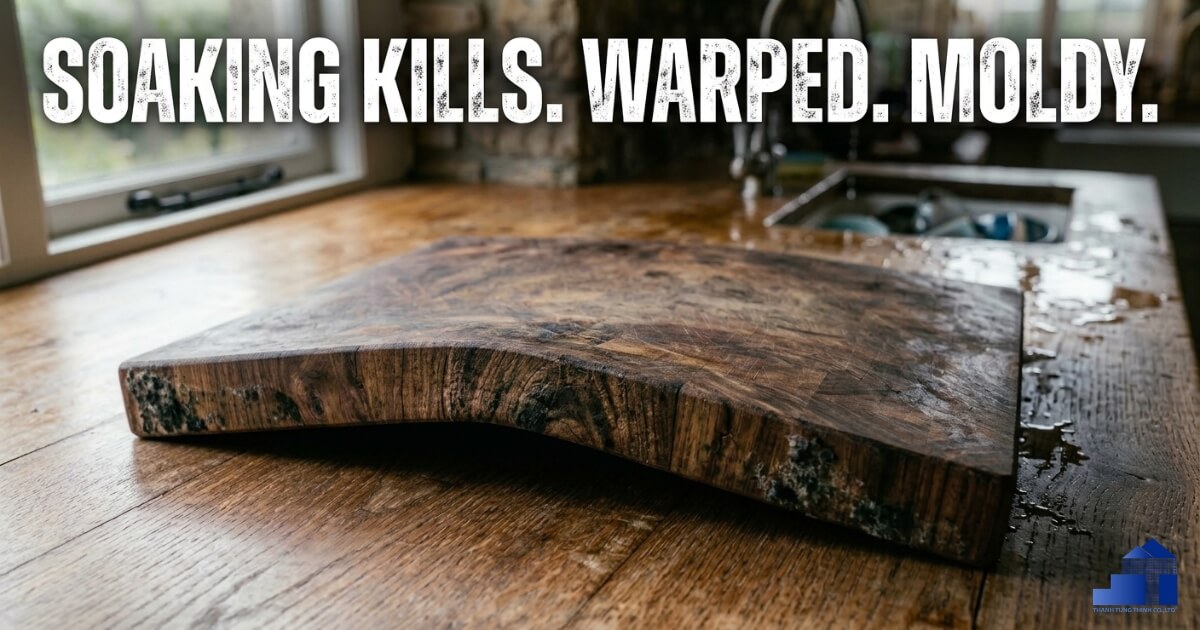
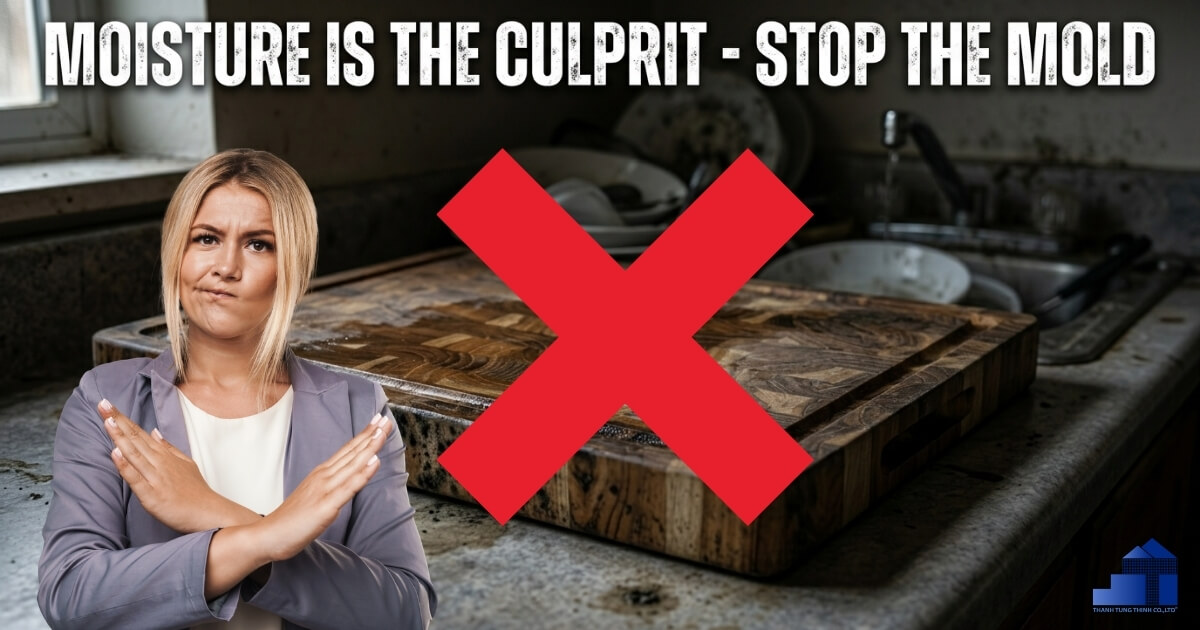
Treat a wooden board badly and it starts to fight back. Soaking can warp it. Excess moisture can lead to cracking, splitting, and mold. Deep grooves and neglected knife scars can become hard to clean thoroughly, which raises the risk of cross-contamination. USDA says boards that become excessively worn or develop hard-to-clean grooves should be replaced. That is exactly why understanding how to clean wooden cutting board materials properly is not optional.
Why wooden boards are not automatically unsafe
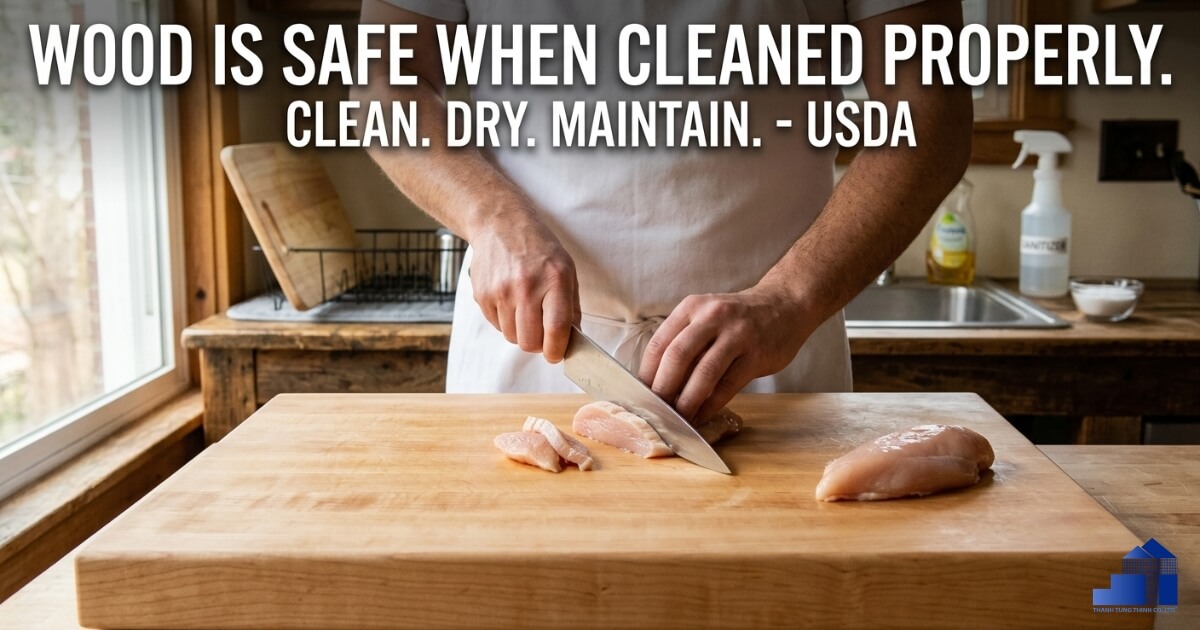
Here’s the part many people get wrong: wooden boards are not automatically unsafe. USDA says consumers may use wood or a nonporous surface for cutting raw meat and poultry. The real issue is not “wood vs. plastic” in some dramatic cage match – it’s whether the board is cleaned properly, dried well, and kept in good condition. Nonporous boards are easier to clean, but wood can still be used safely.
How to Clean Wooden Cutting Board After Everyday Use
What you need
Keep it simple:
- Hot or warm water
- Dish soap
- A sponge or soft brush
- Clean towel or paper towels
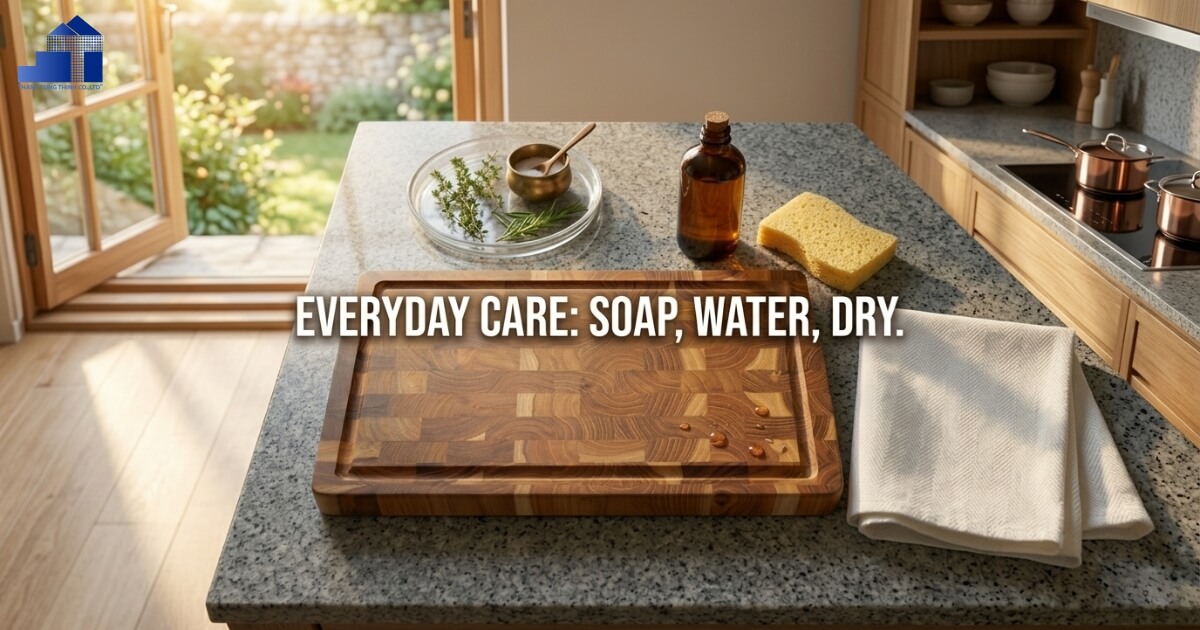
That’s the everyday baseline. FDA and USDA both recommend washing cutting boards and utensils with hot, soapy water after preparing food. For anyone searching how to clean wooden cutting board at home, these basics are enough for daily care.
Step-by-step daily cleaning routine
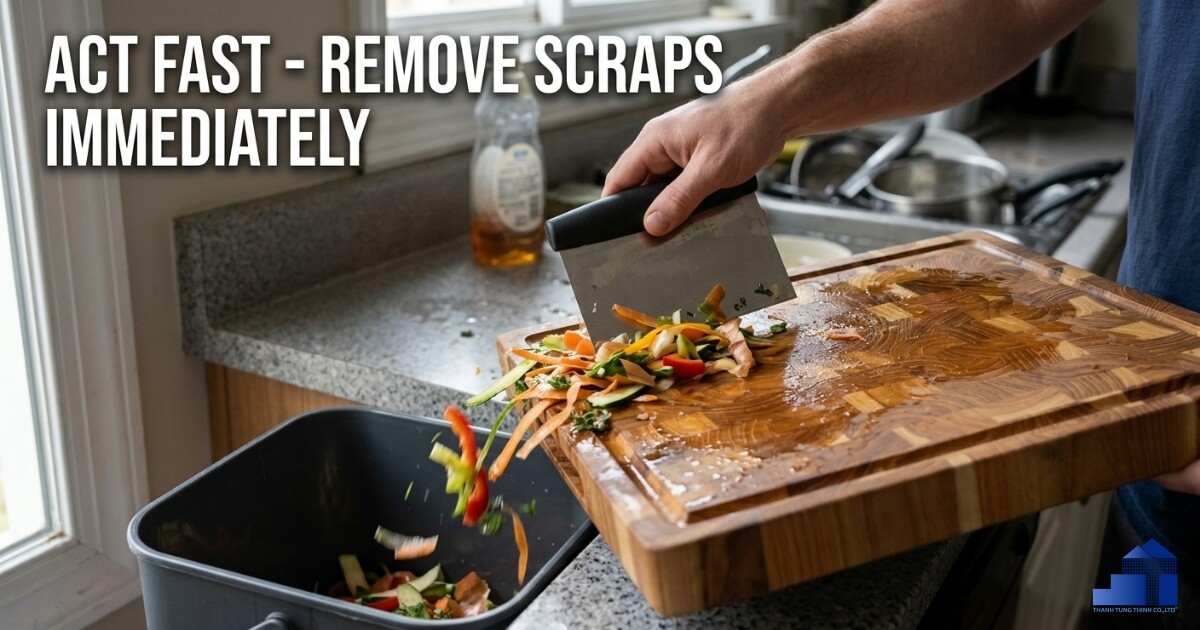
- First, remove food scraps right away. Scrape off crumbs, residue, and moisture so they do not sit on the wood too long.
- Second, rinse the board with warm water. This helps loosen light grease and leftover food on the surface.
- Third, wash it with mild dish soap. Use a soft sponge or brush and clean the entire surface gently.
- Fourth, clean both sides of the board. Even if you only used one side, washing both helps prevent uneven moisture absorption.
- Fifth, scrub knife marks and edges carefully. These areas often trap tiny food particles and need a little extra attention.
- Sixth, rinse thoroughly. Make sure no soap is left behind, since residue can affect smell and taste.
- Seventh, dry it with a clean towel immediately. Do not leave the board wet on the counter.
- Eighth, stand it upright to air-dry completely. This allows both sides to dry evenly and helps prevent mold or warping.
- Ninth, store it only when fully dry. Putting it away while damp can lead to bad odors, stains, or mildew.
- Finally, repeat this after every use. A simple daily routine is the best way to keep a wooden cutting board clean and long-lasting. If your goal is to master how to clean wooden cutting board without damaging the surface, consistency matters more than complicated hacks.
What not to do
- Don’t soak it in the sink. Wood and standing water are a bad romance.
- Don’t leave it flat and wet on the counter. Trapped moisture invites warping and mold.
- Don’t assume a quick rinse counts as cleaning.
- Don’t ignore deep knife marks. Once they’re hard to clean, the board is nearing retirement.
How to Clean Wooden Cutting Board After Chicken or Raw Meat
What to do right after cutting raw chicken or meat
The moment you finish portioning chicken or trimming steak, act fast:
- Clear off scraps
- Wash the board, knife, and nearby surfaces with hot, soapy water
- Keep raw meat juices away from produce, bread, and cooked food
USDA and FDA both stress this point because cross-contamination is where kitchen trouble often starts.
Why regular washing is not always enough
Soap and hot water are the minimum. After raw chicken or meat, many food-safety sources recommend a sanitizing step as well, especially for boards that directly touched raw animal products. Illinois Extension says boards that touched raw meat should be washed and then sanitized; USDA gives a bleach-solution method for sanitizing food-contact surfaces like cutting boards.
Safe post-meat cleaning routine
Use this routine after raw chicken, turkey, beef, pork, or seafood:
- Wash with hot, soapy water.
- Rinse.
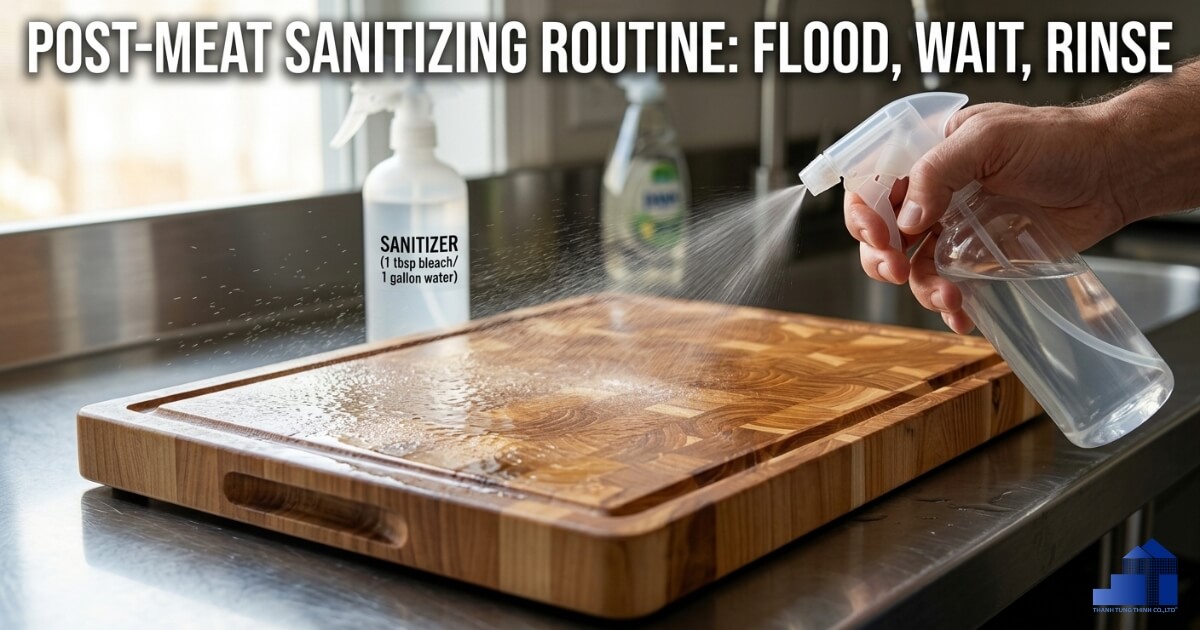
- Sanitize with a food-safe bleach solution:
Mix 1 tablespoon unscented liquid chlorine bleach per 1 gallon of water. Flood the board, let it stand for several minutes, then rinse with clear water. - Air-dry or pat dry thoroughly.
That is the most practical answer to how to clean a wooden cutting board after chicken without wrecking the wood or gambling with food safety.
Can You Cut Raw Meat on a Wooden Cutting Board?
Short answer
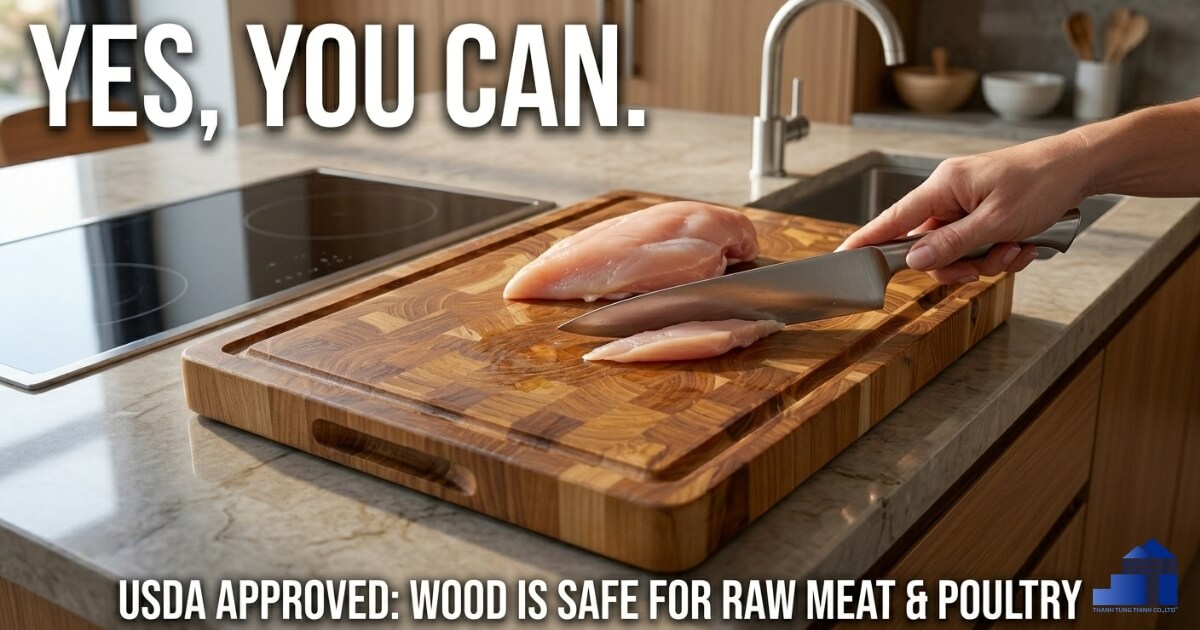
Yes – if the board is in good shape and you clean it correctly. USDA explicitly says consumers may use wood or a nonporous surface for raw meat and poultry. In other words, the issue is less about the material itself and more about whether you know how to clean wooden cutting board surfaces thoroughly after contact with raw meat.
Is it safe for raw chicken
It can be, but raw chicken is the place where sloppy habits get expensive. Poultry juices are high-risk for cross-contamination, so if you use wood for chicken, clean it immediately and add the sanitizing step described above. Using a separate board for raw poultry is the safer, lower-stress choice.
When it becomes unsafe
A wooden cutting board for raw meat becomes a bad idea when it has:
- Deep grooves
- Cracks or splits
- Persistent odors
- Recurring mold
- A rough surface that won’t come clean
At that point, replacement beats wishful thinking. USDA recommends discarding boards that are excessively worn or hard to clean.
Should You Cut Meat on a Wooden Cutting Board?
Pros
- Gentle on knives
- Stable, sturdy work surface
- Long lifespan with proper maintenance
- Attractive enough to leave out without shame
Cons
- More maintenance than plastic
- Slower drying if poorly handled
- Harder to sanitize thoroughly than nonporous boards
- Not the easiest choice for frequent raw-meat prep
Extension guidance consistently leans toward nonporous boards as the easier option for raw meat because they are simpler to clean and sanitize.
Best-practice recommendation
For most kitchens, the smartest setup is this:
- Wood board for vegetables, fruit, herbs, bread, cheese
- Separate nonporous board for raw meat, poultry, and seafood
That gives you the beauty of wood without making it pull double duty in the messiest part of prep. FDA and USDA both recommend separate boards for fresh produce and raw animal foods.
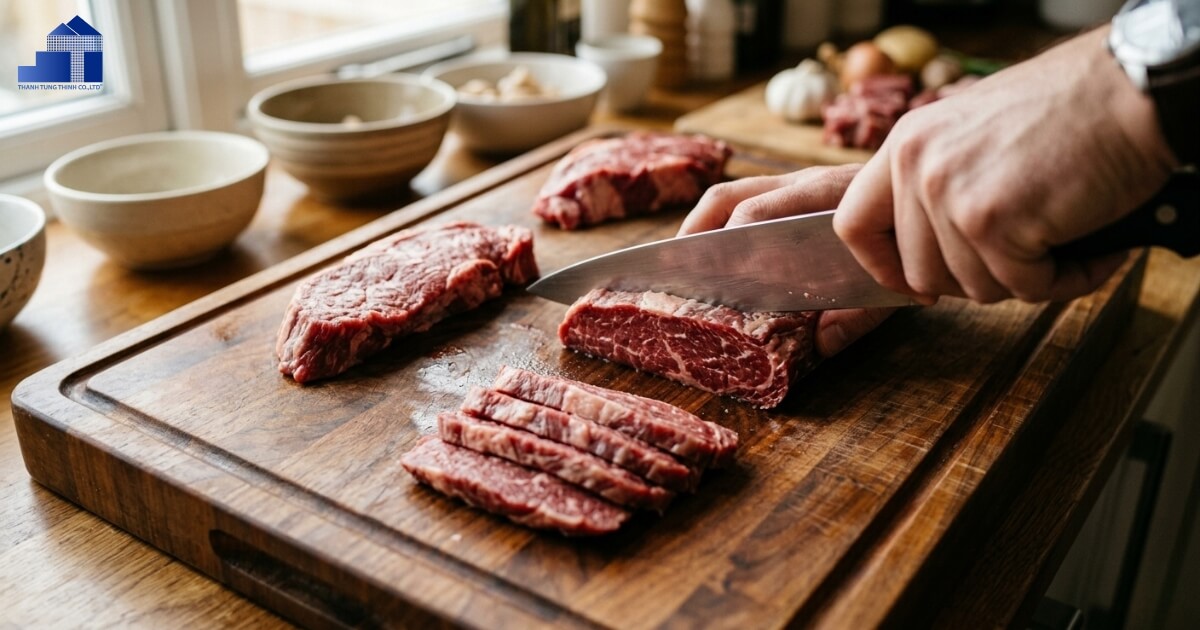
Wooden Cutting Board for Raw Meat: Best Practices for Safe Use
Use separate boards
This is the big one. One board for ready-to-eat foods. One for raw meat. If you want to get fancy, keep separate boards for poultry and seafood too. Illinois Extension recommends a dedicated meat board, ideally with separation by protein type when possible.
Create a simple kitchen rule
Make the rule so obvious a sleepy teenager could follow it:
- Wood = produce and bread
- Plastic/nonporous = raw meat
That one habit prevents most avoidable mix-ups.
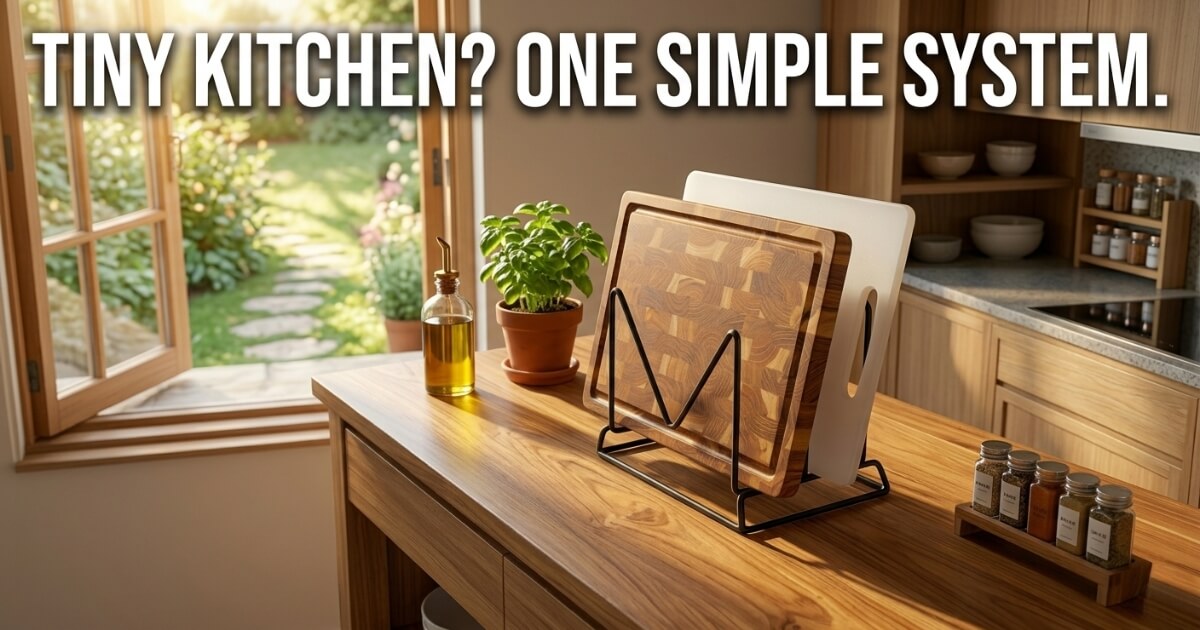
Best setup for small kitchens
Tiny kitchen? No problem.
- Keep one medium wood board
- Add one thin plastic board for raw meat
- Store them vertically so they dry faster
You do not need a chef’s battalion of boards – just one clear system that prevents cross-contamination.
How to Remove Odors, Stains, and Mold from a Wooden Cutting Board
How to remove strong food odors
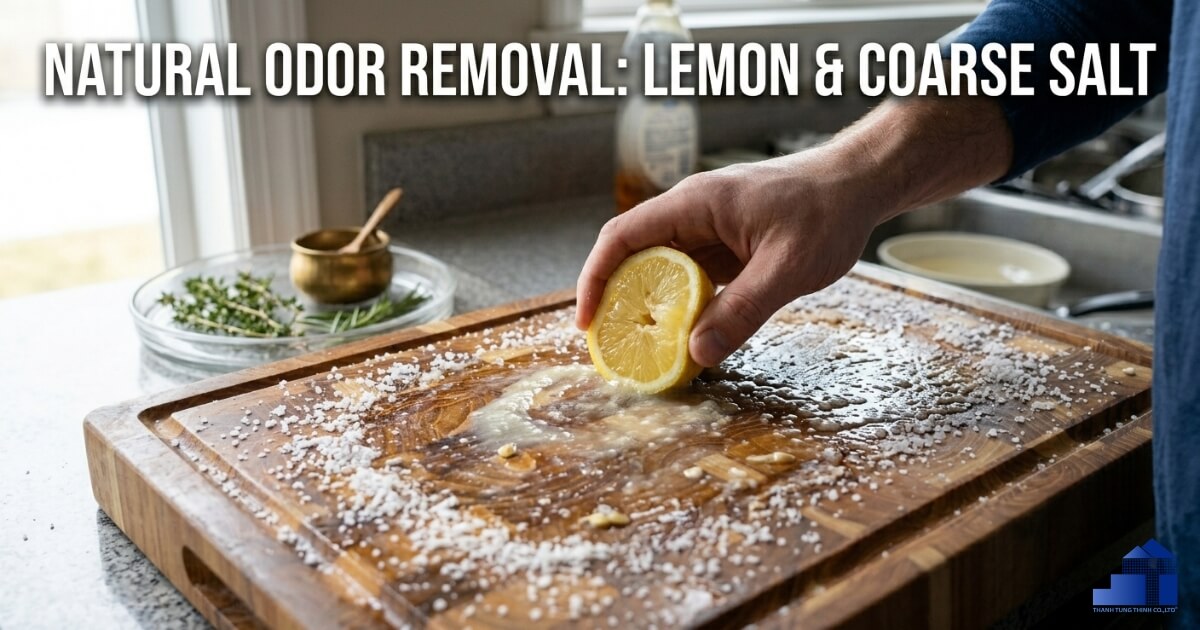
For onion, garlic, or fish smells, try a lemon-and-coarse-salt scrub. Kentucky’s cutting board care guidance recommends this as an all-natural cleaning method, and lemon is commonly used to freshen surfaces. This is a helpful extra step for people researching how to clean wooden cutting board odors naturally.
Important distinction: lemon and salt can help with odor and surface grime, but they are not a dependable replacement for sanitizing after raw meat or chicken. For that, USDA’s bleach-solution sanitizer is the clearer food-safety standard.
How to remove surface stains
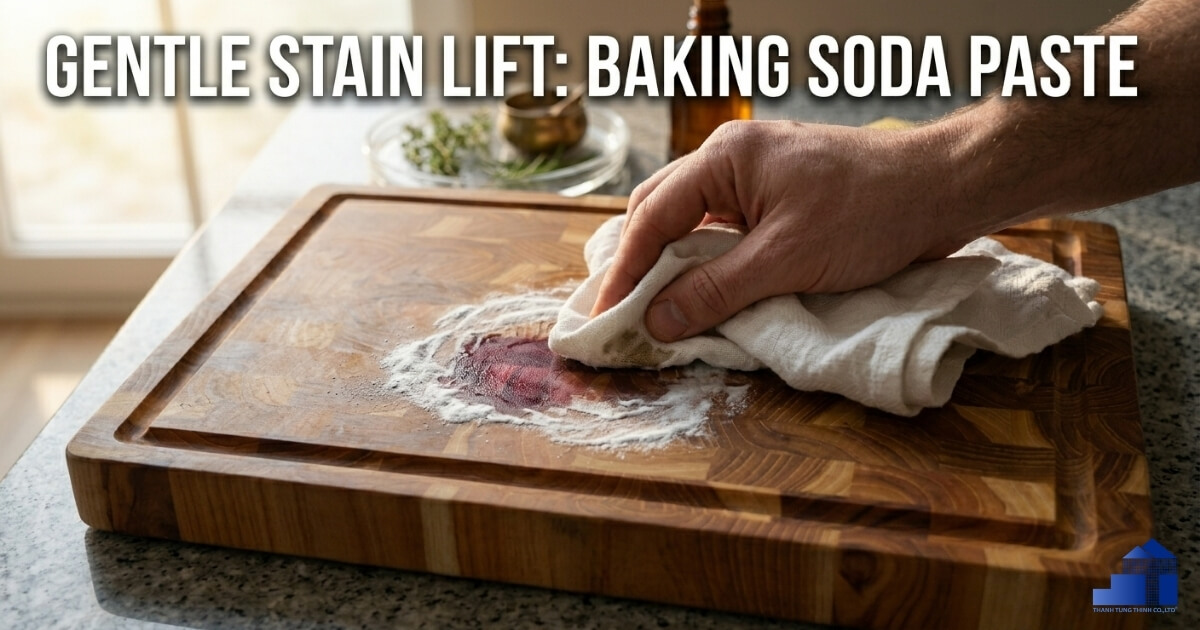
For surface stains, a gentle paste of baking soda with a little water or a baking-soda-and-salt scrub can help lift discoloration without gouging the wood. Kentucky’s guidance includes a baking-soda method for stain removal.
What to do if you notice mold
If you spot mold:
- Wash and scrub the board immediately
- Dry it thoroughly
- Correct the moisture problem – that’s the real culprit
Mold thrives with lingering moisture, so poor drying and damp storage are usually the smoking gun. If mold returns, has sunk into cracks, or the board smells musty even after cleaning, replacement is the safer call. That recommendation follows broader mold guidance on moisture control plus USDA’s advice to replace boards that can’t be cleaned effectively.
How to Maintain a Wooden Cutting Board So It Lasts Longer
Dry it the right way
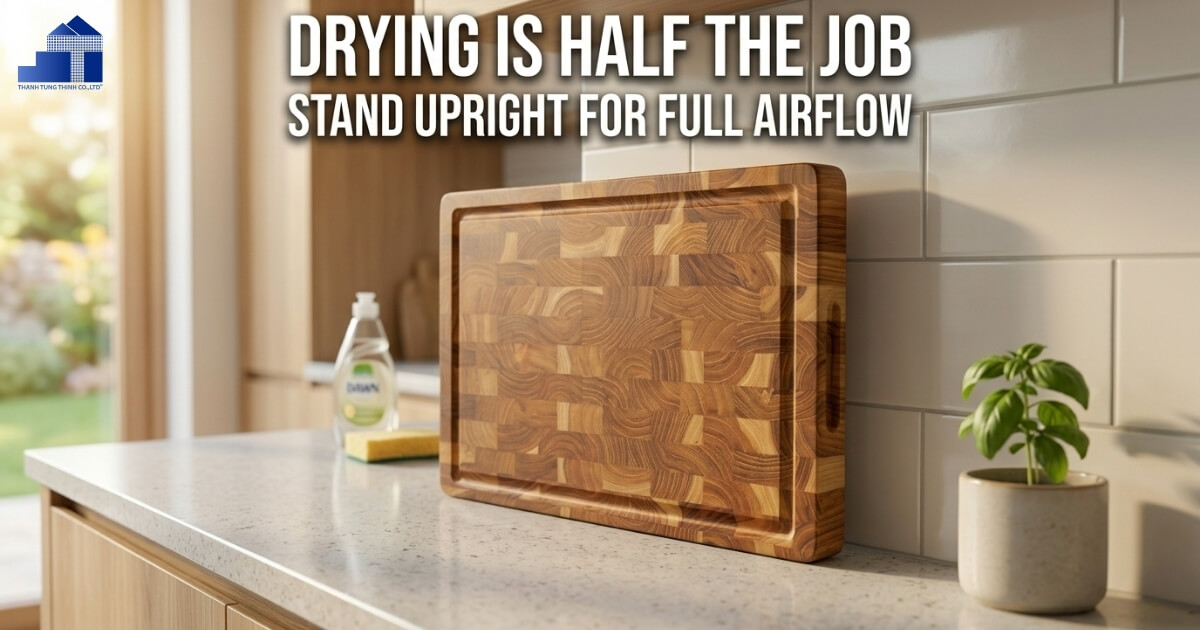
Drying is not a footnote. It’s half the job. Anyone learning how to clean wooden cutting board properly should treat drying as part of the cleaning process, not a separate afterthought.
- Towel dry first
- Stand the board upright
- Let air move around both sides
- Never store it damp in a pile
Extension sources specifically recommend full drying and upright storage for airflow.
Oil the board regularly
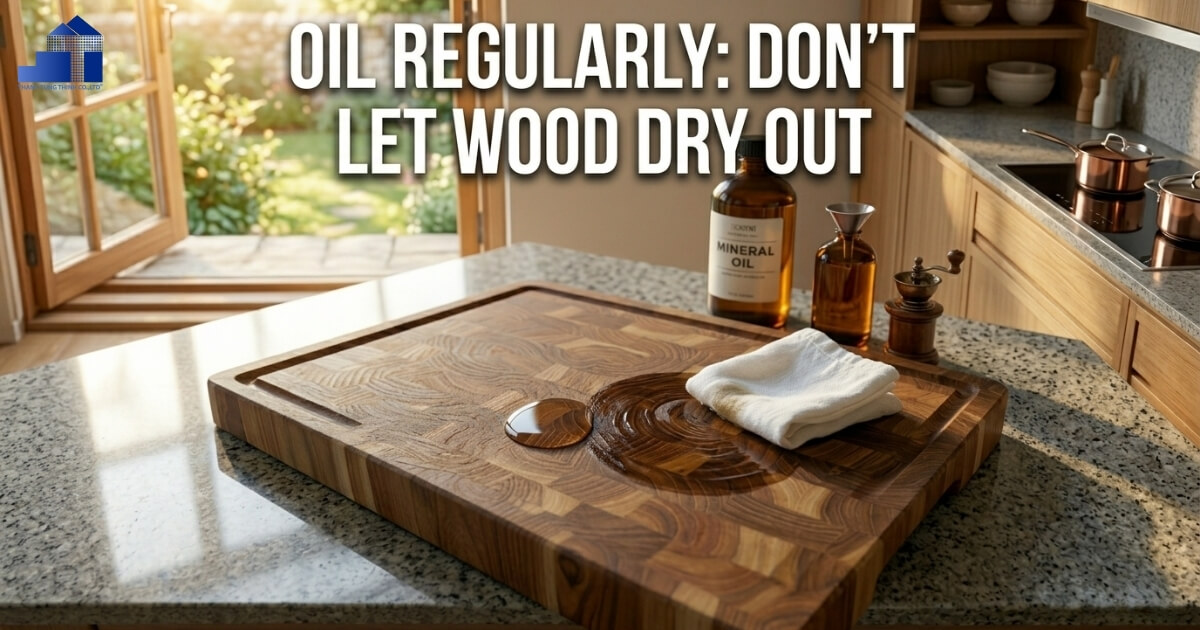
To keep wood from drying out and cracking, apply food-grade mineral oil or a mineral-oil/beeswax conditioner regularly – about monthly, or whenever the board looks thirsty. UMaine Extension recommends food-safe mineral oil or beeswax for conditioning.
Oils to avoid
Skip olive oil, vegetable oil, and nut-based oils. They can turn sticky or go rancid over time. Food-grade mineral oil is the standard safer choice for boards used with food.
When to Replace Your Wooden Cutting Board
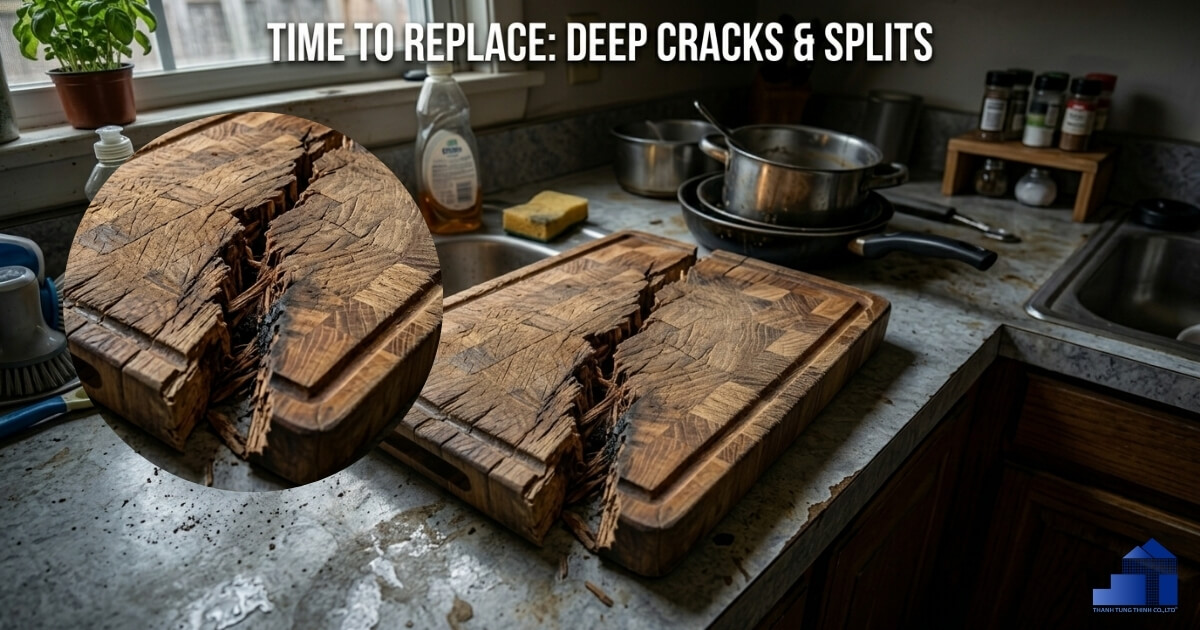
Replace it when you see:
- Deep grooves that stay dark or trap residue
- Cracks, splits, or warping
- Persistent odors that won’t go away
- Recurring mold
- A rough, furry, or damaged surface you can’t clean well
USDA’s rule is blunt and useful: if the board is excessively worn or develops hard-to-clean grooves, it should be replaced.
Common Mistakes That Ruin a Wooden Cutting Board
- Soaking it in water
- Putting laminated boards in the dishwasher
- Leaving it wet on the counter
- Using cooking oils instead of food-grade mineral oil
- Using one board for everything and calling it “efficient”
- Keeping a board long after deep grooves take over
A little laziness is normal. A swampy cutting board is not.
Expert Corner – The Clean vs Sanitize vs Replace Rule
Use this kitchen rule and you’ll stay out of trouble:
- Clean after everyday use with hot, soapy water
- Sanitize after raw meat, poultry, or seafood
- Replace when grooves, cracks, mold, or damage make proper cleaning unrealistic
That’s the whole playbook, really. Simple beats clever in food safety. If you remember nothing else about how to clean wooden cutting board safely, remember this rule.
Looking for a Reliable Wooden Cutting Board Supplier? Consider Thanh Tung Thinh
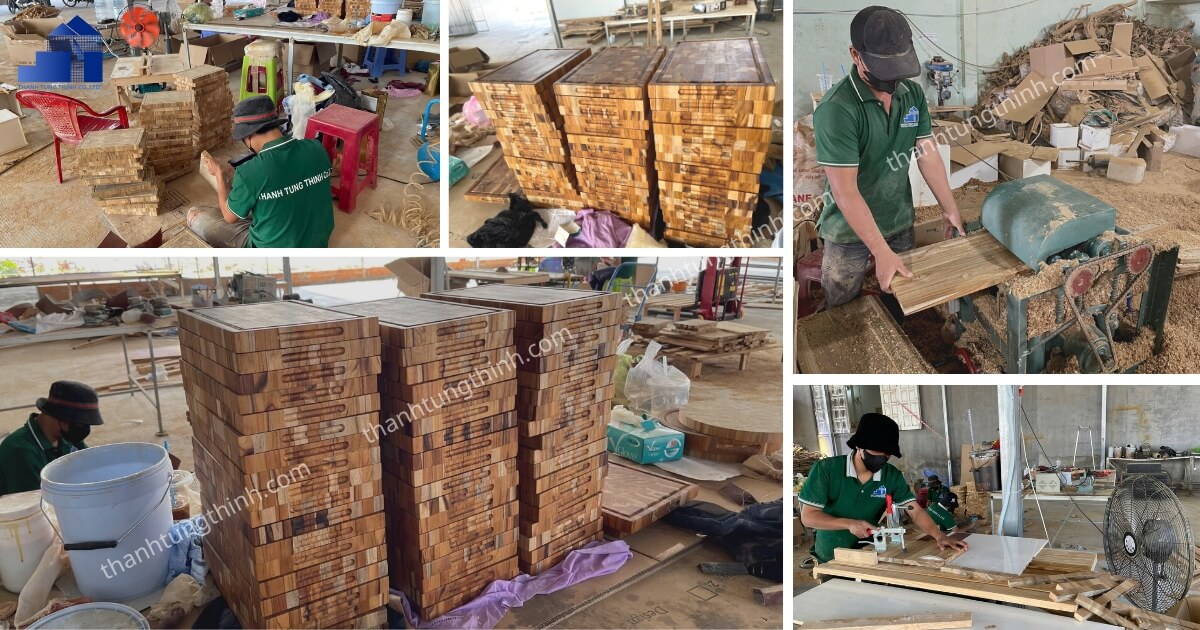
A smart cleaning routine will help any board last longer, but product quality still sets the ceiling. Thanh Tung Thinh is a Vietnam-based wooden products manufacturer offering items such as wooden cutting boards and trays, along with a wider range of kitchenware and household products.
The company highlights more than 15 years of production experience and certifications including ISO 9001:2015, SGS, FSC/CoC, and BSCI, which may appeal to buyers who care about quality control, sourcing standards, and consistent production.
For wholesalers, restaurant owners, private-label brands, and retailers, that makes Thanh Tung Thinh worth considering. The company also notes that its products are packaged to meet requirements for major platforms like Amazon and Walmart, and that it manufactures and exports without intermediaries, which can be attractive for buyers seeking factory-direct pricing and customization. In other words, if you are replacing a worn-out board or sourcing wooden kitchenware at scale, Thanh Tung Thinh is a relevant supplier to explore.
FAQs
Can you cut raw meat on a wooden cutting board?
Yes. USDA says consumers may use wood or a nonporous surface for raw meat and poultry. The catch is proper washing, sanitizing when needed, and avoiding worn-out boards.
Can you cut raw chicken on a wooden cutting board?
Yes, but it demands stricter handling. Wash immediately with hot, soapy water, then sanitize, rinse, and dry. A separate board for poultry is the safer routine.
Should you cut meat on a wooden cutting board?
You can, but many cooks prefer wood for produce and a separate nonporous board for raw meat because nonporous materials are easier to clean and sanitize.
How do you clean a wooden cutting board after chicken?
Wash with hot, soapy water, rinse, then sanitize with 1 tablespoon unscented liquid chlorine bleach per 1 gallon of water. Let it stand for several minutes, rinse, and dry thoroughly.
Is lemon and salt enough to sanitize a wooden cutting board?
Not if it touched raw meat or chicken. Lemon and salt are useful for odor and surface cleaning, but USDA’s sanitizing guidance points to a bleach solution or an approved food-contact sanitizer for that job.
When should you throw away a wooden cutting board?
Throw it away when it has deep grooves, cracks, recurring mold, or damage that makes it hard to clean thoroughly. USDA says excessively worn boards or boards with hard-to-clean grooves should be discarded or replaced.
For restaurant owners: local rules can differ, and the FDA Food Code is a model code that jurisdictions adopt in different ways, so check your local health department requirements for commercial kitchens.
Read more:
- Select Fully Traceable Sustainable Wood Manufacturing | Farm to Factory Fully Traceable Sustainable Wood Manufacturing | Farm to Factory
- Mastering Wood Tableware OEM: Flawless Precision & Bespoke Design

