


Table of Contents
In today’s global homeware and hospitality market, wood tableware is no longer just a functional product. It represents sustainability, craftsmanship, brand identity, and compliance with international standards. For importers, distributors, and private-label brands, choosing the right wood tableware OEM factory is a strategic decision that directly impacts product quality, cost efficiency, and long-term supply stability.
This article provides a comprehensive, expert-level guide to understanding OEM wood tableware manufacturing, common buyer concerns, and how a professional factory ensures precision production and custom design tailored to global markets.
Understanding the Role of a Wood Tableware OEM Factory
A wood tableware OEM factory specializes in producing wooden dining and kitchen products strictly based on the buyer’s specifications, rather than offering mass-produced, off-the-shelf items. This OEM model is ideal for brands seeking private label solutions, customized designs, and consistent large-scale manufacturing for international markets.
Typical products manufactured by a professional wood tableware OEM factory include:
- Wooden plates and serving trays
- Salad bowls and mixing bowls
- Cutting boards and cheese boards
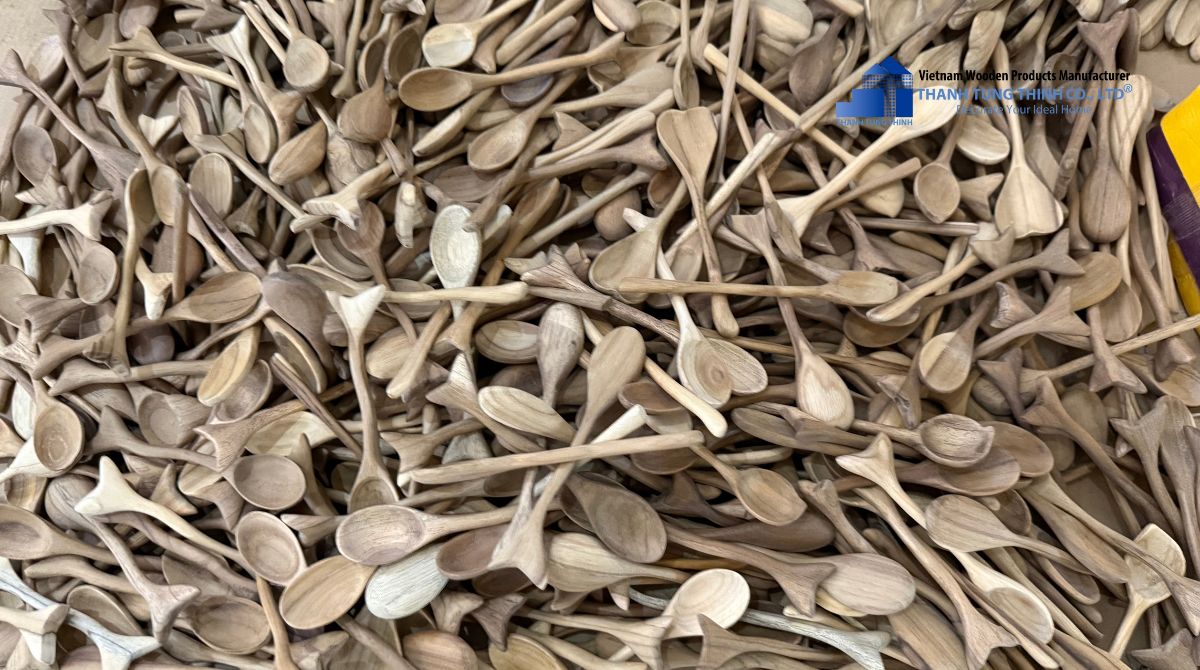
- Wooden spoons, forks, spatulas, and kitchen utensils
- Customized tableware collections for hospitality and retail brands
Unlike trading companies or intermediaries, a direct OEM factory controls the entire production process in-house from material selection and machining to finishing and final inspection. This allows buyers to maintain full control over product quality, wood sourcing, surface treatments, branding details, and compliance with food-contact and export regulations, ensuring long-term reliability and consistency across all orders.
Why Buyers Search for a Precision Wood Tableware OEM Factory
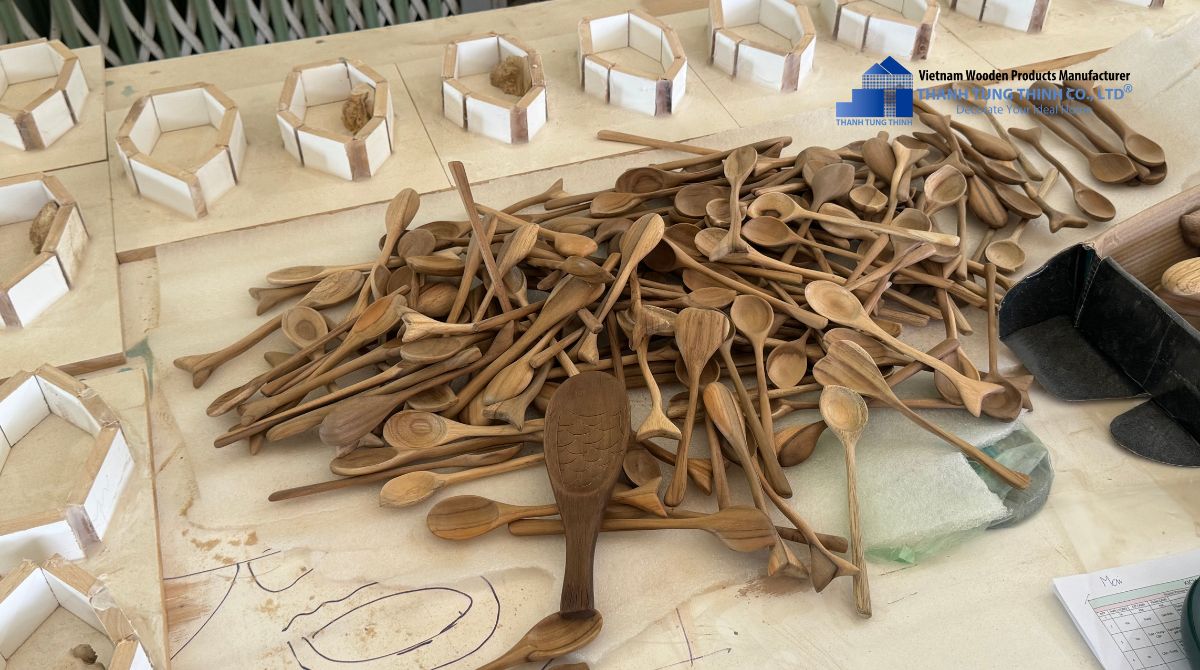
International buyers seeking a wood tableware OEM factory often encounter the same critical challenges when sourcing wooden dining and kitchen products for export markets. These concerns directly impact product reliability, brand reputation, and long-term supply stability.
The most common issues include:
- Inconsistent quality between approved samples and mass production orders
- Limited customization capabilities that restrict brand differentiation
- Lack of transparency in wood sourcing and legal compliance documentation
- Food safety risks caused by improper finishing or non-certified coatings
- Unstable production capacity that cannot support large or recurring orders
A professional precision wood tableware OEM factory is specifically structured to eliminate these risks. Through controlled manufacturing processes, strict quality control systems, and transparent communication, such factories ensure consistent product standards, regulatory compliance, and reliable delivery, allowing buyers to scale confidently without compromising quality.
Precision Manufacturing: The Foundation of Quality Wood Tableware
Precision manufacturing is a critical requirement in wood tableware production, not an optional enhancement. Even minor inaccuracies in processing can lead to cracking, warping, surface defects, or food safety risks, particularly after long-distance transportation and prolonged use.
A reliable wood tableware OEM factory applies precision control throughout every production stage, starting from raw material selection.
Material Selection & Moisture Control
High-quality wood tableware begins with carefully selected and properly processed raw materials. Common wood species used in OEM tableware manufacturing include:
- Rubberwood
- Acacia wood
- Teak wood
- Coffee wood
Each wood type has different density and moisture characteristics, requiring controlled kiln drying to reach optimal moisture levels suitable for food-contact products. Improper moisture control is one of the primary causes of deformation, cracking, and dimensional instability after export, particularly in changing climates.
By maintaining precise moisture standards, a professional OEM factory ensures structural stability, long-term durability, and consistent product quality across large production volumes.
CNC Machining & Skilled Hand Finishing
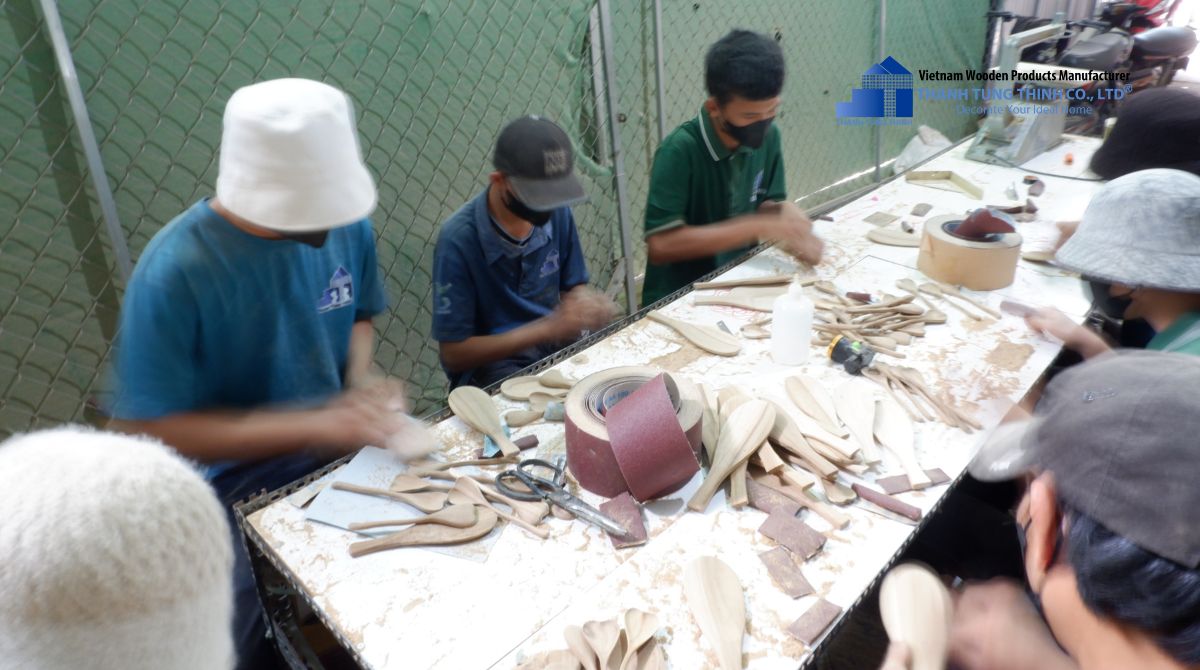
Modern wood tableware OEM factories integrate advanced CNC machining with skilled hand-finishing craftsmanship to achieve both precision and consistency. CNC technology ensures accurate dimensions and repeatability across large production runs, while manual finishing allows careful refinement of edges and surfaces that machines alone cannot fully achieve.
This combined approach ensures:
- Consistent thickness, shape, and weight across all products
- Smooth, rounded edges that are safe for direct food contact
- Uniform appearance and finish quality across large-volume orders
By balancing automated efficiency with artisanal attention to detail, OEM factories maintain high production efficiency without sacrificing the handcrafted quality expected in premium wood tableware.
Food-Safe Surface Treatment
Precision manufacturing also extends to surface finishing, which plays a critical role in both durability and food safety. A professional wood tableware OEM factory applies only approved, food-safe treatments designed specifically for wooden kitchenware.
These typically include:
- Food-grade oils or certified surface coatings
- Non-toxic, odorless finishing materials
- Smooth, sealed surfaces that resist moisture and bacterial absorption
Proper surface treatment is essential for meeting international food-contact standards such as FDA, LFGB, and EU regulations. When applied correctly, these finishes enhance product lifespan, ensure user safety, and protect the brand reputation of buyers in regulated global markets.
Custom Design Capabilities for OEM Wood Tableware
Customization is one of the key reasons international brands choose a wood tableware OEM factory instead of wholesalers or ready-made suppliers. OEM manufacturing allows buyers to develop products that fully reflect their brand identity while meeting specific functional and market requirements.
A capable wood tableware OEM factory offers comprehensive customization across all critical aspects of the product.
Custom Shapes & Dimensions
OEM buyers can define precise product specifications, including size, thickness, curvature, and edge profiles. This level of control ensures that each item aligns perfectly with brand aesthetics, ergonomic expectations, and practical usage requirements, whether for retail collections or hospitality applications.
Logo & Branding Options
Professional OEM factories support multiple branding techniques to suit different design styles and positioning, such as:
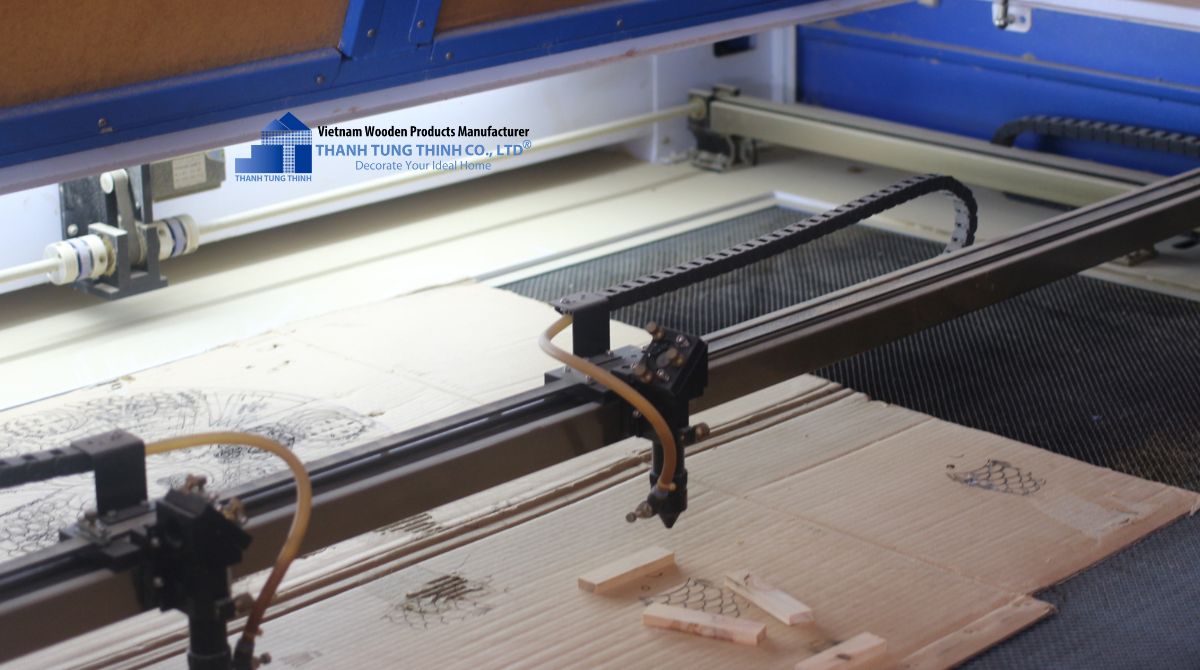
- Laser engraving for clean, permanent branding
- Heat stamping for natural, subtle logo impressions
- Embossed or debossed logos for distinctive brand identity
Strict production controls ensure logo placement, depth, and clarity remain consistent across all units, even in large-volume orders.
Surface Finish & Color Control
Surface appearance plays a major role in perceived product quality. OEM factories can adjust sanding levels, oil tones, and the visibility of natural wood grain to achieve the desired finish, ranging from refined, premium looks to more organic, rustic styles, while maintaining food-safe standards.
Packaging Customization
Beyond the product itself, a professional wood tableware OEM factory also provides flexible packaging solutions, including:
- Custom-branded retail boxes
- Eco-friendly kraft or recyclable packaging
- Bulk export cartons with buyer-specific labeling and markings
This end-to-end customization enables brands to receive fully market-ready products that are consistent, compliant, and ready for distribution upon arrival.
Compliance & Certifications: A Critical OEM Requirement
For global buyers, compliance is not optional; it is a fundamental requirement. A professional wood tableware OEM factory must fully understand international regulatory frameworks and embed compliance standards into its daily manufacturing and management processes.
Key compliance areas typically include:
- FSC®-certified or legally sourced wood materials, ensuring responsible forestry and legal timber origin
- Food-contact safety compliance, meeting FDA, LFGB, and relevant EU regulations for wooden kitchenware
- Complete export documentation and material traceability, supporting smooth customs clearance and regulatory inspections
- Ethical labor practices and factory audit readiness, aligned with buyer codes of conduct and international sourcing standards
OEM factories that maintain proper certifications and transparent compliance systems significantly reduce buyer risk. They help prevent shipment delays, regulatory penalties, and brand reputation issues, while ensuring efficient customs clearance and long-term access to regulated global markets.
Quality Control Systems in OEM Wood Tableware Production
Quality consistency is one of the most critical concerns for international importers when sourcing wood tableware. Variations between approved samples and bulk shipments can lead to costly returns, brand damage, and long-term supply risks. A reliable wood tableware OEM factory addresses this challenge through a structured, multi-layer quality control system.
Incoming Material Inspection
Before production begins, all wood materials are carefully inspected to ensure they meet defined standards. This includes checking moisture levels, identifying natural defects, and evaluating grain stability to prevent cracking or deformation during processing and export.
In-Process Quality Checks
Quality control continues throughout the machining and finishing stages. Trained operators and supervisors regularly inspect:
- Product dimensions and tolerance accuracy
- Surface smoothness and edge finishing
- Structural integrity and overall workmanship
These in-process checks help detect and correct issues early, reducing waste and ensuring consistency across large production volumes.
Final Inspection Before Export
Before shipment, finished products undergo a final inspection to verify:
- Absence of visual defects or surface imperfections
- Accuracy and consistency of logos and branding elements
- Correct packaging, labeling, and carton specifications
This systematic approach ensures that bulk shipments fully match approved samples and buyer requirements, giving importers confidence in product quality and delivery reliability.
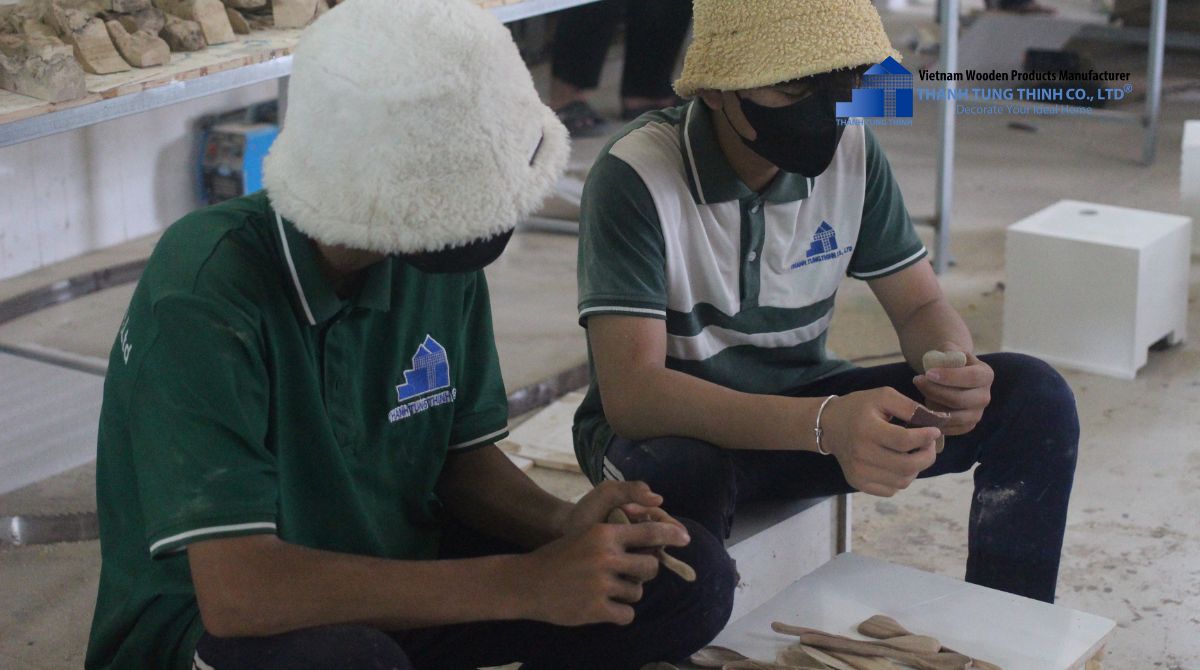
OEM Production Capacity & Supply Stability
For large-volume buyers, production capacity and delivery reliability are critical decision factors. A professional wood tableware OEM factory structures its operations to ensure stable output, consistent quality, and on-time delivery, even under fluctuating demand conditions.
Effective production planning is typically based on:
- Scalable machinery and a trained workforce, capable of adjusting output without compromising precision
- Clear production timelines and scheduling systems, aligned with buyer order cycles and shipping plans
- Strategic raw material stock management, ensuring uninterrupted production during peak seasons
Factories with strong capacity planning can reliably support both seasonal demand surges and long-term supply contracts, providing buyers with the confidence to scale their business without supply disruptions or quality inconsistency.
OEM vs ODM in Wood Tableware Manufacturing
Understanding the difference between OEM and ODM manufacturing models helps buyers select the most suitable cooperation approach based on their development stage and market strategy.
- OEM (Original Equipment Manufacturer): In the OEM model, the buyer provides detailed product designs, technical specifications, and branding requirements. The factory focuses on precision manufacturing according to these inputs, offering maximum control over product identity, quality standards, and compliance requirements.
- ODM (Original Design Manufacturer): In the ODM model, the factory offers pre-developed product designs that buyers can modify, customize, or rebrand. This approach is ideal for buyers seeking faster time-to-market with lower development costs.
Most experienced wood tableware OEM factories support both OEM and ODM models, allowing international buyers to balance customization depth, development timelines, and budget considerations while maintaining consistent quality standards.
Cost Efficiency Without Compromising Quality
A common misconception among buyers is that OEM manufacturing automatically leads to higher costs. In practice, working directly with a professional wood tableware OEM factory often results in lower long-term expenses and better cost control.
Key cost-efficiency advantages include:
- Elimination of trade markups by sourcing directly from the factory
- Reduced defect-related losses through consistent quality control and repeatable processes
- Improved packaging and shipping efficiency, optimized for export logistics
- Stable, repeatable quality across orders, minimizing rework and replacement costs
True cost efficiency in OEM manufacturing comes from process optimization, production planning, and quality consistency, not from cutting corners on materials or workmanship.
Who Should Work with a Wood Tableware OEM Factory?
OEM manufacturing is particularly suitable for organizations that prioritize long-term brand value and supply reliability. Typical OEM buyers include:
- Homeware brands are developing private-label or exclusive product collections
- Hospitality groups requiring a consistent, large-volume tableware supply
- Retailers seeking differentiated designs and controlled product quality
- Importers distributing products across multiple regional or international markets
For buyers where brand consistency, regulatory compliance, and scalable production are essential, partnering with a wood tableware OEM factory is the most effective manufacturing approach.
How to Evaluate a Reliable Wood Tableware OEM Factory
Selecting the right manufacturing partner is critical for long-term success. Before establishing an OEM partnership, buyers should carefully evaluate the factory based on the following criteria:
- Proven manufacturing experience in wood tableware production
- Transparency in production processes and material sourcing
- Structured quality control and inspection systems
- Strong customization and private-label capabilities
- Demonstrated export experience and compliance knowledge
Factories that welcome audits, provide detailed samples, and maintain clear, professional communication are far more likely to become long-term strategic partners rather than short-term suppliers.
Conclusion
Choosing the right Wood tableware OEM factory is not just about production; it is about building a long-term manufacturing partnership that safeguards quality, compliance, and brand reputation. With precision manufacturing processes, flexible custom design capabilities, and strict quality control systems, Thanh Tung Thinh delivers reliable OEM solutions tailored to the exact requirements of global buyers.
Read more: Wholesale Wooden Tableware: Your Complete Guide to Sourcing Eco-Friendly Dining Solutions in 2025

