


Table of Contents
Teak wood for wooden products is increasingly recognized as the benchmark material for brands and importers who value durability, aesthetics, and sustainable credibility. Unlike other hardwoods, teak combines natural oils, dense grain, and high dimensional stability — allowing manufacturers to craft export-quality kitchenware, trays, and décor that perform beautifully for years.
With more than a decade of OEM production experience, we’ve seen how choosing teak can transform a product line from ordinary to premium. Its blend of technical reliability and timeless elegance makes it an unmatched material for global buyers who expect both quality consistency and environmental responsibility.
Introduction — Teak Wood for Wooden Products
Teak wood for wooden products is increasingly the material of choice for global OEM buyers who need durability, premium aesthetics, and compliance at scale. With its naturally high oil content, tight grain, and golden-brown tone, teak delivers long-term performance in kitchenware, tabletop, and décor—without over-engineering or heavy coatings. From a procurement lens, it de-risks launches, supports premium price architecture, and aligns with sustainability mandates.
Key value drivers for B2B decision-makers:
- Operational resilience: dimensional stability and moisture resistance reduce transit damage and returns.
- Premium positioning: “teak” signals luxury, enabling higher MSRP and margin uplift.
- Sustainability readiness: widely available with FSC options, supporting Lacey Act/EUDR requirements.
- Design flexibility: machines cleanly, finishes elegantly (oil/wax/UV), and pairs well with metal, glass, and ceramics.
Teak vs Other Popular Woods — A Practical Comparison for Buyers
When developing new OEM collections, material selection directly impacts performance, sustainability compliance, and final retail positioning. Many importers compare teak wood for wooden products against alternatives like acacia, rubberwood, or beech — all common in Vietnam’s export ecosystem.
Here’s a clear comparison from a manufacturing and market perspective 👇
| Feature | Teak Wood | Acacia Wood | Rubberwood | Beech Wood |
|---|---|---|---|---|
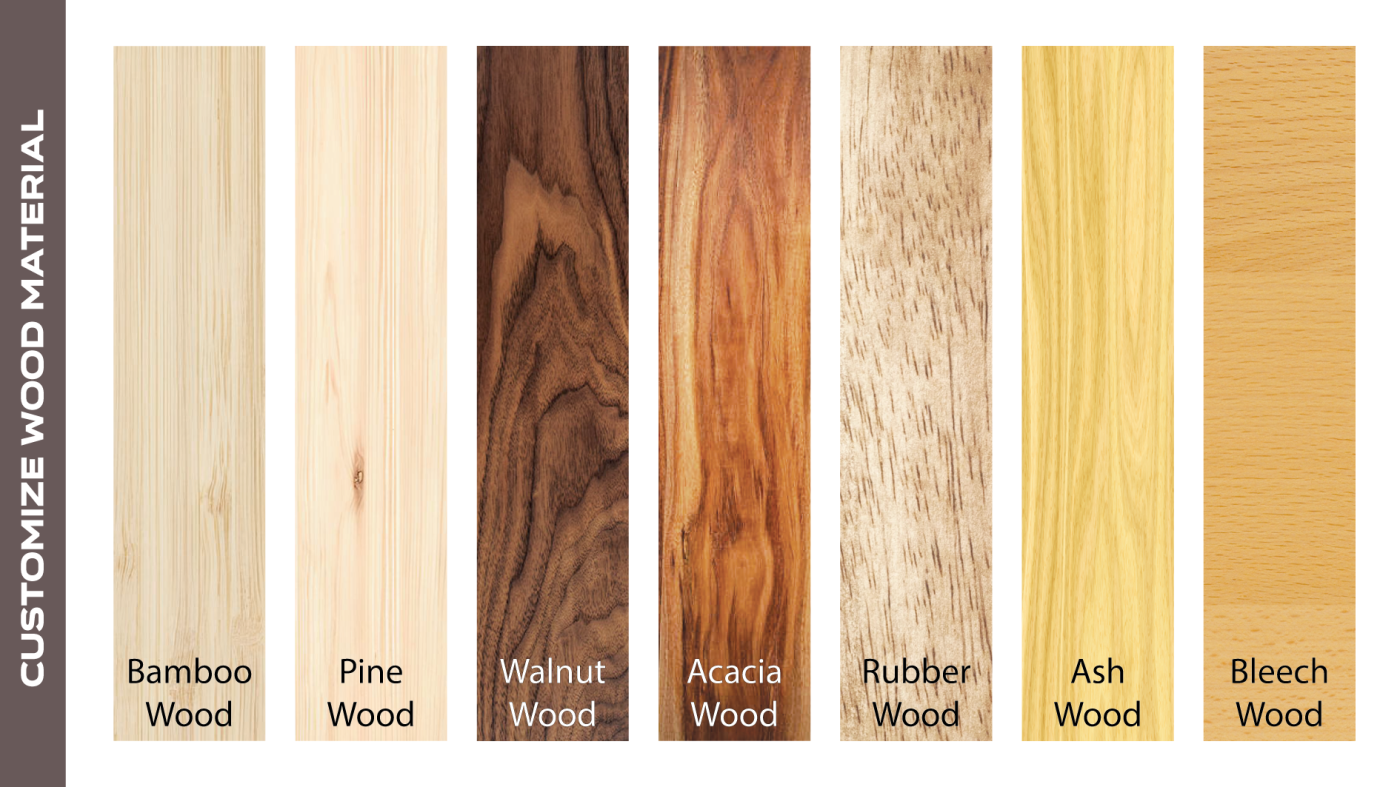
| Appearance | Golden brown, smooth grain, rich patina | Warm tone, visible grain variation | Pale cream, fine grain | Light pinkish tone, uniform |
| Durability | ★★★★★ — extremely stable, resists cracking | ★★★★☆ — solid but can warp in humidity | ★★★☆☆ — softer, prone to dents | ★★★★☆ — durable indoors |
| Moisture Resistance | Excellent (natural oils & silica) | Good with oil coating | Fair, requires heavy finishing | Moderate, not for wet use |
| Maintenance | Minimal; oil occasionally | Moderate; oil & dry regularly | High; must be sealed | Moderate |
| Sustainability | FSC-certified plantations available | FSC widely available | Eco-friendly, plantation-grown | Certified sources available |
| Ideal Applications | Premium cutting boards, trays, lids, and outdoor décor | Mid-range serveware, kitchen tools | Entry-level furniture, gift boxes | Tableware, utensils, home décor |
Key Takeaways for Buyers
- Teak vs Acacia: Both are durable and visually appealing, but teak lasts longer in humid climates and supports a luxury brand image.
- Teak vs Rubberwood: Rubberwood is cost-efficient but lacks teak’s strength and moisture resistance — better for budget or dry-use products.
- Teak vs Beech: Beech has a lighter tone and European aesthetic, but is less suited for tropical shipping conditions or outdoor use.
Strategic Implication for OEM Sourcing
Choosing teak allows OEM partners to:
- Target premium and hospitality markets with confidence.
- Justify higher retail price points through durability and sustainability claims.
- Reduce warranty issues and product returns related to warping or cracking.
For importers balancing long-term quality and sustainability, teak isn’t just a material upgrade — it’s a strategic advantage that elevates every SKU from “functional” to “premium export-ready.”
The Business Advantage of Using Teak in OEM Manufacturing
For serious importers and private-label brands, material choice isn’t simply about aesthetics — it’s about profitability, reputation, and long-term product stability.
When sourcing from Vietnam or Southeast Asia, choosing teak wood for wooden products provides a measurable business edge in global markets.
1. Higher Perceived Value and Premium Brand Positioning
“Teak” has become a market signal synonymous with quality and craftsmanship.
Retailers and distributors can confidently present teak collections as premium-grade offerings, commanding higher MSRPs and attracting discerning consumers who associate teak with long-lasting value and luxury living.
- Premium kitchenware and gift sets labeled “Teak Wood” consistently outperform acacia or rubberwood lines in both conversion and repeat purchase rate.
- Hospitality and boutique brands leverage teak to highlight natural luxury and sustainable authenticity.
2. Reduced Lifecycle Cost and Lower Return Rate
From a total cost of ownership perspective, teak minimizes post-sale complications:
- Fewer defects caused by humidity or warping during shipping.
- Minimal maintenance or coating required post-export.
- Fewer warranty claims or replacements.
While teak’s upfront material cost may be higher, the overall ROI improves through operational efficiency, reduced risk, and longer shelf life — particularly for products shipped to high-humidity or seasonal markets.
3. Supply Chain Credibility and ESG Compliance
Modern buyers evaluate not only price but also sourcing transparency.
Vietnam’s certified teak supply network allows OEM manufacturers to provide FSC documentation, BSCI audits, and full traceability — giving importers confidence for both compliance and branding.
Working with a certified OEM partner ensures your teak wood products meet EUDR and Lacey Act standards while supporting global sustainability narratives.
4. Greater Design and Product Versatility
Teak is remarkably adaptable:
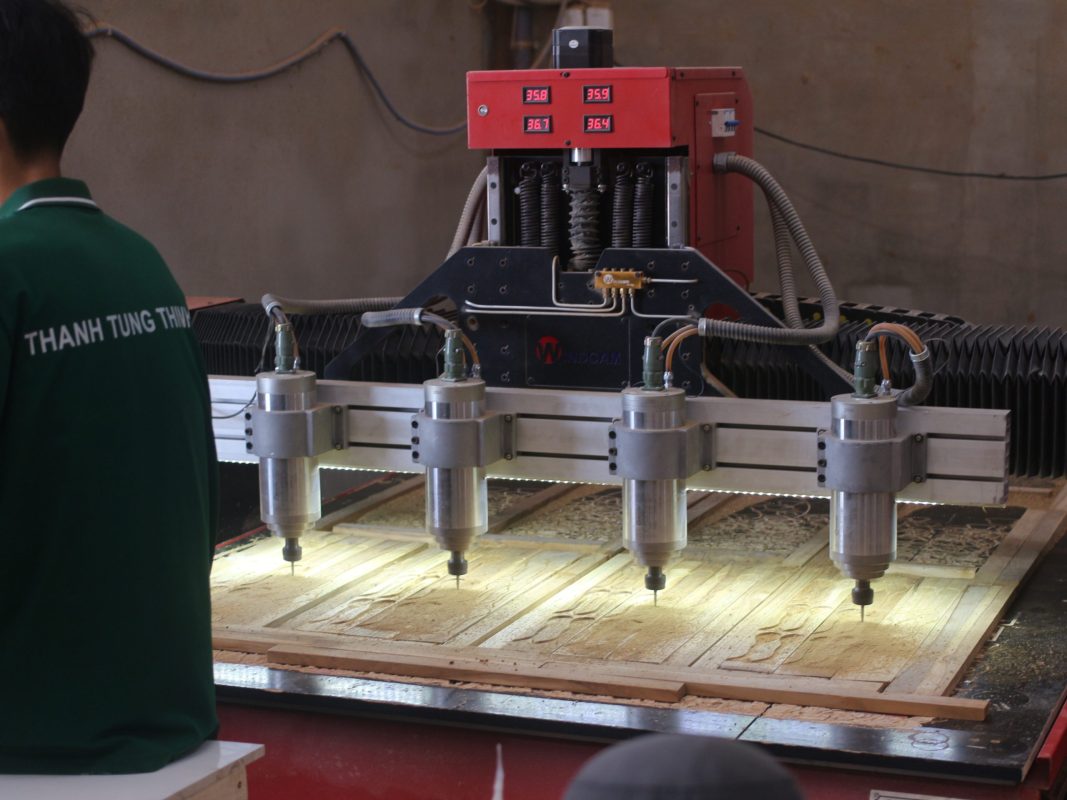
- Suitable for both traditional handicraft and CNC precision shaping.
- Compatible with metal, leather, or ceramic components.
- Accepts oil, wax, or UV coatings beautifully — letting brands achieve a natural matte or refined glossy finish depending on market preference.
In essence, teak wood for wooden products doesn’t just enhance craftsmanship — it strengthens your brand’s commercial strategy.
It allows you to build a collection that’s premium by perception, compliant by certification, and consistent by performance
Sustainability and Certification — Building Trust Through Responsible Teak Sourcing
In today’s global trade landscape, sustainability is no longer a marketing angle — it’s a compliance requirement and a brand differentiator.
Buyers, especially in the U.S., EU, and Japan, now prioritize suppliers who can guarantee traceability and environmental responsibility at every stage of production. That’s where teak wood for wooden products stands out.
1. Legally Sourced, Ethically Managed
Teak used in Vietnam’s manufacturing ecosystem is primarily harvested from FSC-certified plantation forests across legally regulated regions in Asia and Africa.
This ensures:
- Zero involvement with illegal logging or old-growth forest depletion.
- Regulated harvest cycles with reforestation commitments.
- Full Chain of Custody (CoC) documentation from forest to final export.
Every shipment can be accompanied by FSC and Lacey Act declarations — a key requirement for importers working with global retailers or distributors.
2. Compliance With Global Sustainability Frameworks
Vietnamese OEM manufacturers like ours integrate multiple certifications that align with buyer mandates:
- FSC® (Forest Stewardship Council) — verifies responsible forest management.
- BSCI / SEDEX — ensures ethical labor practices.
- ISO 9001 & 14001 — maintain consistent quality and environmental control.
- EUDR / Lacey Act Ready — supports traceability for timber legality in the EU and U.S. markets.

These frameworks not only protect ecosystems but also strengthen the buyer’s brand reputation for environmental stewardship.
3. Sustainable Processing, Less Waste
Our production lines are optimized for material efficiency:
- Offcuts and sawdust are repurposed for biomass energy or recycled into composite materials.
- Finishes use non-toxic, food-safe oils and water-based coatings to minimize VOC emissions.
- Packaging utilizes recycled or FSC-certified cardboard to ensure full eco-compliance across the supply chain.
This integrated sustainability model helps OEM buyers fulfill ESG reporting criteria and communicate transparency to their retail partners.
4. Why Sustainability Adds Market Value
Consumers now associate “eco-friendly” with “premium.”
When your teak collection carries verified certifications, it gives your distributors and end buyers confidence that your brand aligns with their values — driving loyalty and differentiation in competitive markets.
In essence, sourcing teak wood for wooden products through certified Vietnamese manufacturers doesn’t just meet environmental standards — it transforms your supply chain into a strategic sustainability asset.
14+ Years of OEM Expertise — Enhancing the Value of Every Teak Product
With more than 14 years of continuous production experience, our factory has refined every stage of the OEM process to unlock the full potential of teak wood for wooden products. From raw material preparation to export logistics, we bring precision, consistency, and craftsmanship that global buyers can rely on.
1. Controlled Quality from the Start
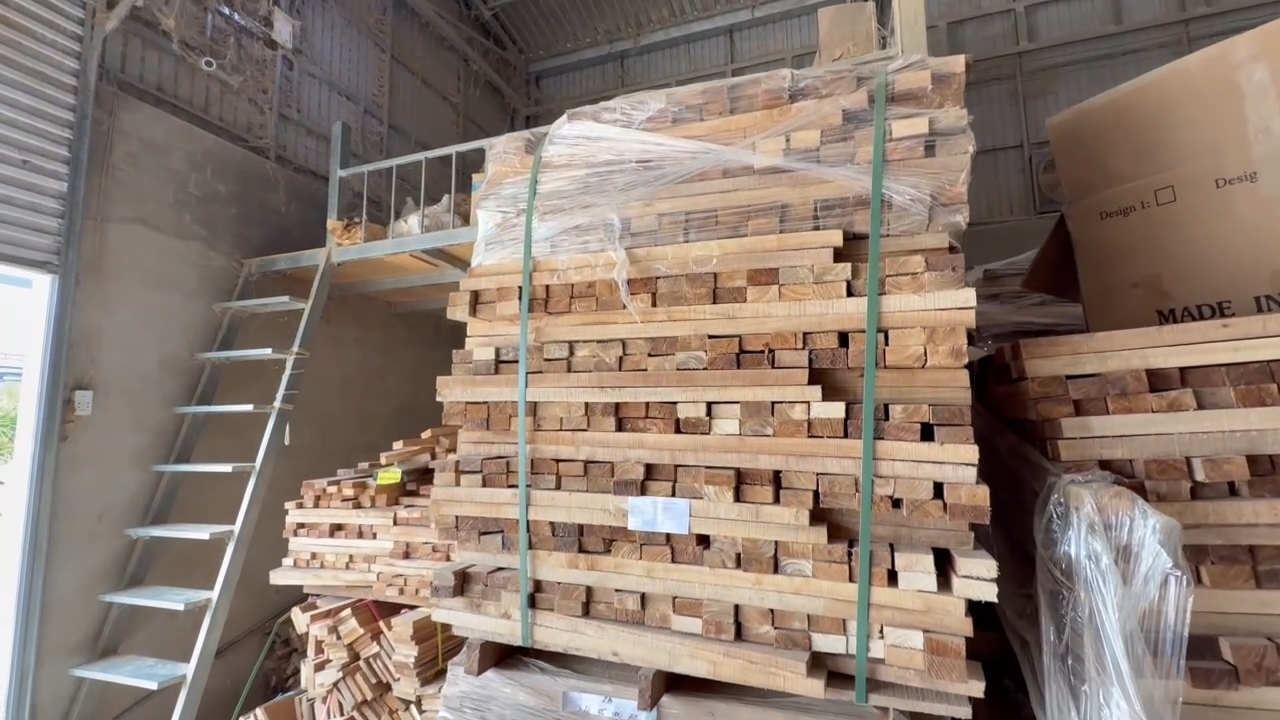
We begin with kiln-dried teak maintained at a stable moisture level of 8–12%, ensuring that every piece resists warping, cracking, or mold — even after long-distance shipping. Each batch is inspected for uniform tone and grain, matching the aesthetic standards of high-end retail brands.
2. Advanced Machining Meets Handcrafted Precision
Our production combines modern CNC equipment with the skill of experienced craftsmen:
- CNC shaping for precise dimensions and design consistency.
- Hand sanding for a natural, tactile surface feel.
- Custom oiling and coating to highlight teak’s natural luster while ensuring food-safe protection.
- Laser engraving and branding options for private-label or promotional collections.
This balance of automation and artistry enables both mass-production efficiency and custom-design flexibility — ideal for diverse B2B client requirements.
3. Proven Export Performance
Over 14 years, we have supplied teak, acacia, and mixed-wood collections to partners across the U.S., Europe, Japan, and Australia.
Our understanding of packaging, documentation, and inspection standards — including SGS, Intertek, and BV tests — ensures every shipment passes destination-country regulations.
Buyers benefit from:
- Predictable lead times (45–60 days).
- Professional export documentation (FSC, FDA, Prop 65, EUDR-ready).
- Consistent communication and order tracking throughout production.
4. OEM Collaboration and Product Development Support
Beyond manufacturing, our R&D team collaborates with clients to design, test, and refine new SKUs using teak and other certified woods.
Whether it’s developing cutting boards for high-end retail, gift box sets for hospitality, or custom tray designs for e-commerce, we help brands turn ideas into scalable export-ready products.

Read more: “The 10 Best Wooden Kitchen Utensils for Cooking: Expert Guide by Wood Type”
Design Inspiration — Modern Ways to Use Teak
For OEM brands and importers developing new collections, teak offers a design versatility that few other woods can match. Its warm tone, fine grain, and natural durability make it a perfect foundation for both contemporary and classic aesthetics—from minimalist Scandinavian to tropical resort styles.
1. Modern Lifestyle Trends Driving Teak’s Popularity
- Japandi & Warm Minimalism: Teak’s subtle golden hue pairs beautifully with neutral palettes and soft shapes, creating calm, high-value interiors.
- Eco-Luxury: Consumers perceive teak as a sustainable luxury—natural, tactile, and timeless, ideal for brands that emphasize environmental awareness.
- Outdoor-Indoor Crossover: Its moisture resistance enables cohesive product ranges that flow from kitchen and dining to patio and garden décor.

Read more: “The best wood for cooking utensils: how to choose the right material”
2. Material Pairings for Modern OEM Development
Teak complements other materials effortlessly:
- Metal Accents: Brushed brass or black steel elevates teak’s premium character in trays, racks, or table accessories.
- Ceramic and Glass: Highlight contrast in textures for kitchen collections or candle holders.
- Fabric or Leather: For premium gift boxes or lifestyle décor items.
These combinations allow importers to build visually consistent SKUs across categories—maintaining both design harmony and production efficiency.
3. Design Applications That Work
Examples of successful teak-based OEM developments:
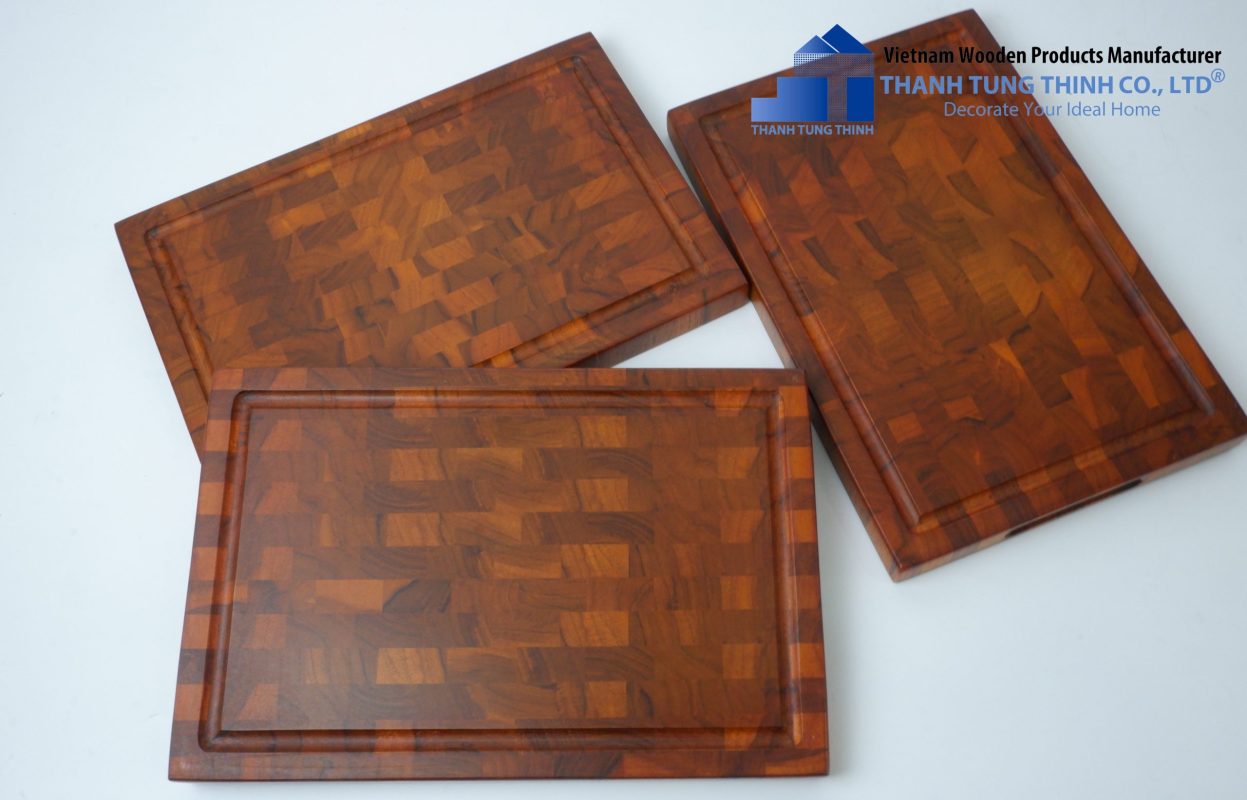
- Multi-tone cutting boards and serving platters combining teak and acacia.
- Teak-lid glass jars or ceramic containers for high-end kitchen storage.
- Hospitality trays, coasters, and condiment racks that balance beauty with durability.
- Gift or packaging sets using teak elements to create a luxury unboxing experience.

4. Key Takeaway for Product Developers
Teak wood for wooden products offers unmatched design continuity: the same material can define an entire product story—from tabletop to packaging—creating a unified brand identity rooted in craftsmanship and sustainability.
When to Choose Teak for Your Product Line
Every successful OEM buyer knows that not all woods fit every market segment. Choosing teak wood for wooden products is a strategic decision — one that aligns design goals, price positioning, and customer expectations. Below are the key scenarios where Teak delivers the strongest commercial and brand advantages.
1. When Targeting the Premium or Hospitality Market
Teak embodies refinement and reliability, making it ideal for premium retailers, hotels, and boutique hospitality chains.
- High resistance to moisture and wear ensures consistent performance under heavy use.
- Its natural luxury look complements upscale dining and gifting experiences.
- Buyers can confidently label collections as “crafted from Teak”, adding perceived value at the point of sale.
Read more: “How to Choose a Wooden Cutting Board Supplier That Maximizes Your Profits”
2. When Your Brand Focuses on Longevity and Sustainability
If your brand emphasizes durability, traceability, or ESG goals, teak reinforces that positioning.
- FSC-certified teak meets global compliance requirements.
- Long lifecycle and minimal maintenance enhance sustainability KPIs.
- Perfect for brands communicating “Buy once, keep forever” — an increasingly powerful message in conscious consumer markets.
Teak is one of the finest materials for building a long-term product collection for your brand. However, the choice of wood ultimately depends on the specific products your company aims to develop.

Read more: “Teak Wood vs Other Types of Wood: Why Sebatik Carpentry’s Teak Products Stand Out”
3. When Developing Outdoor, Kitchen, or Moisture-Prone Products
For categories exposed to humidity or frequent washing — cutting boards, trays, lids, racks — teak is simply superior.
- Its dense grain prevents swelling and splitting.
- Natural oils repel moisture without synthetic coatings.
- Reduces after-sales issues and strengthens buyer satisfaction metrics.
4. When Upgrading an Existing Product Line
If your OEM program already uses acacia, rubberwood, or beech, introducing a Teak Collection can refresh your catalog and attract higher-value clients.
- Small design changes (tone, shape, finishing) can create a new premium sub-line.
- Retailers appreciate consistent formats with upgraded materials — minimizing tooling costs.
- Ideal for market testing before fully repositioning your brand.
5. When You Need a Material that Represents Both Beauty and Compliance
Today’s buyers want products that look refined and meet global import standards. Teak delivers both.
- Its appearance appeals to modern design sensibilities.
- Legal sourcing and FSC documentation simplify customs clearance and partner audits.
- Strengthens buyer confidence for long-term cooperation.
In short, choose teak when your market demands durability, brand differentiation, and sustainable sourcing. It’s not just a material — it’s a message: quality, responsibility, and timeless design.
Partner with a Trusted OEM Wooden Product Manufacturer
For more than 14 years, Thanh Tung Thinh has collaborated with importers, retailers, and brand owners worldwide to bring their wooden product visions to life. Our expertise extends beyond production — it lies in strategic OEM partnerships built on transparency, reliability, and long-term value.
1. From Concept to Export-Ready Design
We understand that every brand has its own aesthetic and functional goals. Whether you’re developing a premium teak kitchen line, a hotel décor collection, or eco-friendly packaging sets, our team supports every stage of the process:
- Product design consultation and 3D prototyping.
- Material selection (Teak, Acacia, Rubberwood, Beech, or custom sourcing).
- Surface finishing, branding, and export packaging design.
2. Certified Manufacturing for Global Markets
Buyers need assurance, not promises. Our factory operates under FSC® and BSCI-certified systems, meeting the strict sustainability and ethical requirements demanded by leading global retailers.
We also comply with:
- ISO 9001 for quality control.
- FDA & Prop 65 for food-safe production.
- EUDR / Lacey Act documentation for international traceability.
This compliance infrastructure ensures smooth customs clearance and audit readiness for all shipments.
3. Consistency, Communication, and Care
We maintain consistent quality through multi-level QC processes — from incoming material checks to final pre-shipment inspections.

Clients benefit from:
- Dedicated account management for each region.
- Real-time production updates.
- After-sales support to refine reorders or develop new product lines.
Your brand’s success becomes our benchmark for performance.
4. Long-Term Partnership Approach
We don’t aim for one shipment — we aim for enduring collaboration. Many of our global clients have worked with us for years, expanding their collections from acacia and rubberwood to teak and mixed-material premium lines.

Conclusion — Teak Wood: The Material That Elevates Every Design
Teak represents the harmony between beauty, durability, and sustainability, and with over 14 years of OEM experience, we know how to shape it into export-ready excellence.
Whether you’re a brand, importer, or distributor, our factory stands ready to design, manufacture, and deliver wooden products that meet your market goals — with the assurance of certified sourcing and refined craftsmanship.
🌿 Partner with us today to explore how teak and other premium woods can elevate your next product collection — crafted responsibly, built to last, and made in Vietnam.

