


Table of Contents
I. Introduction
As climate change and environmental degradation intensify, industries across the globe are rethinking how materials are sourced and used—and the wooden products sector is no exception. Traditionally dependent on slow-growing hardwoods from natural forests, manufacturers are now shifting toward more responsible, renewable options. One such rising star in this movement is agricultural wood.

Agricultural wood refers to timber harvested from trees that are grown primarily for farming purposes or are byproducts of agricultural cycles—such as rubberwood, mango wood, acacia, and coconut wood. These species grow quickly, regenerate efficiently, and are often cultivated on land already used for agriculture, making them an eco-friendly alternative to endangered or deforestation-prone hardwoods.
This sustainable shift is transforming how wooden furniture, kitchenware, and home décor products are made—especially in major sourcing hubs like Vietnam, Thailand, and India. In this article, we’ll explore what agricultural wood is, why it’s becoming increasingly popular in wooden product manufacturing, and how it offers both environmental and economic benefits for manufacturers and global buyers alike.
II. What Is Agricultural Wood?
Agricultural wood refers to timber harvested from trees that are cultivated primarily for non-forestry purposes—often as part of agricultural systems. These trees are typically fast-growing and are either replanted regularly or harvested after fulfilling another economic function, such as latex or fruit production.

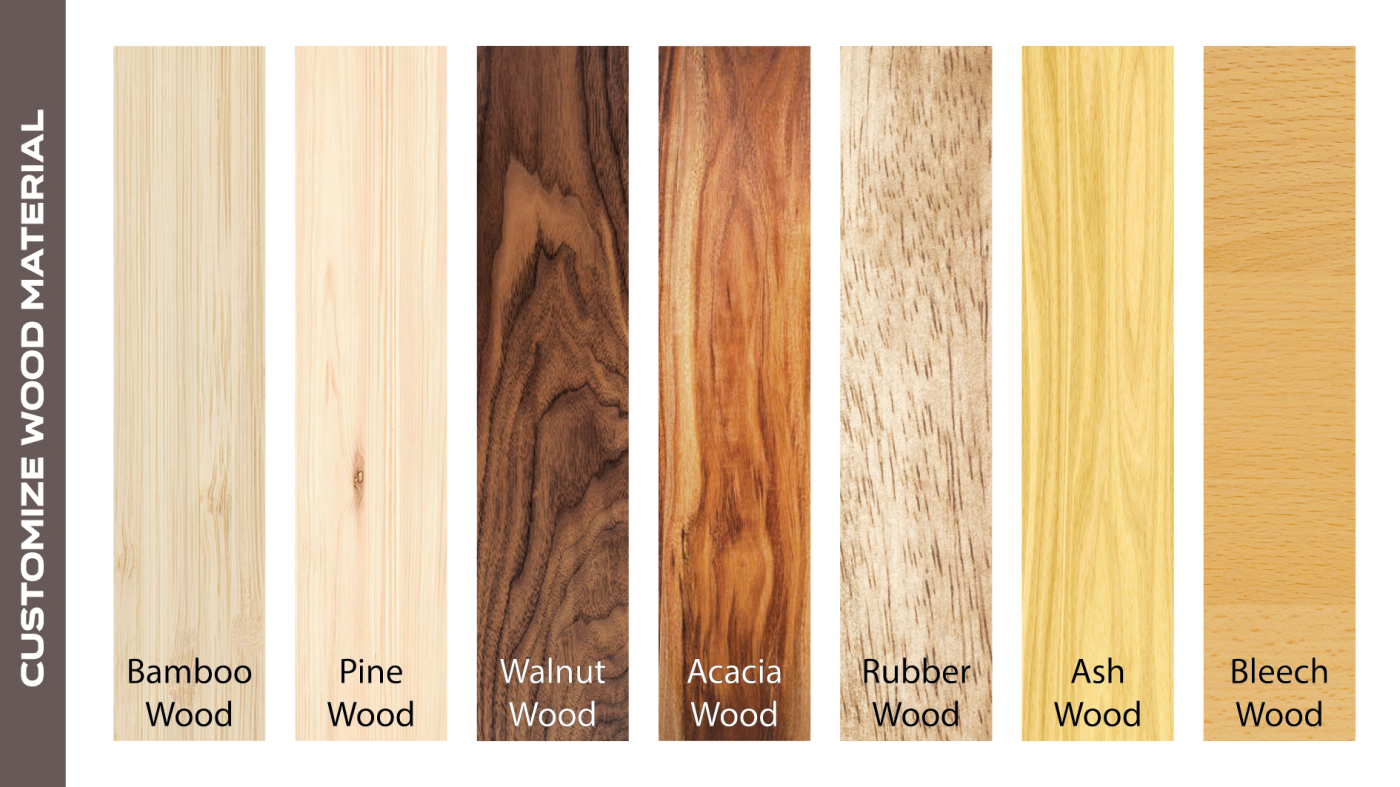
Common Types of Agricultural Wood:
- Rubberwood: Sourced from rubber trees at the end of their latex-producing cycle (typically 25–30 years). Once unproductive, these trees are felled for timber instead of being discarded.
- Acacia: A fast-growing species widely farmed in Southeast Asia, valued for its durability, appealing grain, and versatility.
- Mango Wood: Derived from mango trees that have aged out of fruit-bearing. Its natural variations in color and texture make it popular for home décor.
- Coconut Wood: Sourced from old coconut palms that no longer yield fruit. It’s lightweight and used in simple furniture or craft applications.
How It Differs from Traditional Timber:
Unlike tropical hardwoods like teak or mahogany, which often come from old-growth or natural forests, agricultural wood is harvested from plantation systems or post-agricultural-use trees. This ensures a more sustainable supply chain and significantly lowers the impact on natural ecosystems.
Additionally, because these woods are often a byproduct of other agricultural processes, utilizing them helps reduce waste, supports circular production, and lowers costs for manufacturers—making them a smart alternative for eco-conscious buyers and suppliers.
III. Why Agricultural Wood Is Gaining Popularity
The global shift toward sustainability, affordability, and responsible sourcing has turned the spotlight onto agricultural wood—and for good reason. Manufacturers, retailers, and consumers alike are increasingly recognizing its value as a reliable and eco-conscious material in the wooden product supply chain.
1. Environmental Benefits

- Renewable and fast-growing: Unlike traditional hardwoods that take decades to mature, agricultural trees such as rubber or acacia reach maturity within a short cycle (often under 15 years), allowing for consistent harvesting without harming biodiversity.
- Reduces deforestation: Since agricultural wood is often a byproduct of farming (e.g., rubberwood from old rubber plantations), its use minimizes pressure on natural forests.
- Lower carbon footprint: Growing these trees on farmland often involves fewer emissions than logging in remote, undisturbed ecosystems.
2. Economic Advantages for Manufacturers and Buyers

- Abundant and cost-effective: Regions like Southeast Asia are rich in agricultural wood sources, enabling manufacturers to access affordable, high-quality raw materials year-round.
- Maximizing agricultural value: Using trees at the end of their productive cycles (like rubber or mango) means no part of the tree goes to waste—lowering overall costs and promoting circular economies.
- Ideal for large-scale production: The consistent supply makes it easier to meet wholesale demand, especially in high-volume export markets.
3. Meeting Global Market Demand for Sustainable Products
- Today’s buyers—especially in the U.S., Europe, and Australia—are actively seeking eco-friendly wooden products that support environmental responsibility.
- Agricultural wood helps brands meet sustainability goals and align with certifications like FSC (Forest Stewardship Council), LEED, and EU Timber Regulation compliance.
IV. Applications in Wooden Product Manufacturing
The versatility, durability, and eco-friendly appeal of agricultural wood make it a top choice for a wide range of wooden products. As manufacturers look for sustainable alternatives to traditional hardwoods, agricultural-origin wood has proven its value across industries—from home goods to furniture and beyond.
1. Home Décor & Interior Items
Agricultural wood is widely used to produce decorative and functional items such as:

- Wooden picture frames
- Wall-mounted shelves
- Decorative wall panels
- Candle holders and plant stands
These products benefit from the unique grain patterns and natural tones of woods like mango or acacia, offering a warm and organic aesthetic popular in modern interior design.
2. Kitchenware & Dining Products

Rubberwood and acacia are especially favored for food-related wooden products due to their hardness and food-safe finishing properties. Common uses include:
- Wooden spice racks
- Charcuterie boards
- Cutting boards
- Utensils and trays
- Serving bowls
As global demand rises for eco-friendly kitchenware, agricultural wood stands out as a safe, durable, and beautiful material.
3. Furniture Manufacturing

Furniture makers are increasingly incorporating agricultural wood into:
- Dining tables and chairs
- Coffee tables and benches
- Storage cabinets and sideboards
- Bed frames and bookshelves
Its moderate weight, workability, and adaptability make agricultural wood ideal for both flat-pack and custom furniture manufacturing.
4. Crafts & DIY Products

For the handicraft and gifting industry, agricultural wood is commonly used to produce:
- Wooden toys
- Jewelry boxes
- Laser-engraved gifts
- DIY wooden kits and puzzles
Its sustainability and affordability make it attractive to small-batch artisans and bulk craft wholesalers alike.
V. Vietnam – A Leading Supplier of Agricultural Wood Products
Vietnam has emerged as one of the most prominent global hubs for agricultural wood sourcing and wooden product manufacturing. With a strong tradition in woodcraft and favorable natural resources, the country plays a pivotal role in supplying sustainable wood products to markets worldwide.
1. Rich Source of Agricultural Wood Species
Vietnam is home to large plantations of:
- Rubberwood (Hevea brasiliensis): Abundant in southern provinces, harvested after the latex cycle ends.
- Acacia: One of Vietnam’s most important plantation species, widely grown and fast-maturing.
- Mango and coconut wood: Collected as byproducts of fruit farming, especially in the Mekong Delta.
These species thrive in Vietnam’s tropical climate and are grown in managed forests and agroforestry systems, ensuring a continuous and renewable wood supply.
2. Advanced Manufacturing Capabilities
Vietnam’s wooden product manufacturing sector is known for:
- Skilled craftsmanship combined with modern machinery
- Competitive labor costs
- High production volumes for export
- Experience with international quality standards and finishing techniques
From furniture and kitchenware to home décor and OEM designs, Vietnamese factories are highly adaptable to various market demands.
3. Strong Focus on Sustainability
Vietnam’s wood industry is increasingly embracing:
- FSC-certified plantations and Chain of Custody systems
- Compliance with EU Timber Regulation (EUTR) and U.S. Lacey Act
- Partnerships with international NGOs to promote sustainable forest management
- Reduced reliance on natural forest logging in favor of plantation and agricultural wood
This focus has helped Vietnam maintain its competitive edge while meeting the growing demand for eco-friendly wooden products.
4. Trusted Export Partner Worldwide
Vietnam exports wooden products made from agricultural wood to:
- The United States (its largest market)
- Europe (notably Germany, the UK, France)
- Australia, Japan, and South Korea
Buyers prefer Vietnam due to its:
- Flexible production quantities (including low MOQs for B2B buyers)
- Consistent quality and lead time
- Transparent supply chains and sustainable sourcing certifications
VI. Challenges and Considerations
While agricultural wood offers numerous advantages for sustainability and affordability, it’s important to understand the potential challenges and limitations that come with using this type of material in wooden product manufacturing.
1. Variability in Wood Quality
- Grain and color inconsistencies: Agricultural woods like mango or rubberwood can exhibit more natural variations than traditional hardwoods. While this is often valued for aesthetic appeal, it can pose challenges in large-scale, uniform production.
- Hardness and durability: Some agricultural wood species may be softer or more porous than tropical hardwoods, requiring careful finishing and treatment for certain applications.
2. Processing Requirements
- Additional kiln drying and chemical treatment may be necessary to stabilize agricultural wood and prevent warping, cracking, or pest infestation—especially in tropical climates.
- Specialized coatings are often used to enhance water resistance or extend the life of kitchenware and furniture made from rubberwood and acacia.
3. Supply Chain Complexity
- Inconsistent supply chains: For certain species, availability may vary based on agricultural cycles or harvesting restrictions. Long-term planning and supplier reliability are key.
- Certification costs: Obtaining FSC or PEFC certifications for agricultural plantations may be time-consuming or cost-prohibitive for some small-scale suppliers.
4. Buyer Education
- Some international buyers may still favor traditional hardwoods due to familiarity or perceived prestige. Educating customers about the benefits and eco-value of agricultural wood is essential to shift preferences.
Despite these considerations, the rapid growth in demand and innovation in processing technologies make agricultural wood a promising, scalable solution for sustainable wooden manufacturing.
VII. Conclusion – A Sustainable Future with Agricultural Wood

As global industries continue to seek greener and more ethical production methods, agricultural wood has emerged as a powerful solution in the wooden product manufacturing sector. Its environmental benefits, cost-effectiveness, and abundant availability make it a smart alternative to traditional hardwoods—especially for businesses aiming to meet sustainability goals without compromising quality.
From stylish furniture and kitchenware to handcrafted décor, agricultural wood is proving that eco-conscious materials can be both beautiful and commercially viable. Countries like Vietnam are leading this shift, offering high-quality manufacturing services paired with responsibly sourced wood from rubber, acacia, mango, and coconut trees.
By adopting agricultural wood into your supply chain, you’re not just choosing a raw material—you’re investing in a sustainable future that values innovation, resource efficiency, and the well-being of our planet.

