


Table of Contents
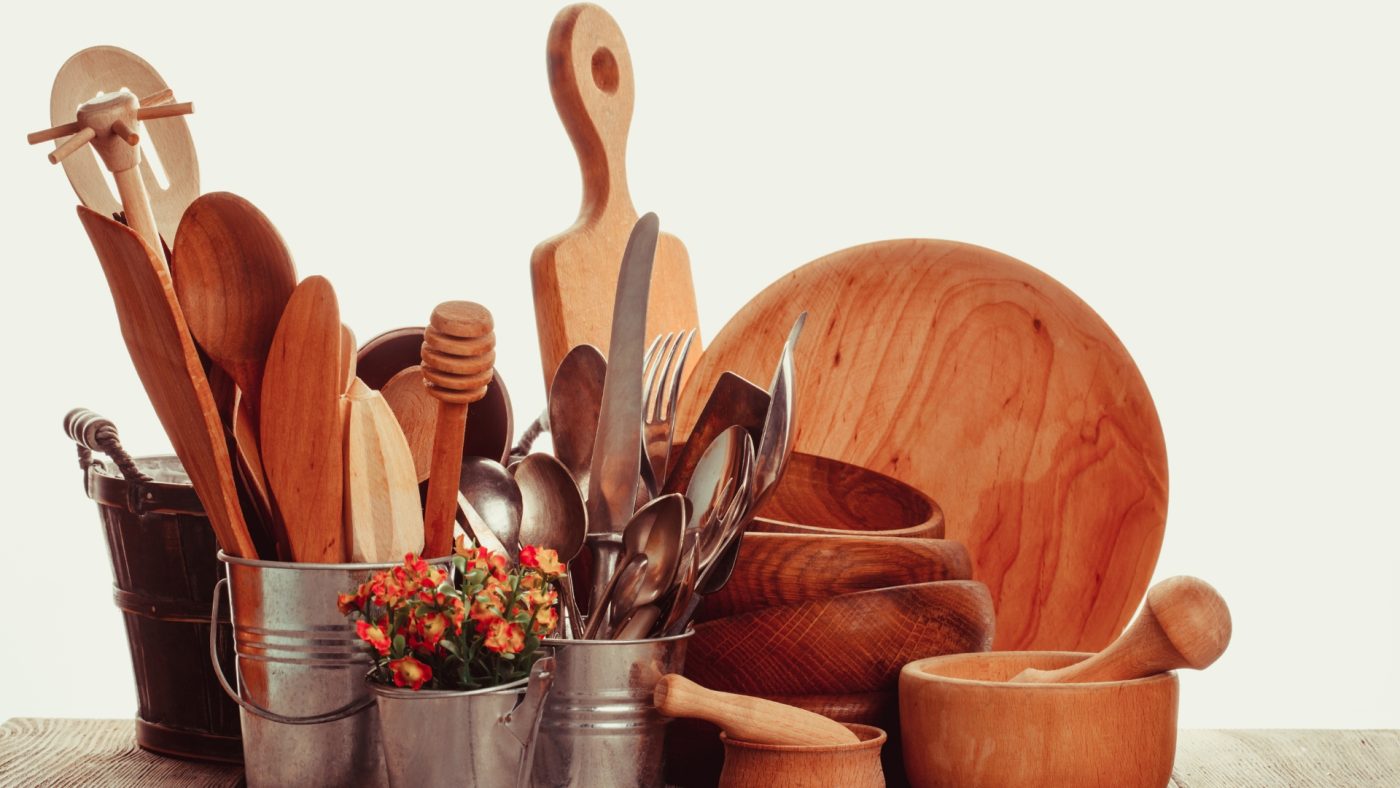
Wooden dinnerware has become a stylish and sustainable alternative to traditional ceramic or plastic tableware. Not only does it add warmth and natural beauty to your dining table, but it also supports eco-conscious living. However, not all wooden dinnerware is the same. From durable teak to lightweight bamboo, each type of wood offers unique benefits. In this guide, we’ll break down the most popular types of wooden dinnerware—so you can choose the perfect set for your lifestyle or business needs.
1. Introduction
In recent years, wooden dinnerware has gained significant popularity among consumers seeking sustainable and stylish alternatives to traditional tableware. Whether it’s the natural textures, earthy tones, or the environmentally friendly appeal, more households and hospitality businesses are making the switch from ceramic and plastic to wooden options.
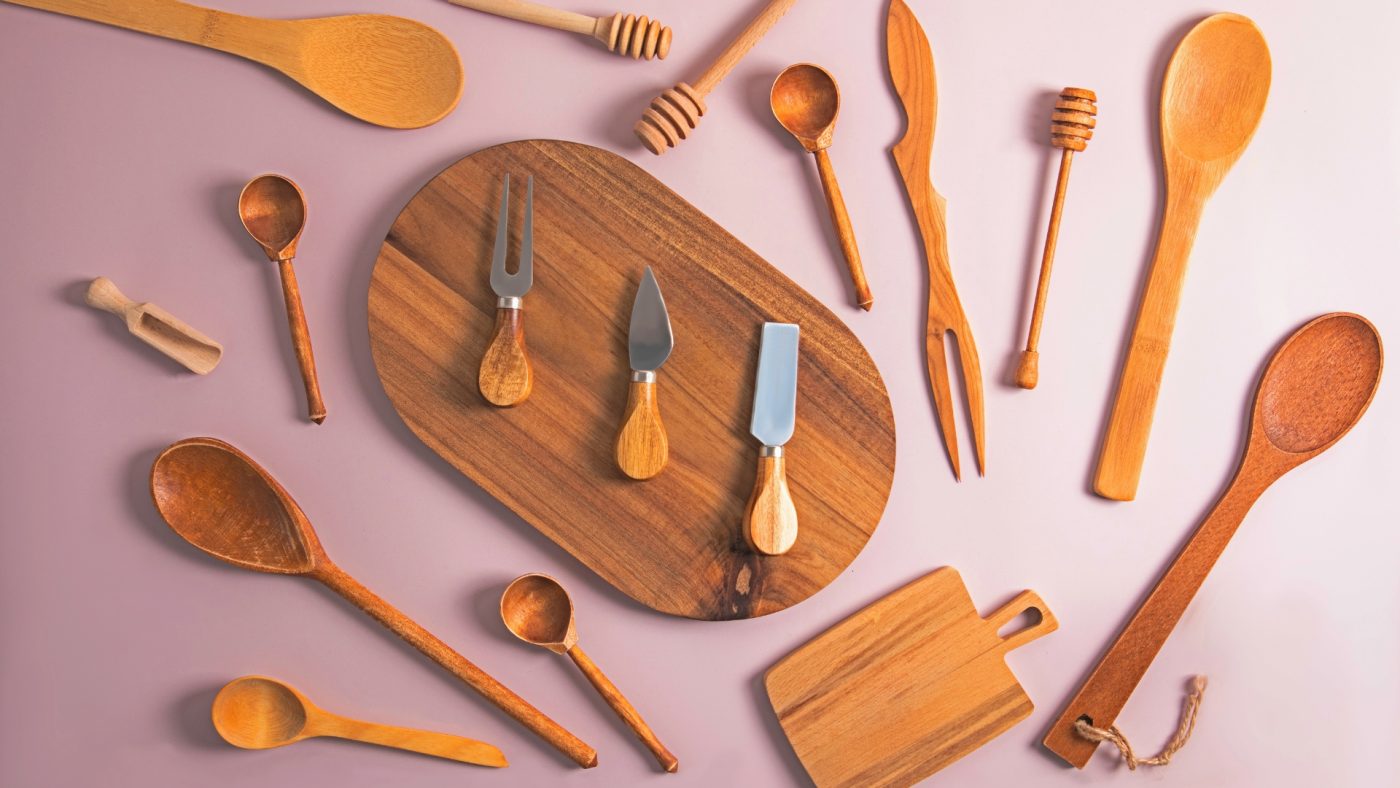
This shift reflects a broader movement toward eco-conscious living, where functionality meets design. Wooden dinnerware not only elevates the aesthetics of the dining table but also aligns with the growing demand for biodegradable, renewable, and non-toxic materials.
But not all wooden dinnerware is the same. From the richly grained acacia to the lightweight charm of bamboo, each wood type brings its own characteristics—durability, water resistance, maintenance requirements, and visual appeal. In this blog post, we’ll compare some of the most popular types of wooden dinnerware—such as teak, acacia, bamboo, mango wood, and olive wood—to help you decide which one best suits your practical needs and style preferences.
Whether you’re a home cook, interior enthusiast, or a restaurant owner looking to add a rustic touch to your service, this guide will give you a clearer picture of what to expect from each type of wooden dinnerware.
2. Why Choose Wooden Dinnerware?
Wooden dinnerware is more than just a passing trend—it’s a conscious lifestyle choice that reflects modern values around sustainability, functionality, and aesthetics. Here’s why more households, restaurants, and retailers are choosing wooden options over traditional materials like plastic, porcelain, or glass:
Eco-Friendliness and Sustainability
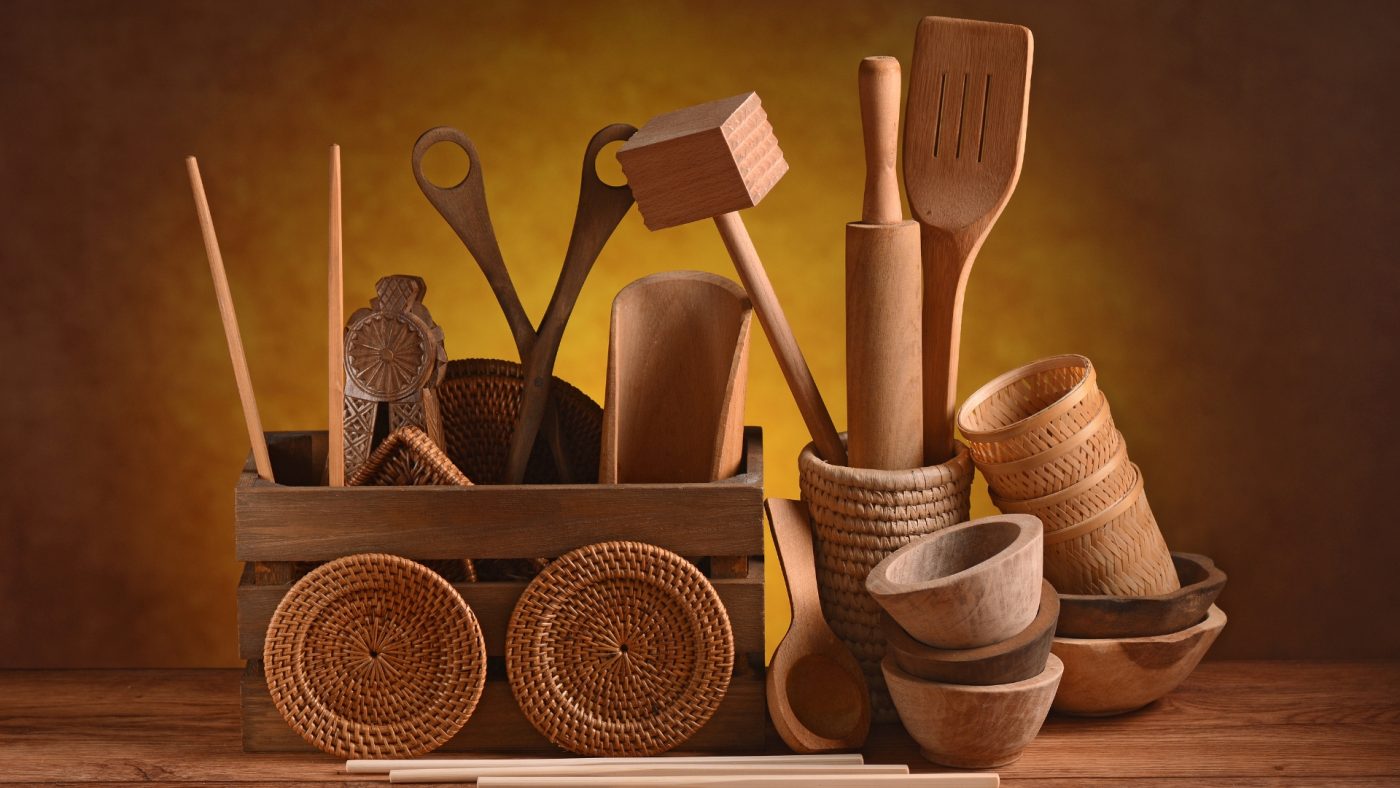
One of the biggest draws of wooden dinnerware is its environmental impact—or rather, its minimal one. Most wooden plates, bowls, and utensils are crafted from fast-growing or responsibly harvested wood, such as bamboo, acacia, or mango wood. These renewable resources naturally biodegrade at the end of their life cycle, unlike plastic, which lingers in landfills for centuries.
For businesses focused on green practices or eco-conscious branding, offering or using wooden dinnerware sends a strong message about sustainability and responsibility.
Aesthetic Charm and Natural Textures
Each piece of wooden dinnerware is unique, with distinct wood grains, warm hues, and handcrafted finishes that bring rustic elegance to any table. This natural charm adds warmth and personality, making wooden tableware perfect for enhancing food presentation—whether it’s a cozy family meal or an upscale dining experience.
Additionally, wooden textures pair beautifully with minimalist, boho, or nature-inspired interior styles, offering visual contrast to modern stainless steel or ceramic sets.
Lightweight and Durable Options
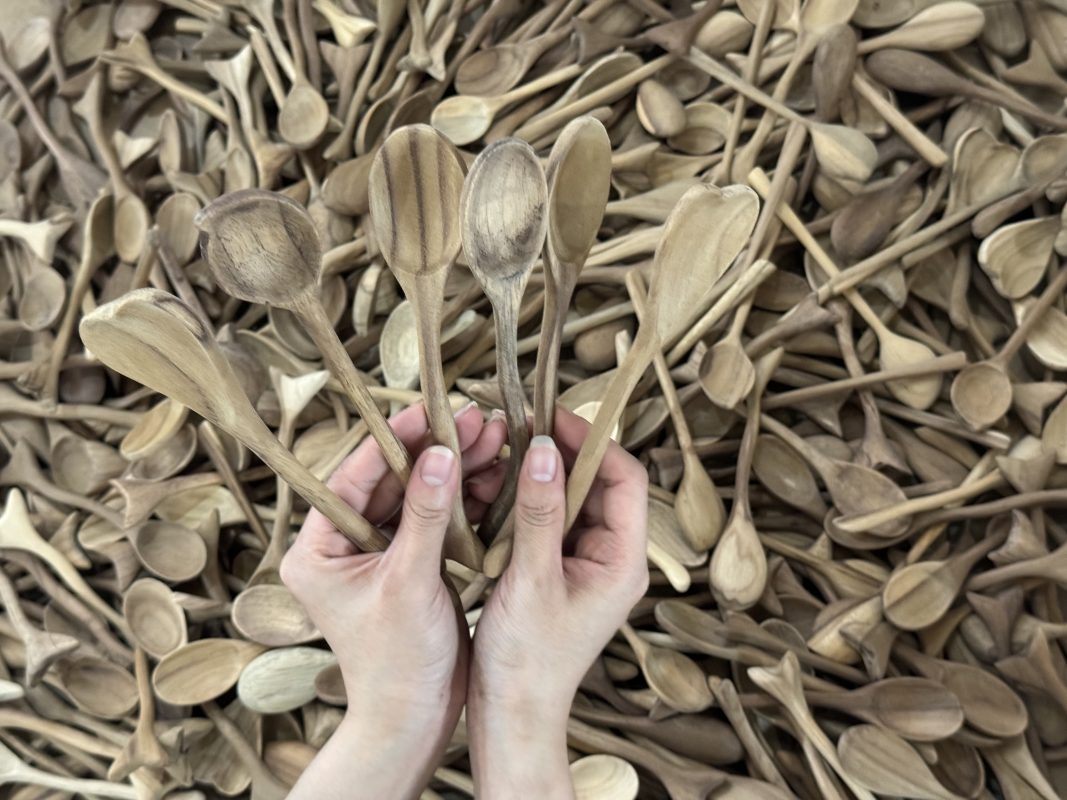
Compared to ceramic or glass, wooden dinnerware is significantly lighter, making it easy to carry, stack, or store. Despite being lightweight, it’s also incredibly strong and resistant to breakage. This makes it ideal for outdoor use, children’s meals, and busy hospitality environments where accidents are more likely.
Woods like teak and acacia are known for their toughness and water resistance, meaning they can withstand frequent use with proper care.
Great for Casual and Rustic-Modern Table Settings
Wooden dinnerware effortlessly blends into various dining settings. It suits casual meals, farmhouse-style kitchens, or rustic wedding themes, while also working well in trendy cafés and eco-themed restaurants. When styled with linen napkins, stoneware, or foliage accents, it creates a warm and welcoming ambiance that feels both authentic and elevated.
Read more: “The Pros of Using Wooden Dinnerware Daily And Sourcing Profit in 2025”
3. Acacia Wood Dinnerware
Overview:
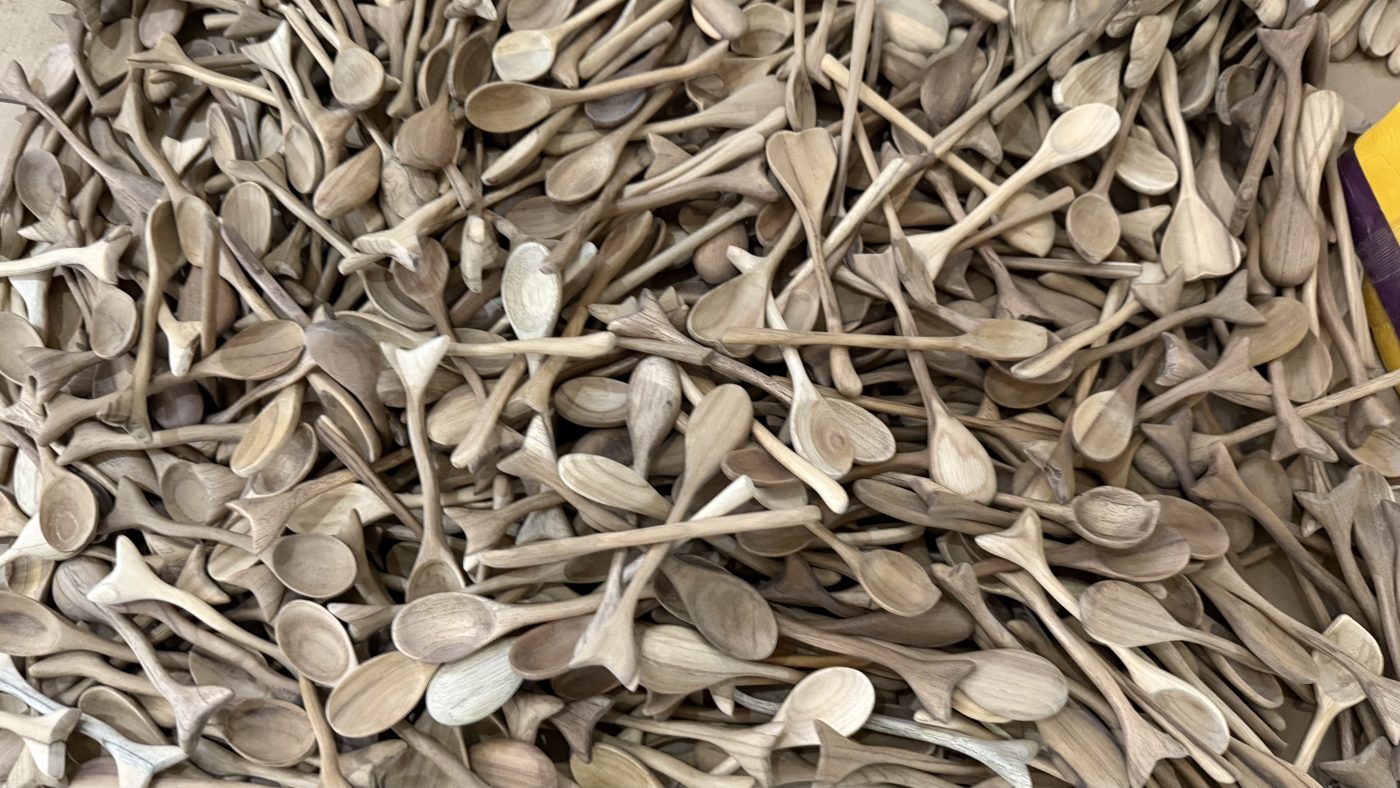
Acacia wood is one of the most popular and premium hardwoods used in dinnerware. Native to Asia and Australia, it’s known for its durability, striking grain, and rich, warm hues. Acacia dinnerware brings a sense of elegance to the table while offering excellent performance for daily or commercial use.
Look & Feel:
Acacia dinnerware features a beautiful range of golden to dark brown tones, often with contrasting streaks and swirls that make each piece unique. Its natural grain patterns give a luxurious, handcrafted aesthetic that stands out in both rustic and modern settings.
- Rich, deep color tones
- Bold, wavy or striped wood grain
- Smooth finish with a natural sheen when oiled
This makes acacia particularly attractive for upscale presentations—perfect for restaurants, resorts, or formal dining collections.
Advantages:
✅ Water-Resistant – Acacia wood has natural oils that help it repel water, making it more resistant to warping and cracking compared to other woods.
✅ Durable and Scratch-Resistant – Its dense structure ensures long-term use, even with regular washing or utensil contact.
✅ Food-Safe – When sealed with food-grade oil, it won’t absorb odors or flavors.
✅ Eco-Friendly – Often harvested from fast-growing trees and managed forests, making it a sustainable choice.
Acacia’s hardness also makes it ideal for cutting boards, trays, and serving platters that need to withstand constant use.
Best For:
- Formal dining sets – Adds class and warmth to elegant table settings
- Restaurant & hospitality use – Withstands frequent use while maintaining visual appeal
- Luxury eco-friendly brands – Pairs functionality with a premium look
- Charcuterie or steak boards – Offers both style and strength
Care Tips:
To maintain its longevity and natural beauty, acacia dinnerware should be handled with care:
- Hand wash only with mild soap and warm water
- Avoid soaking or exposing to standing water
- Dry immediately with a towel to prevent water spots
- Oil regularly with food-safe mineral oil to prevent drying or cracking
With proper maintenance, acacia wooden dinnerware can last for years without losing its elegance.
4. Teak Wood Dinnerware

Overview:
Teak wood is a luxurious hardwood known for its exceptional durability, high oil content, and resistance to water and pests. Sourced mainly from Southeast Asia, particularly Indonesia, teak is often regarded as a top-tier material in both furniture and kitchenware. Teak dinnerware is not only practical—it also elevates the aesthetic of any dining setup.
Look & Feel:
Teak wood dinnerware has a warm golden to medium brown tone, with a fine, straight grain and a smooth, satiny finish. Over time, teak naturally develops a graceful silver-grey patina if left untreated—something many designers and chefs consider a mark of elegance.
- Smooth texture with occasional dark streaks
- Classic, timeless look
- Elegant, matte to semi-gloss finish
Its understated beauty suits both minimalistic and luxury dining environments, making it a favorite among premium homeware brands.
Advantages:
✅ Extremely Durable – Teak’s natural oils protect the wood from cracking, warping, and wearing down—even under frequent use.
✅ Naturally Water-Resistant – One of teak’s standout features is its ability to withstand moisture without deteriorating, ideal for dinnerware that comes in contact with food and water.
✅ Low Maintenance – Teak requires minimal upkeep compared to other wood types while still retaining its luster.
✅ Antimicrobial Properties – The wood’s natural oils help fight bacteria and mold, making it a hygienic choice for food use.
These properties make teak wood dinnerware a reliable and long-lasting investment for restaurants, eco-conscious hotels, or high-end home collections.
Best For:
- High-end retail and luxury hospitality – Perfect for gourmet restaurants, resorts, and premium kitchenware lines
- Eco-luxury markets – Appeals to buyers who value sustainability and sophistication
- Tropical or coastal-themed dining collections – Pairs beautifully with natural materials like rattan, linen, and ceramic
- Long-term B2B supply – Ideal for importers and retailers looking for timeless, durable stock
Care Tips:
Though teak is low maintenance, following a few simple care steps ensures it stays beautiful for decades:
- Hand wash only, avoiding dishwashers or soaking
- Wipe dry after washing to preserve the finish
- Oil occasionally (with food-safe oil) to maintain color richness and avoid drying
- Avoid harsh detergents that can strip its natural oils
Teak’s resilience and natural beauty make it one of the most sought-after options in the wooden dinnerware category, especially for wholesale buyers targeting the luxury segment.
5. Bamboo Dinnerware

Overview:
Bamboo dinnerware has rapidly become one of the most eco-friendly and budget-conscious choices in the market. Technically a grass, bamboo grows faster than any wood and requires no replanting, making it a highly renewable resource. Bamboo dinnerware is lightweight, strong, and ideal for casual dining, outdoor settings, and eco-conscious consumers.
Look & Feel:
Bamboo dinnerware features a light, natural cream or yellow hue with subtle grain patterns that give it a clean and minimalist appearance. Some variations may show nodes (the joints of the bamboo stalk), adding a rustic charm.
- Matte to lightly polished finish
- Naturally smooth surface
- Uniform appearance with an earthy, minimalist vibe
It blends well with modern, boho, and sustainable lifestyle aesthetics—making it a popular choice for young consumers and green living brands.
Advantages:
✅ Highly Sustainable – Bamboo matures in just 3–5 years, making it one of the most renewable materials on Earth.
✅ Lightweight Yet Durable – Easy to transport, ship, and handle in daily use without sacrificing strength.
✅ Biodegradable – A top choice for eco-friendly product lines and zero-waste stores.
✅ Affordable for Mass Production – Compared to hardwoods, bamboo offers excellent cost efficiency for wholesale buyers.
✅ Non-toxic and BPA-Free – Safe for food contact, especially when made with natural adhesives or without melamine.
Its balance of sustainability, aesthetics, and function has made bamboo dinnerware a staple in eco-conscious households and global lifestyle retailers.
Best For:
- Eco-brands & Zero-Waste Retailers – A go-to for shops that promote sustainable, plastic-free living
- Outdoor & Picnic Products – Its lightweight nature makes it ideal for travel sets, picnics, and glamping collections
- Kids’ Dinnerware Lines – Safe, gentle, and shatter-resistant for daily use by children
- B2B buyers seeking low MOQ or mass distribution – Excellent for volume sales with customizable branding
Care Tips:
To ensure longevity, bamboo dinnerware should be handled with basic care:
- Hand wash only to maintain integrity and avoid warping
- Dry immediately after washing—avoid long-term soaking
- Keep away from direct heat or microwaves
- Oil lightly with natural oils if it starts to dry or discolor
While bamboo isn’t as long-lasting as teak or acacia, its ecological benefits and affordability make it a top contender in the global wooden dinnerware market—especially for buyers focused on volume and values.
6. Olive Wood Dinnerware
Overview:
Olive wood dinnerware is a premium category in wooden tableware, cherished for its rich natural grains and Mediterranean charm. Sourced primarily from pruned branches of non-fruiting or aged olive trees, this material is not only eco-friendly but also known for its density, durability, and antibacterial properties.
Olive wood pieces are handcrafted, resulting in unique patterns and luxury appeal—making them ideal for high-end restaurants, gourmet brands, and artisanal kitchenware collections.
Look & Feel:
No two pieces of olive wood dinnerware are ever the same. That’s part of its luxury appeal. Olive wood showcases bold swirls of amber, honey, and dark brown tones with dramatic contrasting veins.
- Deep, irregular grain lines
- Smooth, polished finish with warm undertones
- Natural, handcrafted aesthetic
This makes it ideal for rustic, Mediterranean, and high-end culinary environments where visual storytelling matters.
Advantages:
✅ Visually Distinctive & Premium – Olive wood elevates presentation with its eye-catching grain and luxurious look.
✅ Extremely Durable – One of the hardest and densest woods used for kitchenware, making it resistant to wear and warping.
✅ Naturally Antibacterial – Ideal for dinnerware as it helps inhibit microbial growth without chemicals.
✅ Artisanal Value – Handmade from aged olive trees, each piece adds character and uniqueness to a table setting.
✅ Eco-Responsible Sourcing – Often sourced as a byproduct from pruning or unproductive trees, reducing environmental impact.
Olive wood is where luxury meets sustainability, offering high margins for retailers and excellent branding potential.
Best For:
- Gourmet Brands & Fine Dining Restaurants – Perfect for upscale serving, tapas plates, and charcuterie sets
- Luxury Gift Shops & Kitchenware Retailers – Appeals to premium market segments and culinary gift buyers
- Corporate Gifting – A refined and meaningful choice for customized business gifts
- Distributors seeking low-volume high-value products – Great for markets where quality and uniqueness matter more than scale
Care Tips:
To maintain its beauty and functionality, olive wood requires gentle but consistent care:
- Hand wash only – Avoid dishwashers and soak time
- Dry thoroughly after each use
- Apply food-grade mineral oil or olive oil regularly to preserve color and prevent cracking
- Avoid direct sunlight or extreme humidity
Due to its artisanal quality and high perceived value, olive wood dinnerware offers significant profit potential and brand differentiation in the B2B wholesale space.
Acacia vs Teak Wood Dinnerware: Which Is Better for Wholesale?

Both Acacia and Teak are premium choices for wooden dinnerware—but they serve different purposes depending on your market, pricing strategy, and brand positioning. Here’s how they stack up:
| Feature | Acacia Wood Dinnerware | Teak Wood Dinnerware |
|---|---|---|
| Appearance | Deep brown to reddish tones with pronounced, dramatic grain patterns. Rustic, natural charm. | Warm golden brown tones with a smoother, straighter grain. Refined and elegant look. |
| Durability | Very durable and water-resistant. Good for everyday use, though may dry out over time without oiling. | Exceptionally durable, high natural oil content makes it naturally water- and termite-resistant. Ideal for long-term use. |
| Weight | Medium weight — feels sturdy but not too heavy. | Slightly heavier due to dense grain — gives a premium, solid feel. |
| Maintenance | Needs occasional oiling to retain shine and prevent drying or cracking. | Requires less maintenance due to natural oiliness — resists staining and warping better. |
| Aesthetic Appeal | Best for rustic, earthy, or tropical-themed brands. | Perfect for luxury, contemporary, or upscale dinnerware lines. |
| Sustainability | Renewable and fast-growing tree in many regions. | Also sustainable, but slower-growing and often sourced from responsibly managed forests. |
| Price (Wholesale) | More affordable than teak, good profit margin for mid-range products. | Higher cost due to premium qualities — fits high-ticket product lines. |
| Best For | Restaurants, home brands, rustic or boho-style retailers. | Premium homeware brands, hotels, high-end restaurants, export-grade collections. |
Read more: “Acacia vs Teak: The Ultimate Wood Comparison Guide“
Bamboo vs Olive Wood Dinnerware: What Should Wholesale Buyers Choose?
When choosing wooden dinnerware materials for bulk sourcing, understanding regional availability, sustainability, and market appeal is crucial. Here’s a full comparison:
| Feature | Bamboo Dinnerware | Olive Wood Dinnerware |
|---|---|---|
| Availability in Vietnam | Widely available. Vietnam is a major exporter of bamboo products. | Rare in Vietnam. Olive trees do not grow locally — must be imported (mainly from Mediterranean countries). |
| Sustainability | Ultra-renewable. Bamboo matures in 3–5 years. Minimal environmental impact. | Olive wood is a by-product of old trees no longer producing fruit. Sustainable but in smaller volumes. |
| Appearance | Light-colored, smooth surface with minimal grain. Clean and minimalistic. | Rich, swirling grain with dramatic contrast. Luxurious and artistic. |
| Durability | Moderately durable, lightweight. Can wear down over time if not treated. | Very hard and dense. Resistant to scratches, warping, and long-term use. |
| Maintenance | Easy to maintain. Needs light oiling to prevent drying. | Requires regular oiling to preserve its deep color and grain pattern. |
| Weight | Very lightweight — ideal for transport and bulk sales. | Heavier — gives a premium feel but higher shipping cost. |
| Cost (Wholesale) | ✅ Highly affordable. Ideal for price-sensitive markets or entry-level eco lines. | ❌ Expensive due to limited supply and import requirements. Best for boutique/luxury brands. |
| Best Use Cases | Eco-friendly brands, mass-market retail, gift boxes, kids’ dinnerware. | High-end kitchenware, artisan collections, boutique stores. |
Read more: “Olive Wood vs. Bamboo: Which Material is Best for Your Kitchen Utensils?”
Final Conclusion: Which Wooden Dinnerware Should You Choose for Wholesale?
When comparing acacia, teak, bamboo, and olive wooden dinnerware, the best option truly depends on your target market, pricing strategy, and sourcing capabilities:
- Acacia wood is a top choice for those seeking a balance of beauty, durability, and affordability, making it a great fit for large-scale exports and everyday use collections.
- Teak wood offers unmatched strength and water resistance, ideal for premium or long-lasting product lines, but comes with a higher cost.
- Bamboo is the most eco-friendly, lightweight, and cost-effective, especially for Vietnam-based suppliers. It’s perfect for businesses focused on sustainability and mass production.
- Olive wood, while visually luxurious and durable, is not commonly sourced in Vietnam and best reserved for high-end, small-batch collections.

