


Table of Contents
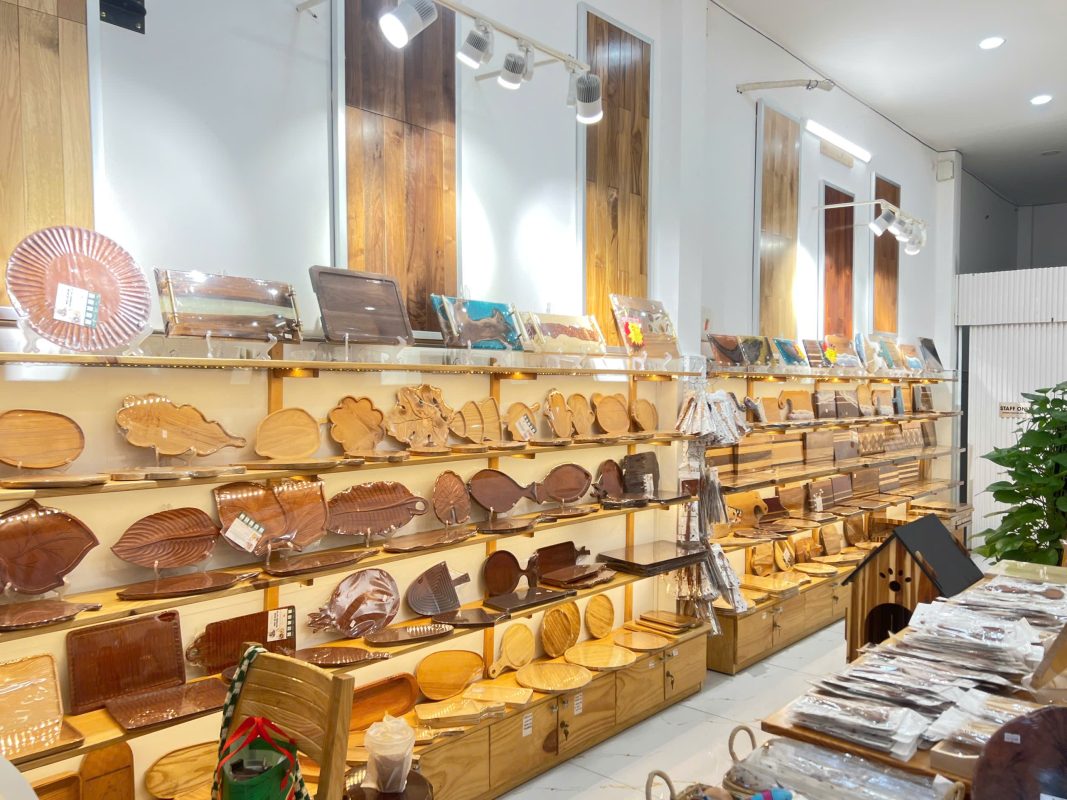
Wooden tableware wholesale is the key to the houseware store selling or even the F&B industry, the way this market is growing demands the unity of the global marketing when some industry and service your be the main reason why this field expands. On the other hand, hosting this trend will create a huge opportunity for businesses to increase profits.
Introduction

In 2025, the demand for wooden tableware wholesale is reaching new heights as businesses and consumers alike prioritize sustainability, aesthetics, and practicality. From elegant wooden plates and bowls to eco-friendly utensils and trays, wooden tableware is no longer just a trend—it’s a long-term lifestyle and business choice.
The global push toward greener, zero-waste solutions is driving restaurants, retailers, hotels, and even event planners to seek alternatives to plastic and ceramic options. Wooden tableware stands out thanks to its biodegradable nature, rustic charm, and versatility across different market segments.
At the same time, the wholesale wooden tableware market is rapidly evolving, with more manufacturers offering low MOQs, customization options, and international certifications. As 2025 continues to shape a more eco-conscious marketplace, sourcing high-quality wooden tableware in bulk has become a strategic move for forward-thinking businesses.
From the following document
DataIntelo projects the global wooden tableware market will grow from USD 4.5 billion in 2023 to USD 7.8 billion by 2032, with a CAGR of 6.2%—primarily fueled by rising demand for sustainable and eco-friendly products
Archive Market Research, updated last month, estimates the market at around USD 5 billion in 2025, forecasting a CAGR of 7% through 2033. This growth is driven by environmental awareness, hospitality industry uptake, and product versatility archivemarketresearch.com.
MarketResearchIntellect also supports these trends, valuing the market at USD 3.45 billion in 2024 and projecting it to reach USD 5.67 billion by 2033, with a steady CAGR of 6.2% between 2026 and 2033 marketresearchintellect.com.
Why Wooden Tableware Is a Top Choice for Retailers in 2025
The shift toward sustainability and conscious consumption is shaping how businesses choose their product lines—and wooden tableware has emerged as a standout solution in 2025. Whether you’re a boutique retailer, a food service chain, or an eCommerce wholesaler, the advantages of stocking wooden tableware are stronger than ever.
Rising Demand for Eco-Friendly Dining Solutions
In response to growing environmental concerns and stricter regulations on plastic use, consumers are actively seeking plastic-free, biodegradable alternatives. Wooden tableware—made from natural, renewable materials like acacia, beechwood, or reclaimed timber—offers an ideal replacement for plastic and even ceramic in some cases.
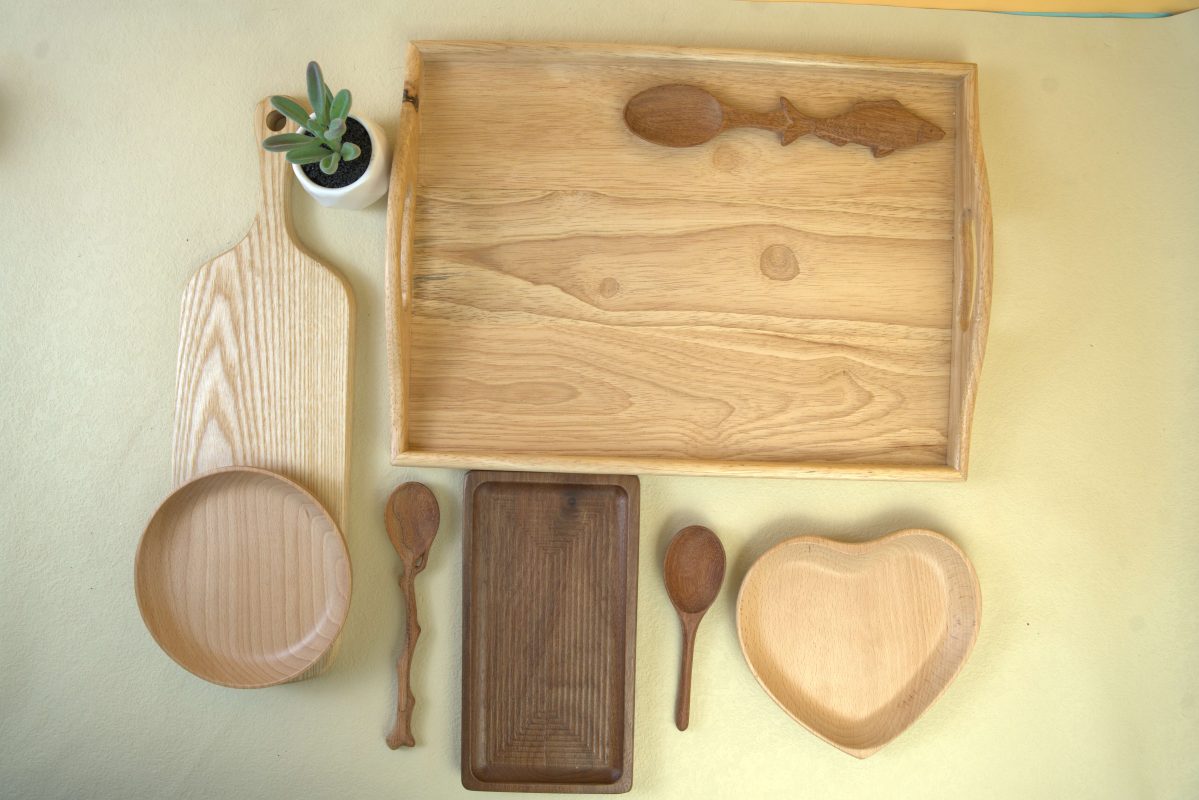
According to recent market reports, the demand for sustainable tableware is projected to grow at over 6% CAGR through 2032. Retailers who offer eco-friendly products like wooden plates, bowls, and utensils are tapping into a customer base that is willing to pay more for environmentally responsible choices.
Aesthetic Appeal and Natural Texture
One of the biggest reasons behind the success of wooden tableware is its unique, handcrafted look. Its warm tones, visible grains, and earthy charm add a premium feel to food presentation—especially in lifestyle photography, café dining, and upscale food services.
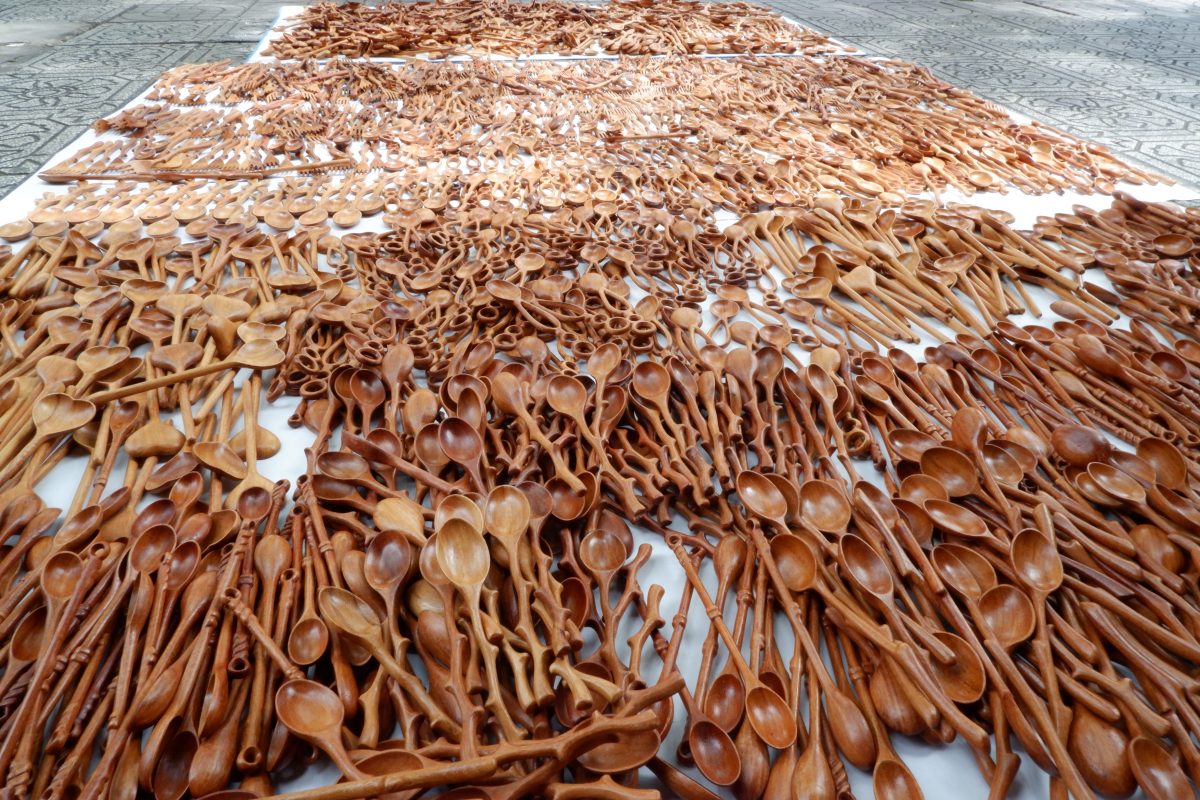
For retailers, this appeal translates directly into increased product desirability—especially when targeting millennial and Gen Z shoppers who value both function and form.
Durability and Versatility in Use
Wooden tableware is surprisingly strong. When finished and treated correctly, it can withstand daily use, resist cracking, and hold up well to temperature changes—without leaching chemicals or absorbing flavors like some plastics or metals.
This makes wooden utensils and tableware suitable for:
- Daily home use
- Commercial food service
- Indoor and outdoor events
- Restaurants, hotels, and bistros
Reusable wooden items also appeal to customers seeking to cut down on waste without compromising on quality.
Ideal for Restaurants, Hotels, and Gift Shops
Businesses in the hospitality and retail sector are increasingly using wooden tableware to elevate their brand image. Restaurants choose it for plating. Hotels include it in eco-luxury room service. Gift shops offer it as part of homeware or artisan gift sets.
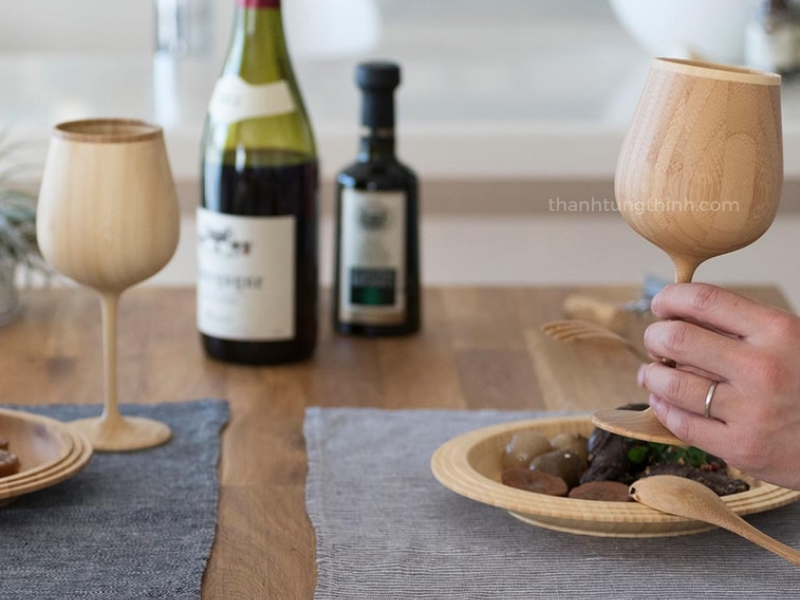
Thanks to the rise of OEM/ODM production in countries like Vietnam and India, retailers can now customize wooden tableware with their logo, packaging, and even exclusive designs—opening up new branding and marketing possibilities.
Read more: “Wooden Serving Trays Wholesale: A Profitable Choice for Retailers and Hospitality Buyers“
Types of Wooden Tableware Available for Wholesale
If you’re considering adding wooden tableware wholesale to your product lineup in 2025, it’s important to understand the variety of options available. Manufacturers now offer a wide range of designs and categories to suit different market segments—from home use and hospitality to retail gifting and event supply.
Wooden Plates and Bowls
These are the staples of wooden tableware collections. Wooden plates and bowls come in different shapes (round, oval, square), sizes (appetizer to dinner plate), and finishes (matte, polished, food-grade oiled). Popular choices include:
- Salad bowls and soup bowls
- Dinner plates and charger plates
- Deep rice or noodle bowls
- Compartmentalized serving trays
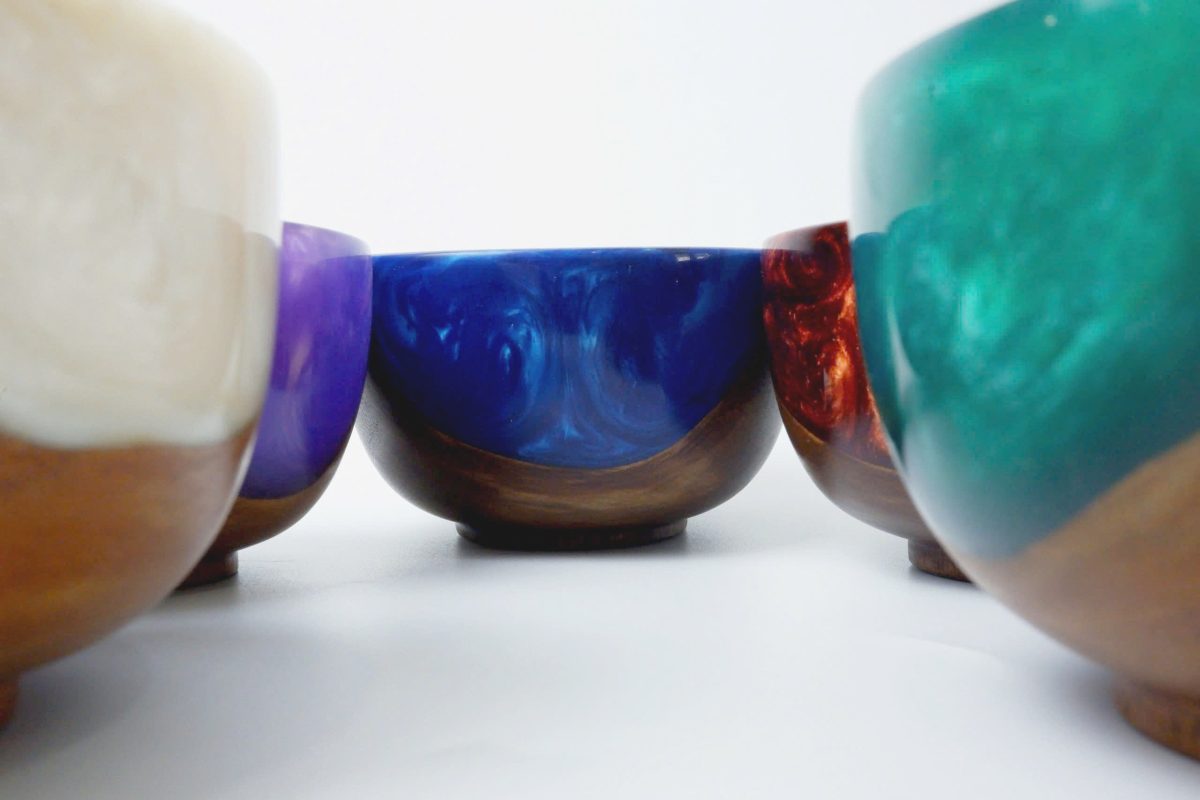
They’re not only beautiful but functional, perfect for restaurants, food stylists, or homeware retailers.
Wooden Spoons, Forks, and Knives
Utensils made of wood are in high demand—both in disposable and reusable formats. Disposable wooden cutlery is popular for takeaway services, food trucks, catering events, and eco-conscious parties. Meanwhile, reusable wooden utensils are part of high-end kitchenware or bento sets, often carved from strong woods like teak or acacia.
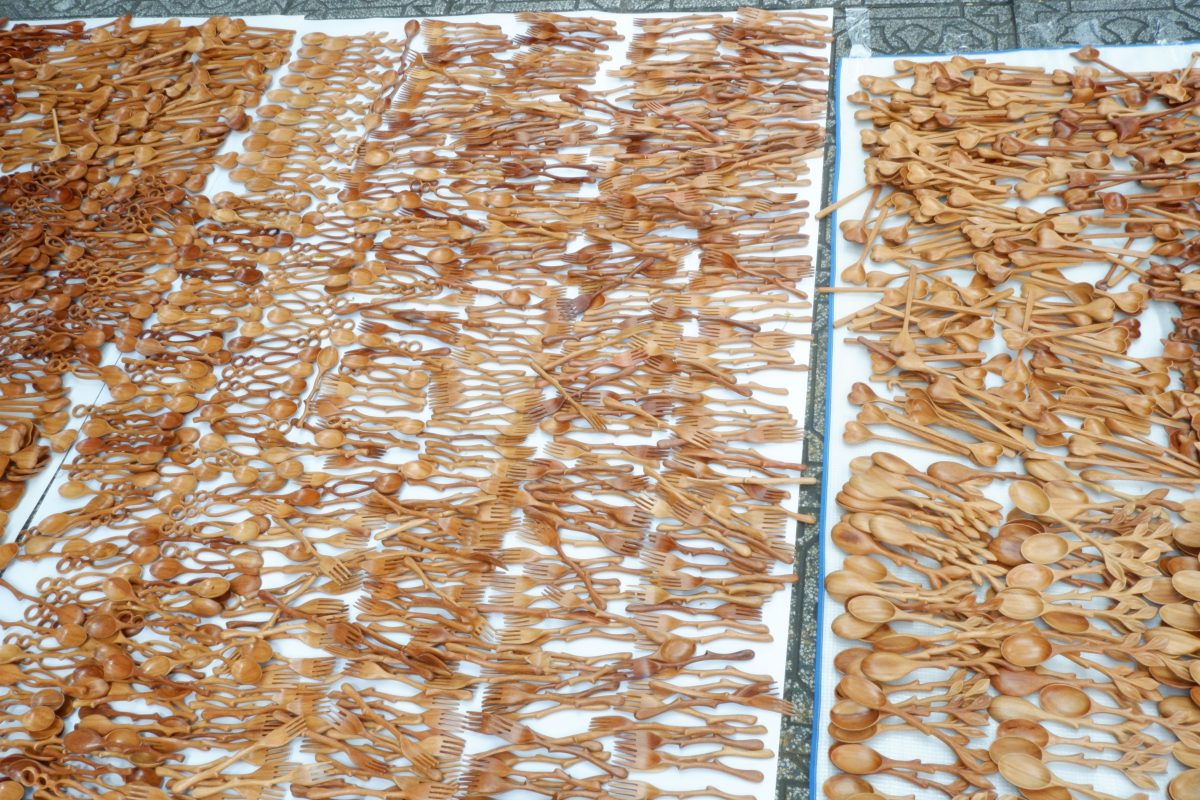
Common wholesale offerings include:
- Standard cutlery sets (spoon, fork, knife)
- Specialty items (butter knife, honey dipper, salad tongs)
- Kid-friendly and travel-sized options
Wooden Cups, Trays, and Serving Boards

These items add functionality and upscale presentation value. Wooden cups are popular for juice bars, coffee shops, or rustic-themed dining, while trays and boards are essentials in charcuterie, tapas-style dining, and food gifting.

Look for:
- Engraved wooden serving trays for branding
- Resin-inlaid or epoxy-wood hybrid trays
- Multi-slot snack or sushi trays
- Thick cutting boards with juice grooves or handles
Customizable and Engraved Wooden Sets
Customization is a huge trend in 2025. Many suppliers now offer OEM/ODM wooden tableware where buyers can request logo engraving, unique shapes, and branded packaging.

Retailers can order:
- Gift-ready sets with cutlery and napkins
- Co-branded dinnerware collections
- Promotional items with logos or eco messages
- Packaging in eco-friendly kraft or reusable cotton pouches
These options are ideal for eCommerce brands, corporate gifting companies, or anyone looking to stand out with a branded product line.
What to Look for in a Wooden Tableware Supplier
Choosing the right wooden tableware supplier is crucial to ensuring product quality, consistent delivery, and a strong business relationship. Whether you’re sourcing from Asia, Europe, or locally, here are the key criteria to consider when evaluating wholesale partners in 2025:
Certifications and Compliance (FDA, SGS, LFGB, etc.)
One of the first things to verify is whether the supplier’s products meet international food safety standards. For wooden tableware, common certifications include:
- FDA (U.S. Food and Drug Administration) – Ensures the product is safe for food contact.
- SGS or TUV – Independent testing agencies that verify materials, safety, and durability.
- LFGB (Germany) – Especially important for selling in European markets.
- FSC® Certification – Confirms the wood is sourced responsibly and sustainably.
These certificates are not just formalities—they’re key to protecting your customers and your brand reputation.

Source of Wood – U.S. Wood, Acacia, Beech, Teak, etc.
Ask the supplier about the type of wood used and its origin. Popular and durable options include:
- Acacia – Hard, water-resistant, and beautiful grain
- Beechwood – Smooth finish, light in color
- Rubberwood – Affordable and sustainable
- Teak – Premium, moisture-resistant wood
- U.S.-Origin Hardwoods – Preferred for export to the U.S. due to new tax regulations (especially helpful post-2024 trade policy updates)
Using wood from certified and legal sources is essential to avoid customs issues and ensure sustainable sourcing.
Customization Capabilities (OEM/ODM)
If you want to build a brand or offer exclusive designs, find a manufacturer with strong OEM (Original Equipment Manufacturing) or ODM (Original Design Manufacturing) capabilities. They should offer:
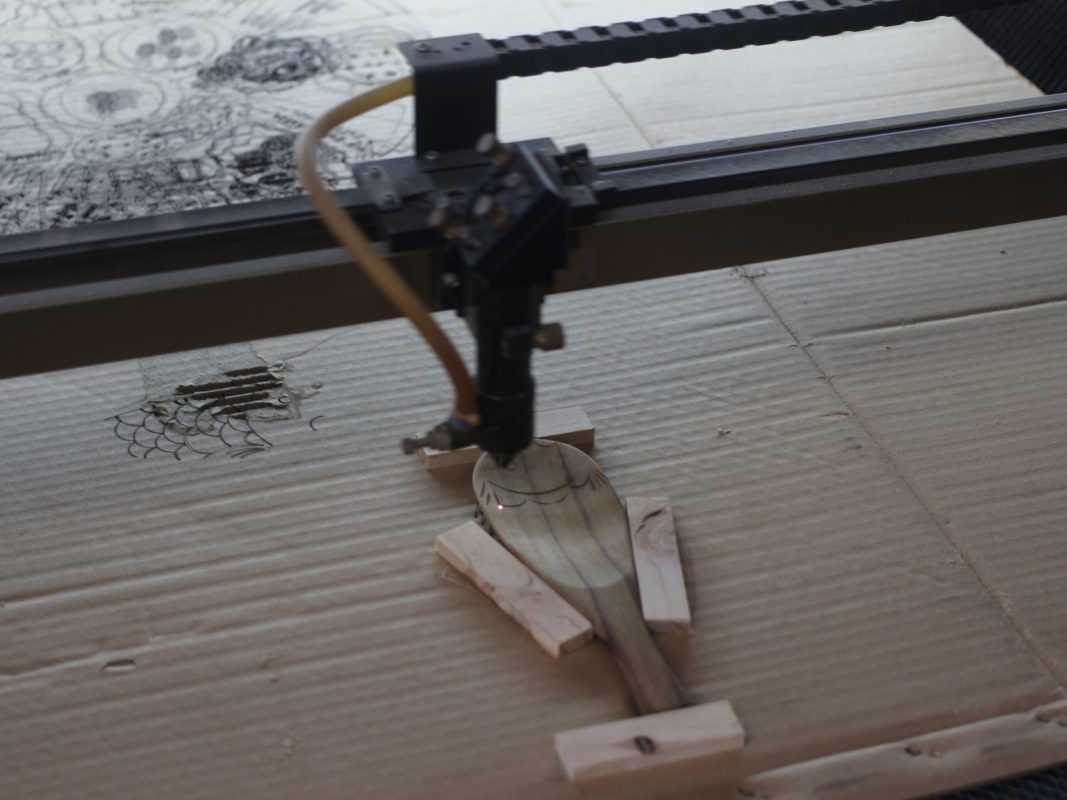
- Logo engraving or laser printing
- Custom sizes, shapes, or finishes
- Tailored packaging and labeling
- Design services and sample production
This is especially valuable for brands selling on platforms like Amazon, Etsy, or through boutique retail stores.
MOQ, Lead Times, and Shipping Terms
Each supplier has a different Minimum Order Quantity (MOQ) and lead time. Some may offer low MOQs (50–100 units), ideal for small businesses or test orders, while others focus on large-scale B2B deals.
Ask for clear details on:
- MOQ for custom vs. standard designs
- Production timeframes (usually 20–45 days)
- Shipping options (FOB, CIF, DDP)
- Support for dropshipping or bulk container load
The more transparent and flexible a supplier is, the smoother your operations will run.
Client Portfolio and Export Experience
A reputable wooden tableware supplier should have international export experience—particularly to regions like the U.S., Europe, Australia, and the Middle East. Ask them:
- Who their current clients are (retailers, restaurants, wholesalers)?
- Which countries they’ve exported to?
- What volume they typically handle per month?
- Whether they can provide client testimonials or trade references?
This insight will help you gauge their professionalism and reliability.
Wholesale Pricing Trends and MOQ in 2025
In 2025, the wooden tableware wholesale market continues to grow steadily—both in demand and in pricing complexity. Understanding current pricing structures, minimum order quantities (MOQ), and the variables that affect costs will help you negotiate better deals and build more profitable product lines.
Average Pricing per Unit by Product Category
Pricing for wooden tableware varies depending on the product type, material, finish, and customization. Here’s a general range (FOB price) for bulk purchases in 2025:
- Wooden spoons/forks/knives (reusable): $0.20 – $0.80 per unit
- Wooden disposable cutlery sets: $0.05 – $0.25 per set
- Small wooden bowls/cups: $0.50 – $1.50 per unit
- Dinner plates or large trays: $1.80 – $4.50 per unit
- Engraved or branded sets: $3.50 – $10.00+ depending on packaging and design
Prices will typically drop for orders over 5,000 units, or with long-term contracts.
Factors Affecting Cost (Wood Type, Finish, Branding)

Several factors influence the final cost of each product:
- Wood type: Teak and U.S. hardwoods are more expensive than rubberwood or beech.
- Finishing: Natural oil finishes cost less than lacquer or resin coatings.
- Certifications: Products with FDA, LFGB, or FSC® certifications often cost more but are required for many Western markets.
- Branding/customization: Laser engraving, packaging upgrades, or unique shapes add production costs.
- Packaging: Single-use kraft box vs. luxury gift packaging can impact unit cost by up to 30%.
Understanding these variables helps you make smarter purchasing decisions and offer competitive pricing to your customers.
Common MOQ Levels for Bulk Orders
Minimum Order Quantity (MOQ) varies based on product and supplier policy. Here’s what to expect:
- Standard utensils or bowls: MOQ 100 – 500 pcs
- Custom-branded sets: MOQ 300 – 1,000 pcs
- Disposable cutlery: Often sold in packs of 5,000 – 10,000
- OEM/ODM orders: MOQ 500 – 2,000 depending on complexity
Some suppliers—especially in Vietnam and India—offer low and negotiable MOQs, giving startups and boutique stores a cost-effective entry point into the wooden tableware market.
How to Get the Best Deal from Manufacturers

To optimize your pricing:
- Order in volume to benefit from tiered pricing.
- Bundle different items into one production cycle (e.g., forks + bowls + trays).
- Negotiate better rates for long-term partnerships or recurring orders.
- Provide clear specs early to avoid costly mid-process changes.
- Choose domestic U.S. wood if exporting to the U.S. – it avoids retaliatory tariffs on imported Vietnamese goods.
Also, always ask for a full quotation that includes packaging, freight (if applicable), and sample fees, so you’re not hit with unexpected costs later.
Sourcing Wooden Tableware from Vietnam: A Smart Move?
As global buyers search for quality, flexibility, and competitive pricing, Vietnam has emerged as a leading hub for wooden tableware wholesale in 2025. Whether you’re a small boutique brand or a large-scale importer, sourcing from Vietnam offers numerous advantages—especially when compared to China or India.
Competitive Labor and Manufacturing Costs
Vietnam’s manufacturing sector continues to thrive thanks to its cost-effective skilled labor, modern machinery, and growing experience in woodcraft exports. Vietnamese suppliers can offer high-quality wooden tableware at competitive prices—often 10–20% lower than counterparts in other Asian manufacturing hubs.
These cost savings are significant, especially for B2B buyers seeking large volumes or custom product lines.
Rich Supply of Legal Timber (Especially U.S.-Origin)
Vietnam’s wood industry is built on legally-sourced and traceable timber, including imported hardwoods from the U.S., such as oak and walnut. This is a key advantage in 2025, particularly after the U.S. imposed up to 46% retaliatory tariffs on some Vietnamese exports due to trade imbalances.
However, wooden products made using U.S.-origin timber are exempt from this tariff, making Vietnam a strategically smart sourcing option for American importers. It also gives retailers a strong selling point: “Crafted using responsibly-sourced American wood.”
Export Expertise and Low MOQ for Global Clients

Vietnamese manufacturers have over a decade of experience exporting to major markets like:
- The U.S., Canada
- Europe (Germany, France, UK)
- Australia, Japan, and South Korea
What makes them appealing in 2025 is their willingness to support smaller buyers with low minimum order quantities (as few as 50–100 pieces for standard products) and flexible OEM/ODM services for private label brands.
This makes Vietnam an ideal partner for:
- Amazon sellers
- DTC lifestyle brands
- Custom gift box suppliers
- Eco-retailers and homeware chains
Why Vietnam Is a Top Supplier in 2025
Here’s why sourcing wooden tableware from Vietnam is considered a smart move this year:
| Advantage | Why It Matters |
|---|---|
| Competitive Pricing | Lower cost than China or India without compromising quality |
| Sustainable Timber Options | Access to both local and U.S.-origin wood |
| Export Compliance | Familiarity with EU, U.S., and Australia import requirements |
| OEM/ODM Flexibility | Branding, logo engraving, custom sets & packaging options |
| Low MOQ and Sample Support | Easy to test new markets or launch pilot collections |
| Stable Political & Trade Relations | Safer long-term sourcing environment post-pandemic |
In short, if you’re planning to buy wholesale wooden tableware in 2025, Vietnam is one of the smartest and safest sourcing destinations. Not only will you enjoy attractive pricing and craftsmanship, but you’ll also stay compliant with evolving global trade and sustainability standards.
Conclusion: Act Now to Stay Ahead of the Market
The global shift toward eco-conscious living and sustainable business practices has positioned wooden tableware wholesale as a high-potential product category in 2025. Whether you’re a retailer, distributor, or hospitality business, investing in wooden tableware now allows you to meet growing demand, reduce plastic dependency, and offer your customers products that combine beauty, durability, and responsibility.
By understanding the different types of wooden tableware, current pricing trends, and key sourcing destinations—especially Vietnam—you equip yourself to make smarter, more profitable procurement decisions. Choosing the right supplier with strong customization capabilities, international certifications, and export experience will further ensure your success in a competitive marketplace.
As trends continue to evolve toward sustainable, personalized, and design-forward tableware, now is the perfect time to act. Secure your supply chain early, build long-term partnerships, and position your business as a trusted provider of eco-friendly wooden kitchenware in a rapidly expanding global market.

