


Table of Contents
Sourcing kitchenware from Southeast Asia, particularly wooden cutting board suppliers in Vietnam, has become increasingly popular among wholesalers due to the country’s competitive pricing, skilled craftsmanship, and sustainable resources.
However, working with overseas suppliers isn’t always straightforward. Over the years, many wholesalers have shared valuable insights and hard-earned experiences when collaborating with Vietnamese manufacturers.
In this article, we break down 5 key lessons learned when working with wooden cutting board suppliers in Vietnam—lessons that can save you time, money, and frustration while helping you build a strong and efficient supply chain
5 Key Lessons Learned When Working with Wooden Cutting Board Suppliers in Vietnam
1. Don’t Underestimate the Importance of Communication
One of the first challenges wholesalers often face when dealing with wooden cutting board suppliers in Vietnam is the communication gap. This isn’t just about language—it’s also about clarity, timelines, and expectations.
- Tip: Use visuals like drawings, photos, or even video calls to show what you want, especially for customized orders.
- Set communication routines: Weekly updates or production milestone check-ins via email or messaging apps like Zalo, WhatsApp, or Skype can prevent misunderstandings.
- Clarify specifications: Dimensions, material type (e.g., teak, acacia), finishes, and packaging must be clearly documented.
Effective communication ensures your wooden cutting boards are produced as expected and delivered on time.
2. Always Verify Product Samples – They’re Your Best Investment
Never Skip the Sample Stage
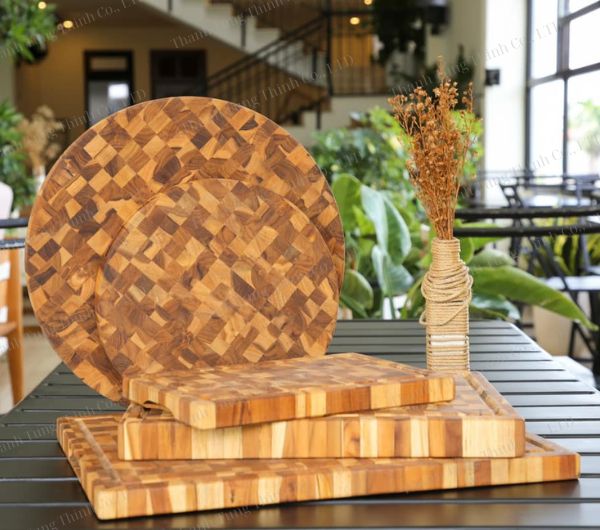
One major misstep wholesalers make is skipping the sample approval process. Even if a supplier has great photos and glowing reviews, every wooden cutting board supplier may interpret “high quality” differently.
- Why it matters: Grain texture, edge smoothness, weight, and finish can vary significantly.
- Request multiple samples: Especially when dealing with different materials or finishes. A sample batch of 2–3 variants will help you decide what works best.
- Use samples to test packaging durability, especially if your products will be on retail shelves.
A few extra days and dollars spent upfront can save you from an entire shipment of unsellable products.
3. Not All Suppliers Are Ready for Export—Vetting Is Essential
Work With Export-Ready, Experienced Suppliers
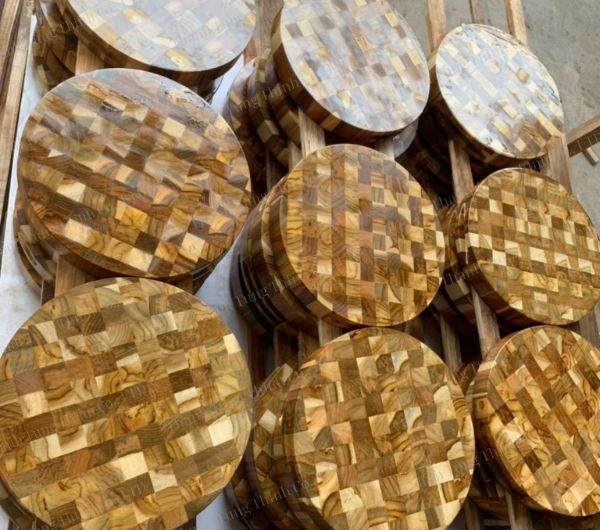
While Vietnam has thousands of wooden cutting board suppliers, not all of them are familiar with export procedures or international standards.
Some common issues when working with inexperienced suppliers include:
- Incomplete documents (e.g., Certificate of Origin, Phytosanitary Certificate)
- Delays at customs
- Poor understanding of foreign regulations (FDA, FSC, etc.)
What you should do:
- Request references from past international clients
- Check their certifications
- Visit the factory or ask for a video tour
Experienced suppliers often streamline production and delivery processes, ensuring fewer delays and better overall quality.
4. Pricing Isn’t Everything – Understand the Hidden Costs
Look Beyond the Quoted Price
Vietnamese suppliers are known for offering competitive rates. However, many wholesalers make the mistake of selecting the lowest quote without factoring in:
- Shipping terms (FOB vs. CIF)
- Customs taxes and clearance fees
- Packaging customization costs
- Quality control and potential rejects
For example, a cheaper cutting board might use lower-grade wood, which warps over time—resulting in returns and brand damage.
Pro Tip: Evaluate the full cost of the product, including lead time, quality consistency, and communication efficiency.
5. Building Trust Takes Time – Focus on Long-Term Relationships
Treat Your Supplier Like a Partner, Not Just a Vendor
The most successful wholesalers build genuine relationships with their wooden cutting board suppliers in Vietnam. Why? Because good relationships lead to:
- Faster responses
- Better pricing on larger orders
- Willingness to accommodate rush orders or special requests
- Improved quality control through collaborative feedback
Here’s how to nurture a strong partnership:
- Visit your supplier if possible—or set up regular video calls
- Pay on time
- Offer feedback constructively
- Share your business goals—they may offer tailored solutions
In return, suppliers are more likely to prioritize your orders and maintain consistency in quality.
Bonus Tips for Wholesalers Working with Vietnamese Suppliers
Doing business in Vietnam can be a rewarding experience if you approach it with the right mindset and tools. Here are some valuable tips to help you build stronger partnerships and avoid common pitfalls when working with wooden cutting board suppliers or any other manufacturers in Vietnam.
Cultural Understanding Goes a Long Way
Vietnamese business culture places a strong emphasis on respect, harmony, and relationship-building. When working with wooden cutting board suppliers, being polite, and patient, and avoiding aggressive negotiation tactics can earn you more trust and goodwill than pushing hard for immediate discounts.
In many cases, suppliers are more responsive and cooperative when treated with respect. Maintaining a friendly tone in emails, greeting them during traditional holidays (like Tết), and showing long-term partnership intent can help you stand out from other buyers.
Building rapport and understanding the importance of these cultural nuances can lead to more successful and lasting business relationships
Use Bilingual Contracts for Legal Clarity
Even if your supplier speaks English well, always ask for contracts written in both English and Vietnamese. This ensures both parties fully understand the terms—especially regarding pricing, payment terms, lead times, and product specifications.
Hiring a local legal advisor or having your Vietnamese partner double-check the contract can help you avoid misunderstandings later on.
Track Production Milestones, Not Just the Deadline
Many wholesalers make the mistake of checking in only close to the shipping date. In Vietnam, delays can happen due to weather, holidays, or raw material shortages. Instead of waiting until the end, set clear milestones:
- Raw material procurement date
- Sample approval timeline
- Mid-production inspection
- Final packaging date
These checkpoints allow you to intervene early if something goes off track.
Consider Working with Local Sourcing Agents
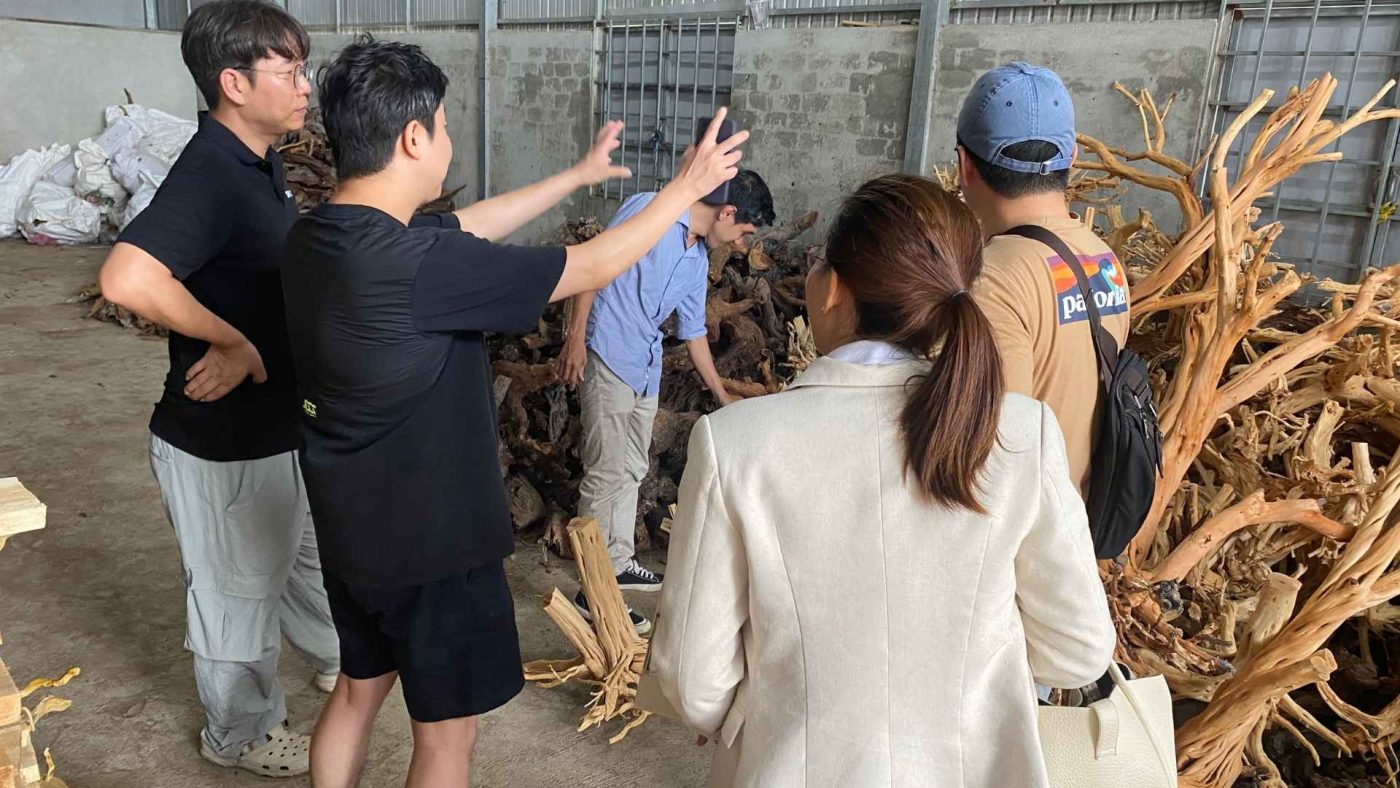
If you’re unfamiliar with the Vietnamese market, local sourcing agents can be your eyes and ears on the ground when working with wooden cutting board suppliers. They help bridge language gaps, verify factory capabilities, negotiate better terms, and monitor production progress.
More importantly, they can conduct on-site inspections to ensure your wooden cutting boards meet the quality and safety standards required for your market—especially important if you’re buying in bulk or under private label agreements..
Work with Trusted Export-Ready Suppliers like Thanh Tùng Thịnh
Why Choosing an Experienced Manufacturer Makes All the Difference
Not all wooden cutting board suppliers in Vietnam are equipped to handle international orders professionally. That’s why working with a proven and export-ready supplier like Thanh Tung Thinh can significantly reduce your sourcing risks.
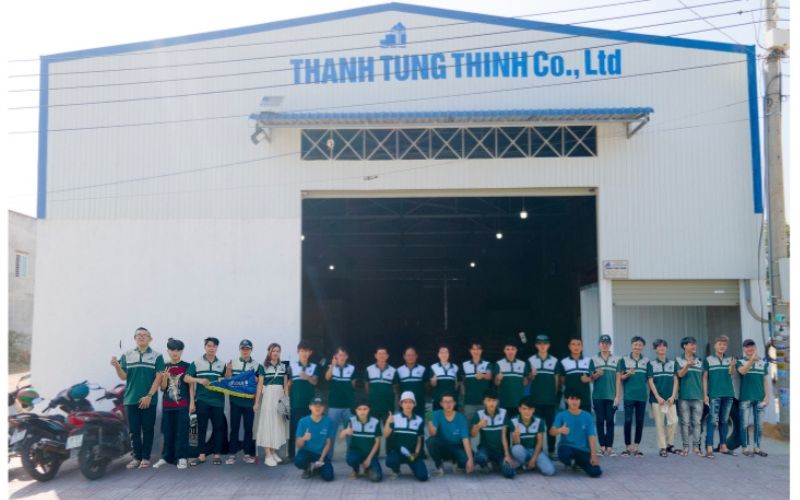
With over 13 years of experience in the wood industry, Thanh Tung Thinh has established itself as a leading manufacturer and exporter of wooden products, including cutting boards, trays, spice racks, and custom wooden kitchenware. The company is known for:
- Well-trained production teams with skilled carpenters
- Compliance with international standards (FSC-certified wood, food-safe finishes)
- Strong logistics capabilities, ensuring on-time global deliveries
- Professional customer service in both English and Vietnamese

What sets Thanh Tung Thinh apart from other wooden cutting board suppliers is their ability to provide not just products, but complete sourcing solutions—including OEM/ODM services, export documentation, and custom packaging.
Pro tip: If you’re sourcing for retail chains, e-commerce platforms, or hospitality businesses, working with suppliers like Thanh Tung Thinh ensures consistent quality and scalable production.
When vetting suppliers in Vietnam, always consider their export experience, factory capacity, and communication skills. Or better yet—start with a supplier like Thanh Tung Thinh that already checks all those boxes.
Conclusion
Working with wooden cutting board suppliers in Vietnam offers fantastic opportunities, but it also comes with its own set of challenges. By learning from the experiences of others, you can avoid costly mistakes and make smarter, more informed decisions.
To recap:
- Communicate clearly and frequently
- Always verify samples before mass production
- Choose experienced, export-ready suppliers
- Factor in total costs, not just unit prices
- Build long-term, trust-based relationships
Whether you’re launching your first product line or expanding your existing kitchenware collection, these lessons are essential for success in the global sourcing landscape.
Top Wholesale Wooden Kitchenware 2025 – Sustainable & Affordable

