


Table of Contents
Vietnam’s wood industry has evolved rapidly, becoming one of the most significant players in global wood production and export. With over 14 years of experience, the country has built a robust reputation for producing high-quality timber, furniture, and wooden products. As we enter 2025, the Vietnamese wood industry continues to thrive, with new trends, policies, and opportunities shaping its future. This article explores the latest developments in Vietnam’s wood sector, highlighting trends, challenges, and the potential for global buyers and investors.
I. Current Landscape of the Vietnam Wood Industry in 2025

Vietnam’s wood industry is a major contributor to its economy, with exports accounting for a significant portion of the country’s GDP. In 2025, the industry has witnessed growth, as both domestic production and international demand continue to rise. The Vietnamese wood sector’s strong ties to major export markets such as the United States, the European Union, and Japan have helped bolster its international presence.

Key statistics show that Vietnam’s wood exports have remained resilient despite global economic challenges. The industry’s export value has seen steady increases, particularly in areas like furniture, wood products, and raw materials. As of 2025, Vietnam is ranked among the top exporters of wood products worldwide, solidifying its place as a critical global supplier.
In light of the U.S. tariff measures, which are set to affect various industries, Vietnam has found ways to adapt by sourcing American timber for local production. This strategy helps mitigate the impact of the tariff on wood exports, maintaining a smooth flow of international trade.
II. Current Landscape of the Vietnam Wood Industry in 2025
The Vietnam wood industry has become a pivotal sector in the country’s economy, with exports driving significant growth. As we move through 2025, the industry continues to evolve, with rising demand for high-quality wood products and a strategic approach to global trade.
Updated Stats on Production and Export Figures
Vietnam’s wood industry has achieved impressive growth in both production and exports. The country’s wood export value is projected to surpass $15 billion in 2025, reflecting its increasing importance as a global supplier of wood products. From furniture to kitchenware, the Vietnam wood industry is increasingly recognized for its high-quality craftsmanship and innovative designs. The steady rise in export value highlights the country’s competitiveness in the global market.
Key Markets for Vietnam’s Wood Products

The Vietnam wood industry benefits from robust trade relationships with key global markets. The United States remains one of Vietnam’s largest buyers of wood products, contributing significantly to the export value. Other important markets include the European Union and Japan, where demand for sustainably sourced wood is growing. Vietnam’s ability to diversify its export markets, including newer partners in Asia and the Middle East, enhances its position in the global wood industry.
Use of American Timber to Avoid Retaliatory Taxes
The Vietnam wood industry has also been adapting to changing global trade dynamics. In response to the U.S. tariffs on certain products from Vietnam, many manufacturers are turning to American timber as a means to mitigate the impact of these tariffs. By incorporating American timber into their production processes, these businesses can avoid the higher tariffs and maintain a competitive edge, especially in the U.S. market. This strategic approach reflects the Vietnam wood industry’s resilience and adaptability to the ever-changing landscape of international trade.
III. Emerging Trends in Vietnam’s Wood Manufacturing Sector
As 2025 unfolds, the Vietnam wood industry is undergoing a transformative shift driven by innovation, sustainability, and increasing global demand. These trends are shaping the future of Vietnamese wood manufacturing and opening up new opportunities for both exporters and international buyers.
1. Emphasis on Sustainability and FSC-Certified Wood

Environmental responsibility is now at the forefront of the Vietnam wood industry. Many manufacturers are shifting to sustainable sourcing practices, prioritizing Forest Stewardship Council (FSC)-certified timber. This move not only helps protect forest resources but also aligns with buyer requirements from Europe, the U.S., and other eco-conscious markets. As global consumers become more environmentally aware, Vietnamese suppliers that invest in green practices are gaining a competitive edge.
2. Automation and Technological Advancement
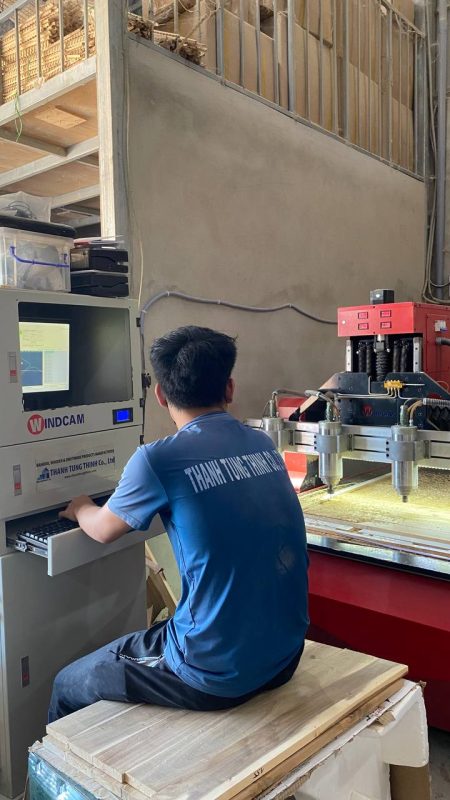
The adoption of technology is accelerating across the wood manufacturing sector in Vietnam. Automation, CNC machines, and digital design tools are being implemented to improve precision, reduce waste, and increase production efficiency. This modernization supports large-scale orders and enhances product customization, making Vietnam an attractive sourcing destination for international furniture brands and wholesalers seeking consistent quality.
3. Growth of OEM and ODM Services
Vietnamese manufacturers are no longer just fulfilling orders—they are becoming strategic partners in product development. Original Equipment Manufacturing (OEM) and Original Design Manufacturing (ODM) services are expanding rapidly in the Vietnam wood industry, allowing international brands to co-develop unique wood products. From luxury furniture to branded kitchenware, Vietnam is emerging as a creative hub for customized wooden solutions.

4. Rising Demand for Eco-Friendly and Functional Design
There’s a growing trend toward minimalist, multifunctional, and sustainable wood designs. Exporters in the Vietnam wood industry are responding with product lines that balance aesthetics with practicality. This trend is particularly strong in home décor, kitchenware, and office furnishings—sectors where Vietnam is already well-positioned as a reliable wholesale supplier.
IV. New Policies and Tax Changes Affecting the Industry
The Vietnam wood industry in 2025 is being shaped not only by market trends but also by important shifts in government policies and international trade regulations. Understanding these changes is crucial for both local manufacturers and international buyers seeking stable and transparent partnerships.
1. Response to U.S. Tariff Measures
Trump floats raising taxes on the rich to pay for his sweeping tax and spending cuts package
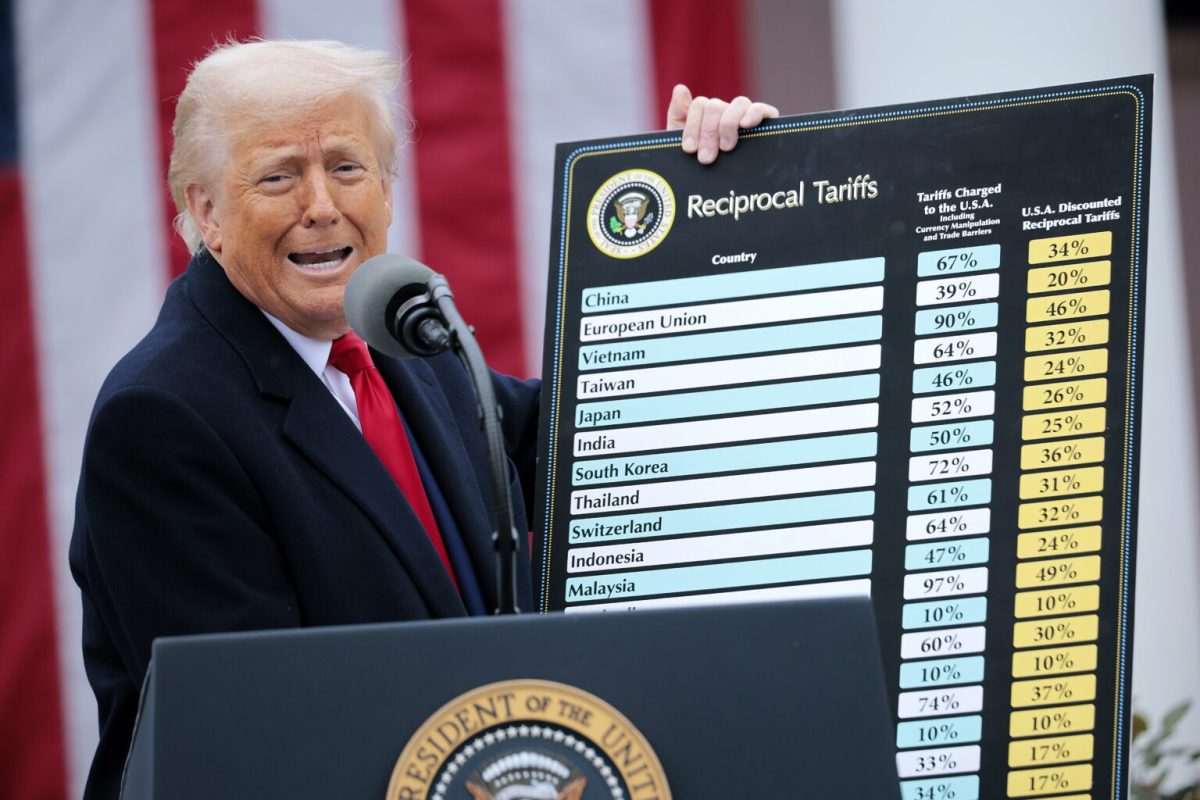
In early 2025, the U.S. government imposed retaliatory tariffs—up to 46%—on various Vietnamese exports due to trade imbalances. However, these tariffs specifically target industries that rely heavily on imported raw materials. Fortunately, the Vietnam wood industry, particularly segments that use American timber, has been strategically exempt from these penalties. Manufacturers that source raw wood directly from the U.S. are able to continue exporting with little to no additional duties, offering a unique advantage in this complex trade environment.
2. Vietnam’s Government Support and Investment Incentives
To support continued growth, the Vietnamese government has introduced favorable policies for the wood processing industry. These include tax incentives for eco-friendly production, reduced import duties for machinery and raw materials, and support for enterprises seeking FSC certification. Several provinces, such as Binh Duong and Dong Nai, are offering special investment zones for wood manufacturers with streamlined procedures and land rental incentives. These measures reinforce the government’s long-term commitment to boosting the Vietnam wood industry.

3. Export Documentation and Compliance Requirements
To align with stricter import regulations from the EU and U.S., Vietnam has tightened export documentation processes. In 2025, wood exporters must ensure transparency in their supply chains, proving the legal origin of timber and compliance with sustainability standards. This includes updated procedures for issuing CITES certificates, FLEGT licenses, and FSC Chain of Custody documentation. For buyers, this added compliance provides greater assurance and helps position Vietnamese wood products as credible and compliant in high-standard markets.
Going Global? Wood product certification requires broad legal arena
4. Digital Transformation in Trade and Customs
Vietnam is also pushing forward with digitalization in customs and trade reporting. The National Single Window system now integrates customs clearance, export permits, and environmental certifications, reducing paperwork and speeding up processing times for wood exporters. This makes the Vietnam wood industry more efficient and attractive for large-volume international transactions.
V. Challenges Facing Vietnam’s Wood Exporters in 2025
Despite strong growth and global recognition, the Vietnam wood industry faces several challenges that may affect its long-term competitiveness. Understanding these obstacles is vital for both exporters and international partners looking to collaborate effectively.
1. Raw Material Shortages and Import Dependency
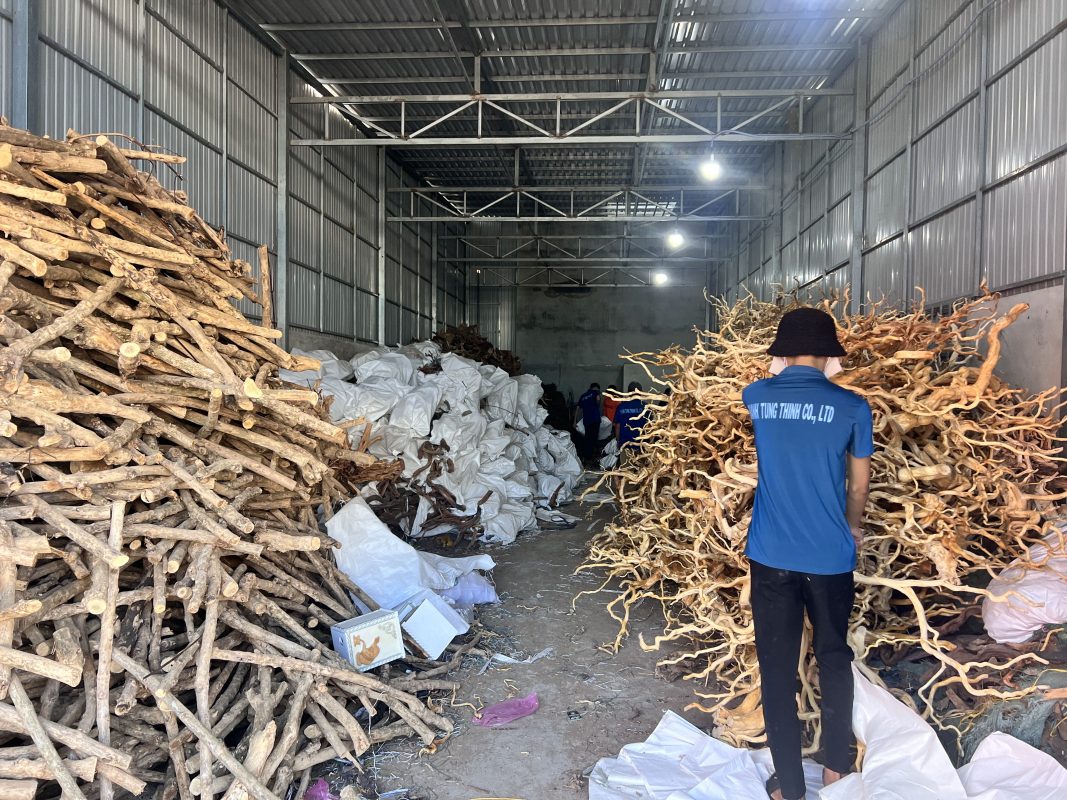
Vietnam’s domestic forest resources are limited, and the country depends heavily on imported raw timber, especially from the U.S., Africa, and South America. This reliance exposes the Vietnam wood industry to risks such as price fluctuations, transportation delays, and stricter import regulations. In 2025, the global shipping crisis and rising freight costs have further complicated raw material sourcing, forcing manufacturers to adopt tighter inventory management and diversified procurement strategies.
2. Labor Shortages and Rising Wages
As demand for Vietnamese wood products grows, so does the need for skilled labor. However, the industry is struggling to attract and retain a trained workforce. Rural-urban migration, an aging labor pool, and rising wage expectations are placing pressure on wood manufacturers to invest in automation and worker training programs. For small and medium-sized enterprises (SMEs), the rising labor cost is particularly challenging, as it affects profit margins and scalability.
3. Environmental Regulations and Certification Costs
Sustainable manufacturing is no longer optional in the wood export industry in Vietnam. However, meeting environmental standards such as FSC certification, carbon neutrality, and legal timber sourcing involves significant costs and administrative effort. For small businesses, these certifications can be financially burdensome, even though they are increasingly required by major import markets. Failure to comply may limit market access, especially to the EU and North America.
4. Global Competition and Product Differentiation

The Vietnam wood industry competes with other major players like China, Indonesia, and Malaysia. These countries offer competitive pricing, large-scale production, and strong logistics networks. To maintain its edge, Vietnam must focus on innovation, design originality, and brand building. Exporters who continue to offer low-value, generic products risk being replaced by more differentiated suppliers in global markets.
5. Trade Disputes and Geopolitical Uncertainty
The shifting landscape of international trade policies, such as retaliatory tariffs and tightening border controls, poses ongoing risks. Although Vietnam has several free trade agreements (FTAs) in place, trade tensions—especially with major partners like the U.S.—can impact export volumes and pricing strategies. The Vietnam wood industry must remain agile and informed to mitigate these risks effectively.
VI. Opportunities for Global Buyers and Investors
While the Vietnam wood industry faces challenges, it also presents promising opportunities for foreign investors, importers, and wholesale buyers. In 2025, Vietnam remains one of the most attractive sourcing hubs for wood products in Asia thanks to its skilled craftsmanship, competitive pricing, and favorable trade agreements.
1. Strategic Sourcing Hub for Sustainable Wood Products
Vietnam has positioned itself as a top destination for eco-conscious buyers. The widespread availability of FSC-certified wood, combined with the country’s commitment to sustainable manufacturing, makes the Vietnam wood industry ideal for businesses seeking environmentally friendly sourcing partners. From custom furniture to eco-packaging and kitchenware, Vietnamese suppliers are capable of meeting rigorous environmental standards at scale.
2. Low-Cost, High-Quality Manufacturing Base
Compared to other regional suppliers, Vietnam offers a compelling mix of low production costs and high craftsmanship. This is especially true for handmade wooden items, OEM/ODM wooden furniture, and wooden home décor products. For wholesalers and retailers looking to expand their wooden product lines, Vietnam offers flexibility in minimum order quantity (MOQ), quick production turnaround, and customization—all at competitive prices.
3. Strong Government Support and Trade Agreements
Vietnam’s participation in major free trade agreements (FTAs) such as EVFTA (with the EU), CPTPP, and RCEP creates favorable conditions for exporters and importers alike. These agreements reduce tariffs and improve transparency in customs, benefiting global buyers. For investors, the Vietnam wood industry offers growth opportunities in joint ventures, factory setup, or product development partnerships—especially in provinces offering investment incentives for green manufacturing.
4. Increasing Demand in Emerging Markets
While the U.S. and EU remain major export destinations, the Vietnam wood industry is rapidly expanding into the Middle East, South Korea, and Australia. These emerging markets are increasingly receptive to Vietnamese wooden products due to their quality, design appeal, and eco-compliance. For buyers seeking to diversify their supplier base, Vietnam provides reliable access to both established and new markets.

5. Opportunities in Niche Segments
Several niche markets are booming within the Vietnam wood manufacturing industry—including wooden toys, wooden key holders, wooden spice racks, charcuterie boards, and pet chew products. Vietnamese exporters are agile and capable of fulfilling custom B2B orders for such niche, high-margin categories. Importers can take advantage of Vietnam’s design flexibility and low-MOQ offerings to test new product lines or seasonal collections.
Keywords to focus on: Vietnam wood industry, Vietnam wood products for export, invest in Vietnam wood manufacturing, Vietnam wooden OEM supplier, Vietnam wood product sourcing
Conclusion
The Vietnam wood industry in 2025 stands at the crossroads of innovation, opportunity, and global competitiveness. With increasing demand for sustainable wood products, strong government support, and advanced manufacturing capabilities, Vietnam has solidified its position as a leading supplier in the global market. While challenges like raw material dependency and regulatory compliance remain, they are outweighed by the immense potential for international buyers, investors, and partners. For businesses seeking reliable, eco-conscious, and cost-effective wood sourcing, Vietnam continues to be a top destination worth serious consideration.

