



Table of Contents
Introduction
Packaging has always played a pivotal role in the jewelry industry. Beyond the basic function of protecting delicate items during storage and transportation, it serves as a powerful branding tool that communicates value, heritage, and identity. A thoughtfully designed jewelry box or case often becomes part of the customer experience, shaping how buyers perceive the brand even before they see the product itself.
In recent years, wooden jewelry packaging has emerged as a standout option in the global packaging landscape. Unlike disposable paperboard or mass-produced plastic packaging, wooden boxes deliver a sense of permanence and craftsmanship. Their solid construction and tactile warmth create an immediate association with luxury and exclusivity. For jewelers competing in crowded marketplaces, this difference in presentation can directly influence purchasing decisions and long-term customer loyalty.
What sets wooden packaging apart is not only its durability but also its alignment with sustainability and eco-conscious trends. Consumers, especially millennials and Gen Z buyers, are increasingly attentive to how products are sourced, packaged, and delivered. A wooden box made from FSC-certified acacia, maple, walnut, or bamboo signals responsibility while also offering a reusable or keepable value. Unlike cardboard, which is discarded, or plastic that contributes to waste, wooden boxes often double as keepsakes or storage, extending their lifecycle well beyond the point of sale.

The numbers reinforce this opportunity. According to Grand View Research, the global jewelry market is projected to reach USD 482.22 billion by 2030, growing at a CAGR of 4.7% from 2023 to 2030. With this growth comes an expanding demand for packaging that not only protects jewelry during e-commerce shipping but also enhances the unboxing experience — a trend that social media and influencer marketing have amplified. Wooden packaging, with its premium appearance and custom branding potential, sits at the very center of this shift.
Moreover, governments and trade bodies are tightening regulations around packaging waste and chemical safety. Compliance requirements such as California’s Proposition 65 in the US or the EU REACH regulation are pushing brands to rethink coatings, adhesives, and materials used in packaging. Wooden packaging, when paired with safe finishes and eco-certifications, provides a pathway for jewelers to remain compliant while appealing to conscious consumers.
As a result, the wooden jewelry packaging market is no longer a niche. It is a growing sector where sustainability, luxury branding, and consumer experience converge. For both jewelry brands and packaging suppliers, this creates a wealth of opportunities — from eco-friendly innovation to premium market positioning — that will define the industry’s next chapter.
Read more: “Why Choosing the Right Wooden Jewelry Box Supplier Matters for Your Jewelry Business in 2025”
Market Overview
The wooden jewelry packaging market is a growing segment within the broader luxury and sustainable packaging industry. Unlike conventional paperboard or plastic solutions, wooden packaging appeals to both premium jewelry retailers and eco-conscious consumers, creating a unique niche with strong long-term potential.
Product Segmentation
The market includes a wide variety of product formats, each serving a different function:
- Ring Boxes: Perhaps the most iconic form of jewelry packaging, wooden ring boxes are widely used for engagement and wedding rings. They often feature velvet or suede interiors and magnetic or clasp closures, balancing durability with elegance.
- Necklace & Bracelet Cases: These longer cases provide a luxurious frame for showcasing jewelry while ensuring chains do not tangle during storage or shipping. They are common among retailers and for premium gifting occasions.
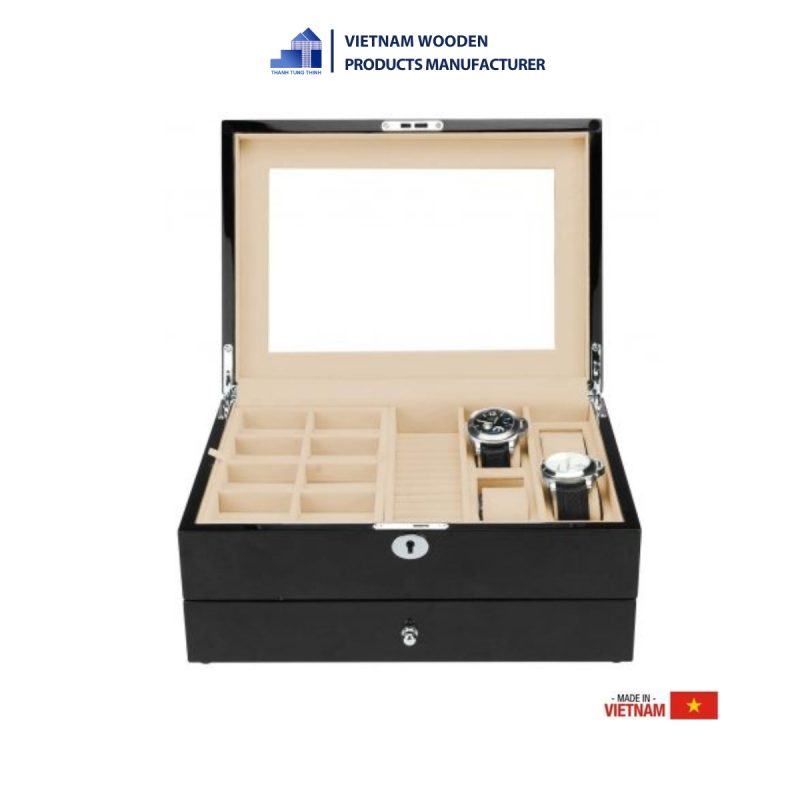
- Watch Boxes: A high-growth segment within wooden packaging, watch boxes often feature multiple compartments, glass display tops, and leather or fabric inserts. With watches increasingly positioned as collectible items, durable wooden packaging adds to their perceived value.
- Display Trays & Stands: Widely used by jewelry retailers and exhibition participants, wooden trays combine aesthetics with functionality. Retailers favor these because they elevate in-store presentation while signaling craftsmanship.
- Travel & Storage Cases: A smaller but expanding category, these cases provide portability and secure storage, particularly for e-commerce buyers seeking protective packaging that doubles as a keepsake box.
This diversity of formats allows suppliers to target both mass-market and niche luxury segments, while also offering opportunities for customization.
Material Segmentation
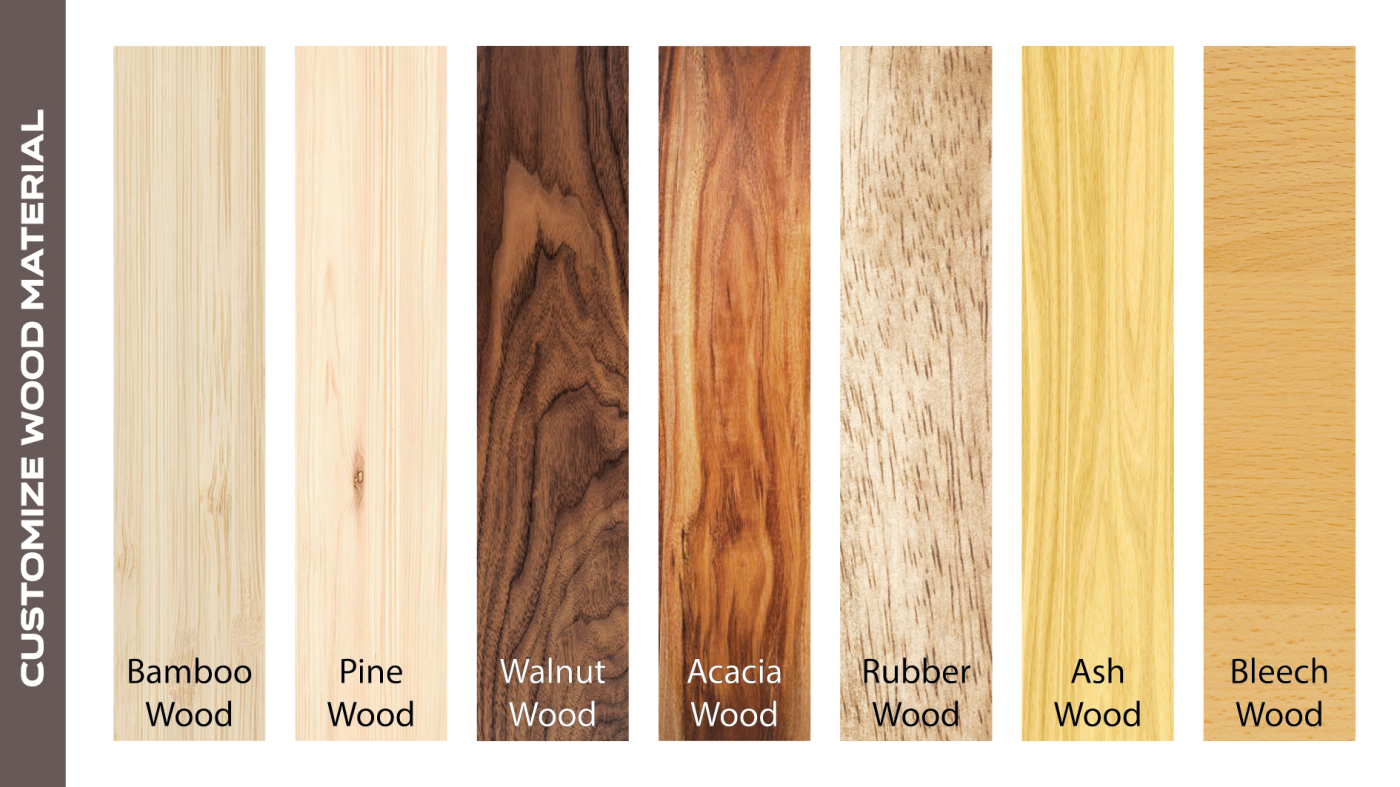
Choice of material is closely tied to positioning and price point:
- Hardwoods (Acacia, Oak, Maple, Walnut): Valued for durability and fine finishing, hardwoods are typically used for high-end jewelry packaging. They appeal to luxury retailers and premium brands seeking exclusivity.
- Bamboo: An increasingly popular material due to its sustainability and fast regrowth cycle. Bamboo packaging balances eco-friendly credentials with a modern aesthetic, making it attractive to brands targeting younger consumers.
- Engineered Wood & Veneer: These options provide the look of solid wood at a lower cost, helping suppliers cater to mid-range brands that want a premium feel without luxury-level pricing.
- Exotic Woods & Specialty Finishes: For ultra-luxury brands, exotic materials or lacquered finishes add uniqueness but come at a higher cost and longer lead times.
Material choices directly affect not only aesthetics and pricing but also compliance with eco-certifications (FSC, PEFC) and regional safety standards.
End-User Segmentation
The market can also be divided based on buyer type:
- Luxury Retailers Often seek bespoke solutions tailored to their brand identity. They prioritize craftsmanship, premium finishes, and certifications that reflect their sustainability commitments.
- Independent Designers & E-commerce Sellers: This fast-growing segment values low minimum order quantities (MOQ) and quick prototyping. They often use packaging as a storytelling tool to differentiate in crowded digital marketplaces.
- Wholesalers & Distributors: These buyers operate in bulk, serving as intermediaries between manufacturers and jewelry brands. Their decisions are driven by price competitiveness, shipping reliability, and flexibility in design variations.
Market Growth Potential

Global demand for wooden jewelry packaging is projected to grow steadily over the next five years, driven by:
- Sustainability Concerns: Wooden packaging offers a renewable and recyclable alternative to plastics, aligning with eco-conscious consumer expectations.
- Premium Branding: The rise of luxury gifting, particularly in North America, Europe, and the Middle East, makes wooden boxes an attractive choice for high-value jewelry.
- E-commerce Expansion: The growth of online jewelry sales, particularly among millennials and Gen Z, is pushing brands toward packaging that balances protection with aesthetic presentation.
While still a relatively niche segment compared to paperboard packaging, the wooden jewelry packaging market is carving out a distinct position as the go-to choice for premium, sustainable, and customizable packaging solutions.
Regional Outlook
North America
North America remains one of the most lucrative markets for wooden jewelry packaging, driven by both consumer expectations and regulatory frameworks. In the United States, premium jewelry brands are increasingly using wooden boxes to enhance the unboxing experience, particularly for engagement rings, luxury watches, and fine necklaces. The packaging itself becomes an integral part of the emotional purchase journey, where both durability and aesthetics play equal roles.

One of the most significant considerations for suppliers targeting this region is compliance with California’s Proposition 65, which regulates chemicals used in coatings, adhesives, and finishes. Retailers and e-commerce sellers are under pressure to ensure that their packaging materials do not expose consumers to harmful substances. For this reason, FSC-certified and Prop 65-compliant wooden jewelry boxes are in high demand. Canadian buyers share similar values, with sustainability and luxury appeal guiding purchasing decisions.
North American jewelers are also strongly influenced by social media trends. Aesthetically pleasing wooden packaging that photographs well for Instagram, TikTok, and brand campaigns offers suppliers an added selling point.
Europe
Europe leads the way in terms of eco-friendly packaging adoption. Countries like Germany, France, and the UK are especially attentive to sourcing transparency and artisan craftsmanship. Here, buyers often seek minimalist yet elegant wooden jewelry boxes, frequently finished with natural oils or water-based coatings instead of chemical varnishes.
The European Union’s Green Deal and circular economy policies further encourage jewelers to replace plastic-heavy packaging with reusable or recyclable alternatives. A wooden jewelry box, especially one made from sustainably sourced acacia, oak, or walnut, fits neatly into this demand.

Markets like France also have a deep appreciation for design heritage. Handcrafted or small-batch artisan-made wooden jewelry packaging can command a premium price point. On the other hand, retailers in Germany and Scandinavia may favor clean, minimalist aesthetics that align with modern design values.
Asia-Pacific
Asia-Pacific serves a dual role in the wooden jewelry packaging market: both as a sourcing hub and as a growing consumer market.

- Sourcing Hub: Countries such as Vietnam, China, and Indonesia are major production centers for wooden packaging. Vietnam, in particular, has gained attention for its FSC-certified wooden jewelry box suppliers, combining cost-effectiveness with craftsmanship. Many European and American brands prefer Vietnam over China for lower MOQs and eco-certification advantages.
- Consumer Market: Rising disposable incomes in China, India, and Southeast Asia are fueling demand for fine jewelry — and with it, premium packaging. For example, Chinese consumers often associate wooden boxes with status and tradition, while Indian buyers may favor ornate and decorative wooden packaging suited for gold jewelry and wedding gifts.
Read more: “Wholesale Custom Wooden Box Supplier Guide: Proven Tips to Find the Right Partner”

The region’s competitive labor costs and abundant wood resources make it an attractive destination for OEM/ODM manufacturing, but buyers are increasingly selective, preferring suppliers that demonstrate compliance with international safety and environmental standards.
Middle East
In the Middle East, jewelry plays a central role in cultural traditions, particularly around weddings, Eid, and other celebrations. This translates into strong demand for ornate, luxurious wooden packaging. Boxes may be embellished with gold detailing, lacquer finishes, or mother-of-pearl inlays to match the grandeur of the jewelry itself.
The UAE and Saudi Arabia are the region’s primary luxury hubs, with Dubai acting as a global re-export center for jewelry and packaging products. Here, suppliers that can provide both customization and bulk order flexibility are best positioned. Buyers in this market are less concerned with minimalism and more focused on prestige and gifting appeal.
Competitive Landscape
The wooden jewelry packaging market is highly fragmented, with competition coming from multiple tiers of suppliers:
- Artisan Workshops
Small-batch producers specialize in handcrafted, unique designs. These suppliers appeal to boutique jewelers in Europe and North America that value exclusivity and storytelling. While they cannot compete on price or scale, their craftsmanship and authenticity command premium margins. - OEM/ODM Manufacturers
Medium to large factories in Vietnam, China, and Indonesia serve as the backbone of the global supply chain. They provide scalability, cost advantages, and custom branding options such as laser engraving, velvet inlays, or magnetic closures. Many of these suppliers also offer low MOQs, which is attractive for startups and mid-sized jewelry retailers. - Large Packaging Companies
Global corporations with multi-material capabilities dominate the high-volume contracts with international jewelry brands. Their strengths lie in global distribution networks, automated production lines, and compliance with certifications such as FSC, BSCI, and Prop 65. However, they are often less flexible for smaller buyers due to high MOQs.
Key Competitive Factors
- Pricing & Quality Consistency: Buyers expect competitive pricing, but not at the expense of quality. Inconsistent wood finishing, hinge durability, or paint application can quickly damage the supplier’s reputation.
- Low Minimum Order Quantities (MOQ): Especially important for new jewelry brands and e-commerce sellers that cannot commit to thousands of units at once. Suppliers in Vietnam have gained market share by offering flexible MOQs.
- Speed of Prototyping & Design Flexibility: Jewelers want packaging that matches seasonal collections or marketing campaigns. Suppliers who can deliver prototypes within weeks — instead of months — gain a strong edge.
- Eco-Certifications: As international buyers tighten requirements, certifications like FSC (Forest Stewardship Council), BSCI (Business Social Compliance Initiative), and compliance with EU/US safety standards are now essential selling points rather than optional extras.

Overall, the market is evolving toward a balance between eco-consciousness, luxury appeal, and supply chain agility. Suppliers who can demonstrate both sustainability credentials and design innovation are best positioned to thrive in the global wooden jewelry packaging market.
Pricing & Profitability
The pricing of wooden jewelry packaging is shaped by a combination of material choices, craftsmanship, and value-added features. Unlike paperboard or plastic packaging, which are relatively standardized, wooden packaging offers a wide spectrum of price points depending on the wood type, design complexity, and finishing quality. Understanding these variables is critical for both jewelry brands (who view packaging as part of their product positioning) and suppliers (who aim to maximize margins while remaining competitive).
Key Pricing Drivers
- Type of Wood Used
- Entry-level options: Woods like pine or rubberwood are affordable, lightweight, and widely available, making them suitable for mid-range jewelry brands.
- Premium options: Walnut, maple, oak, and acacia command higher costs due to their density, grain beauty, and durability. For example, a walnut jewelry box can retail for 30–40% more than a pine equivalent, purely on perceived luxury.
- Eco-materials: Bamboo and FSC-certified woods appeal to sustainability-focused buyers. While slightly more expensive upfront, these materials create long-term value for brands by supporting eco-marketing campaigns.
- Complexity of Design and Inserts
A simple square box with a hinged lid differs greatly in cost compared to a multi-compartment jewelry chest with velvet or leather inlays. Inserts such as watch cushions, earring holders, or ring slots add labor time and material cost. Intricate carvings or branding details, such as laser engraving or embossed logos, can increase per-unit pricing by 10–20%. - Hardware Components
Hinges, clasps, magnetic closures, and drawer sliders all affect the final cost. High-quality brass or stainless-steel hardware costs more than generic alloy parts but enhances durability, which luxury brands demand. For premium jewelry, the packaging is expected to last as long as the piece itself — and the hardware reflects that. - Finishing Quality
The finish can make or break the perceived value of wooden packaging. Water-based lacquers, natural oils, or hand-polished varnishes cost more than mass-applied paints. Luxury buyers often demand smooth-touch, high-gloss, or matte finishes that highlight the natural grain of the wood. Each step adds labor hours and, therefore, raises pricing. - Labor Costs and Export Freight
Production costs vary significantly by region. For instance, Vietnamese suppliers benefit from lower labor costs while maintaining strong craftsmanship, giving them a price advantage over European producers. Freight costs also play a role, especially when exporting bulk orders. Rising container prices in recent years have added 5–15% to landed costs, making sourcing strategies even more critical.
Profitability for Brands

For jewelry brands, wooden packaging is more than just a cost center — it is a value driver. A wooden jewelry box can justify a higher retail markup by positioning the brand as premium and offering customers a keepsake that lasts. For example:
- A $200 necklace in a paperboard box might retail at $200.
- The same necklace in a walnut wooden box with velvet lining could retail at $230–$250, as customers associate the packaging with exclusivity.
This not only increases the average transaction value but also strengthens brand perception and customer loyalty. In e-commerce, where unboxing experiences are widely shared online, premium packaging becomes part of the marketing ROI.
Profitability for Suppliers
Suppliers can boost margins by moving beyond plain packaging production and offering value-added services, such as:
- Custom Branding: Laser engraving, logo embossing, or color-customized interiors allow jewelers to differentiate. Brands are willing to pay a 15–25% premium for customized batches.
- Design Consultancy: Offering 3D mockups, prototyping, and co-design services helps jewelers launch seasonal or collection-specific packaging without in-house design costs.
- Eco-Certification Documentation: Providing proof of FSC certification, BSCI audits, or Prop 65 compliance gives suppliers leverage when dealing with US and European buyers. Many jewelers will pay higher prices to avoid compliance risks.

By strategically upselling these services, suppliers can shift from competing on price alone to competing on value and trust, which is more sustainable in the long term.
Risks & Challenges
While the wooden jewelry packaging market presents strong opportunities, suppliers and jewelry brands face several hurdles that can directly impact profitability and long-term growth.
1. Commoditization and Price Pressure
As more suppliers enter the market, particularly in Asia-Pacific, wooden jewelry packaging risks becoming commoditized. When products look similar — square or rectangular wooden boxes with standard velvet interiors — buyers may perceive little differentiation and negotiate aggressively on price. This creates a race to the bottom where margins shrink.
For instance, a US buyer sourcing a batch of 5,000 standard pine wood boxes could receive nearly identical quotes from multiple factories in Vietnam, China, or India. Unless a supplier differentiates through design, eco-certifications, or branding services, the only deciding factor may be cost, making profitability unsustainable.
2. Supply Chain Volatility
The supply of raw materials is not always stable. Certain hardwoods, such as walnut or oak, can be affected by seasonal availability, logging restrictions, or international trade policies. In 2021–2022, global container shortages and rising freight prices increased shipping costs for exporters by up to 20–30%, squeezing both suppliers and buyers.
Additionally, climate change and deforestation regulations may limit access to certain wood species. Without diversified sourcing or certified supply chains, manufacturers risk delays, shortages, and increased costs, which can erode trust with international buyers.
3. Greenwashing Risks
Sustainability is one of the biggest selling points of wooden packaging — but also a potential liability if claims are not credible. Buyers in the US and Europe are increasingly cautious about greenwashing, where suppliers market products as “eco-friendly” without verifiable proof.

For example, claiming a jewelry box is “sustainably made” without FSC certification or proof of responsible sourcing can backfire. Retailers caught selling mislabeled products risk legal penalties and reputational damage. In turn, suppliers that exaggerate or misrepresent eco-claims risk losing long-term contracts with global brands.
4. Compliance Hurdles
Wooden packaging must also comply with chemical and safety standards in different markets. In the US, California’s Proposition 65 regulates chemicals used in wood finishes and adhesives. In Europe, the REACH regulation governs the use of potentially hazardous substances.
Non-compliance can mean costly recalls, reputational harm, or even import bans. For example, a shipment of jewelry boxes coated with high-VOC lacquers might be rejected at customs in Germany. Suppliers that do not proactively test and certify their finishes risk exposing buyers to unnecessary legal and financial risks.
Opportunities & Recommendations
Despite these challenges, the wooden jewelry packaging sector has multiple opportunities for growth, differentiation, and long-term competitiveness.
1. Differentiation Through Flexibility and Innovation
Suppliers can move beyond commoditization by offering low MOQs (minimum order quantities), rapid prototyping, and hybrid designs that combine wood with other materials like glass, leather, or fabric. This flexibility attracts emerging jewelry brands that want unique packaging but cannot commit to massive volumes.

For example, a supplier offering 200-unit test runs with custom logo engraving and color variations gains a strong advantage over competitors who only accept 1,000+ unit orders.
2. Branding and High-Margin Services
Adding custom branding services creates value for jewelers while boosting supplier profitability. Techniques like laser engraving, foil stamping, and UV printing transform a standard wooden box into a branded asset. Jewelers are willing to pay a 15–25% premium for these services, especially when packaging is used in marketing campaigns and influencer unboxing videos.
Some suppliers even offer 3D design consultations or digital mockups, allowing brands to visualize packaging before production. This consultative approach elevates suppliers from simple manufacturers to strategic partners, strengthening client relationships.
3. Expanding into Niche Markets
The wooden jewelry packaging market is not limited to rings and necklaces. Suppliers can capture new demand in adjacent niches such as:
- Bridal Packaging: Luxurious wooden boxes for engagement rings, bridal sets, or wedding gifting.
- Watch Packaging: Heavier, multi-slot wooden cases for watch collectors.
- Customizable Gift Boxes: Personalized keepsake boxes for anniversaries, corporate gifting, or luxury retail promotions.
These segments typically command higher margins because buyers value exclusivity and customization.
4. Leveraging Vietnam’s Competitive Edge
Among sourcing hubs, Vietnam has emerged as a preferred destination for wooden jewelry packaging due to its:

- Lower labor costs compared to China.
- Strong availability of FSC-certified wood.
- Established compliance with BSCI, FSC, and Prop 65 standards.
- Ability to handle smaller, flexible MOQs without sacrificing craftsmanship.
International buyers, particularly from the US and Europe, increasingly shift orders from China to Vietnam to reduce dependency on a single source while benefiting from both cost-effectiveness and compliance confidence.
Strategic Recommendations
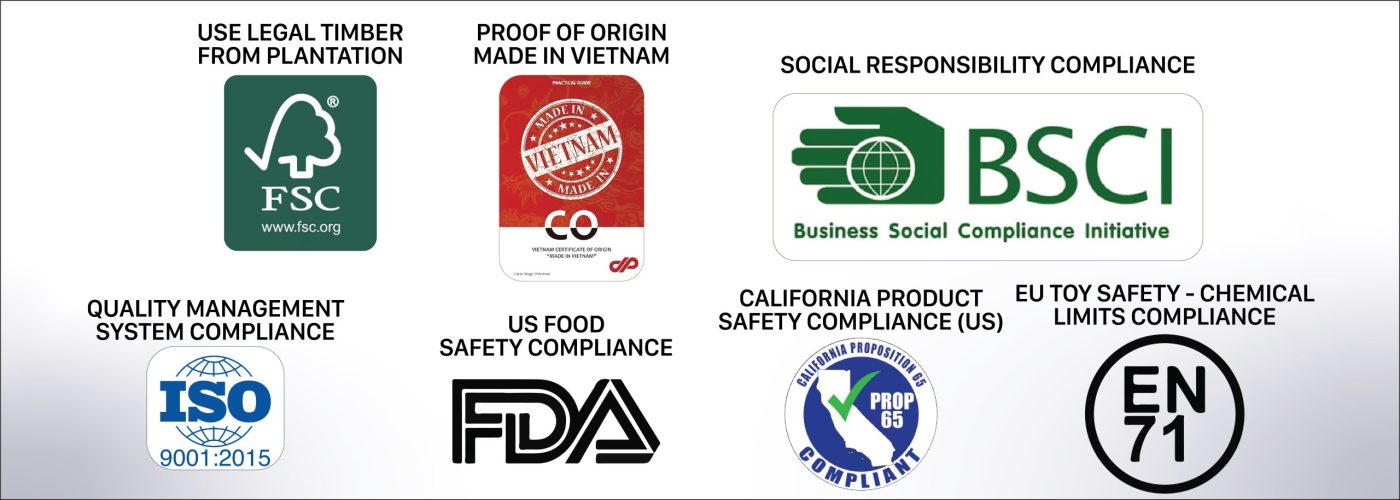
- Invest in Eco-Certifications: FSC, BSCI, and third-party chemical testing are no longer optional but essential for winning contracts with global jewelry brands.
- Develop Customization Capabilities: Branding services and hybrid-material packaging will help escape the price war trap.
- Diversify Wood Sourcing: Maintain access to multiple wood species and suppliers to reduce volatility risks.
- Target Growth Niches: Bridal, watch, and gifting segments provide higher margins and long-term partnerships.
- Highlight Country Advantages: Suppliers in Vietnam should emphasize their compliance, labor cost benefits, and export readiness in marketing pitches.
By proactively addressing risks while capitalizing on these opportunities, wooden jewelry box suppliers can build stronger, more profitable relationships with international buyers and secure a lasting position in the global packaging market.
Conclusion
The wooden jewelry packaging market is growing as sustainability, premium branding, and e-commerce reshape the jewelry industry. More than just protective casing, wooden boxes are now a storytelling tool for brands and a profitable niche for suppliers.
Jewelry businesses that embrace sustainable, customizable wooden packaging will enjoy stronger brand appeal, while suppliers who can offer certifications, flexible MOQs, and innovative designs are best positioned to win global contracts.

