


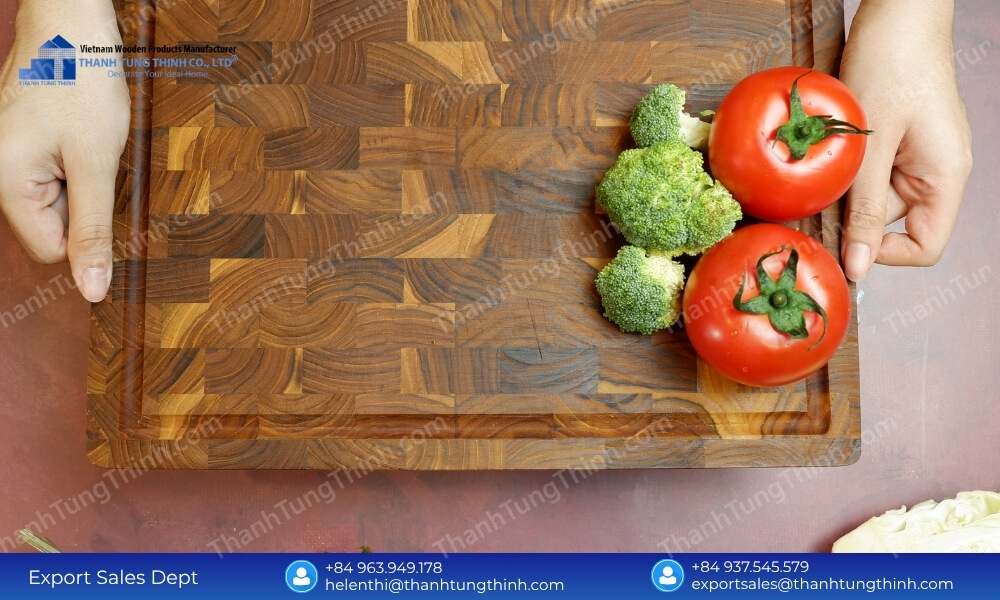
Table of Contents
In the global kitchenware manufacturing landscape, tropical hardwoods have emerged as a dominant choice for high-end food preparation surfaces. However, commercial wholesale buyers, restaurant procurement managers, and retail shop owners frequently raise an essential public health question: are teak wood cutting board safe for heavy-duty daily food contact, or do they harbor invisible bacterial threats?
When evaluating a commercial-grade teak wood cutting board, B2B buyers must analyze how the wood’s organic compound distribution creates a proactive biological shield against dangerous foodborne pathogens. This strategic analysis explores the natural structural and chemical properties of tropical timber to answer definitively whether investing in these premium boards complies with rigorous global food safety guidelines.
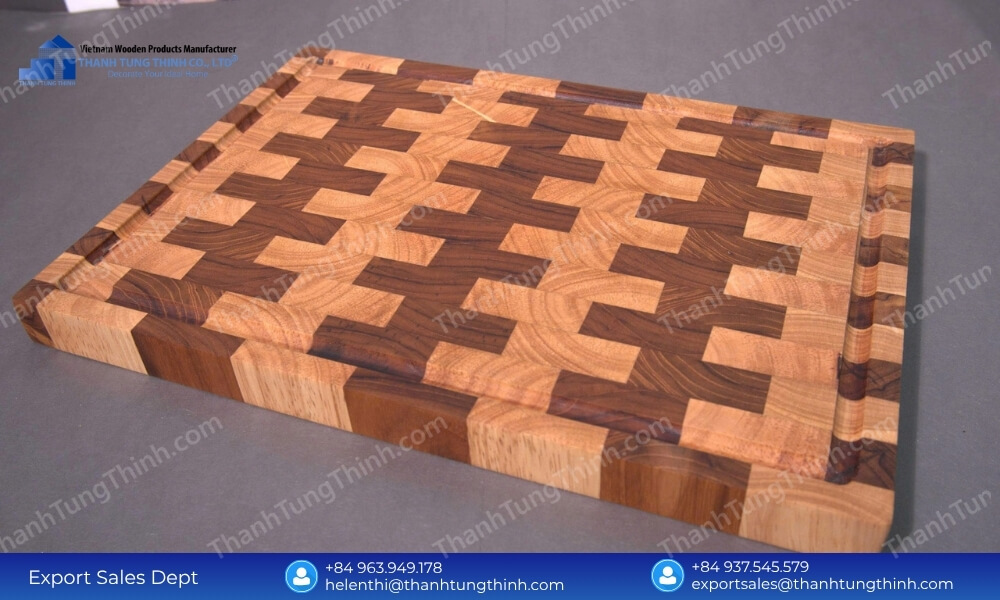
The Biological Reality of Cross-Contamination in High-Volume Kitchens
To understand why asking are teak wood cutting board safe is so critical for modern food service operations, one must look at how microscopic pathogens behave on organic cutting surfaces. In busy commercial kitchens, processing raw poultry, beef, and fresh greens within a single shift makes cross-contamination a constant operational hazard.
Standard knife work creates deep micro-scratches on low-density wood or soft plastic surfaces, forming underground pockets where moisture and dangerous foodborne pathogens like Salmonella, E. coli, and Listeria accumulate. Because standard washing routines struggle to reach these crevices, sourcing high-density materials is vital.
Global health authorities enforce zero-tolerance frameworks for bacterial cross-contamination to prevent outbreaks, regulatory fines, or product recalls. Verifying whether are teak wood cutting board safe requires analyzing the material’s natural liquid resistance; surfaces that repel juices naturally reduce deep bacterial colonization, protecting commercial food operators.
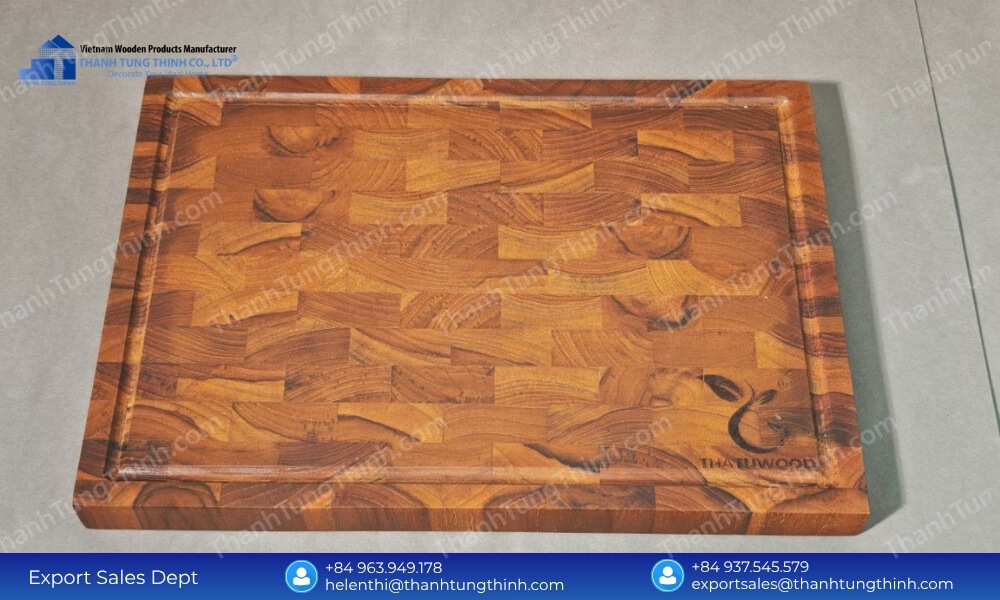
The Natural Antibacterial Defense Systems of Teak Timber
What sets this tropical hardwood apart from domestic North American or European woods is its unique internal chemical composition. The tree develops high concentrations of protective organic compounds as a survival mechanism against tropical insects and damp rainforest environments, creating a highly effective natural defense system for kitchenware products.
Rich Oil Resins and Natural Hydrophobic Properties
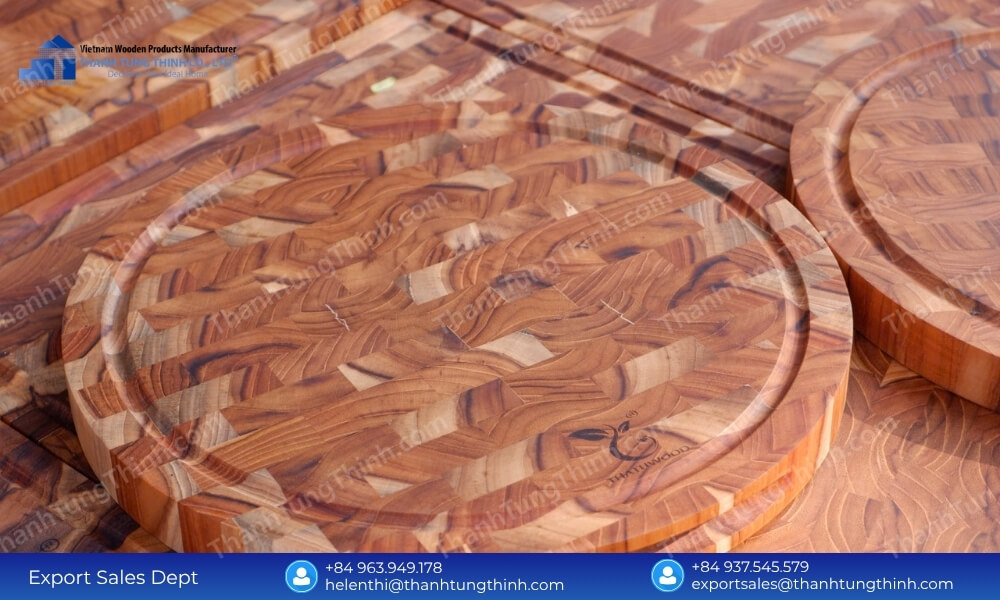
The most important asset that answers the question are teak wood cutting board safe is the high concentration of natural oil resins locked deep inside the timber’s heartwood matrix. While traditional cutting boards made of maple, walnut, or beech depend entirely on manual applications of food-grade mineral oils to stay hydrated, a teak wood cutting board carries a permanent, built-in water-repellent system.
These natural oils create a hydrophobic barrier that actively pushes away liquids, ensuring that contaminated meat juices, blood, and moisture cannot sink deep into the core fibers of the block. By stopping deep fluid absorption, the wood eliminates the damp, dark conditions that bacteria require to survive and replicate.
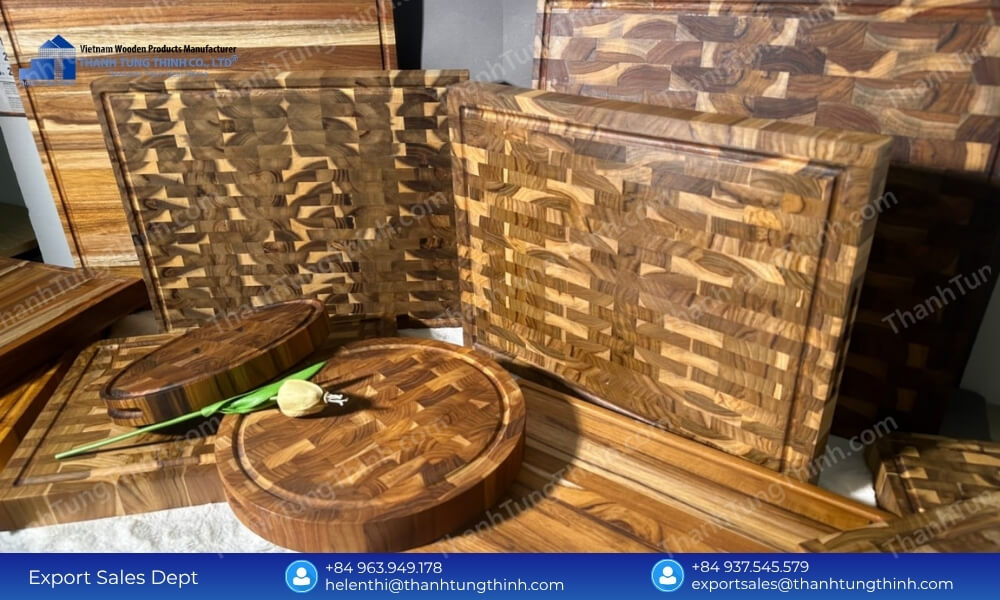
Natural Tectoquinones acting as Organic Preservatives
Alongside its natural waterproofing oils, the heartwood contains specialized organic chemical compounds called tectoquinones. These natural biocide agents serve as organic wood preservatives, making the timber highly resistant to mold growth, fungal rot, and bacterial decay even when exposed to humid commercial kitchen conditions.
This natural chemical protection ensures that even when raw meats are processed continuously on the block, the surface actively works to neutralize organic pathogens, giving commercial food operators and home users complete peace of mind regarding food safety.
Comparative Material Analysis: Evaluating Biological Safety Profiles
For corporate procurement directors balancing wholesale purchasing budgets against public health compliance, choosing the correct material requires a side-by-side comparison. This breakdown reveals why tropical timber outperforms alternative materials in long-term sanitary safety tests.
Teak vs. Plastic: The Hidden Sanitary Illusion
For many years, commercial kitchens favored heavy polyethylene plastic cutting boards because they can be run through high-temperature automatic dishwashers for quick cleaning. However, scientific safety studies have revealed that once plastic surfaces develop deep knife scores, the plastic fibers fray and trap bacteria inside microscopic pockets that dishwashers cannot sanitize.
Furthermore, plastic lacks any natural antibacterial properties, allowing trapped pathogens to thrive undisturbed. A premium teak wood cutting board addresses this issue; its natural capillary action draws surface bacteria down into the lower wood layers, where the natural oils and dry environment neutralize the organisms within a few hours.
Teak vs. Standard Domestic Hardwoods
Traditional hardwoods like maple and walnut are excellent choices for domestic cutting blocks, but their porous wood cells absorb moisture easily if they are not oiled regularly. When domestic boards dry out, they split along their grain lines, creating large gaps where food debris can collect and decay.
Choosing verified tropical timber protects your business from these structural safety risks. The built-in oil content keeps the surface smooth, sealed, and crack-free over long periods of heavy kitchen use, proving that are teak wood cutting board safe options for high-volume foodservice environments.
Strict Manufacturing Framework: Securing Pure Food-Grade Craftsmanship
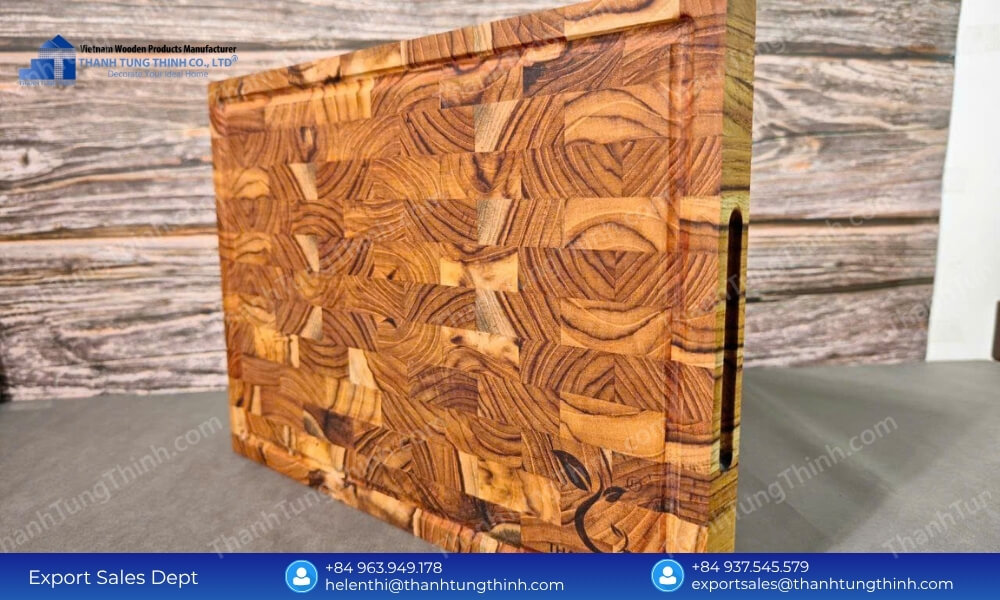
A natural material is only as safe as the manufacturing processes used to shape it. To guarantee that every bulk shipment of are teak wood cutting board safe inventory adheres to global food-contact safety standards, our manufacturing facility follows a strict chemical-free processing pipeline.
- 100% Certified Non-Toxic Assembly Adhesives: We assemble our multi-block cutting boards using premium, FDA-approved, moisture-resistant wood glues that emit zero volatile organic compounds (VOCs) and never dissolve into hot food.
- Zero Synthetic Varnishes or Chemical Lacquers: Many generic decorative wood products are coated with cheap industrial clear coats to enhance their showroom shine. Our kitchen products are completely free of artificial polyurethanes, varnishes, or chemical lacquers, ensuring no synthetic flakes chip off into consumer meals.
- Pure Food-Grade Mineral Oil Pre-Finishing: Before packing, every board goes through a mechanical oil bath using ultra-pure, USP-certified food-grade mineral oil to lock in core moisture and provide immediate, out-of-the-box food safety.
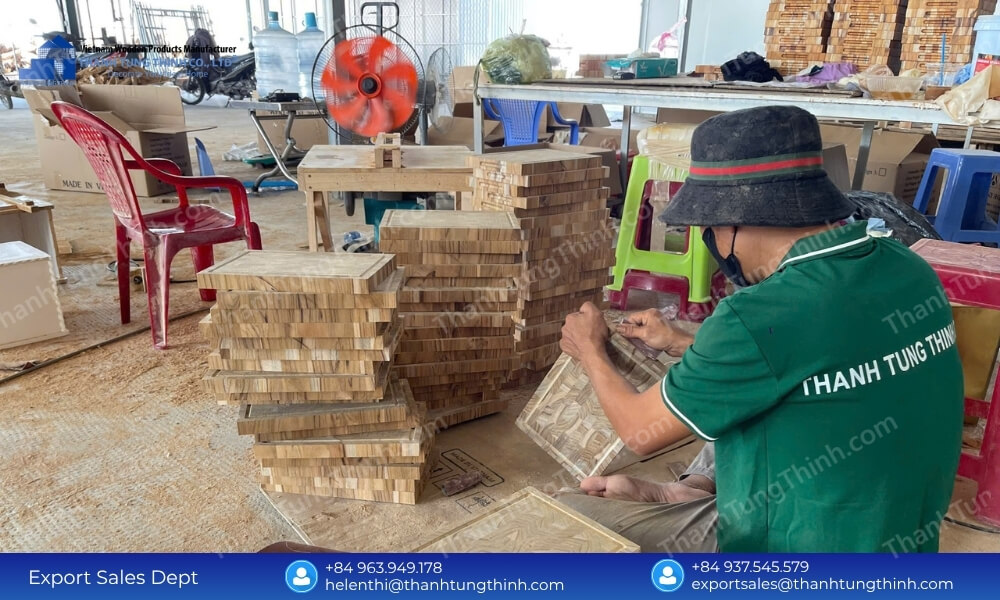
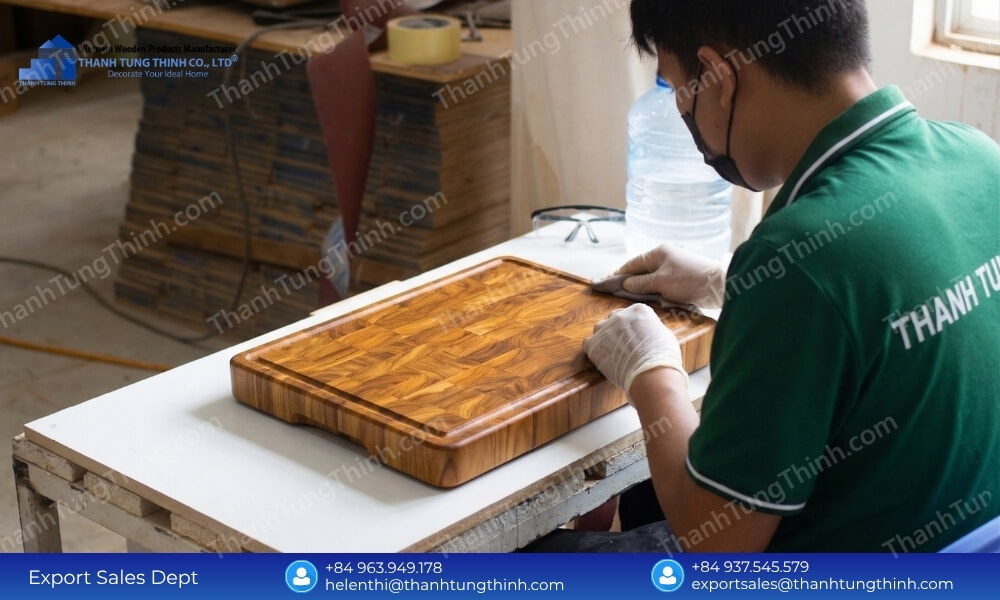
- Precision Mechanical Splinter Removal: Our multi-stage automated sanding line removes all loose wood fibers and sharp burrs, creating a silky-smooth surface that prevents wood splinters from contaminating food.
Operational Cleaning Protocols to Maintain Maximum Board Safety
Even with excellent natural defenses, maintaining a food-safe surface requires proper care and cleaning methods. Teaching your kitchen staff or retail customers these simple care instructions prevents premature wear and ensures long-term sanitation.
The Immediate Hand-Washing Mandate
Always wash your wood surfaces with warm water and a mild, neutral dish soap right after processing raw ingredients. Use a soft nylon brush or sponge to clear food residues from the juice grooves. Never allow stained juices or meat blood to dry on the surface, and never soak the wood block inside a wet sink, as prolonged submersion forces the fibers to absorb excess water, leading to structural cracking.
The Critical Deodorizing and Disinfecting Routine
To sanitize your wood surface deeply after preparing intense ingredients like raw fish, garlic, or onions, sprinkle a thick layer of coarse sea salt or baking soda across the dry wood block. Slice a fresh lemon in half and use it to scrub the salt into the wood grain. The natural citric acid neutralizes lingering odors and lifts deep food stains effortlessly. For commercial environments needing verified sanitation, wiping the surface with a small amount of 3% food-grade hydrogen peroxide neutralizes deep bacteria safely without damaging the natural oils.
Vertical Air Drying and Storage Positioning
Once the board has been washed and wiped down with a clean dry towel, always prop it up vertically on its side edge on a dry surface. Storing a damp cutting board flat traps moisture underneath, creating a dark, damp environment where mold spores can quickly grow. Allowing air to circulate completely around all sides ensures the board dries evenly and keeps its flat shape.
Scaling Global B2B Supply Lines with Thanh Tung Thinh Factory Directly
For high-volume international distributors, kitchenware brand managers, and commercial restaurant supply groups, confirming whether are teak wood cutting board safe for your target market is the foundation for market expansion. The next step is partnering with a reliable manufacturer that can deliver certified, high-grade wood products consistently. This is where Thanh Tung Thinh provides exceptional manufacturing support.
As an established, large-scale wood product manufacturer based in Vietnam, we specialize in mass-producing premium, export-quality cutting boards, chopping blocks, and serving trays for a demanding global B2B marketplace. Our facility handles high-volume wholesale orders comfortably, providing stable container-load production capacities and dependable shipping schedules month after month.

We use advanced kiln-drying systems to ensure all wood blanks achieve a perfectly balanced internal moisture level before fabrication, making them exceptionally stable and easy to clean from day one. Contact our international export sales department today to request custom product samples and secure a reliable manufacturing partner.
📩 Email: [email protected]
🌐 Website: https://thanhtungthinh.com/
📌 Pinterest: https://www.pinterest.com/THATUWOOD/
📌 Youtube: https://www.youtube.com/@thanhtungthinhmanufacturer
📌 Facebook: https://www.facebook.com/thanhtungthinh
📌 Linkedin: https://www.linkedin.com/company/thanh-tung-thinh-co-ltd
Questions & Answers
1. Are teak wood cutting board safe for prepping raw poultry and seafood in commercial kitchens?
Yes, its natural oil resins form a built-in hydrophobic barrier that repels water and prevents contaminated meat juices from soaking into the core wood fibers, effectively stopping bacterial growth.
2. Does a teak wood cutting board contain any natural chemical defenses against mold and fungal rot?
Yes, the wood naturally contains organic chemical compounds called tectoquinones that act as natural preservatives, making the timber highly resistant to fungal spores, mold, and rot in humid conditions.
3. Can running a premium teak cutting block through a dishwasher compromise its food safety?
Yes, the high heat and aggressive chemical detergents inside a dishwasher strip away the protective natural oils, causing the wood to split and warp, which creates large gaps where bacteria can thrive.
4. What kind of glue is utilized to assemble high-volume wholesale wood boards at your factory?
We use only premium, 100% non-toxic, FDA-approved food-contact wood adhesives that are fully safe, water-resistant, and free of volatile organic compounds (VOCs).
5. How often should a retail consumer apply manual mineral oil conditioning to keep the board safe?
Because the wood has high built-in oil content, it needs less maintenance than domestic woods; applying food-grade mineral oil once every two to three months is usually enough to keep it safe.

