


Table of Contents
Choosing the right supplier is one of the most important decisions in B2B sourcing. Many businesses struggle not because of product quality, but because they partner with unstable suppliers. Understanding how to choose a reliable manufacturer is critical for avoiding delays, ensuring consistency, and scaling operations. A strong manufacturing partner is not just a vendor—it is part of your supply chain infrastructure.
In practice, most supplier problems originate from poor selection at the beginning. Buyers often focus on pricing or samples without evaluating production capability. This leads to recurring issues such as bulk order delays, inconsistent quality, and weak communication. A structured selection process helps eliminate these risks early.
Why Choosing a Reliable Manufacturer Matters More Than Price
Price is often the first factor buyers consider, but it is rarely the most important. A low-cost supplier with unstable production can create higher long-term costs through delays and inefficiencies. In contrast, a reliable manufacturer for bulk orders ensures consistent delivery and stable operations. Over time, this improves profitability.
The real value of a supplier lies in operational consistency. Businesses that prioritize stability over short-term savings achieve better long-term results. This is especially important in competitive markets where timing and reliability matter. Choosing the right partner is a strategic decision.
Key Criteria to Choose a Reliable Manufacturer
To understand how to find a good supplier, buyers need to evaluate multiple factors beyond pricing. These factors define whether a manufacturer can deliver consistently at scale. A structured evaluation reduces risk and improves decision-making.
- Production capacity and scalability: A reliable manufacturer should clearly define their monthly production capacity. Buyers need to compare this capacity with current workload to avoid overbooking risks. Scalability is also important, as suppliers must handle growth without compromising timelines. Without this, delays become inevitable.
- Manufacturing system and workflow: Structured production systems indicate operational maturity. Manufacturers with clear workflows can manage multiple orders efficiently. This reduces bottlenecks and improves lead time stability. Manual or unstructured systems often lead to inconsistency.
- Quality control consistency: Reliable suppliers maintain consistent quality across all batches. This includes raw material selection, processing, and finishing. Buyers should verify QC processes instead of relying only on samples. Consistency is more important than initial quality.
- Lead time reliability: A good supplier provides realistic timelines based on actual production capability. They avoid overpromising and maintain stable delivery performance. Buyers should review past delivery records if possible. Reliable lead time is a key indicator of operational control.
- Communication and transparency: Clear and regular communication is essential in B2B sourcing. Reliable manufacturers provide updates and respond quickly to issues. This reduces uncertainty and improves coordination. Poor communication is often a sign of deeper operational problems.
Manufacturer Selection Criteria: Practical Comparison
| Criteria | Reliable Manufacturer | High-Risk Supplier |
|---|---|---|
| Capacity | Clearly defined | Uncertain |
| Lead time | Stable and realistic | Overpromised |
| QC | Consistent | Inconsistent |
| Communication | Transparent | Vague |
| Production system | Structured | Unorganized |
This table shows that manufacturer selection criteria are measurable. Reliable suppliers demonstrate capability through systems, not promises.
How to Evaluate an OEM Supplier Before Ordering
Evaluating an OEM supplier requires more than checking samples. Buyers must verify whether the supplier can handle customization and bulk production simultaneously. This ensures long-term compatibility.
- Request production timelines for customized products
- Check previous OEM or private label projects
- Evaluate flexibility in design and specifications
- Confirm ability to scale customized orders
- Review packaging and branding capabilities
These steps help determine whether the supplier is suitable for long-term partnership. OEM capability is critical for brand development.
Common Mistakes When Choosing a Bulk Production Supplier
Many buyers make avoidable mistakes when selecting a bulk production supplier. These mistakes often lead to delays and instability. Identifying them helps improve sourcing decisions.
- Choosing based only on price
- Ignoring production capacity
- Not verifying lead time reliability
- Skipping factory evaluation
- Overlooking communication quality

Avoiding these mistakes significantly reduces risk. It also improves supply chain performance.
What a Reliable Manufacturer Looks Like in Practice
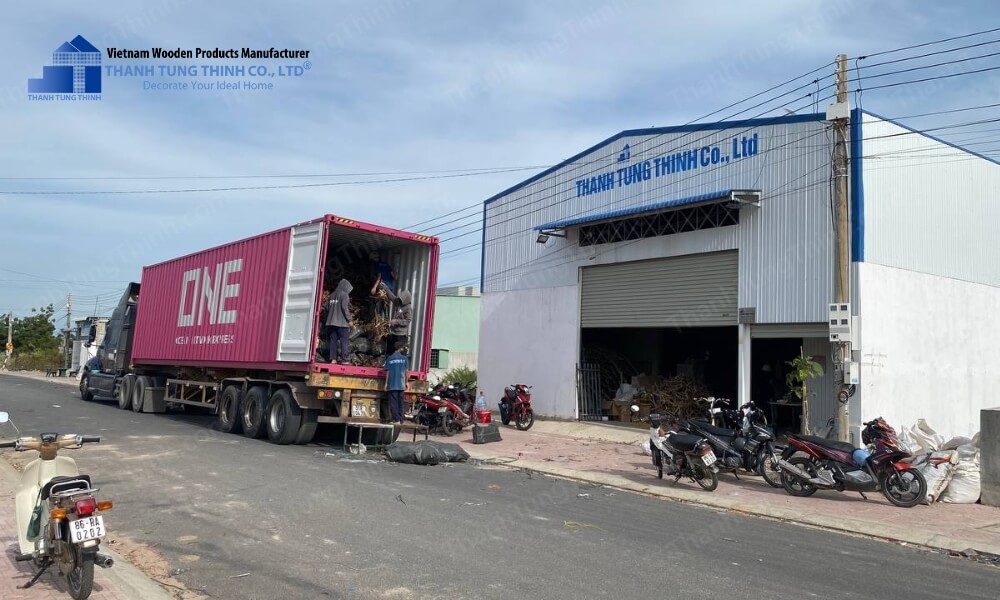
A reliable manufacturer for bulk orders is defined by operational control and consistency. They have structured production systems, stable capacity, and transparent processes. This allows them to deliver on time and maintain quality. Reliability is proven through execution.
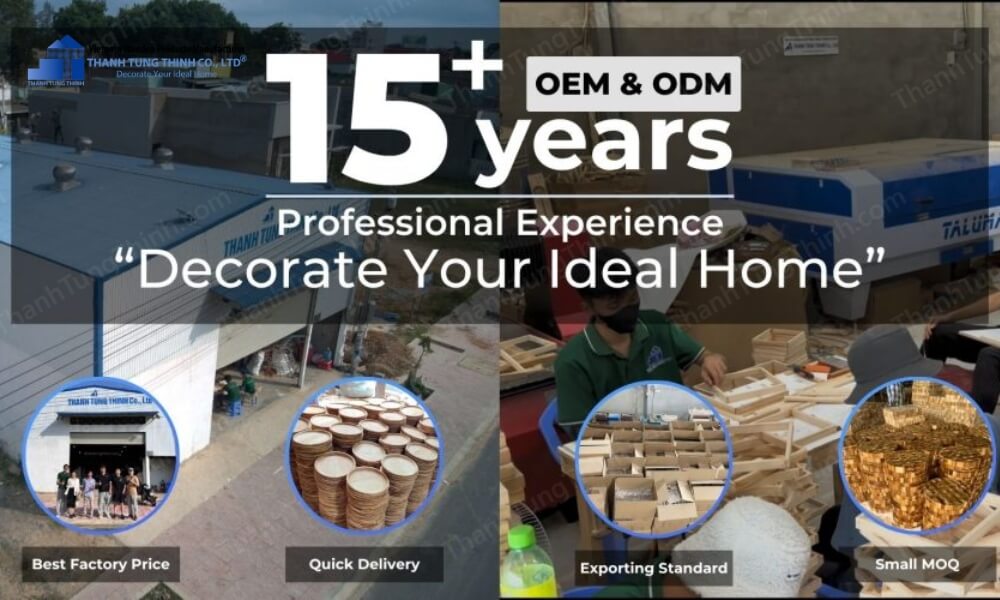
Manufacturers like Thanh Tung Thinh Co., Ltd, with over 15 years of experience, operate across multiple product categories including kitchenware, wooden boxes, packaging, driftwood, and pet products. Their ability to manage diversified production within a controlled system ensures stable lead time and consistent quality. This makes them suitable for businesses scaling globally.
Why Choosing the Right Manufacturer Determines Your Long-Term Success
Selecting a manufacturer is not just about placing an order. It is about choosing a long-term production partner that can support growth, maintain consistency, and reduce operational risks. Businesses that work with stable manufacturers achieve better supply chain performance. This is especially important in bulk sourcing where reliability directly impacts profitability.
Production Capability and Manufacturing Expertise
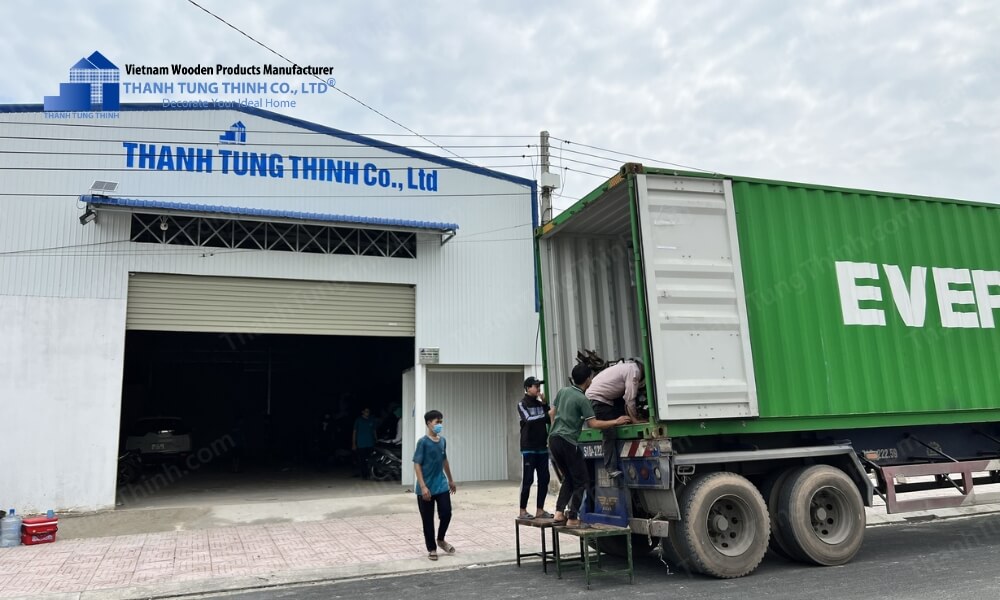
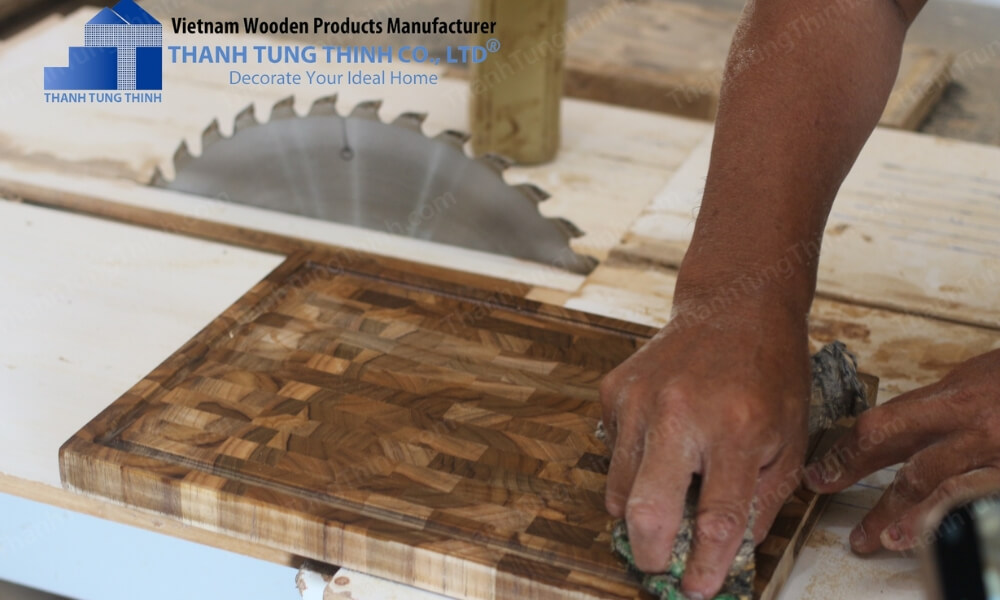
With more than 15 years of experience, Thanh Tung Thinh Co., Ltd has developed strong capabilities in producing and exporting a wide range of wooden products. Their expertise covers kitchenware, wooden boxes, packaging solutions, household items, driftwood, bonsai wood, and pet products made from coffee wood. This diversified portfolio allows buyers to consolidate sourcing across multiple product categories. It also ensures consistency when scaling orders.
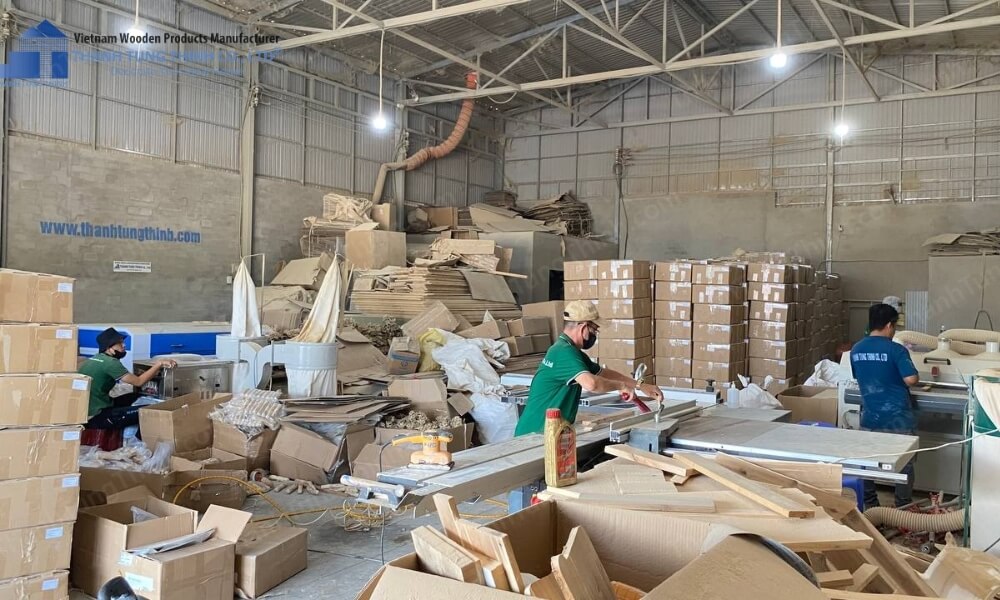
The company operates with a structured production system that combines modern machinery and skilled craftsmanship. This enables both high-volume production and detailed finishing requirements. For B2B buyers, this balance is critical when maintaining quality across bulk orders. Production capability is not just about output – it is about consistency.
Stable Capacity and Bulk Order Handling
One of the key advantages of Thanh Tung Thinh Co., Ltd is its ability to manage stable production capacity. The factory system is designed to handle bulk orders without exceeding operational limits. This reduces the risk of overcapacity, which is a common cause of delays in the industry. Controlled capacity ensures predictable lead times.
In practice, this means buyers can plan inventory and sales more accurately. Orders are scheduled based on real production capability rather than optimistic estimates. This level of control is especially important for businesses scaling internationally. Stability becomes a competitive advantage.
Export Experience and Quality Standards
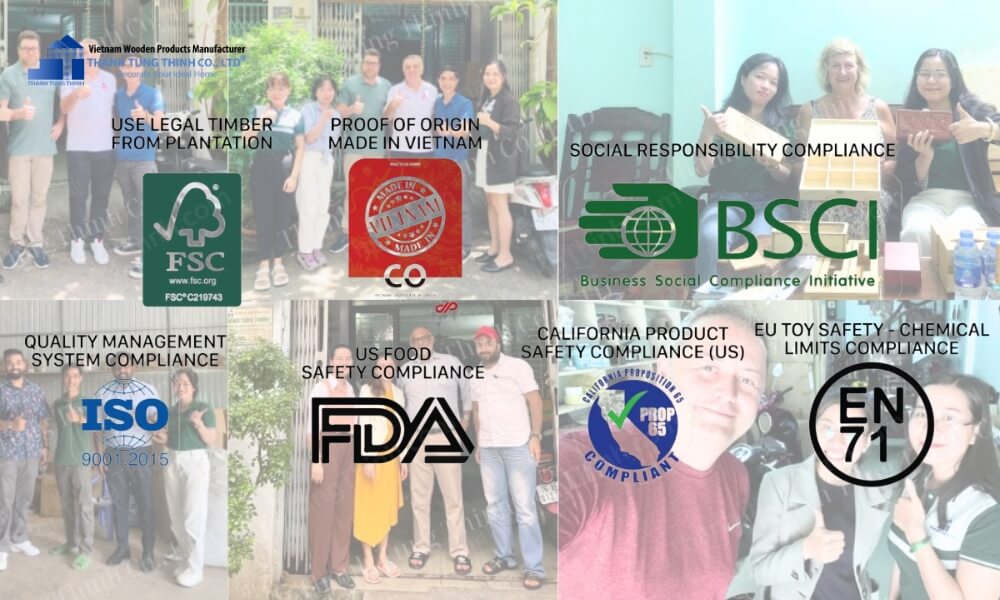
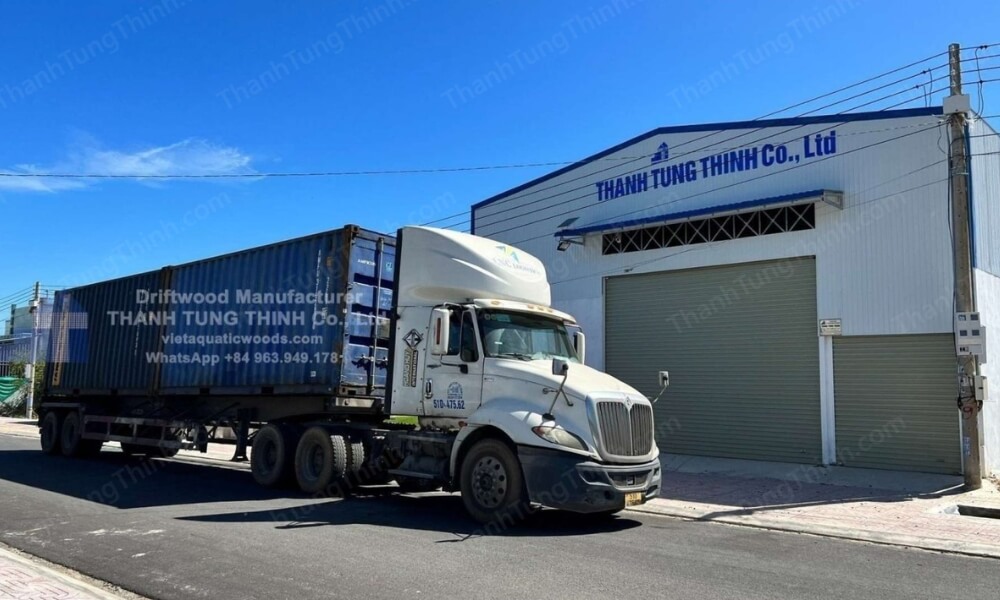
Thanh Tung Thinh Co., Ltd has extensive experience exporting to major markets such as the US, EU, Australia, Japan, and Korea. This ensures compliance with international standards and expectations. Export experience reduces risk in logistics, documentation, and quality requirements. It also improves communication efficiency.
The company applies structured quality control processes across all production stages. This ensures consistency from raw materials to finished products. For B2B buyers, consistent quality is as important as delivery timelines. Reliable QC systems reduce defects and rework.
Flexible Product Range and OEM Capability
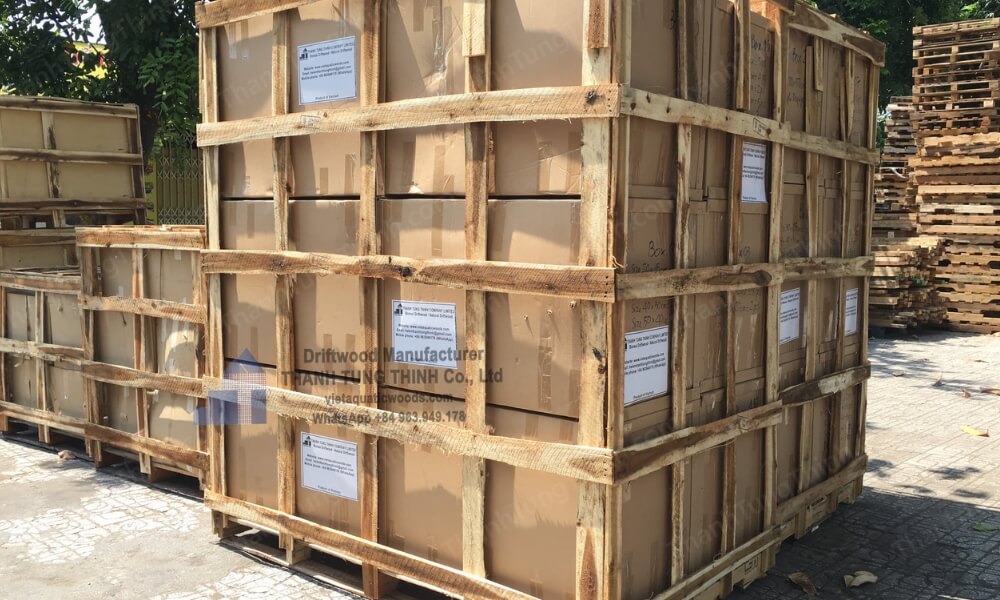
Another strength of Thanh Tung Thinh Co., Ltd is its flexibility in product development. The company supports OEM and private label projects, allowing buyers to customize products based on market needs. This includes design, size, finishing, and packaging. Flexibility is critical for brand differentiation.
With a wide product range, buyers can develop multiple product lines with a single supplier. This simplifies supply chain management and reduces coordination complexity. It also ensures consistency across product categories. For growing brands, this is a significant advantage.
Sustainable Materials and Market Alignment
The global market is increasingly shifting toward sustainable products. Thanh Tung Thinh Co., Ltd focuses on wooden products as alternatives to plastic-based materials. This aligns with environmental trends and regulatory requirements. Sustainability is no longer optional – it is a market expectation.
By offering eco-friendly products such as wooden kitchenware, packaging, and coffee wood pet products, the company supports buyers targeting environmentally conscious consumers. This creates additional value beyond functionality. Sustainability becomes part of the product strategy.
Why This Matters for B2B Buyers
For B2B buyers, working with a manufacturer like Thanh Tung Thinh Co., Ltd means more than sourcing products. It means gaining a partner that supports operational stability and long-term growth. Structured production, stable capacity, and export experience reduce common risks such as delays and inconsistency. This improves overall supply chain performance.
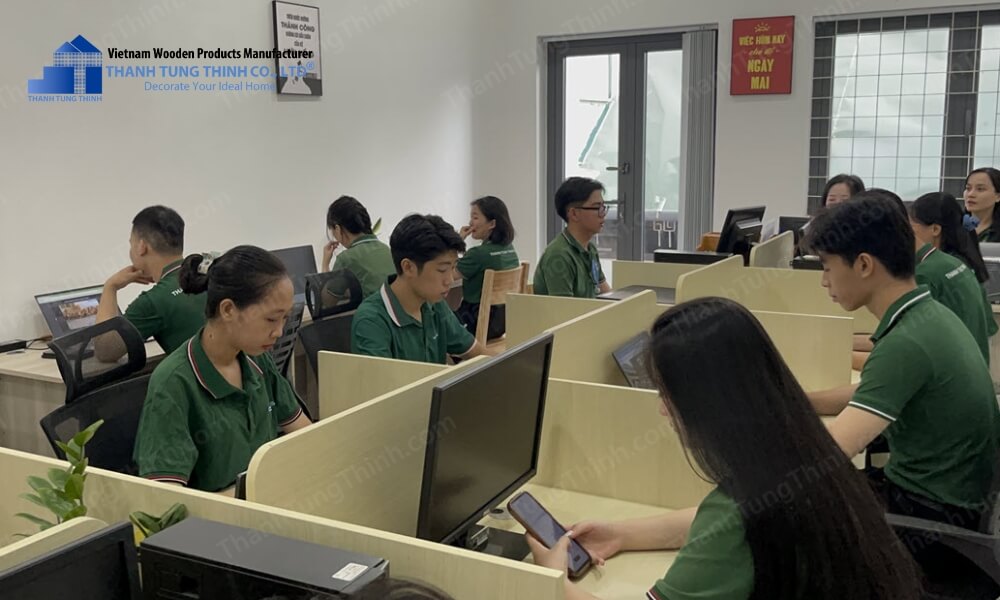
If you are looking to scale bulk orders, develop private label products, or stabilize your supply chain, it is worth evaluating manufacturers based on real production capability. You can contact Thanh Tung Thinh Co., Ltd to request a catalog, review production capacity, or discuss OEM requirements. Early evaluation helps ensure better outcomes and stronger partnerships.
 WhatsApp: +84 96 394 91 78
 Email: [email protected]
 Website: https://thanhtungthinh.com/
 Pinterest: https://www.pinterest.com/THATUWOOD/
How to Build Long-Term Partnerships with Manufacturers
Choosing a supplier is only the first step. Long-term success depends on building stable partnerships. Businesses that invest in relationships achieve better performance over time. This creates mutual benefits.
- Maintain consistent order volume
- Share demand forecasts regularly
- Provide clear specifications
- Communicate proactively
- Build trust through long-term cooperation
Strong partnerships improve coordination and reduce delays. They also support long-term growth.
Conclusion: How to Choose a Reliable Manufacturer Effectively
Understanding how to choose a reliable manufacturer is essential for building a stable and scalable business. Supplier selection directly impacts delivery, quality, and profitability. A structured evaluation process helps eliminate risks and improve performance. The right partner creates long-term value.
If you are sourcing in bulk or developing private label products, working with a manufacturer that demonstrates real production control is critical. You can contact Thanh Tung Thinh Co., Ltd to request a catalog, review production capability, or discuss OEM requirements. Taking this step early helps secure a reliable supply chain and supports long-term growth.
Read more:
- Late Delivery in Bulk Orders: Causes, Risks & How to Avoid It
- Supplier Overcapacity Problems: Why Bulk Orders Get Delayed
- Manufacturing Lead Time Issues: What Really Causes Production Delays
- Delayed Shipment Impact on Business: Hidden Costs of Late Deliveries
- How to Avoid Late Delivery from Suppliers in Bulk Orders

