


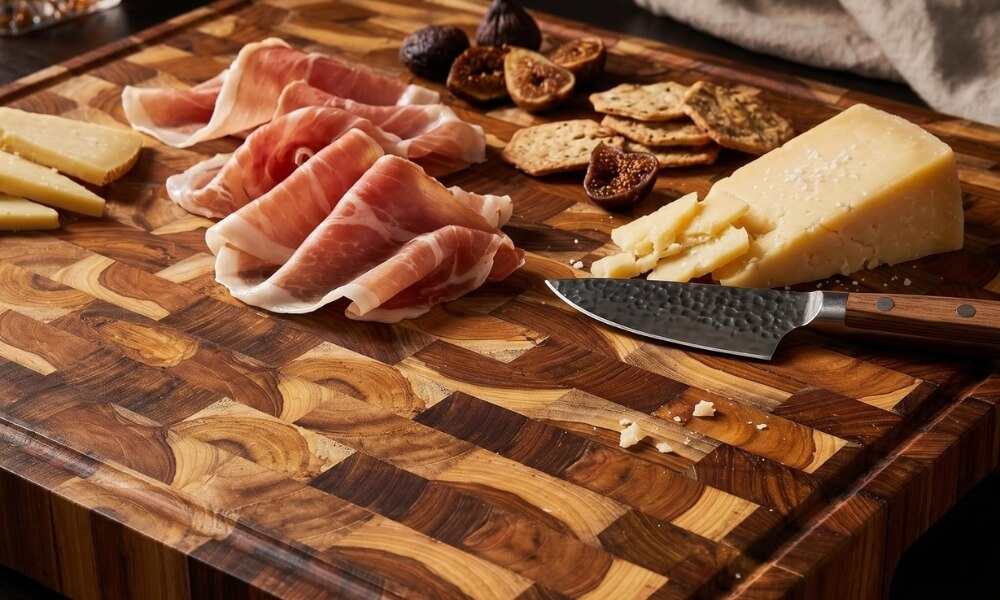
Table of Contents
Restaurants do not buy cutting boards the way household buyers do. They buy for daily prep pressure, repeated washing, replacement cycles, kitchen standardization, and operating cost control. That is why restaurant cutting boards wholesale is not just a product search. It is a sourcing decision tied directly to kitchen efficiency and long-term purchasing stability.
For distributors, restaurant groups, hospitality buyers, and foodservice importers, the real issue is not simply finding a board at a low price. The real issue is finding a supplier that can deliver the right materials, stable sizing, repeatable quality, and dependable wholesale support. In this category, procurement mistakes show up fast in operations.
Need Cutting Boards That Can Handle Heavy Daily Kitchen Use?
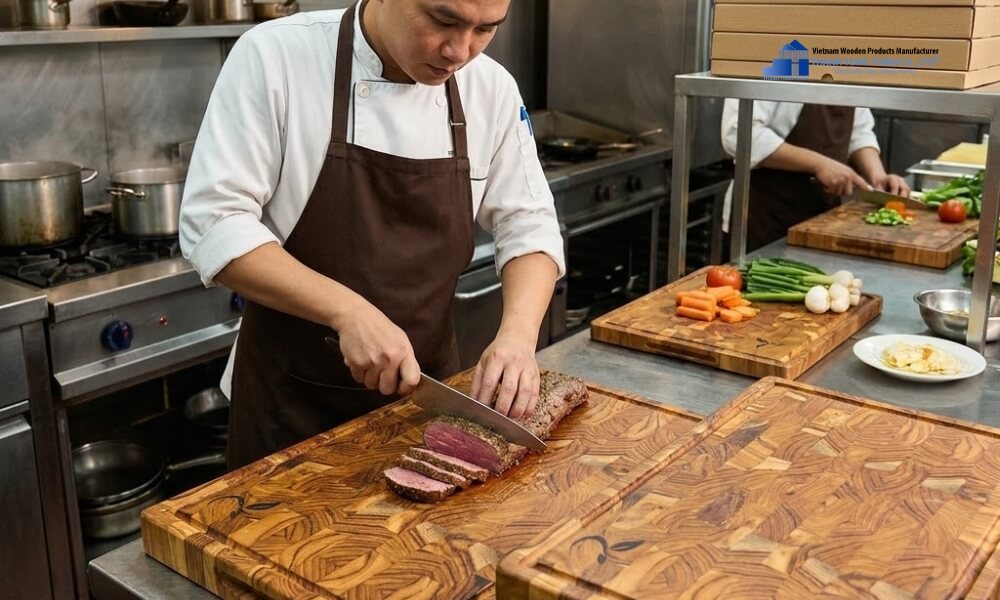
This is usually the first pain point. Restaurant buyers are not sourcing boards for occasional home prep. They need boards that can stand up to repeated cutting, frequent cleaning, and fast-paced kitchen movement. If the board wears down too quickly, becomes harder to clean, or loses stability, the buyer ends up paying for replacement sooner than expected.
That is why restaurant cutting boards wholesale buyers usually focus on performance first. A good board for restaurant use should feel practical in a real kitchen, not just look good in a catalog. Material, thickness, edge finish, and structural stability all affect how the product performs under pressure.
For commercial buyers, product suitability should always be reviewed through actual use conditions:
- Heavy prep frequency: Restaurant boards are used repeatedly across service cycles, so durability matters more than basic appearance.
- Cleaning practicality: Boards need to be manageable for regular washing, handling, and maintenance in a busy environment.
- Operational stability: A board that shifts, feels too light, or breaks down early creates workflow friction in prep stations.
- Replacement economics: If durability is weak, the low unit price becomes less attractive over time.
The takeaway is simple. In restaurant cutting boards wholesale, the buyer is really purchasing kitchen performance, not just inventory.
Need Wholesale Pricing Without Sacrificing Quality?
Low pricing is always attractive at the quotation stage, but restaurant buyers usually feel the consequences later if quality is unstable. In foodservice supply, a cheaper board is not automatically a better buy. If the finish is inconsistent, the dimensions are unreliable, or the material does not match the intended application, the buyer ends up carrying the problem into daily operations.
This is why experienced buyers usually treat restaurant cutting boards wholesale as a total-value category, not just a unit-price category. The stronger question is not “Who is cheapest?” but “Who can keep quality stable while still supporting commercially workable pricing?” That is the sourcing lens that usually leads to better long-term results.
Tired of Inconsistent Sizes Across Orders?
For restaurant chains, distributors, and hospitality groups, size inconsistency becomes a real operational pain point. One shipment may look fine on paper, but if the next shipment varies in thickness, dimensions, weight, or finish, the buyer loses standardization across kitchens. That creates unnecessary friction for training, replacement, shelving, workflow consistency, and brand presentation.
In restaurant cutting boards wholesale, consistency is often more valuable than flashy product marketing. A restaurant buyer needs to know that reorders will match previous orders closely enough to fit the same prep environment. That is especially important for buyers managing multiple locations or supplying multiple commercial clients at once.
This is why supplier evaluation should always include batch consistency, not only first-sample approval. A good-looking sample is useful, but it does not answer the bigger operational question: can the supplier maintain the same result at volume and across repeat orders?
Need the Right Board Type for Different Restaurant Uses?
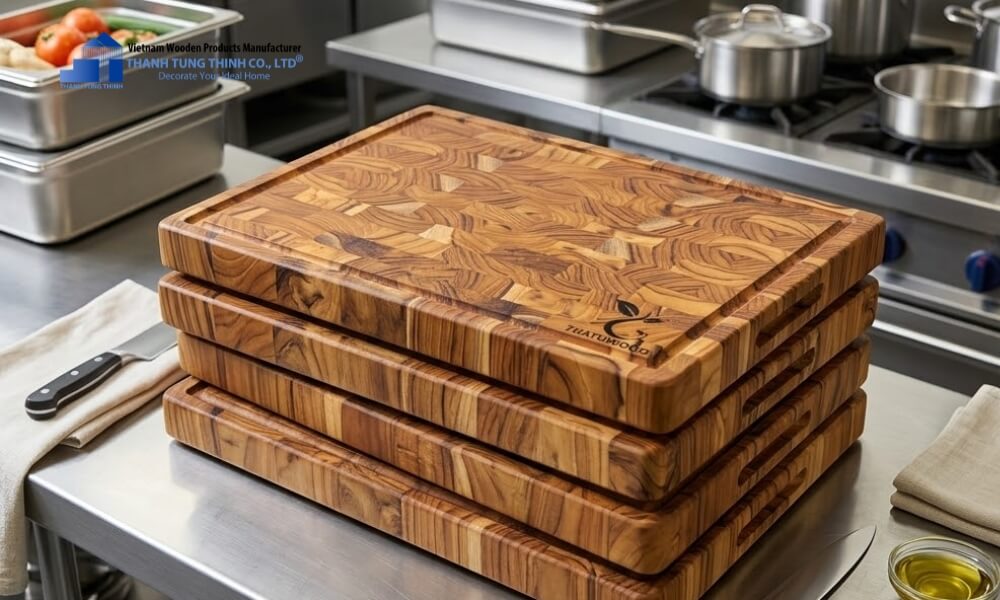
Not every restaurant needs the same type of cutting board for every application. Some buyers need durable boards for back-of-house prep. Others need wooden boards for premium presentation, butcher-block positioning, or branded serving formats. In practice, this means restaurant cutting boards wholesale buyers should evaluate product use-case before they evaluate price.
A board that works for front-of-house presentation may not be the right fit for high-speed prep usage. A board designed for standard prep may not support premium table presentation. This is why wholesalers and restaurant groups often benefit from sourcing a broader program instead of relying on one universal model.
The most common buying logic usually looks like this:
- Commercial prep boards: These are selected for practicality, repeat use, and operational efficiency in working kitchens.
- Wooden serving or presentation boards: These are chosen for premium visual appeal, especially in hospitality, charcuterie, steak, and presentation-led formats.
- Replacement-focused boards: These support restaurants that need recurring supply rather than design differentiation.
- Brand-enhancing boards: These fit restaurant groups, hotels, and foodservice brands that want a stronger visual identity.
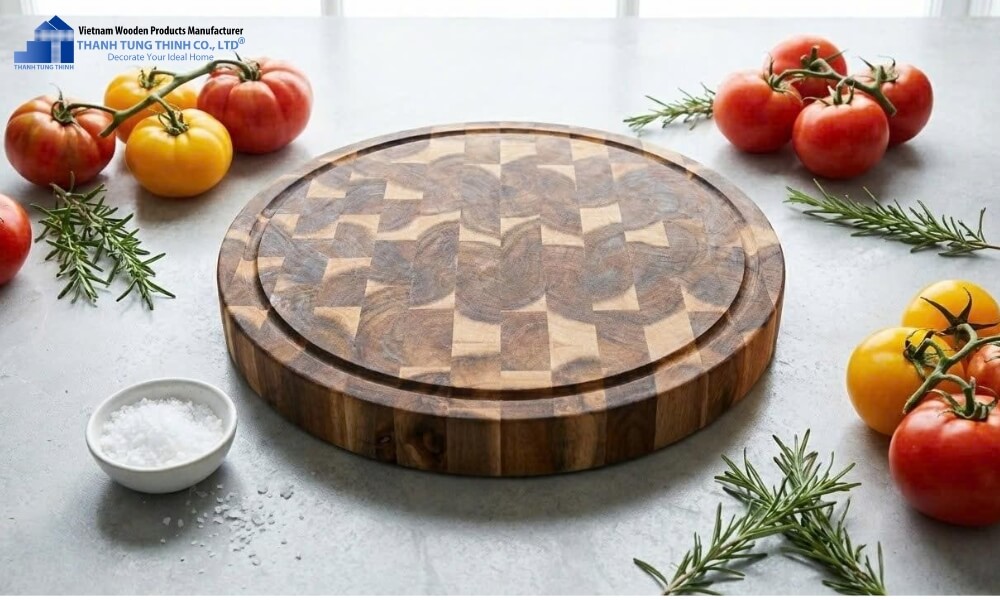
The conclusion is straightforward. The right board depends on workflow, not just material preference.
Worried About Reorders, Lead Time, and Supply Stability?
For restaurant buyers, supply problems are often more serious than product problems. A decent board delivered late can still disrupt operations. A good board that cannot be reordered reliably becomes difficult to build into a long-term procurement program. That is why restaurant cutting boards wholesale buyers usually care as much about supplier reliability as they do about product specs.
This issue becomes even more important for chains, distributors, and importers. They are not buying one shipment for one site. They are trying to build a supply structure that supports multiple kitchens, recurring demand, and inventory predictability. If the supplier cannot support repeat volume, clear lead time, and practical reorder planning, the relationship becomes harder to scale.
Buyers should pressure-test the supply side early:
- Lead time clarity: Suppliers should be able to explain normal production time, peak season timing, and reorder expectations clearly.
- Reorder consistency: Buyers need confidence that the next order will match the previous one closely enough for operational continuity.
- Volume readiness: A supplier should be able to handle both current demand and future growth without major instability.
- Wholesale communication: Fast, clear response on specs, order status, and claims matters in B2B foodservice supply.
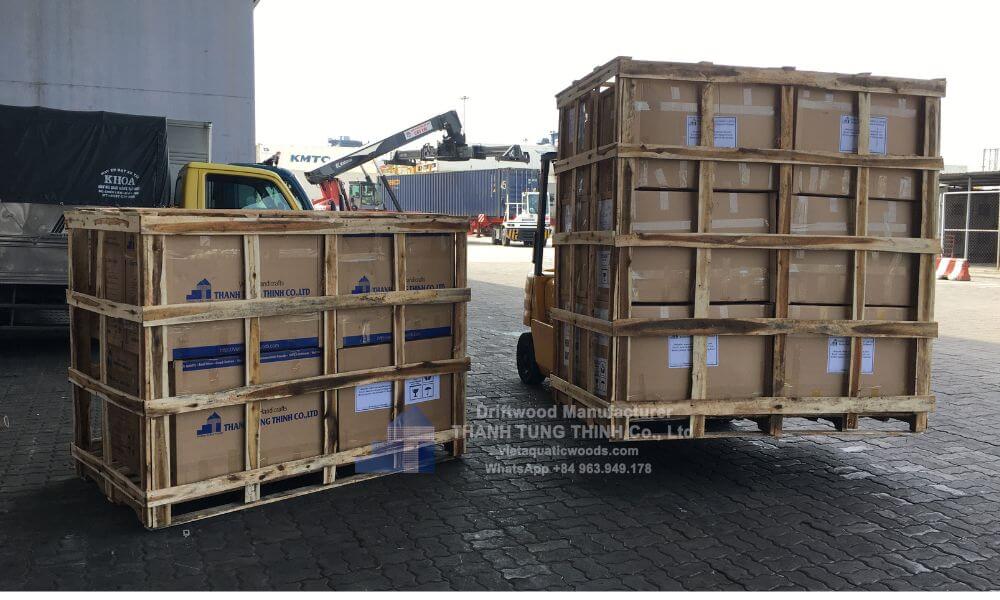
The real takeaway is this: in restaurant cutting boards wholesale, stable replenishment is part of product quality.
Need a Supplier That Understands Foodservice Buyers, Not Just Retail Buyers?
Foodservice buyers operate differently from retail consumers. They are thinking in terms of replacement cycles, standardized procurement, operational suitability, and volume purchasing logic. A supplier that only understands consumer selling may struggle to support this kind of buyer well. That is why supplier fit matters as much as product fit.
A restaurant-focused wholesale supplier should understand how commercial kitchens buy. That includes practical packaging, order consistency, clear specifications, and communication that supports business planning rather than one-off selling. In many cases, the difference between a workable supplier and a frustrating one is not the catalog. It is whether the supplier understands B2B operational needs.
This is one reason restaurant cutting boards wholesale sourcing often works better when the supplier has real experience with hospitality, wholesale, or export buyers. That background usually improves responsiveness, product clarity, and reorder discipline.
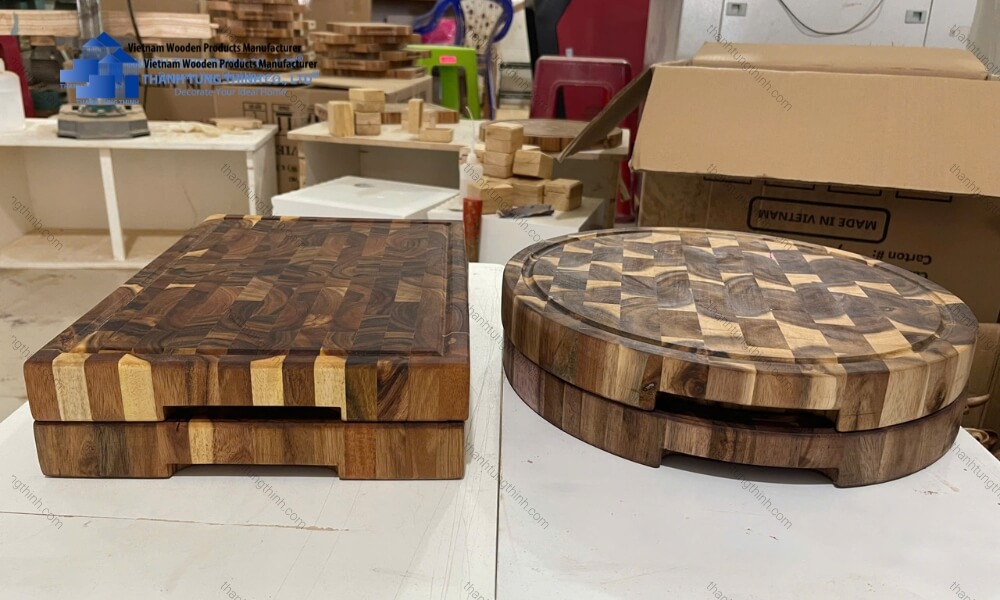
Looking for Restaurant Cutting Boards Wholesale With OEM or Private Label Support?
Some buyers are not only supplying kitchens. They are building branded foodservice lines, hospitality programs, or distributor assortments under their own label. In that case, restaurant cutting boards wholesale becomes a private label and product-development question as well. The supplier needs to support more than stock items.
This matters for distributors, hospitality groups, restaurant supply brands, and importers that want packaging, logo treatment, or product variations aligned with their own market. Even when the product itself is operational, branding can still play a role in reseller credibility, hospitality presentation, or premium restaurant positioning.
When OEM support matters, buyers usually look for:
- Custom sizing options: Useful for matching prep workflows, restaurant formats, or distributor programs.
- Logo or branding support: Relevant for private label, hospitality groups, and supply brands.
- Packaging flexibility: Important for distribution, storage efficiency, or branded presentation.
- Program scalability: The supplier should be able to support line extension, not just one custom SKU.
The conclusion is clear. Buyers that want private label or branded restaurant supply need a supplier that can support both product execution and commercial customization.
Read more:
- End Grain Cutting Board Supplier Vietnam for Wholesale and Private Label Buyers
- Custom End Grain Cutting Board Wholesale: OEM Solutions for Importers, Retailers, and Private Label Brands
Why Supplier Evaluation Matters More Than Product Photos
Product photos are helpful, but they rarely show the full sourcing reality. In restaurant cutting boards wholesale, the important issues usually sit below the photo layer: material suitability, batch consistency, finish reliability, packaging strength, and reorder discipline. That is why strong buyers evaluate suppliers through samples, technical questions, and operational follow-up, not just image quality.
A professional evaluation process should include product suitability, sample review, lead time clarity, claim handling, and production communication. If a supplier cannot answer clearly on these points, the buyer should assume future friction. In B2B supply, vague communication early often turns into operational cost later.
Why Vietnam Can Be a Practical Sourcing Base
Vietnam can be a practical sourcing base for restaurant cutting boards because it combines manufacturing capability, export experience, and competitive commercial economics. For buyers that need volume, OEM flexibility, or long-term supply potential, this creates a workable sourcing structure. The best results usually come when the supplier has real production discipline rather than just low pricing.
For restaurant cutting boards wholesale, Vietnam can be especially relevant when the buyer wants to combine wholesale volume with customization or broader kitchenware line development. A capable manufacturer can often support not only cutting boards, but also trays, serving boards, utensils, and other related wood kitchenware categories. That gives buyers more strategic flexibility over time.
Why Thanh Tung Thinh Is Worth Considering
If you are looking for a Vietnam-based manufacturing partner, Thanh Tung Thinh is worth considering for restaurant cutting boards wholesale programs. As a direct manufacturer, the company can offer a stronger base for discussing specifications, wholesale quantities, packaging, and long-term sourcing needs more directly. That matters because restaurant and foodservice buyers usually need practical communication, not just a general catalog response.
For B2B buyers, the sourcing value is straightforward:
- Direct manufacturer support: Clearer communication on product, pricing, and production expectations.
- Wholesale and OEM suitability: Relevant for importers, distributors, hospitality buyers, and private label programs.
- Better control over customization: Useful when buyers need branded packaging, size adjustments, or broader kitchenware development.
- Long-term supply potential: More suitable for reorder programs than purely transactional sourcing.
The conclusion is simple. For buyers building a structured supply program, Thanh Tung Thinh is a relevant supplier to place on the shortlist. If your company is sourcing restaurant cutting boards wholesale, contact Thanh Tung Thinh to discuss product options, OEM requirements, MOQ, packaging, and wholesale supply support.

 WhatsApp: +84 96 394 91 78
 Email: [email protected]
 Website: https://thanhtungthinh.com/
 Pinterest: https://www.pinterest.com/THATUWOOD/
Final Answer: How to Choose the Right Restaurant Cutting Boards Wholesale Supplier
The right restaurant cutting boards wholesale supplier should be selected based on operational suitability, quality consistency, and reorder reliability, not just unit price. Restaurants and foodservice buyers need boards that perform well under heavy use and suppliers that can support stable long-term purchasing. A low quote is not enough if the product or supply chain creates friction later.
The strongest sourcing decision usually comes from matching the product to the kitchen use-case, validating supplier consistency, and confirming whether the supplier can support volume and communication at a B2B level. That is what turns a simple cutting board purchase into a workable wholesale program.
FAQ
What are the best cutting boards for restaurants?
The best cutting boards for restaurants depend on the use-case. Some operations need boards designed for heavy prep, while others need wooden boards for premium presentation or hospitality service. The right choice depends on kitchen workflow, cleaning routine, and replacement frequency. Buyers should choose based on application, not just appearance.
Why do restaurants buy cutting boards wholesale?
Restaurants buy cutting boards wholesale to improve cost efficiency, standardize product use across kitchens, and simplify replacement planning. This is especially important for chains, central kitchens, distributors, and hospitality groups. Wholesale sourcing also helps buyers stabilize supply and reduce operational friction. In B2B terms, it is both a procurement and consistency decision.
What should I check before ordering restaurant cutting boards wholesale?
You should check material suitability, board dimensions, thickness, finish quality, packaging, MOQ, lead time, and the supplier’s reorder capability. It is also important to review sample quality and ask how defects or claims are handled. These factors determine whether the supply program will work smoothly in real operations. Product fit and supply fit both matter.
Can a supplier support custom restaurant cutting boards?
Yes, many can, especially if they support OEM or private label programs. Buyers may be able to request custom sizes, packaging, logo treatment, or related kitchenware variations depending on the supplier’s capability. This is especially useful for distributors, hospitality groups, and branded supply businesses. Buyers should confirm customization scope early.
What affects the price of restaurant cutting boards wholesale?
The main factors are material, size, thickness, construction details, packaging, branding requirements, and total order volume. Larger or more specialized boards usually increase cost, while higher-volume orders often improve pricing efficiency. Buyers should compare quotations only when specifications are aligned. Otherwise, the numbers may not be commercially comparable.
Is factory-direct sourcing better for restaurant buyers?
In many cases, yes. Factory-direct sourcing often provides better price visibility, clearer technical communication, and stronger control over repeat orders. A trading company can still work well if it is transparent and organized, but direct sourcing often gives buyers more operational clarity. That is especially useful for wholesale and long-term programs.
How do I choose the right wholesale supplier?
Choose the supplier based on product suitability, quality consistency, communication clarity, lead time discipline, and long-term reorder capability. The right supplier should understand foodservice buyers and be able to support commercial-scale purchasing. Sample approval is important, but production consistency matters even more. In B2B supply, repeatability defines supplier quality.

