Introduction: The Charm of Natural Wood in Modern Kitchens
In today’s kitchens, where sustainability meets design, few accessories capture both function and warmth like a wooden spice jar. What was once a simple storage container has evolved into an aesthetic statement — combining timeless craftsmanship with modern minimalism.
As consumers move away from plastic and mass-produced kitchenware, wooden spice jars have become a quiet symbol of natural living. They embody everything the eco-conscious household values: sustainability, tactile beauty, and longevity. Each jar tells a story — from the FSC-certified forest where the wood was sourced to the careful sanding, oiling, and finishing that preserves its grain and aroma-safe surface.
Unlike glass or metal containers, wooden spice jars don’t just store flavor — they preserve it naturally. The wood’s subtle porosity regulates humidity and shields spices from light, keeping them fresh for longer. Whether placed on a countertop as part of a rustic décor theme or lined neatly on a kitchen rack, these jars add warmth and authenticity to everyday cooking.
2. What Makes Wooden Spice Jars Special?
Every spice jar stores flavor — but a wooden spice jar does so with soul. Beyond its basic function of holding salt, pepper, or herbs, it brings a sense of warmth and craftsmanship to the kitchen that no synthetic material can match.
A. The Natural Advantage of Wood
Wood is a living material — it “breathes.” Its microscopic pores allow just enough air exchange to keep spices dry and fresh without over-exposure to moisture or light. This natural temperature and humidity regulation helps retain aroma and color longer than plastic or metal containers.
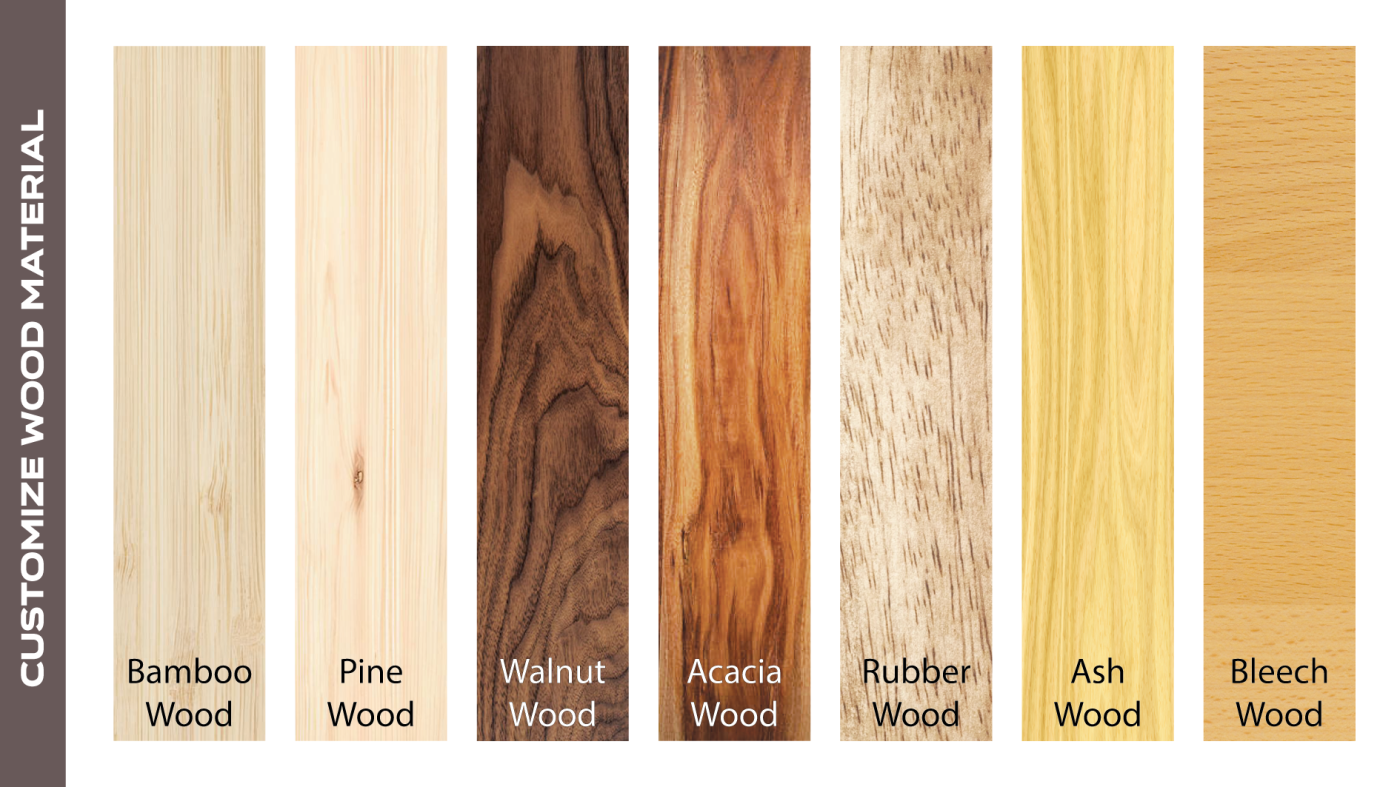
Species like teak, acacia, rubberwood, and beech offer both durability and distinctive grain patterns. Teak’s natural oils provide mild antibacterial resistance, while acacia’s density makes it resistant to cracking and staining — ideal for daily kitchen use.
B. Craftsmanship and Uniqueness
Each wooden spice jar is a small work of art. Unlike molded plastic containers, no two pieces of wood are identical; each has its own grain, tone, and texture. This gives every jar a handcrafted character — a fusion of function and aesthetic that appeals to modern consumers seeking authenticity.
Skilled artisans shape, sand, and oil-finish the jars so the surface feels smooth to the touch yet preserves the wood’s organic personality. At manufacturers such as Thatuwood, even bulk production maintains this human touch — precision machining followed by hand inspection and finishing.
C. Design Meets Function
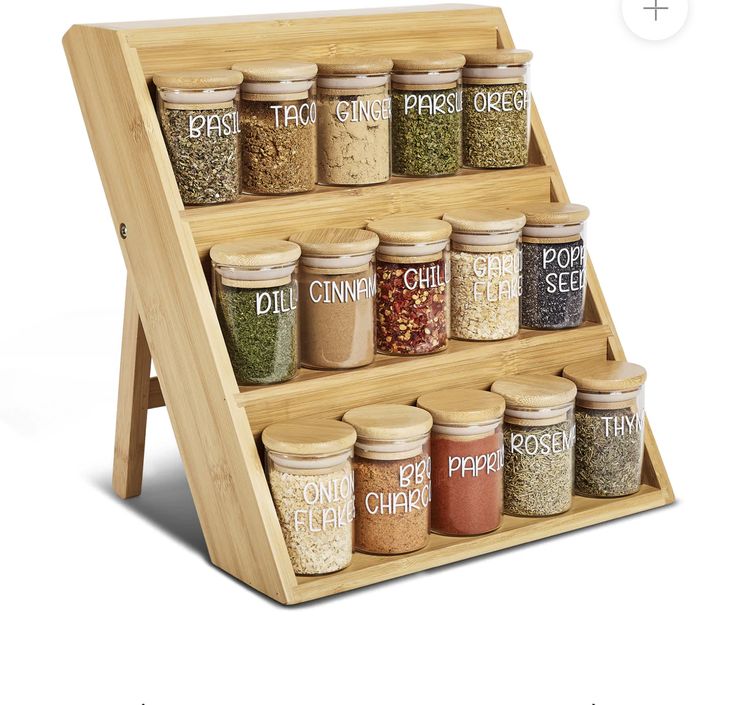
Modern wooden spice jars balance utility with style. Some include airtight silicone rings or magnetic lids for better sealing; others feature engraved labels or stackable racks for organized kitchens. Sets of six or twelve can serve both practical and decorative purposes, turning everyday spice storage into a visual centerpiece.
Because wood fits naturally with interior themes like “Scandinavian minimalism,” “farmhouse chic,” or “eco-modern,” these jars blend effortlessly into any space — from urban apartments to rustic homes.
D. Emotional and Sensory Connection
There is something deeply comforting about using wood. Its warm tone, subtle scent, and organic feel connect people to nature — a contrast to the cold, sterile texture of metal or plastic. That emotional response explains why many home chefs choose wooden spice jars not only for practicality but for the pleasure of touch and authenticity.
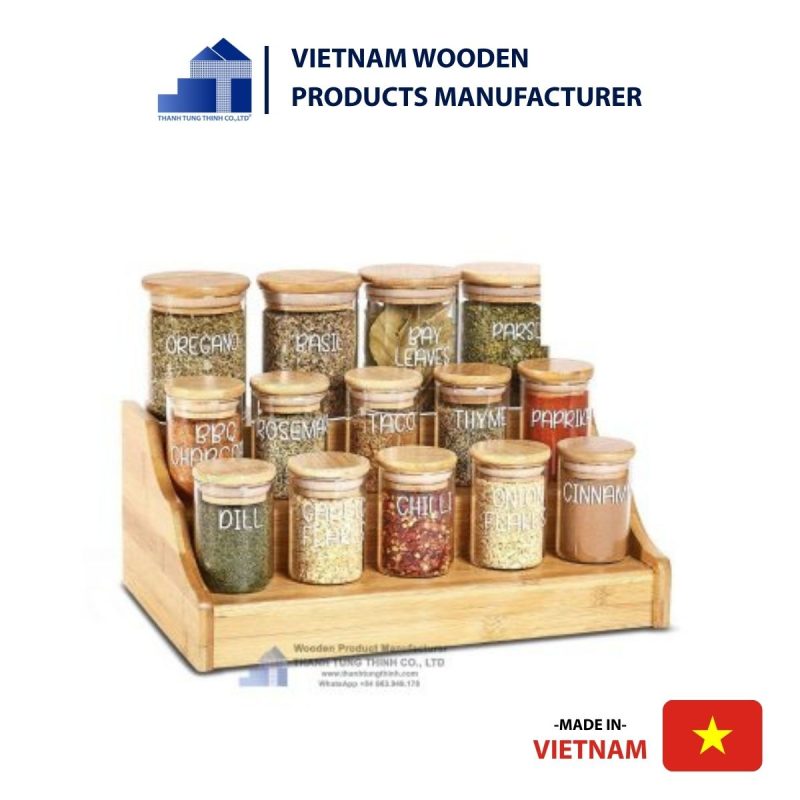
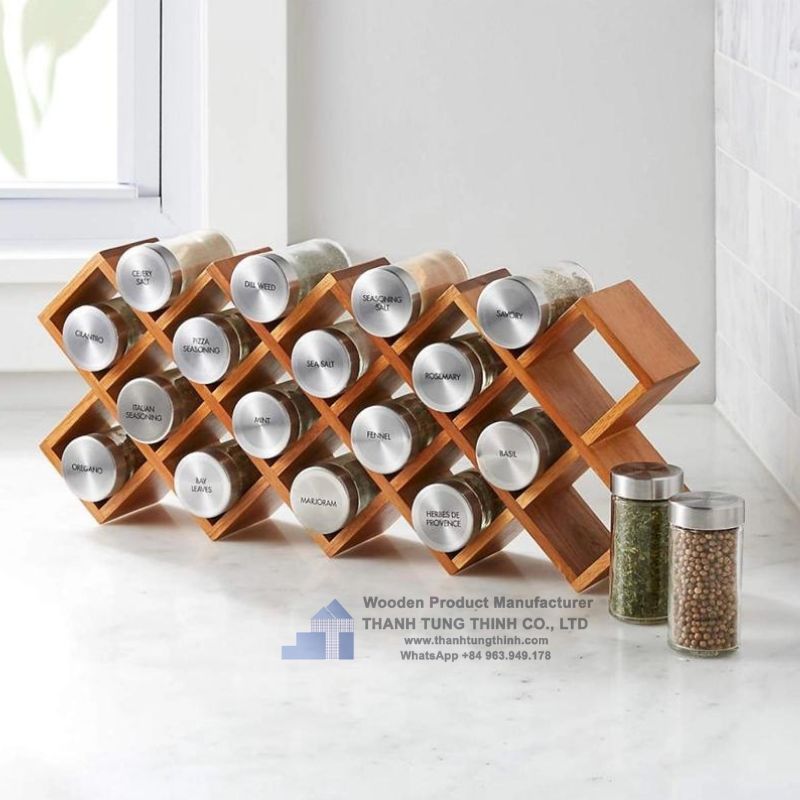
Wooden Spice jar set creates an easy space to organize and find the needed
A wooden spice jar doesn’t just store spices — it stores stories: of craftsmanship, sustainability, and everyday rituals that turn cooking into art.
3. Eco-Friendly Kitchen Trend 2025: Why Wood Wins Over Plastic
A. The Global Shift Toward Sustainable Kitchenware
Across the world, consumers are becoming more selective about what they bring into their kitchens. According to Innova Market Insights (2025), nearly 68 % of shoppers are willing to pay more for eco-friendly household products, and over 50 % consider material sustainability before purchasing.
Plastic containers, once the default choice for spice and food storage, are now losing favor due to microplastic concerns, short lifespans, and environmental impact. Wooden spice jars, made from renewable resources, have emerged as a stylish and responsible alternative — biodegradable, repairable, and naturally long-lasting.
Choosing wood isn’t just a design decision; it’s a lifestyle choice that supports environmental balance.
Choosing wood isn’t just a design decision; it’s a lifestyle choice that supports environmental balance.
B. Why Wood Outperforms Plastic and Metal
Renewable Material Source: Wood is harvested from FSC-certified forests that regrow naturally. Each jar can be produced with a minimal carbon footprint compared with petroleum-based plastics.
Lower Environmental Impact: Manufacturing wooden spice jars emits far less CO₂ and uses less energy than injection-molding plastic or metal.
Natural Durability and Repairability: While a cracked plastic container is thrown away, a wooden one can be sanded, refinished, or re-oiled — extending its life for years.
Aesthetic Sustainability: Because wooden spice jars age beautifully, they resist “visual obsolescence.” Their timeless look prevents unnecessary replacements driven by fashion trends.
C. Sourcing and Certifications That Matter
For modern exporters, sustainability must be proven, not just claimed.
FSC (Forest Stewardship Council): Guarantees responsible forestry and chain-of-custody traceability.
BSCI (Business Social Compliance Initiative): Ensures ethical working conditions.
EUDR (EU Deforestation Regulation 2024): Requires precise documentation of wood origin before entry into European markets.
Factories such as Thanh Tùng Thịnh (Thatuwood) have adopted these standards to meet U.S., EU, and Japanese requirements, ensuring every spice jar is both eco-certified and export-ready.
D. Consumer Perception and Design Trends
Market surveys reveal that sustainability now drives design decisions:
“Natural materials” ranks as the #1 aesthetic trend in kitchenware for 2025 (Mordor Intelligence Report).
Keywords like eco-friendly kitchenware, sustainable storage, and zero-waste home dominate online searches.
Influencers and interior stylists frequently feature wooden spice jars on social media, linking them to calm, mindful living.
In other words, eco-friendly is no longer a niche — it’s the new mainstream.
E. A Win for Both Planet and People
By shifting from plastic to wood, consumers reduce waste, manufacturers cut emissions, and local artisans gain stable employment. Every wooden spice jar represents a micro-investment in sustainability — a small object with a big story.
When sustainability becomes visible on a kitchen shelf, it turns daily routines into acts of conscious living.
4. Types and Designs of Wooden Spice Jars
Not all wooden spice jars are made the same. As global demand for natural kitchenware expands, manufacturers have diversified designs to suit different lifestyles, market segments, and interior styles. From minimalist single jars to decorative spice sets, each type combines the warmth of wood with thoughtful functionality.
A. Single Wooden Spice Jars: Simple, Functional, Timeless
The most classic version — a single wooden spice jar — focuses on essential utility. Compact in size (usually 50–150 ml), it’s ideal for frequently used spices like salt, pepper, or chili flakes.
Features often include:
Airtight cork or wooden lids to keep contents dry.
Smooth, oil-coated interiors are safe for food contact.
Optional laser engraving or carved symbols for identification.
Single jars are popular with boutique kitchenware retailers and eco-friendly cafés that prefer natural materials on display. Their clean silhouette suits modern, minimalist kitchens.
A single wooden spice jar may seem simple — but on a countertop, it becomes a quiet accent of natural charm.
B. Spice Jar Sets with Racks or Boxes
For households or restaurants with multiple seasonings, wooden spice jar sets offer both convenience and elegance.
Easy placement and daily use – easy to stock for wholesale (Contact us for bulk order)
Common variations include:
4–6 jar trays: compact and perfect for everyday home use.
9–12 jar racks: vertical or carousel-style, often used in gourmet kitchens.
Drawer-style spice boxes: inspired by traditional Asian and Middle Eastern spice chests.
Designers now blend modern geometry with traditional craftsmanship — for instance, a rectangular acacia tray with cylindrical jars, or a round teak base with magnetic lids. Sets like these also make thoughtful housewarming or festive gifts.
C. Engraved, Carved, and Customized Designs
Modern buyers love personalization. Through laser engraving or carving, manufacturers can add brand logos, names, or decorative motifs to lids and bodies.
B2B clients (brands or corporate buyers) can order OEM/ODM customization — packaging, label printing, and unique shapes.
For B2C markets, engraved text or icons (e.g., “Salt”, “Pepper”, “Cinnamon”) create an artisanal feel that enhances perceived value.
At Thatuwood, engraving machines combine precision technology with handmade finishing — ensuring every custom piece retains its natural look while achieving global export standards.
D. Specialty Designs: Blending Form and Function
Innovation in spice storage now extends beyond tradition:
Magnetic or silicone-sealed lids for airtight freshness.
Stackable jars that save counter space.
Transparent viewing windows made from food-safe acrylic or glass inserts — maintaining aesthetics without compromising natural appeal.
Travel-friendly mini jars for outdoor cooking or camping, crafted with lighter wood species like rubberwood.
These hybrid designs appeal to new demographics such as campers, chefs, and sustainable lifestyle enthusiasts — making the wooden spice jar category far more versatile than ever before.
E. Gift & Décor Editions
Spice jar sets are increasingly positioned as premium gifts. When presented in wooden boxes with compartments, they fit seamlessly into home décor boutiques and online eco-gift stores. Combined with other natural items — like bamboo spoons or linen pouches — they become full “eco gift sets” ideal for holidays, weddings, and corporate events.
A beautifully crafted spice jar set is more than a kitchen tool; it’s a statement of sustainable elegance, ready to gift or display.
5. Functionality: Keeping Flavor Fresh Naturally
A wooden spice jar is more than a beautiful kitchen accessory — it’s a naturally intelligent storage solution. Its secret lies in how wood interacts with its environment, protecting flavor and aroma better than synthetic materials ever could.
A. Natural Temperature and Humidity Regulation
Wood is slightly porous, meaning it allows a delicate balance of airflow that prevents moisture build-up inside the jar.
This subtle breathability ensures that spices like salt, paprika, or turmeric remain dry, not clumpy.
In contrast, airtight plastic containers often trap condensation when exposed to humidity changes, leading to spoilage.
Species such as teak and acacia contain natural oils that resist water absorption while maintaining internal balance — ideal for tropical or humid kitchens.
In essence, the wood “breathes” just enough to keep spices alive, not stale.
Unlike transparent glass, wooden jars block light completely, preventing oxidation and fading of delicate herbs. Light exposure can quickly dull the color and aroma of spices like basil, paprika, and chili. By storing them in opaque, wooden containers, freshness can be preserved for 20–30 % longer, according to a 2024 home-kitchen preservation study by KitchenLab Asia.
Additionally, wood acts as a natural thermal insulator. It shields contents from direct heat in the kitchen, further extending shelf life.
C. Airtight Sealing Without Plastic
Modern wooden spice jars now include precision-fitted lids, rubber gaskets, or magnetic closures to maintain airtight protection — without relying on plastic threads or synthetic seals.
Silicone or cork inserts are eco-friendly and removable for easy cleaning.
This makes wooden jars not just eco-aesthetic but fully functional for long-term spice storage.
D. Maintenance and Longevity
Caring for a wooden spice jar is simple:
Clean with a dry or slightly damp cloth. Avoid soaking in water.
Re-oil surfaces every few months using food-safe mineral or linseed oil to preserve finish and resist cracking.
Store in cool, dry conditions — away from direct sunlight or stovetops.
With minimal care, a quality wooden jar can last for five to ten years, aging beautifully as its patina deepens.
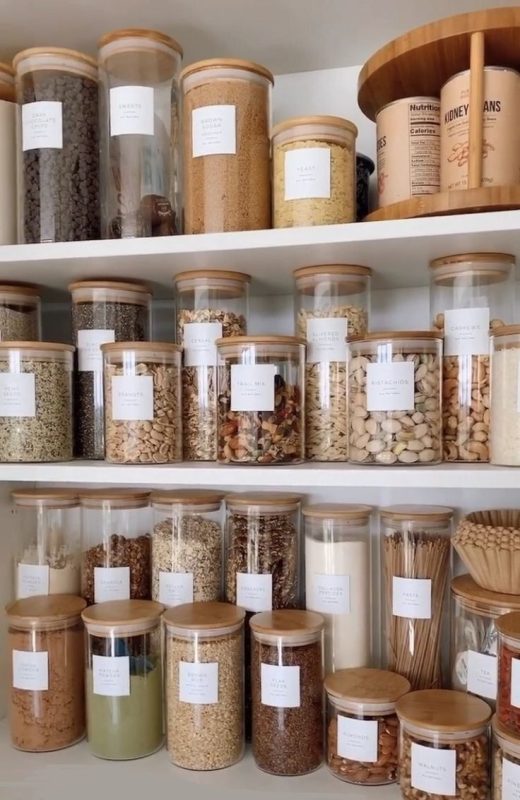
A well-kept spice jar is like a good cutting board — it gets better with time. pic credits:@osoehome
E. Sensory Experience: Freshness You Can See and Smell
There’s also an emotional aspect to functionality. Opening a wooden spice jar feels different — quieter, smoother, more deliberate. The subtle scent of the wood blends with the aroma of herbs and spices, creating a multisensory experience that elevates daily cooking into something special.
6. Sustainable Manufacturing: Behind Every Wooden Spice Jar
Every wooden spice jar begins long before it reaches a kitchen shelf. Its journey tells a story of responsible sourcing, precision craftsmanship, and environmental integrity — values that define the new generation of wood manufacturers.
A. Responsible Material Sourcing
Sustainability starts in the forest.
Only FSC-certified or legally harvested timber is selected, ensuring every log comes from reforested or well-managed plantations.
At Thatuwood (Thanh Tùng Thịnh Co., Ltd.), species such as acacia, teak, and rubberwood are chosen for their density, durability, and smooth texture.
Off-cuts from large furniture production are repurposed into spice jars and kitchen accessories — minimizing waste and supporting a circular economy.
Nothing is wasted; every piece of wood finds a second life in the kitchen.
B. Precision Processing and Moisture Control
After sourcing, each batch undergoes a strict drying and stabilization process:
Air-drying or kiln-drying for 3–4 weeks until moisture levels reach 8–12 %, preventing cracking or warping.
CNC shaping for uniform dimensions and perfect lid fitting.
Fine sanding through multiple grit stages for a silky finish.
Food-safe oiling or UV-curing that protects wood fibers without sealing them completely — keeping the natural feel.
Thatuwood’s investment in semi-automated CNC and polishing lines ensures consistency across thousands of units while maintaining the handcrafted touch buyers expect.
C. Quality and Compliance
Before export, each spice jar passes rigorous QC checkpoints under ISO 9001:2015 quality-management systems. Random sampling follows AQL 2.5 standards, verifying smoothness, lid fit, and absence of cracks or moisture residue.
All coatings and glues comply with Prop 65 (California) and EU REACH food-contact safety regulations. Third-party audits by SGS or Intertek validate both product safety and ethical workplace conditions under BSCI.
D. Energy-Efficient & Low-Waste Production
Manufacturing facilities now use biomass boilers fueled by sawdust from cutting operations, reducing fossil-fuel dependency by up to 35 %. Dust-collection systems recycle fine wood particles into briquettes, while wastewater from coating lines is filtered before discharge.
Even packaging reflects sustainability: recyclable kraft boxes, E-flute cartons, and soy-based inks align with eco-branding trends among Western retailers.
E. Human Craftsmanship Meets Modern Ethics
Despite the automation, every piece still receives human care — the final sanding, lid alignment, and inspection are done by skilled craftsmen. Thatuwood’s workforce operates under safe, fair, and BSCI-audited conditions, ensuring sustainability includes people as well as products.
Sustainability is not a marketing label; it’s a manufacturing philosophy that honors both nature and craftsmanship.
7. Using Wooden Spice Jars as Décor and Gifts
The beauty of a wooden spice jar lies not only in its practicality but in its ability to elevate an entire kitchen atmosphere. As eco-living becomes a design statement, these small wooden accents are redefining what “functional décor” means.
A. From Storage to Style
Wooden spice jars harmonize with almost every interior theme — Scandinavian minimalism, rustic farmhouse, boho chic, or modern industrial.
On open shelves, their warm wood tones balance the cold surfaces of marble or steel.
On dining tables, grouped jars add texture and warmth to neutral color palettes.
When paired with ceramic bowls or woven trays, they complete a “natural living” aesthetic that appeals to eco-conscious homeowners.
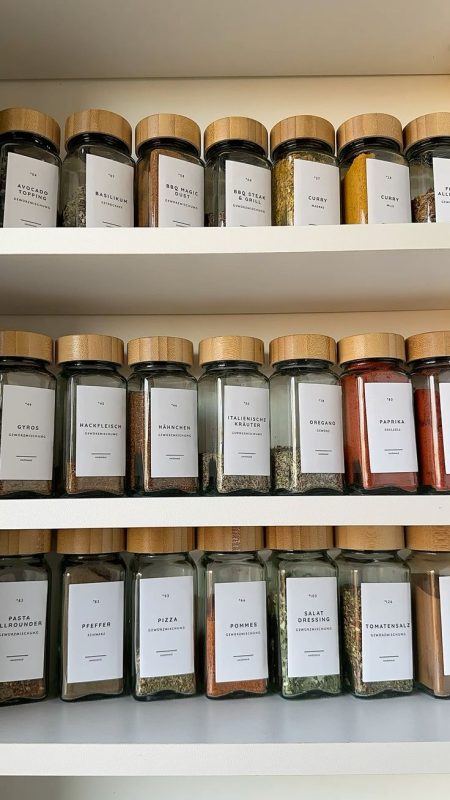
Designers and influencers often feature spice jars as part of “shelf styling” tutorials, proving that practical items can also serve as elegant display pieces.
B. Gift-Ready and Meaningful
Because they embody sustainability and craftsmanship, wooden spice jars have become one of the most popular eco-gift items in global retail.
Gift sets often include 4 – 6 jars with a matching acacia tray or box.
Premium editions come in handcrafted wooden chests with engraved lids — ideal for weddings, housewarmings, or corporate gifts.
Zero-waste gift packaging (kraft boxes, jute wraps, paper bands) appeals to eco-minded consumers who value both presentation and purpose.
A set of wooden spice jars tells a story of mindful living — a thoughtful, long-lasting gift that replaces disposable trends.
C. Perfect for Brand Personalization
B2B buyers appreciate how easily spice jars can be custom-branded:
Laser-engraved logos for organic food brands or boutique stores.
Customized box printing for holiday promotions or loyalty rewards.
Tailored sizes and finishes (matte, gloss, natural oil) to match product lines.
At Thatuwood, OEM / ODM customization allows retailers to develop their own “signature kitchen collection” while maintaining certified eco-standards (FSC, BSCI, Prop 65).
D. Beyond the Kitchen
Creative customers repurpose these jars in surprising ways:
As mini planters for herbs or succulents.
As containers for bath salts, essential oils, or tea blends.
As part of seasonal décor displays or restaurant tabletop styling.
This versatility extends the product’s lifecycle and supports the zero-waste mindset that dominates modern consumer behavior.
E. Emotional Connection Through Gifting
In a time when people seek gifts with meaning, wooden spice jars embody slow living and connection — between maker and user, between home and nature. Unlike mass-produced plastic items, each handcrafted jar feels personal, inviting touch and appreciation.
Giving wood is giving warmth — a daily reminder of nature’s quiet beauty in the heart of the home.
8. How to Choose the Right Wooden Spice Jar
Whether you’re curating a kitchen collection, sourcing for retail, or selecting jars for your home, choosing the right wooden spice jar involves more than just appearance. The right combination of material, size, lid design, and finish ensures freshness, longevity, and style — all while reflecting your brand’s sustainability values.
A. Choose the Right Wood Type
Different species create distinct aesthetics and performance:
Teak: Rich golden-brown color, naturally oil-rich and water-resistant. Excellent for humid climates.
Acacia: Hard, dense, and durable; shows beautiful swirling grain. Perfect for a premium, rustic look.
Rubberwood: Sustainable byproduct of the latex industry, light in color and affordable.
Beech or Ash: Smooth texture, uniform color, and ideal for modern minimalist kitchens.
For eco-conscious buyers, always confirm the FSC certification to ensure responsible sourcing.
The type of wood you choose defines both your design style and your environmental commitment.
B. Select the Ideal Size and Capacity
Spice jars generally range between 50 ml – 150 ml.
Small jars (≤ 70 ml): Ideal for potent spices or specialty blends.
Medium jars (100–120 ml): Everyday use — salt, pepper, chili flakes.
Large jars (150 ml +): Perfect for sugar, coffee, or loose-leaf tea.
For export buyers, balance jar size with carton efficiency — maximizing container loading while keeping total carton weight below 25 kg (standard FBA / EU shipping limit).
C. Focus on Lid Design and Seal Type
The lid determines freshness and usability.
Wooden or Cork Lid: 100 % biodegradable, gives natural charm; best for dry spices.
Silicone or Rubber Gasket: Ensures airtight closure without using plastic.
Magnetic Lid: Adds modern convenience and a clean look; great for high-end sets.
Screw-top Lid: Traditional, easy to replace, and durable for bulk use.
Thatuwood uses precision CNC milling to achieve smooth lid fits within ± 0.2 mm tolerance — ensuring airtight seals and premium tactile feel.
D. Pay Attention to Finish and Coating
A good finish protects flavor while showcasing wood grain.
Food-safe oil (linseed, mineral, or coconut): Highlights texture and maintains breathability.
UV-cured lacquer: Provides extra moisture resistance and sheen.
Matte vs Glossy Finish: Matte emphasizes a natural, organic look; gloss appeals to modern luxury consumers.
Avoid jars with heavy varnish or odor — signs of non–food-safe coating.
E. Branding, Customization, and Packaging
For brands or retailers, personalization elevates market value.
Engraved logos or spice names enhance identity and shelf appeal.
OEM/ODM services allow tailored sizes, shapes, and finish consistency across full product lines.
At Thatuwood, buyers can select from standard molds or commission exclusive jar sets under private labels — ideal for export to EU, U.S., and Japan markets.
F. Evaluate Supplier Certifications
Before bulk orders, always confirm:
FSC / BSCI / ISO 9001:2015 compliance.
Prop 65 / REACH chemical-safety reports.
AQL-based quality control procedure.
Thanh Tung Thinh is committed to providing every suitable for the global kitchenware market
Certified suppliers not only ensure ethical sourcing but simplify customs clearance and retailer acceptance.
Choosing a wooden spice jar is about matching purpose with philosophy — selecting a piece that serves daily function while embodying sustainable design.
9. Conclusion
The enduring charm of the wooden spice jar lies in its balance between nature and craftsmanship. In an age of disposable materials and synthetic design, wood stands apart — warm, renewable, and timeless. It transforms something as ordinary as spice storage into a celebration of sustainability and style.
From responsibly sourced timber to precision CNC shaping and hand-finishing, each jar tells a story of care — for the planet, for the maker, and for the kitchen it graces. It is both heritage and innovation, bridging traditional woodworking with modern, eco-conscious living.
For homeowners, these jars embody mindful simplicity: sustainable, functional, and beautiful. For retailers and importers, they represent a growing global demand, where consumers choose authenticity and environmental responsibility over mass production.
To hold a wooden spice jar is to hold a piece of nature — shaped by human hands, refined by technology, and destined for homes that value sustainability.
Partner With a Trusted Manufacturer
At Thanh Tùng Thịnh (Thatuwood), every piece reflects over 14 years of expertise in producing high-quality, FSC-certified wooden houseware for global markets.
OEM / ODM customization for spice jars, racks, trays, and other kitchen accessories.
Certified by FSC, BSCI, ISO 9001:2015, and Prop 65 for safety and compliance.
Exporting to over 25 countries, including the U.S., Japan, Germany, Australia, and the U.K.
👉 Bring sustainable elegance to your brand. Contact Thatuwood today to explore handcrafted wooden spice jars — where eco-design meets long-lasting quality.
To provide the best experiences, we use technologies like cookies to store and/or access device information. Consenting to these technologies will allow us to process data such as browsing behavior or unique IDs on this site. Not consenting or withdrawing consent, may adversely affect certain features and functions.
Functional
Always active
The technical storage or access is strictly necessary for the legitimate purpose of enabling the use of a specific service explicitly requested by the subscriber or user, or for the sole purpose of carrying out the transmission of a communication over an electronic communications network.
Preferences
The technical storage or access is necessary for the legitimate purpose of storing preferences that are not requested by the subscriber or user.
Statistics
The technical storage or access that is used exclusively for statistical purposes.The technical storage or access that is used exclusively for anonymous statistical purposes. Without a subpoena, voluntary compliance on the part of your Internet Service Provider, or additional records from a third party, information stored or retrieved for this purpose alone cannot usually be used to identify you.
Marketing
The technical storage or access is required to create user profiles to send advertising, or to track the user on a website or across several websites for similar marketing purposes.