



Table of Contents
I. Introduction: What is Epoxy and Why It Matters in 2025

Epoxy is a highly versatile synthetic resin known for its strength, durability, and exceptional bonding capabilities. Often referred to as epoxy resin, this two-part system (resin and hardener) undergoes a chemical reaction when mixed, transforming into a hard, solid plastic-like material with excellent adhesion and resistance properties.
Originally developed for industrial applications, epoxy has evolved into a go-to material across many sectors. From construction to art, electronics to furniture, its adaptability has made it an essential component in both professional industries and DIY communities.

In recent years, epoxy has seen a dramatic rise in popularity, especially in woodworking and interior design. Eye-catching epoxy river tables, colorful countertops, and glossy wood finishes have captivated audiences across social media, Pinterest, and interior décor platforms. At the same time, epoxy remains a critical material in construction, automotive, marine, and aerospace sectors, where its mechanical strength and chemical resistance are unmatched.
As of 2025, epoxy is no longer just a niche product—it’s a mainstream material recognized for enhancing aesthetics, extending product lifespan, and enabling innovation across industries. Whether you’re a manufacturer, builder, designer, or hobbyist, understanding what epoxy is and how to use it can open the door to higher-quality results and competitive advantages in your field.
II. Understanding Epoxy Resin: The Core Component
At the heart of nearly every epoxy-based product is epoxy resin—a powerful thermosetting polymer that forms when a resin and a hardener are mixed. This chemical reaction, known as curing, transforms the liquid components into a solid, highly durable material. Understanding how epoxy resin works is key to appreciating its wide range of uses and benefits.
1. Chemical Composition of Epoxy Resin
Epoxy resins are primarily made from epichlorohydrin and bisphenol-A (BPA) or bisphenol-F, which react to form a base resin. When combined with a curing agent (typically an amine-based hardener), this mixture begins a controlled exothermic reaction that produces a cross-linked polymer structure. This structure is what gives epoxy its renowned toughness, chemical resistance, and longevity.

Thanks to modern chemistry, many low-VOC (volatile organic compound) or bio-based epoxies are also available, reducing environmental impact and improving user safety—especially in indoor applications like countertops or flooring.
2. How Epoxy Differs from Other Resins
While epoxy is often grouped with other resins like polyester or polyurethane, it stands out in several key ways:
| Property | Epoxy | Polyester Resin | Polyurethane |
|---|---|---|---|
| Bonding Strength | Excellent | Moderate | Good |
| Durability | High | Moderate | High |
| Shrinkage on Cure | Low | High | Moderate |
| Odor/VOCs | Low (in modern versions) | Strong | Moderate to high |
| Cost | Higher | Lower | Medium |
| Use Cases | Structural bonding, wood finishes, crafts, electronics | Marine, auto repair | Flexible coatings, foams |
Epoxy is ideal when long-term performance and a strong finish are required. Unlike polyester resin, epoxy adheres well to a wide variety of surfaces without cracking, and it tends to last longer under stress or exposure to heat and chemicals.
3. Common Types of Epoxy
There are several different types of epoxy resins available, each formulated for specific applications. Here are the most commonly used types:
- Clear Epoxy Resin: Known for its transparency and self-leveling finish, it’s popular in river tables, bar tops, and resin art.
- Colored Epoxy Resin: Often mixed with pigments or dyes, this type is used for custom décor, branding, and visually striking finishes.
- UV-Resistant Epoxy: Designed for outdoor or sun-exposed environments, it resists yellowing and degradation caused by ultraviolet light.
- High-Temperature Epoxy: Used in electronics and automotive industries, this type can withstand extreme heat without compromising strength.
- Food-Safe Epoxy: Certified for contact with food, it’s used on kitchen counters, serving boards, and cutting boards when cured properly.
III. Major Applications of Epoxy in Various Industries
Epoxy resin is one of the most adaptable materials available today, with applications spanning nearly every major industry. Its strength, chemical resistance, and versatile finishes make it a top choice for both functional and decorative uses. Below are some of the key industries where epoxy plays a critical role:
1. Construction and Flooring
In the construction world, epoxy is prized for its bonding strength and resistance to moisture, chemicals, and impact. It’s commonly used as:
- Adhesive: For bonding concrete, metal, and wood in structural repairs or installation.
- Concrete Coating: Epoxy floor coatings are popular in warehouses, hospitals, and commercial spaces thanks to their durability, glossy finish, and ease of cleaning.
- Crack Fillers & Sealants: Epoxy can seal cracks in foundations and prevent water intrusion.
Its ability to cure quickly and provide long-term protection makes epoxy indispensable in both residential and industrial construction.
2. Woodworking

Epoxy has transformed modern woodworking, especially in the high-end custom furniture market. Popular applications include:
- River Tables: Combining live-edge wood with pigmented epoxy to create flowing, translucent “rivers.”
- Wood Sealing: Epoxy penetrates wood surfaces to enhance durability and waterproofing.
- Cutting Boards and Countertops: Food-safe epoxies are often used for long-lasting, hygienic finishes.
Read more: Why Choose an Epoxy Wood Tray Supplier for Your Product Line?
Its strong adhesion to wood, resistance to cracking, and aesthetic versatility have made epoxy a star in handcrafted and mass-produced wood products.
3. Art and Crafts
For artists and hobbyists, epoxy resin offers an exciting medium that’s both creative and functional:
- Jewelry Making: Epoxy molds can encase flowers, pigments, or glitter into pendants and earrings.
- Home Décor: Coasters, trays, wall art, and sculptures benefit from epoxy’s clarity and color options.
- Resin Molds: Silicone molds allow epoxy to take on intricate shapes and glossy finishes with minimal effort.
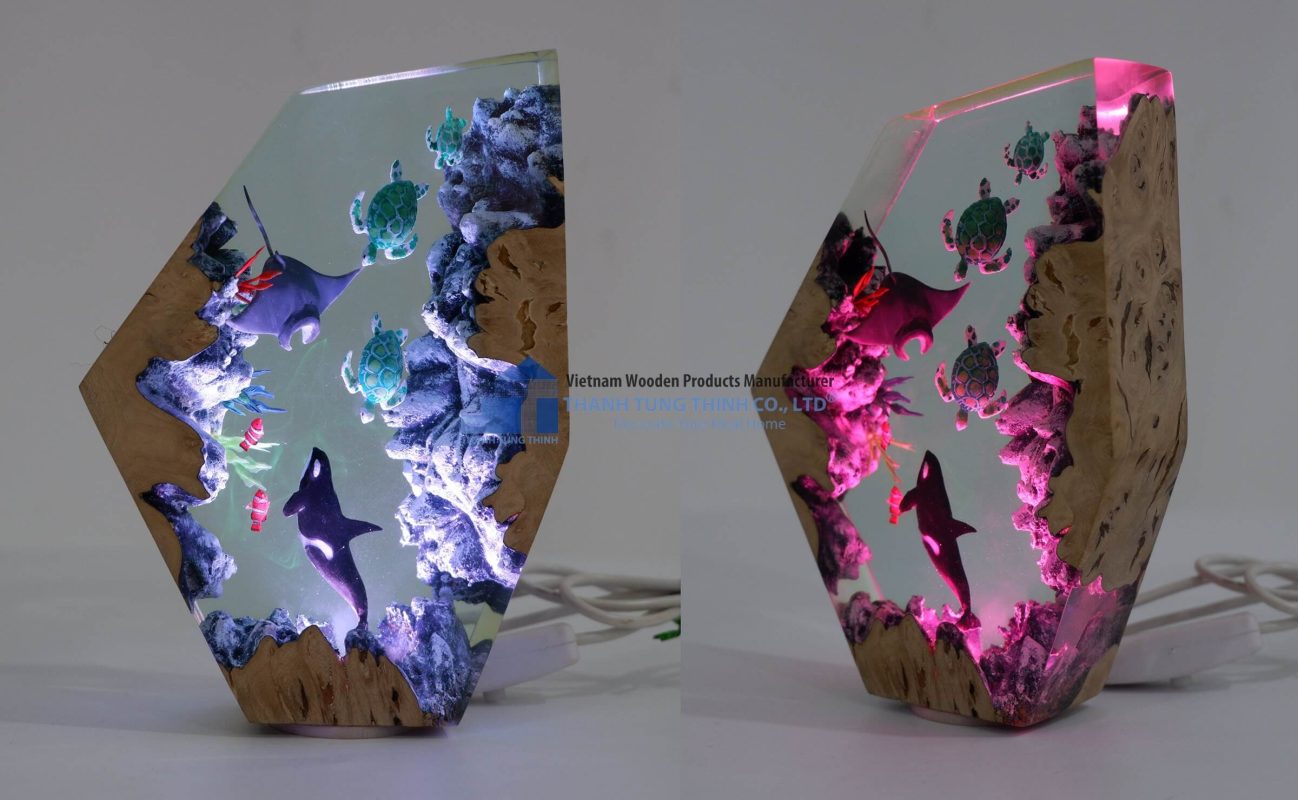
The explosion of DIY and handmade craft markets in recent years has significantly increased demand for clear and colored epoxy resins.
4. Electronics and Electrical Applications
In high-tech manufacturing, epoxy plays a critical protective role:
- Potting & Encapsulation: Used to shield electronic components from moisture, dust, and vibration.
- Insulation: Epoxy offers strong dielectric properties, making it ideal for insulating circuits and wires.
- Adhesion: It bonds components to circuit boards without degradation over time.
Its non-conductive, heat-resistant properties are essential for building reliable, long-lasting electronics and electrical systems.
5. Marine and Automotive
In marine and automotive environments where exposure to moisture, chemicals, and stress is common, epoxy is widely used for:
- Corrosion Resistance: Applied as a protective coating to prevent rust and surface degradation.
- Bonding and Repairs: Epoxy adhesives and fillers are used to repair fiberglass, carbon fiber, and metal components.
- Hull and Deck Coating: Boats and watercraft benefit from epoxy’s waterproof, UV-resistant finish.
Epoxy’s superior performance under pressure and in extreme environments has made it a trusted material in vehicle and vessel construction and maintenance.
IV. Why Epoxy Is Booming in 2025
As industries continue to demand versatile, durable, and aesthetically pleasing materials, epoxy resin stands out as a top contender. The global epoxy market is projected to grow significantly in 2025, and several key drivers are fueling this upward trend.
1. Sustainability and Eco-Conscious Production
Modern consumers and businesses are shifting toward eco-friendly alternatives, and the epoxy industry is responding. Many manufacturers now offer:
- Bio-based epoxy resins derived from renewable sources like plant oils and starch.
- Low-VOC (volatile organic compound) formulations to meet strict environmental regulations.
- Longer-lasting materials that reduce the need for frequent replacements, contributing to lower overall waste.

As sustainability becomes a competitive edge, epoxy’s adaptability helps industries meet green goals without compromising performance.
2. Growing Demand in Furniture and Interior Design
Epoxy furniture, especially epoxy river tables, countertops, and serving boards, has seen a boom in global demand due to its customizability and premium look. In 2025, this trend continues to grow, especially in markets that value:
- High-end handcrafted furniture
- Durable, low-maintenance surfaces
- Unique pieces combining natural wood and colored resin
Manufacturers and artists alike are expanding their epoxy product lines to serve this expanding niche.
3. Rise of DIY and Small Business Markets
The rise of e-commerce platforms like Etsy and Amazon Handmade has made it easier for craftspeople and small brands to reach global audiences. Epoxy resin is a favorite material in the DIY space for:
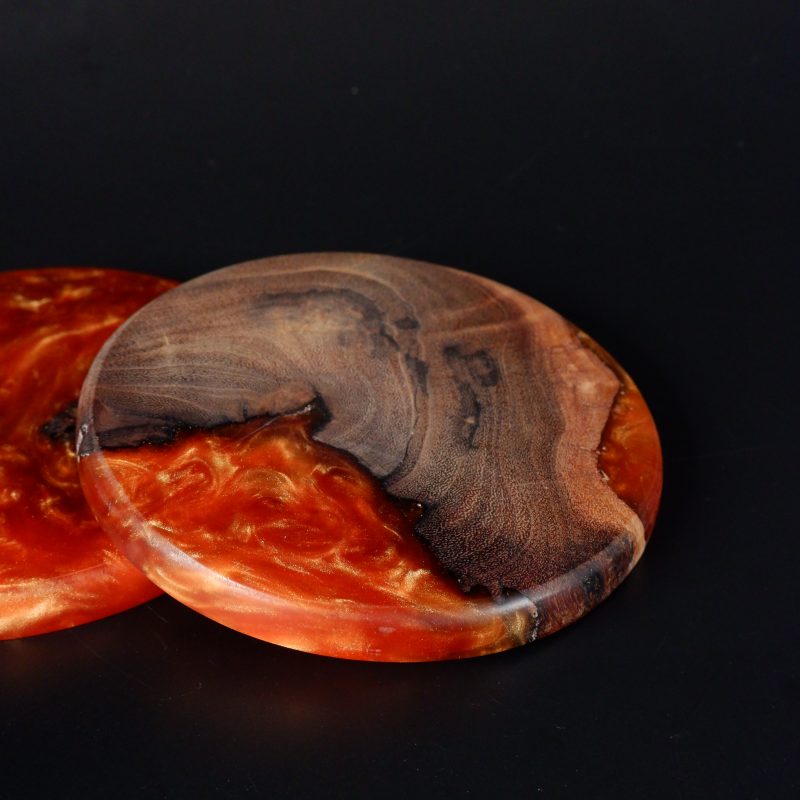
- Jewelry
- Art canvases
- Home accessories
- Personalized gifts
This increased accessibility drives higher consumption and encourages innovation in how epoxy is marketed and used.
4. Advancements in Technology and Product Quality
Epoxy in 2025 benefits from cutting-edge innovations such as:
- Faster curing times with improved formulations
- Enhanced UV resistance, reducing yellowing over time
- Wider color and finish options, including metallic, pearlescent, and transparent effects
These improvements make epoxy more appealing for both commercial and creative applications, offering high performance with professional-grade results.
5. Infrastructure and Industrial Projects
Governments worldwide are investing in infrastructure upgrades, where epoxy plays a critical role in:
- Concrete repair
- Waterproof coatings
- Corrosion protection for steel structures
Its performance under pressure, resistance to harsh environments, and long-lasting effects make epoxy a preferred choice in large-scale industrial projects.
V. Epoxy vs. Resin: What’s the Difference?
If you’re entering the world of resins, especially for furniture, coatings, or crafts, you’ve likely encountered both “epoxy” and “resin” used interchangeably. While they share similarities, understanding their key differences will help you make the right material choice — especially for bulk production, art applications, or industrial use.
1. What Are the Key Differences Between Epoxy and Resin?
| Feature | Epoxy Resin | Polyester Resin / Other Resins |
|---|---|---|
| Strength & Durability | High mechanical strength, impact-resistant | Moderate strength, more brittle |
| Curing Time | Slower curing (8–24 hours) | Faster curing (as little as 30 mins) |
| Finish & Clarity | Crystal clear, glossy, fewer bubbles | Can be cloudy or amber, more bubbles |
| UV Resistance | Better UV resistance (with UV stabilizers) | Poor UV resistance, prone to yellowing |
| Cost | Higher cost per unit | More affordable for large-scale use |
| Odor and Safety | Low odor, low VOC options available | Strong odor, higher VOC content |
| Ease of Use | Easier for beginners, self-leveling | Requires experience, more mixing issues |
2. When to Choose Epoxy Over Other Resins?
- Furniture and Home Décor: If you’re producing high-end items like river tables, steak boards, or countertops, epoxy provides superior clarity and finish.
- Art and Craft Projects: Epoxy is ideal for jewelry, coatings, and resin art due to its ease of use and glass-like finish.
- Structural Repairs and Flooring: Epoxy is often chosen in industrial settings for coating concrete floors or repairing cracks.
- Outdoor Use: Epoxy with UV resistance is more reliable than other resins that tend to yellow and degrade quickly under sunlight.
- Bulk Manufacturing: For manufacturers producing epoxy steak boards or wooden serving products, epoxy offers the consistent performance and durability needed for export markets.
3. When Other Resins Might Be More Suitable
While epoxy is often superior in appearance and strength, polyester or polyurethane resins may be a better choice when:
- Cost is the main concern (e.g., high-volume low-cost items)
- Fast curing is needed for production speed
- Less visual perfection is acceptable
VI. Thanh Tùng Thịnh: Crafting Premium Epoxy Wooden Products from Vietnam
As a trusted wooden product manufacturer and exporter with over 14 years of experience, Thanh Tùng Thịnh has continuously innovated to meet the evolving needs of the global market. One of our proudest advancements in recent years is the integration of epoxy resin into our handcrafted wooden collections — especially for steak boards, charcuterie trays, and decorative serving pieces. Even wooden houseware such as Wooden epoy lamp, wooden epoxy table,…
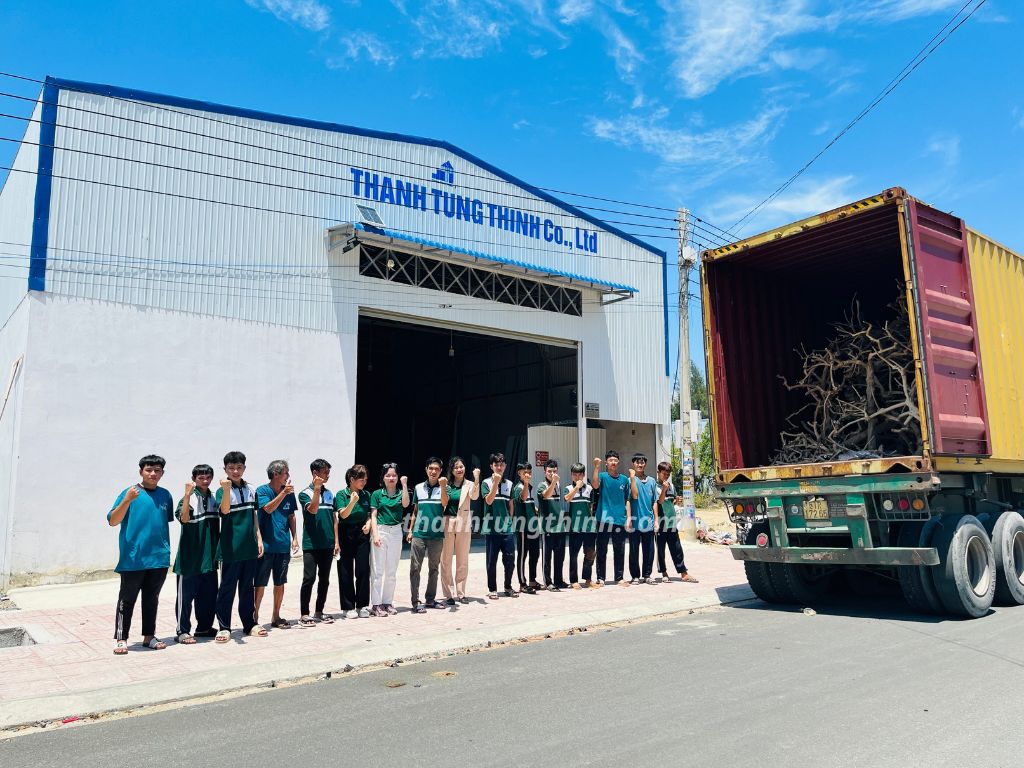
Why We Combine Wood with Epoxy
Our design philosophy is rooted in both tradition and modernity. By combining natural wood grains with crystal-clear or color-pigmented epoxy, we create products that are:
- Strikingly Unique – Each item has its own grain pattern and epoxy flow, making every piece a one-of-a-kind work of art.
- Functionally Superior – Epoxy adds a protective, food-safe coating that resists moisture, stains, and wear.
- Market-Ready – These modern styles resonate with both luxury home consumers and professional hospitality buyers.
- Sustainable – We prioritize responsibly sourced woods (including American hardwoods), and use high-quality, low-VOC epoxy solutions to ensure safety and sustainability.
Tailored for Wholesale & B2B Buyers
Whether you’re sourcing for retail, promotional gifting, or hospitality supply, our epoxy wooden boards are:
- Customizable (shape, size, epoxy color, engraving)
- MOQ-friendly, starting from just 50 pieces
- Export-ready, with all essential certifications and global logistics support
- Backed by OEM/ODM services for private label development
Conclusion: Epoxy – A Smart Investment for Your Product Line
In a global market that values quality, aesthetics, and sustainability, epoxy resin continues to prove itself as a strategic material — especially in applications like wooden steak boards, charcuterie trays, countertops, and custom décor. Whether you’re a cutting board wholesaler, a steak board wood supplier, or a furniture manufacturer seeking durable finishes, epoxy offers the performance, clarity, and creative flexibility that modern buyers demand.
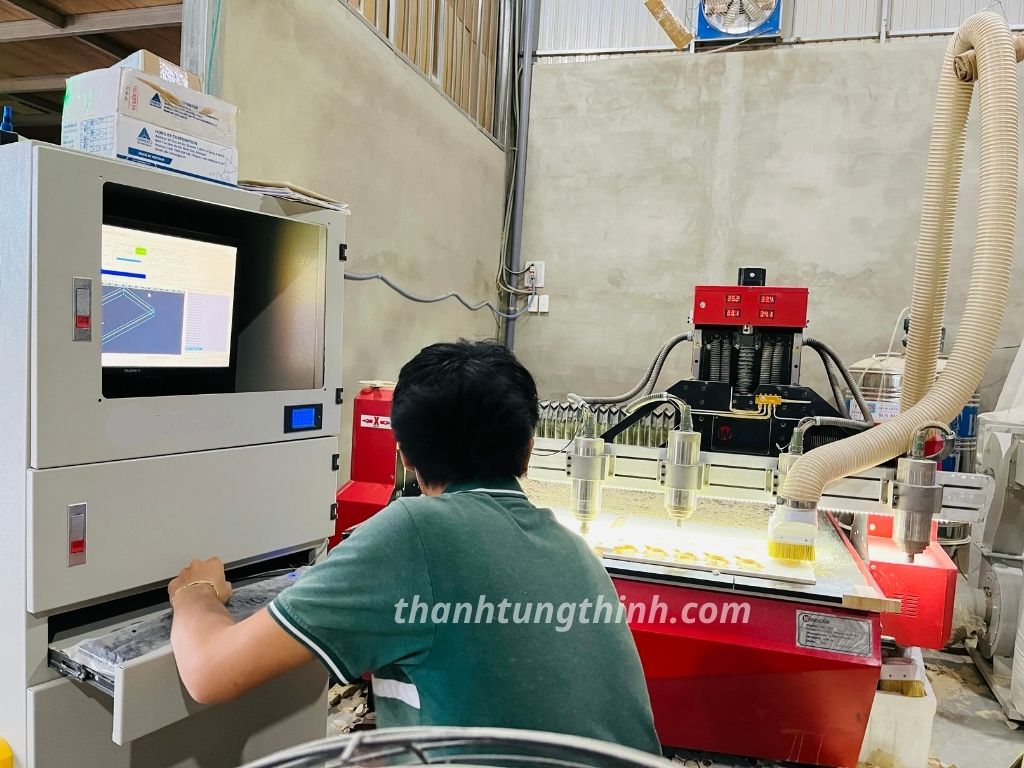
With its growing role across industries and the strong 2025 market outlook, now is the perfect time to explore how epoxy can enhance your product offerings — from design appeal to long-term durability.
Looking for a Reliable Epoxy Wooden Product Manufacturer?
At Thanh Tùng Thịnh, we specialize in bulk manufacturing of premium wooden steak boards, serving trays, and other kitchenware — all designed with precision and treated with high-quality epoxy resin. With over 14 years of export experience, flexible MOQ, and OEM/ODM services, we are proud to be a trusted Vietnamese supplier to partners in the U.S., EU, and Australia.
📩 Contact us today to discuss your custom order, wholesale pricing, or product sample!

