


Table of Contents
Demand for premium wooden kitchenware remains strong in many international markets. For importers, wholesalers, and private label brands, bulk end grain cutting boards offer a strong mix of premium appearance, practical use, and scalable sales potential.
The real opportunity is not only in the product itself, but in sourcing it from the right manufacturer. With stable quality, OEM flexibility, and reliable export support, bulk end grain cutting boards can become a strong long-term category for B2B buyers.
What Are Bulk End Grain Cutting Boards?
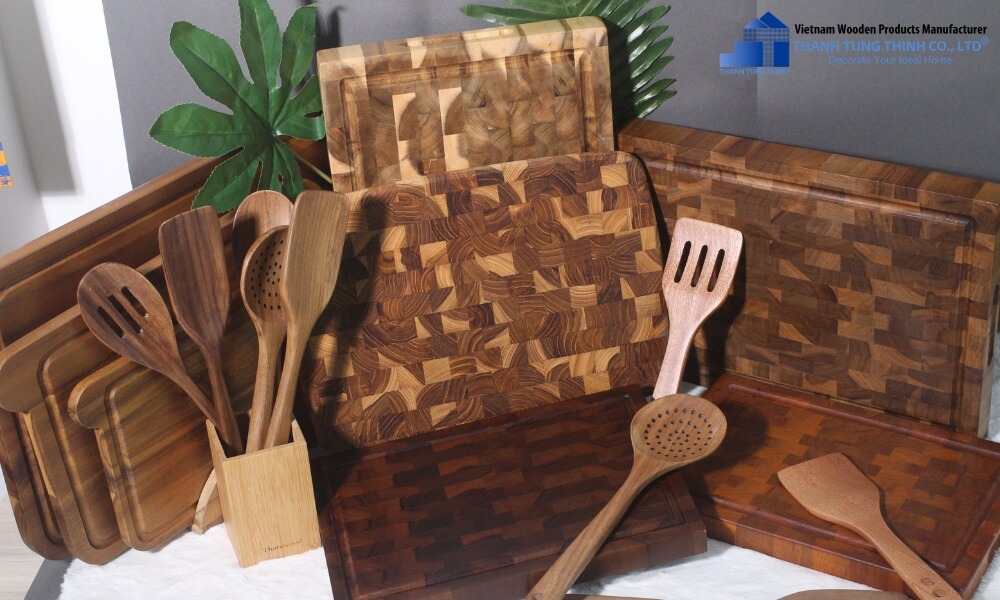
End grain cutting boards are made by arranging wood blocks so the end fibers face upward on the cutting surface. This creates the distinctive block-pattern appearance that many buyers immediately associate with premium kitchenware. In commercial terms, that visual structure helps the product stand apart from standard wooden cutting boards.
For B2B buyers, bulk end grain cutting boards are more than functional prep tools. They are premium-positioned kitchen products that support better merchandising, stronger shelf presence, and more refined packaging programs. That is one reason they work well in private label collections, giftable assortments, and high-value home kitchen lines.
This category also gives buyers more flexibility in product positioning. A board can be sold as a butcher block, a premium prep surface, a branded kitchen essential, or part of a coordinated serving and kitchenware line. That makes end grain boards commercially attractive across multiple international sales channels.
Why International Buyers Choose Bulk End Grain Cutting Boards
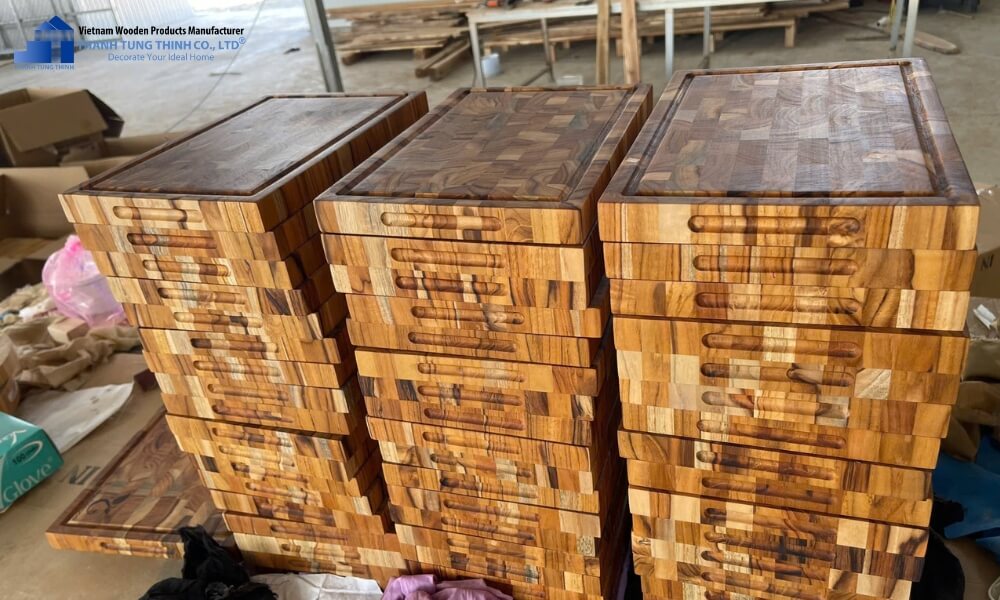
International buyers choose bulk end grain cutting boards because this category combines premium visual appeal with solid commercial usability. It fits multiple sales channels and gives buyers more room to build margin than standard low-end wooden boards. For B2B programs, this product is easier to position as a premium kitchenware item rather than a basic household commodity.
- Higher perceived value: End grain construction gives the board a more premium look, which supports stronger retail pricing.
- Better margin potential: Buyers usually have more pricing flexibility with premium-positioned boards than with entry-level cutting boards.
- Broad channel fit: The product works well across retail, e-commerce, gifting, hospitality, and private label programs.
- Stronger branding potential: The category is easier to market through packaging, storytelling, and premium merchandising.
- Collection expansion opportunity: One core board design can grow into a wider line of serving boards, butcher blocks, trays, and kitchen accessories.
For international buyers, bulk end grain cutting boards are commercially attractive because they combine premium positioning, repeat-order potential, and broad market adaptability.
What Makes Bulk End Grain Cutting Boards Different From Standard Wooden Boards?
The biggest difference is not only the construction. It is the way the product is perceived in the market. Standard wooden boards often compete more directly on price, while end grain boards usually compete on product value, aesthetics, and premium positioning. That shift matters because it gives buyers more room to build a stronger retail and branding story.
In B2B trade, bulk end grain cutting boards are often treated as premium kitchen products rather than simple household basics. That means the product can carry stronger packaging, more refined branding, and a better gift-ready presentation. It also means the supplier must meet a higher expectation for finishing quality, stability, and consistency across larger orders.
Why Bulk End Grain Cutting Boards Work Well for Private Label Programs
Private label programs need products that are easy to brand, visually differentiated, and commercially scalable. End grain cutting boards perform well on all three. They already look premium before any branding is added, which makes them easier to position under a retailer’s own brand or as part of a premium kitchenware sub-line.
- Logo-friendly surface: End grain boards can be adapted for laser engraving or other branding applications without losing their premium appearance.
- Packaging versatility: They work well with kraft boxes, gift boxes, sleeves, belly bands, inserts, and care cards.
- Multiple size strategy: Buyers can build tiered assortments instead of depending on a single SKU.
- Giftability: The product naturally fits premium and gifting channels, which strengthens private label positioning.
- Cross-selling potential: These cutting boards can be combined well with trays, cutlery, serving cutting boards, and complete kitchen utensil sets.
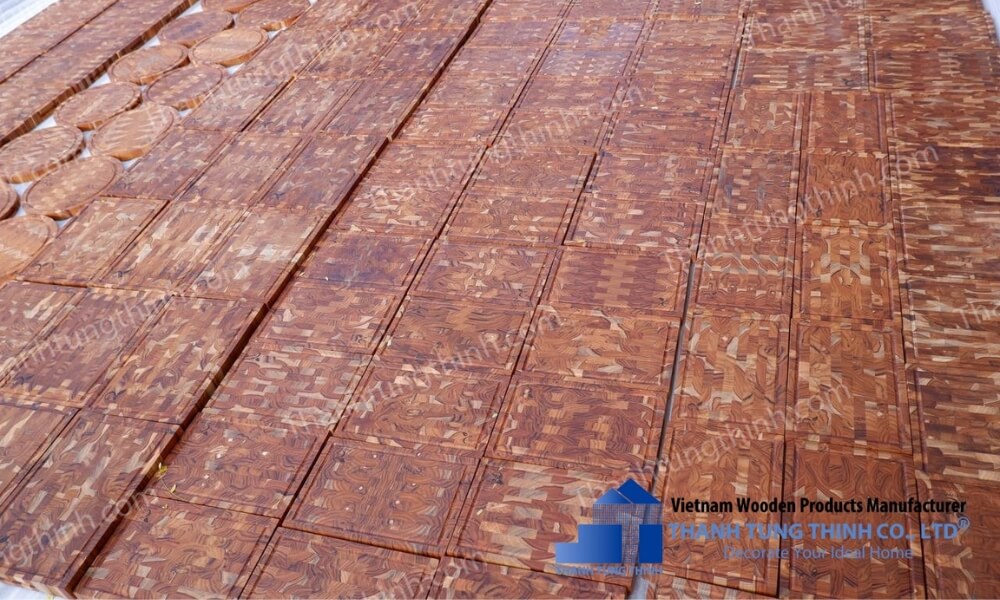
Bulk end grain cutting boards are a strong private label category because they combine premium presentation, flexibility, and natural line-extension potential.
Key Buying Criteria for Bulk End Grain Cutting Boards
For bulk end grain cutting boards, buyers should evaluate the product as a production system, not just as a sample. A visually strong sample means very little if quality drops once the order scales. The table below gives a clearer framework for supplier evaluation.
| Buying Criterion | Why It Matters for B2B Buyers |
|---|---|
| Wood species | Affects product appearance, durability, market positioning, and final cost structure. |
| Moisture control | Reduces the risk of cracking, warping, and long-term instability after shipment. |
| Construction consistency | Ensures boards remain structurally stable across repeated batches and volume production. |
| Surface finishing | Smooth sanding, rounded edges, and food-safe finishing directly impact customer satisfaction. |
| Dimension consistency | Stable thickness, size, and weight improve packaging planning and SKU control. |
| Packaging quality | Protects the product during transit and improves retail readiness. |
| OEM capability | Supports logo engraving, custom sizes, branded packaging, and private label programs. |
| Export execution | Reliable lead time, documentation, and shipment handling reduce operational risk. |
The best supplier for bulk end grain cutting boards is not the one with the cheapest quote, but the one that can protect quality, consistency, and export performance at scale.
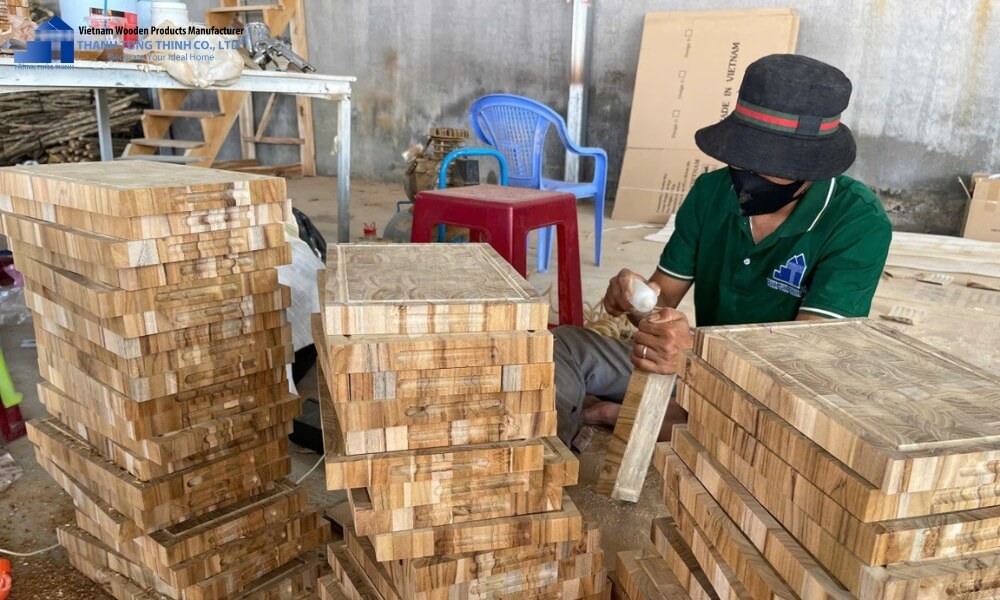
Wood Species and Product Positioning
Wood species has a direct impact on how the product is positioned in the market. Teak, acacia, and other hardwoods do not tell the same story in terms of color, texture, durability, and brand image. One option may support a more premium visual profile, while another may offer a stronger balance between appearance and commercial cost.
For international buyers, the best approach is to align material choice with the intended retail segment. If the product is meant for a premium kitchenware line, the wood should support that positioning. If the goal is broader market access at a more accessible price point, the material needs to balance aesthetics with sourcing efficiency. A reliable supplier should be able to explain both the material characteristics and the commercial logic behind them.
Price Drivers Behind Bulk End Grain Cutting Boards
Pricing in this category depends on specification detail, not just raw material. Buyers should look at price through a commercial lens rather than comparing quotations without matching specs. In most cases, the final number reflects both product build and order structure.
- Wood species: Different hardwoods create different cost positions, visual profiles, and market value.
- Board size: Larger boards require more raw material and typically push up unit cost.
- Board thickness: Thicker boards usually increase both cost and perceived product value.
- Construction complexity: Added features such as juice grooves, handles, rubber feet, or special shaping affect machining cost.
- Surface finishing: Better sanding, cleaner edges, and food-safe finishing increase production quality and cost.
- Branding requirements: Logo engraving, labels, inserts, and printed packaging add cost but also improve market positioning.
- MOQ and order volume: Higher quantities often improve pricing efficiency when the factory can optimize material use and production flow.
Buyers should assess bulk end grain cutting boards pricing based on full product specification, not just the headline unit price.
Direct Manufacturer vs. Trading Intermediary
For international sourcing, factory-direct supply usually creates a stronger commercial structure than relying entirely on a trading intermediary. The key advantages are better price visibility, clearer technical communication, and faster alignment on production issues. This matters even more in wood products, where moisture control, finishing quality, and construction consistency can directly affect claim rates after delivery.
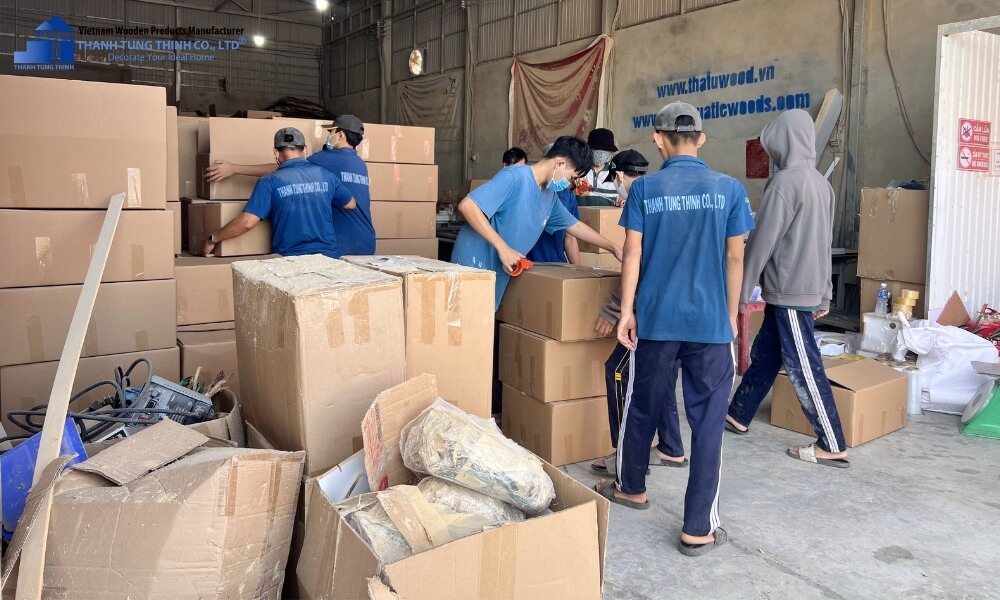
This does not mean every factory is automatically the right supplier. It means that with bulk end grain cutting boards, direct manufacturing access often makes it easier to validate production capability, discuss custom requirements, and assess whether the supplier can actually deliver stable quality at volume. In B2B sourcing, transparency reduces risk, and factory-level communication usually improves that transparency.
What International Buyers Should Ask Before Placing an Order
A professional buying process starts with the right supplier questions. For bulk end grain cutting boards, the goal is not only to confirm price, but to test whether the supplier can actually support volume, quality control, and repeat-order execution. Clear answers at this stage usually reduce risk later.
- What is the MOQ? Determine whether the supplier can support your target volume, mixed sizes, or private label requirements.
- Can you provide samples? Sample availability helps validate material, finish, structure, and packaging before committing to production.
- What is the production lead time? Buyers need realistic timelines for planning launches, reorders, and container booking.
- Do you support OEM or private label? This is critical for logo engraving, packaging changes, custom dimensions, and branded inserts.
- How do you control moisture and board stability? This question helps expose whether the supplier truly understands wooden kitchenware production.
- What is your QC process? A clear answer on inspection standards helps buyers evaluate risk before shipment.
- How do you handle claims or defects? This shows whether the supplier is commercially structured for long-term B2B cooperation.
The right supplier should be able to answer commercial, technical, and operational questions clearly, not just send a quotation quickly.
Why Vietnam Is a Competitive Sourcing Base for Bulk End Grain Cutting Boards
Vietnam remains a strong sourcing market for wooden kitchenware because it combines woodworking capability, export experience, and competitive manufacturing economics. For international buyers, this creates access to premium wood products without moving directly into the highest-cost sourcing markets. The strongest value appears when a supplier combines factory pricing with disciplined finishing and solid export handling.
For bulk end grain cutting boards, Vietnam is especially relevant because the category benefits from both craftsmanship and scalable production. Buyers often need OEM development, packaging flexibility, and repeat-order programs, not just one-off manufacturing. When those capabilities exist, Vietnam becomes more than just a cost-driven sourcing option. It becomes a strong long-term manufacturing base.
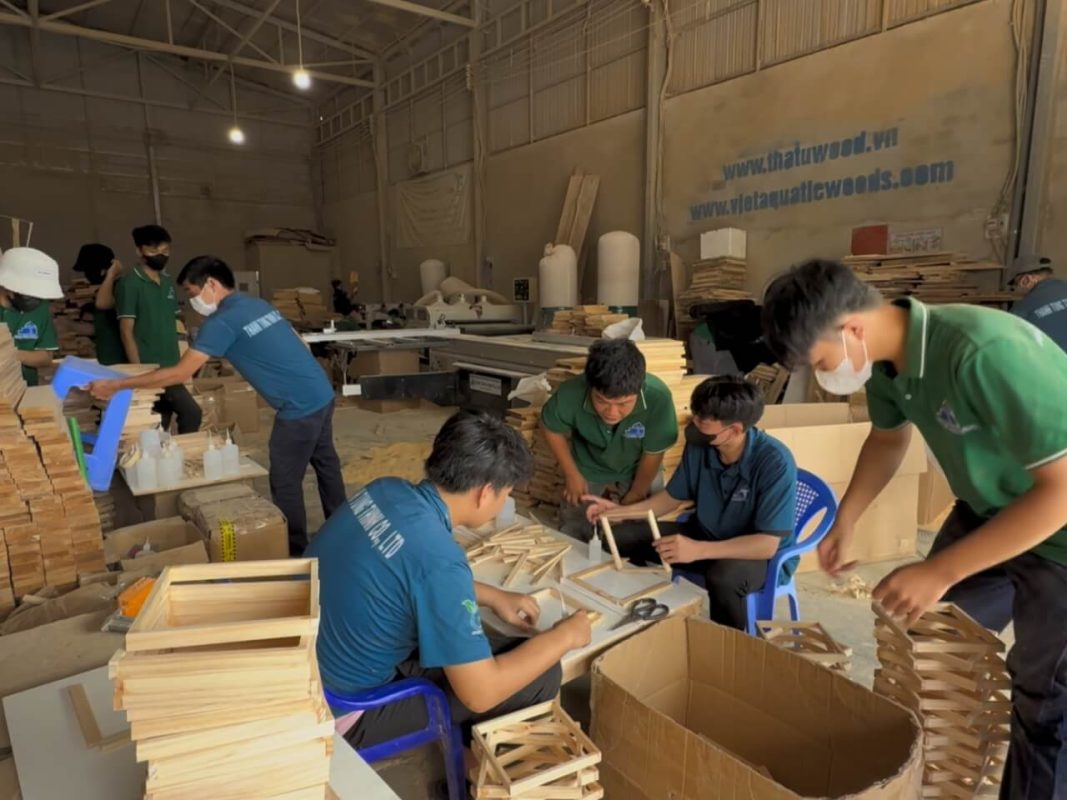
How to Choose a Reliable Supplier for Bulk End Grain Cutting Boards in Vietnam
The right supplier isn’t simply the one with the lowest price. It’s the one that can protect your profits after the goods are delivered. For bulk orders of solid wood cutting boards, a reliable supplier needs to demonstrate actual production capacity, consistent finishing standards, export experience, and the ability to systematically support customized product development.
A strong supplier should also communicate clearly about sample approval, production scheduling, packaging, QC, and lead time. This matters because international buyers cannot always inspect every production stage directly. In practice, a supplier’s communication discipline often reflects its manufacturing discipline. That is why supplier evaluation should go beyond product photos and price sheets.
Read more:
- Wholesale End Grain Cutting Boards: Premium Wood, Factory Direct Prices
- Top 5 Factors to Consider When Choosing a Provider For Wholesale End Grain Cutting Board
Why Thanh Tung Thinh Is Worth Considering for Bulk End Grain Cutting Boards
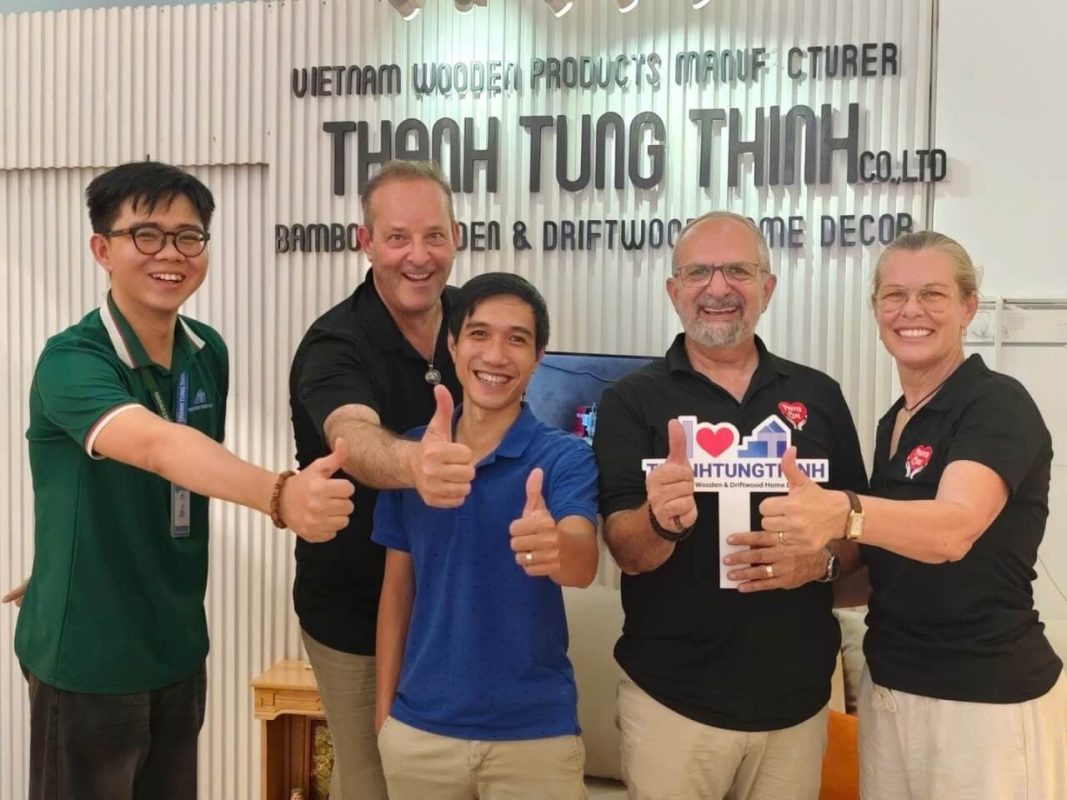
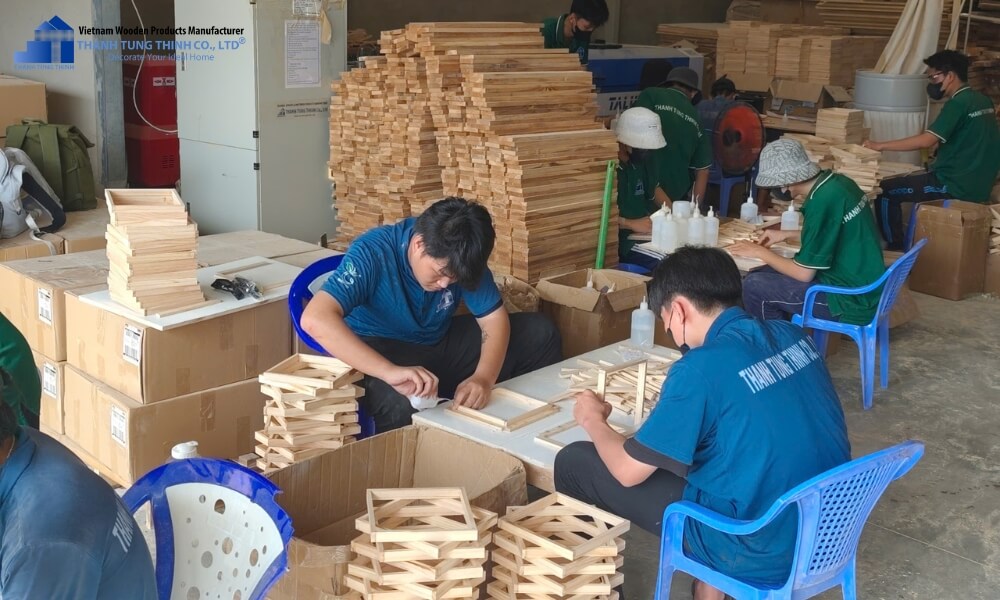
For buyers looking to source bulk end grain cutting boards from Vietnam, Thanh Tung Thinh is a practical manufacturer to consider. As a direct wood manufacturer, the company is positioned to support international buyers that need stable supply, customization options, and clearer factory-level communication. That matters because factory-direct cooperation often improves both cost visibility and execution consistency.
From a B2B perspective, the value is straightforward. Buyers need a supplier that can support wholesale volumes, handle OEM requirements, and maintain product consistency across repeated orders. Thanh Tung Thinh can be considered as part of that sourcing shortlist for businesses looking to build a more structured and reliable supply base in Vietnam.
If your company is looking for a Vietnam-based manufacturer for bulk end grain cutting boards, contact Thanh Tung Thinh to discuss specifications, OEM development, packaging options, MOQ, and wholesale supply support.
 WhatsApp: +84 96 394 91 78
 Email: [email protected]
 Website: https://thanhtungthinh.com/
 Pinterest: https://www.pinterest.com/THATUWOOD/
Final Assessment: Are Bulk End Grain Cutting Boards Worth Importing?
Yes, this is a strong category for the right buyer. Bulk end grain cutting boards combine daily function, premium appearance, and strong brand-building potential across multiple international channels. They fit private label, retail, gifting, and hospitality programs while still offering room for collection expansion. That makes them commercially more attractive than many low-end cutting board categories.
The real success factor is supplier quality. If wood stability, construction consistency, surface finishing, packaging, and lead-time reliability are well controlled, this category can support repeat business rather than one-off shipments. For international buyers looking to build a premium wood kitchenware line, bulk end grain cutting boards are worth serious consideration.
FAQ: Bulk End Grain Cutting Boards
1. What makes bulk end grain cutting boards different from standard wooden cutting boards?
Bulk end grain cutting boards are usually positioned as more premium because of their construction, visual pattern, and stronger perceived value. They are often better suited to premium retail, gifting, and private label channels than entry-level wooden boards.
2. Are bulk end grain cutting boards suitable for private label programs?
Yes. This category works well for private label because it supports logo engraving, custom sizes, branded packaging, and premium market positioning.
3. What should buyers prioritize when sourcing bulk end grain cutting boards?
The main priorities should be wood quality, moisture control, construction consistency, surface finishing, packaging, and supplier reliability.
4. What factors affect the price of bulk end grain cutting boards?
The main cost drivers are wood species, board size, thickness, product features, finishing quality, branding requirements, and total order volume.
5. Is it better to buy bulk end grain cutting boards from a direct manufacturer?
In many cases, yes. A direct manufacturer usually gives buyers better visibility on pricing, technical communication, OEM development, and production control.
6. Can bulk end grain cutting boards be customized for overseas markets?
Yes. Many B2B buyers request custom sizes, logo engraving, care cards, packaging adjustments, and other private label adaptations.
7. Why do international buyers source bulk end grain cutting boards from Vietnam?
Vietnam is competitive because it offers woodworking capability, export experience, scalable production, and more flexible OEM support than many buyers find in higher-cost sourcing markets.

