


Table of Contents
For high-volume B2B importers, commercial kitchenware distributors, and passionate home chefs, investing in premium culinary tools is only the first step toward excellence. Acacia timber stands out as a premier hardwood choice, celebrated for its structural integrity. However, because it is an organic material, long-term performance depends entirely on proper post-purchase maintenance.
Learning how to care for an acacia wood cutting board properly is the ultimate secret to unlocking its multi-decade potential.A poorly maintained board easily becomes dry, pale, and prone to severe warping or splitting along glue lines. Conversely, a disciplined maintenance routine transforms it into a flawless, self-healing centerpiece.
This comprehensive care manual breaks down the essential steps to sanitize, protect, and oil your acacia wood cutting board using non-toxic, eco-friendly strategies, ensuring every board remains a pristine, ultra-hygienic, and structurally sound kitchen asset for decades.
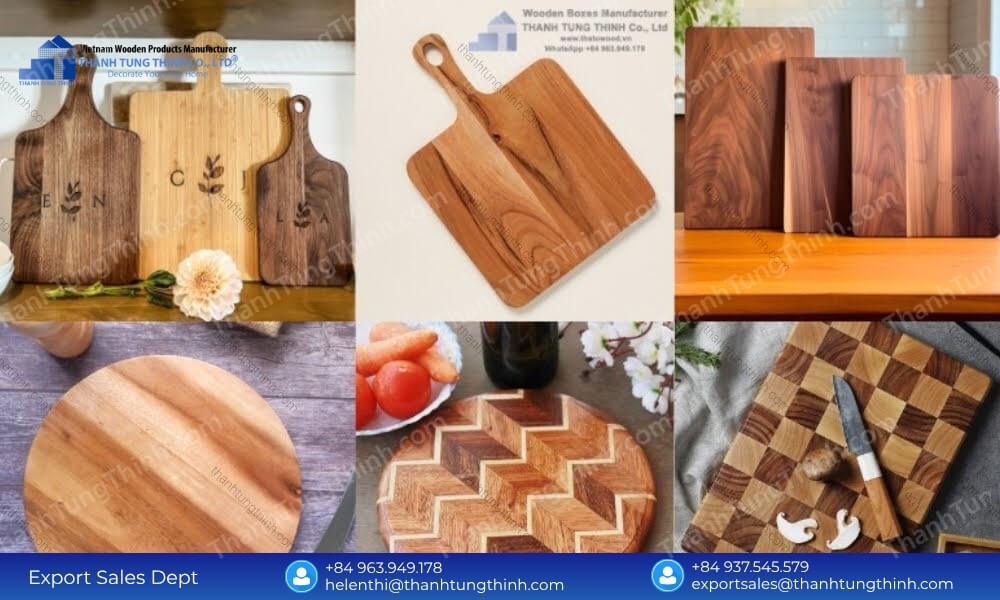
Why Understanding How to Care for an Acacia Wood Cutting Board Secures Your Long-Term Investment
When commercial enterprises or home chefs buy elite kitchen tools, they invest in long-term utility. Acacia wood possesses a Janka hardness rating of approximately 1,750 lbf, making it highly scratch-resistant. Despite this immense strength, wood cells remain naturally porous and highly responsive to changes in environmental moisture, ambient temperature, and humidity.
When an acacia wood cutting board contacts water, its raw fibers absorb liquid and expand; as it dries, they contract. If this cycle happens unevenly, internal cell walls experience severe stress, inevitably causing warping, bowing, or deep surface splitting.
By mastering how to care for an acacia wood cutting board, you implement a proactive conditioning shield that completely blocks water from penetrating deep into internal wood pores. Routine care preserves the organic lignin fibers, maintaining a perfectly flat cutting plane and ensuring your kitchenware retains its immaculate retail value.
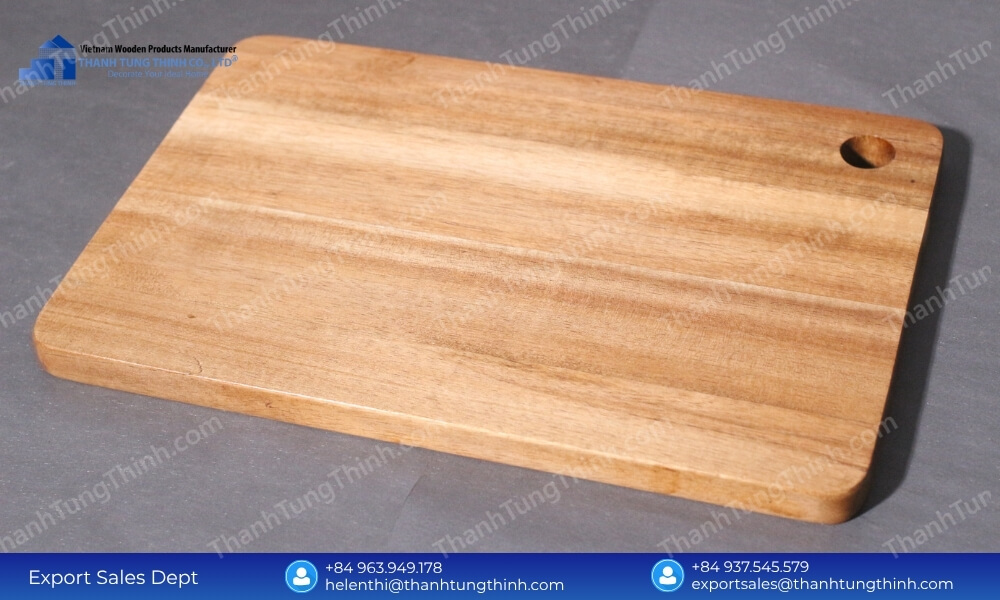
The Daily Maintenance Protocol: Wash and Dry Your Board the Right Way
To ensure your premium wooden board remains in flawless condition, daily discipline is essential. The vast majority of structural damage occurs during post-cooking cleanup. Following a strict, standard operational procedure (SOP) after every single food preparation session will protect the wood from moisture-related degradation.
Step 1: Immediate Hand Washing After Food Prep
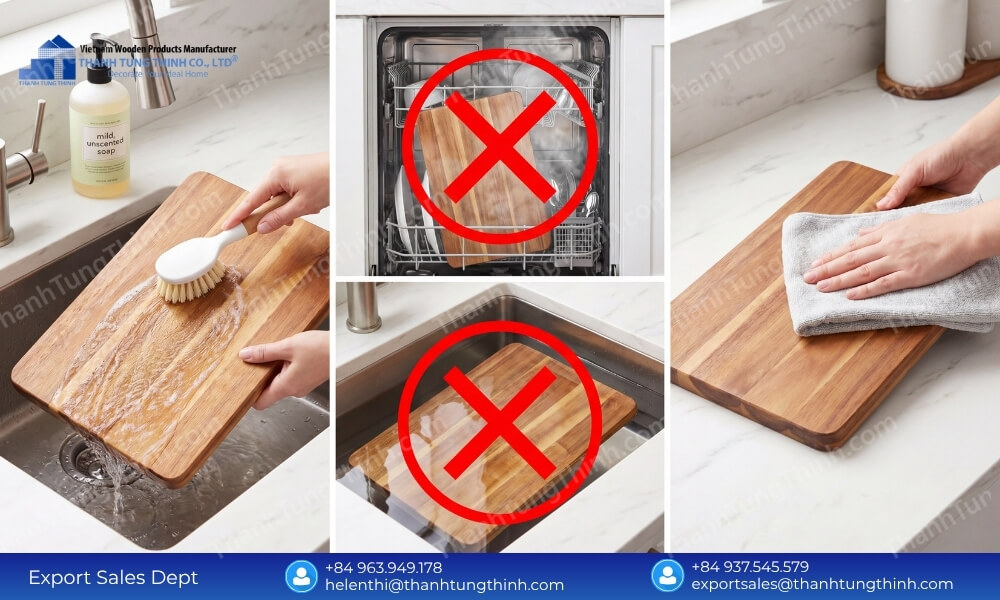
The moment your chopping tasks are complete, carry your acacia wood cutting board directly to the sink. Wash both the front and back surfaces by hand using lukewarm water and a minimal amount of mild, plant-based, fragrance-free dish soap. Never expose natural hardwood to boiling hot water, as excessive thermal shock can break down the natural protective waxes hidden inside the acacia wood grain.
Step 2: Avoid the Ultimate Kitchen Taboos
There are two critical errors that can instantly ruin a high-quality wooden board. First, never under any circumstances place a wooden cutting board inside a dishwasher. The intense, prolonged heat cycles and highly abrasive chemical detergents inside a dishwasher will completely dissolve the food-safe assembly glues and warp the wood within a single cycle.
Second, never submerge or leave your board to soak in a sink filled with standing water, as the wood will act like a sponge, absorbing excessive moisture and expanding unevenly.
Step 3: Complete Towel Blotting
After rinsing away all soap residues, use a clean, dry, lint-free microfiber towel to firmly blot away all remaining surface water. Removing standing water immediately prevents the wood from staying wet for too long, which is a primary trigger for grain raising, dullness, and mold spore colonization.
Step 4: Vertical Air-Drying is Mandatory
Once blotted dry, stand your board completely upright on its edge, propped against your kitchen backsplash or placed inside a dedicated vertical dish rack. Never lay a wet wooden board flat on a solid countertop surface.
When a board is dried flat, moisture gets trapped underneath it, causing the bottom face to expand while the exposed top face contracts. This structural imbalance is the leading cause of board bowing. Drying it vertically ensures equal airflow across both sides, forcing the wood to dry at a completely uniform rate.
Deep Cleansing and Natural Deodorization: Protecting the Acacia Grain
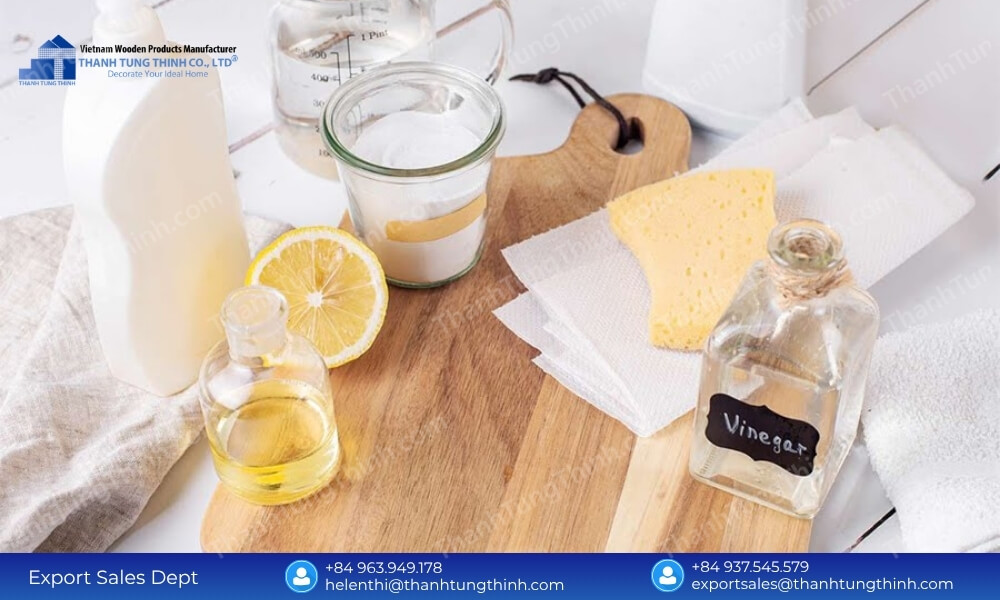
Even with immaculate daily washing habits, an active kitchen will occasionally encounter pungent, high-pigment ingredients like crushed garlic, red onions, raw seafood, and vibrant beets. Over time, these organic juices can leave behind stubborn surface stains and deep-seated odors that standard dish soap cannot fully remove. When your board requires a refresh, turn to non-toxic kitchen staples to deep clean the grain safely.
The Lemon and Coarse Salt Exfoliation Method
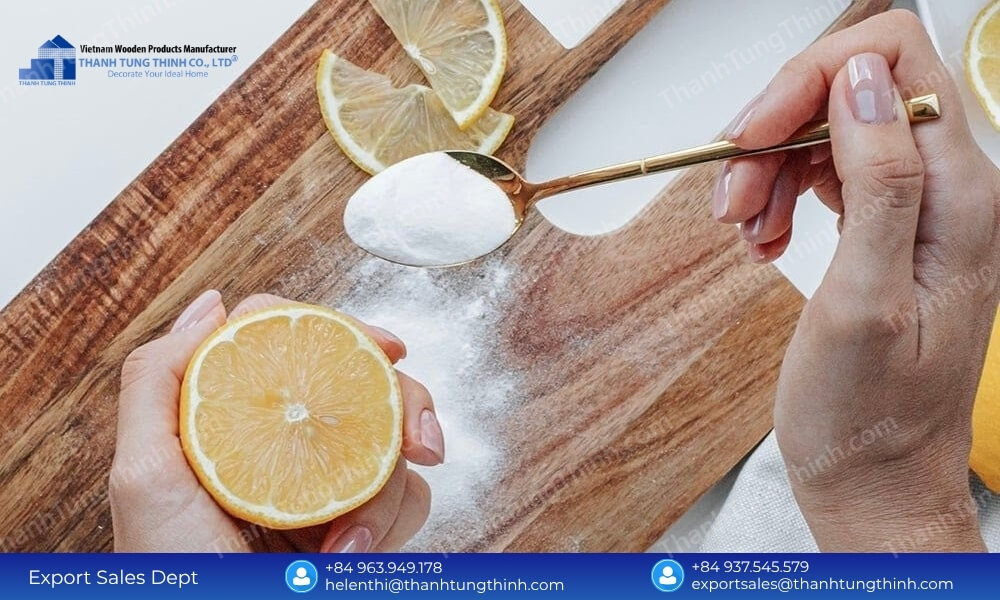
When studying how to care for an acacia wood cutting board naturally, the combination of fresh lemon juice and coarse sea salt is highly effective. Lemon juice contains natural citric acid, which serves as a mild disinfectant and organic bleaching agent to lift deep vegetable stains. Meanwhile, coarse salt acts as a gentle, non-destructive abrasive that deep-cleans the knife scores without scratching the hardwood surface.
To perform this method, ensure your acacia wood cutting board is dry. Sprinkle a generous, even layer of coarse kosher or sea salt across the entire surface. Slice a fresh lemon in half, press one half firmly down onto the salted surface, and scrub the board thoroughly in circular motions. Squeeze the lemon gently as you move to release its juices, creating a thick, reactive slurry.
Let this mixture rest on the wood for 10 to 15 minutes, allowing the salt to pull out embedded organic residues. Finally, use a clean bench scraper to remove the discolored paste, rinse the board under cool water, and dry it vertically.
Neutralizing Stubborn Food Odors with Baking Soda
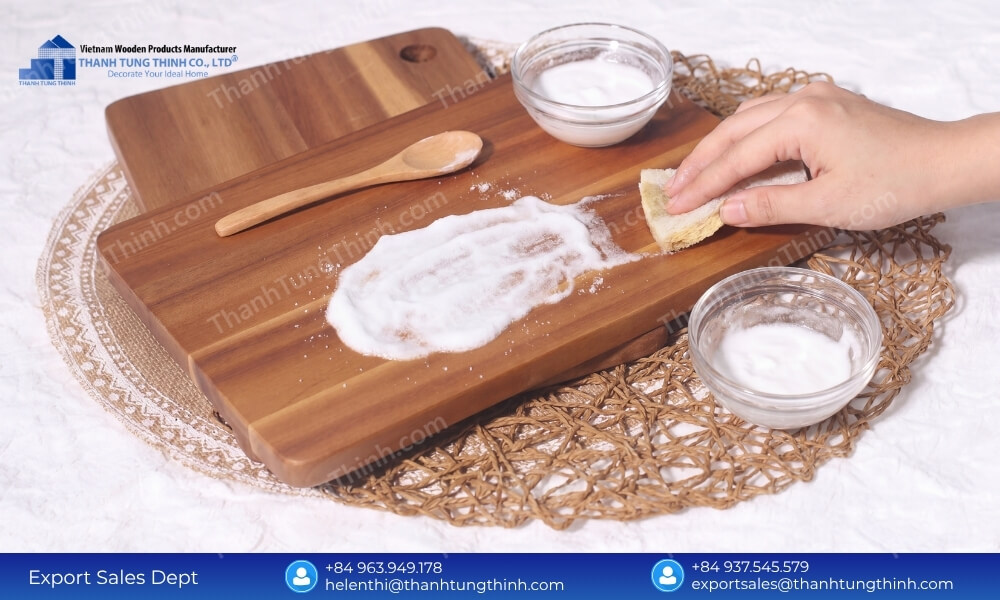
If your board retains a strong, undesirable aroma after prepping raw proteins, baking soda (sodium bicarbonate) offers an exceptional, eco-friendly solution. Baking soda is a natural amphoteric deodorizer, meaning it chemically neutralizes both highly acidic and highly alkaline odor molecules rather than simply masking them.
Create a smooth paste by mixing two tablespoons of pure baking soda with one tablespoon of filtered water. Spread this paste directly over the aromatic zones of your acacia wood cutting board. Let the compound sit for 5 to 8 minutes to draw out trapped volatile organic compounds. Wipe the paste away with a damp sponge, give it a quick rinse, and allow the board to air-dry completely.
The Core of Long-Term Preservation: Oil Seasoning and Conditioning
If daily washing is the defense, oil seasoning is the ultimate offense. Washing strips away natural barriers; regularly replenishing these oils creates a deep, hydrophobic barrier that seals pores and forces water to bead up instantly, ensuring long-term structural stability.
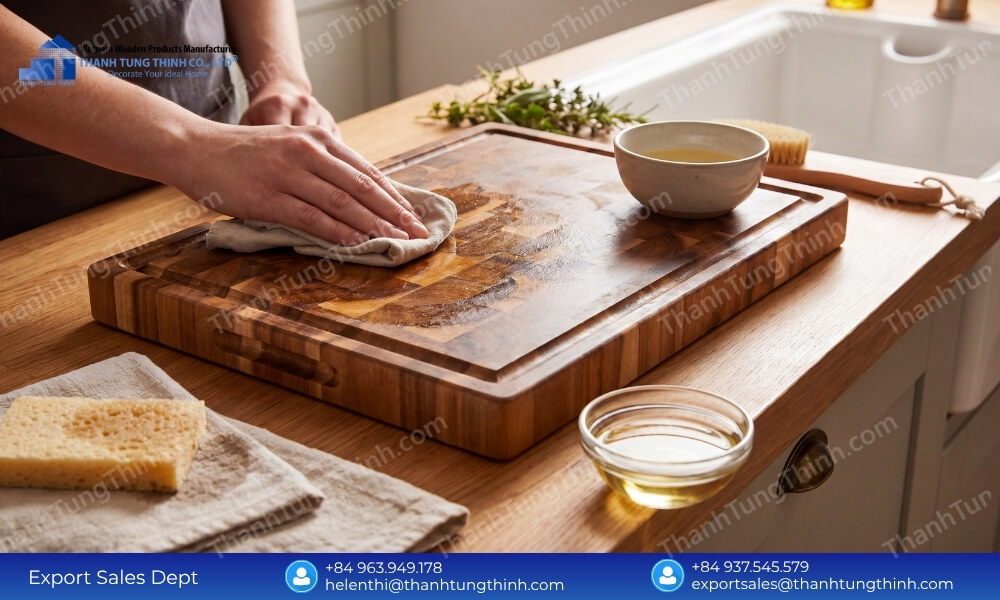
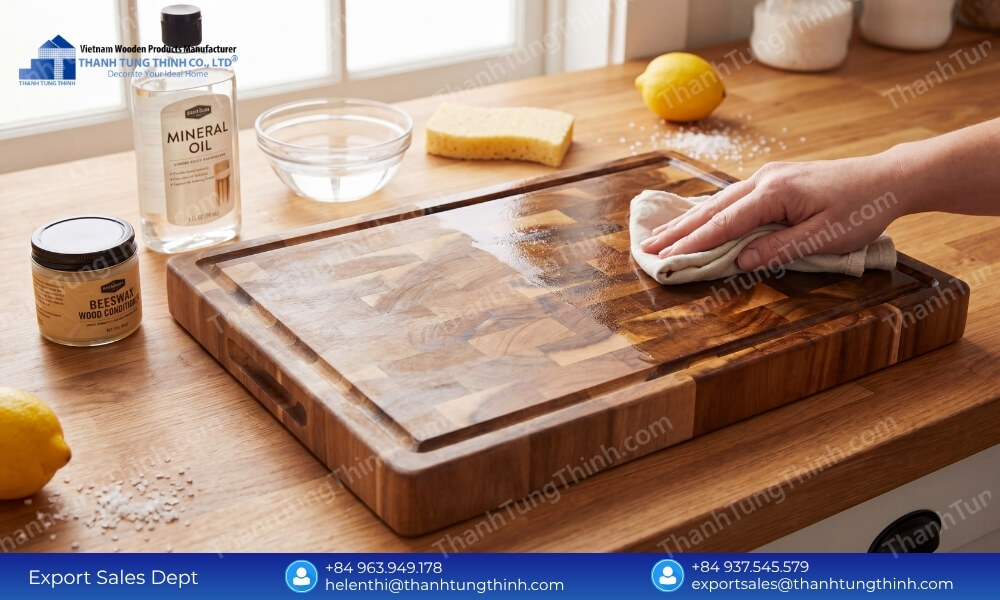
When learning how to care for an acacia wood cutting board, never use cooking oils like olive or vegetable oil, which oxidize and turn rancid. Instead, choose stable, food-grade mineral oil, pure beeswax formulations, or fractionated coconut oil.
To oil your acacia wood cutting board properly, ensure it has dried for 24 hours. Pour mineral oil onto the center, spread it across all surfaces with a clean cloth following the grain, and let it absorb for 4 to 8 hours. Finally, buff away excess oil to restore a rich, glowing luster and deep liquid protection.
Partner with a World-Class Sustainable Acacia Wood Cutting Board Manufacturer
Understanding how to care for an acacia wood cutting board ensures your kitchen essentials last a lifetime. For bulk buyers and global sourcing managers, providing clientele with exceptional wood starts with partnering with a top-tier manufacturing facility.
This is exactly why international B2B procurement professionals trust Thanh Tung Thinh as their primary manufacturing partner in Vietnam. Specializing in high-end, sustainable wooden kitchenware, Thanh Tung Thinh produces premium acacia wood cutting board collections utilizing advanced computerized kiln-drying chambers to reduce internal moisture to a stable 8% to 12% range before assembly.
Furthermore, they use exclusively 100% FDA-approved, non-toxic, formaldehyde-free glues and pure, food-safe oils. Contact Thanh Tung Thinh today to request factory samples, discuss custom OEM/ODM specifications, and partner with a reliable manufacturer dedicated to quality, safety, and commercial success.
📩 Email: [email protected]
🌐 Website: https://thanhtungthinh.com/
📌 Pinterest: https://www.pinterest.com/THATUWOOD/
📌 Youtube: https://www.youtube.com/@thanhtungthinhmanufacturer
📌 Facebook: https://www.facebook.com/thanhtungthinh
📌 Linkedin: https://www.linkedin.com/company/thanh-tung-thinh-co-ltd
Comprehensive Q&A: Everything You Need to Know About Acacia Wood Care
- Can I use hydrogen peroxide to sanitize my acacia wood cutting board?
Yes, 3% food-grade hydrogen peroxide is an excellent eco-friendly sanitizer. It effectively kills bacteria through oxidation and breaks down into water and oxygen, making it completely non-toxic for kitchen use.
- How do I know exactly when my acacia wood cutting board needs oiling?
Sprinkle a few drops of water onto the dry surface of the board. If the water beads up, your oil barrier is intact; if the water sinks into the wood, it needs oiling.
- What should I do if my wooden cutting board develops small black mold spots?
Scrub the mold spots vigorously with a thick paste of baking soda and white vinegar using a stiff brush. Rinse, dry completely, mist with hydrogen peroxide to kill remaining spores, and re-oil the surface immediately.
- Why did my acacia wood board start to bow or warp after only a few weeks?
Bowing is caused by uneven moisture absorption, usually from letting the board soak in a sink or drying it flat on a counter. Always wash your board quickly and dry it upright to prevent warping.
- Is it normal for a brand new acacia wood cutting board to feel slightly rough after its first wash?
Yes, this is called “raising the grain,” where loose wood fibers swell and stand upright upon contact with water. Simply sand the dry surface with 220-grit sandpaper and re-apply conditioning oil to restore a smooth finish.
- Can I use standard liquid dish soap every single day on my wooden board?
Yes, you can use a mild, plant-based, fragrance-free dish soap daily. Avoid harsh chemical detergents or grease-strippers, as they will dry out the natural wood fibers faster.
- How long does a premium acacia wood cutting board typically last if properly maintained?
With regular hand washing, proper upright drying, and monthly oil conditioning, a high-quality acacia board can easily last several decades, often serving as a functional heirloom passed down through generations.
- Why does Thanh Tung Thinh utilize specialized kiln-drying processes for their acacia boards?
Computerized kiln-drying reduces the internal moisture of raw timber to a perfect, stable 8% to 12% range. This prevents the wood from warping, cracking, or splitting when exposed to different seasonal climates worldwide.

