


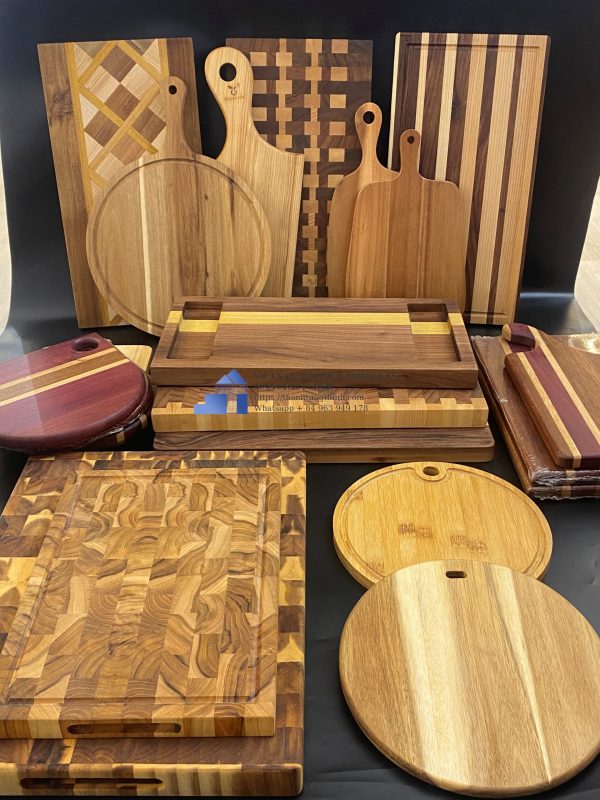
Wooden chopping boards are no longer just kitchen essentials – they have become style statements, eco-friendly choices, and profitable items for both households and hospitality businesses. In 2025, as more consumers lean toward natural, sustainable, and premium kitchenware, wooden chopping boards are standing out as must-have items that blend functionality with aesthetics. This article will give you insights into why wooden chopping boards are redefining modern kitchens and why now is the perfect time to embrace this trend.
Table of Contents
Introduction
In every kitchen, the chopping board is one of the most frequently used tools, yet it’s often overlooked in terms of its impact on cooking and dining experiences. Over the years, however, chopping boards have undergone a transformation from being purely utilitarian to becoming symbols of style, sustainability, and quality craftsmanship. Among the wide range of options available, wooden chopping boards have taken center stage, reshaping both home kitchens and professional culinary spaces.
The rise in popularity of wooden chopping boards can be attributed to a combination of factors: consumer demand for eco-friendly kitchenware, the appeal of natural aesthetics, and the need for durable, long-lasting tools that withstand daily use. From upscale restaurants that use handcrafted boards for serving to modern households looking for versatile, stylish options, the demand is steadily increasing worldwide.
As we enter 2025, the role of chopping boards is expanding beyond simple food preparation. They now serve as multi-functional pieces that combine practicality, hygiene, and design elegance. Whether for cutting, serving, or presenting food in a premium dining setting, wooden chopping boards are cementing their place as a must-have item in every modern kitchen.
Transformation into Wooden Kitchenware – Market Overview & Consumer Preferences
The kitchenware market has seen a significant transformation in recent years, with consumers shifting from synthetic materials like plastic or composite boards toward natural and eco-friendly alternatives. At the forefront of this change are wooden chopping boards, which have become a staple in both retail and hospitality industries.
Rising Demand for Sustainable Kitchenware
Over the past decade, kitchens around the world have undergone a quiet but powerful transformation. Once dominated by plastic and synthetic tools, the modern kitchen is increasingly embracing wooden kitchenware, with wooden chopping boards at the forefront of this movement. This shift isn’t just about aesthetics—it reflects deeper consumer preferences for sustainability, durability, and premium experiences.

Recent research highlights the size and momentum of this market. According to Dataintelo (2023), the global wooden tableware market, which includes wooden chopping boards, was valued at USD 4.5 billion in 2023 and is projected to grow to USD 7.8 billion by 2032, with a steady CAGR of 6.2%. Similarly, IndexBox (2024) reported that the U.S. wood tableware and kitchenware market alone is expected to grow at about 3.1% CAGR through 2035, reaching nearly USD 611 million. These numbers confirm that the demand for wooden kitchen products—especially chopping boards—is not just a fleeting trend but a long-term consumer shift.
Read more: “USA’s Wood Tableware and Kitchenware Market Poised for Steady Growth with 3.1% CAGR”
What’s driving this surge?
Sustainability is a critical factor. A McKinsey & NielsenIQ study showed that products making ESG (environmental, social, and governance) claims experienced 28% higher sales growth over five years compared to those without such claims. This means that when businesses offer wooden chopping boards made from FSC-certified wood, they are directly tapping into the rising demand for eco-friendly alternatives.
At the same time, consumers are willing to pay more for quality and sustainability. A PwC Global Consumer Insights Survey (2024) found that 80% of consumers are prepared to pay a premium—on average nearly 10% more—for sustainably sourced goods. For retailers and hospitality operators, this makes custom wooden chopping boards not only a practical choice but also a profitable one, enabling upselling and premium positioning in the marketplace.
In short, the transformation toward wooden kitchenware is being powered by both hard economics and emotional consumer appeal. For home cooks, wooden chopping boards add natural beauty and durability to daily meal preparation. For businesses in retail, F&B, and hospitality, they represent a way to align with consumer values while unlocking higher margins and long-term loyalty.
Top 6 Benefits of Using Wooden Chopping Boards in Your Kitchen
In an era of high-tech kitchen gadgets and synthetic materials, the enduring presence of the wooden chopping board is a testament to its unparalleled utility and charm. More than a simple cutting surface, it is a foundational tool that enhances your cooking experience, protects your investments, and aligns with a conscious lifestyle. While plastic boards crack and glass boards shatter, a quality wooden chopping board only improves with age, developing a character and patina that tells the story of countless meals prepared. Let’s delve into the six key benefits that make this classic kitchen essential a non-negotiable for modern home chefs and hospitality professionals alike.
Unmatched Durability That Outlasts Plastic Alternatives
The disposable nature of plastic cutting boards makes them a false economy. They are prone to deep knife scars that harbor bacteria, and they often warp in the dishwasher or fade and become brittle over time. A wooden chopping board, crafted from dense hardwoods like maple, walnut, or acacia, is engineered for a lifetime of service.
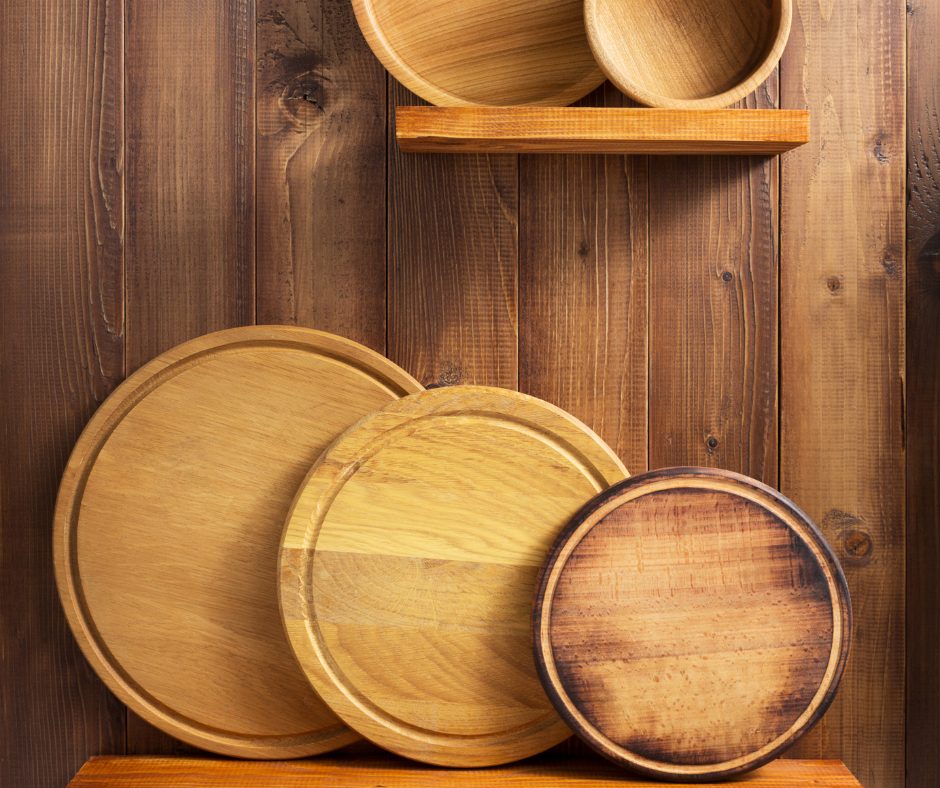
- The Science of Strength: Hardwoods have a tight grain structure and natural resins that make them incredibly resilient to impact and daily wear. This structural integrity means they won’t bend or warp under normal conditions.
- Self-Healing Properties: Especially in end-grain construction, the wood fibers have a natural ability to slightly close back up after a knife cut. This minimizes the appearance of deep grooves over time, a common failure point in plastic boards.
- Long-Term Value: While the initial investment in a solid wooden chopping board may be higher than a flimsy plastic set, its decades-long lifespan makes it the far more economical and sustainable choice. It’s a one-time purchase that pays for itself many times over.
Gentle on Knives – Preserving Your Culinary Tools
Your knives are among your most important and expensive kitchen investments. Protecting their sharpness is paramount for both safety and performance. Glass, ceramic, and hard plastic boards are notoriously abrasive, causing micro-dulling of the knife’s fine edge with every chop. This not only degrades performance but also requires more frequent and aggressive sharpening, which shortens the lifespan of your blades.
- The “Give” Factor: Wood provides a slightly yielding surface that absorbs the impact of the knife blade. This gentle cushioning effect prevents the sharp edge from becoming prematurely blunt.
- A Chef’s Secret: This is precisely why you’ll find thick wooden chopping boards in professional kitchens worldwide. Chefs rely on razor-sharp knives for precision, and they trust wood to maintain that edge throughout a busy service. Using a wood board means less time spent on sharpening and more time enjoying effortless, precise cuts.
Natural Antibacterial Properties for Enhanced Food Safety
The misconception that plastic is more hygienic than wood is one of the most persistent kitchen myths. Scientific evidence, including a landmark study from the University of California-Davis, has proven otherwise. The research found that wood possesses natural antimicrobial properties that plastic lacks.

- How It Works: When bacteria like Salmonella or E. coli come into contact with a wooden surface, they are drawn into the board’s capillaries by capillary action. Once inside, they become trapped and ultimately die off, unable to multiply on the surface.
- The Plastic Problem: In contrast, knife scars on plastic boards create deep, difficult-to-clean grooves where bacteria can thrive. While plastic can be sanitized in a dishwasher, the deep grooves often remain contaminated.
- Proper Care is Key: To maximize this benefit, proper cleaning is essential. Washing with warm, soapy water immediately after use and regularly oiling your wooden chopping board with food-grade mineral oil creates a protective barrier that maintains its hygienic properties.
The Eco-Friendly & Sustainable Choice for the Conscious Consumer
As consumers become increasingly aware of their environmental footprint, the choice of kitchenware reflects a broader value system. Wooden chopping boards are a clear winner in the sustainability arena.
- Biodegradable and Renewable: At the end of its long life, a wood board will naturally decompose, returning to the earth without leaving behind microplastics or toxic residues. Wood is a renewable resource, especially when sourced responsibly.
- Look for Certifications: Choosing a board made with FSC (Forest Stewardship Council) certified wood ensures it comes from forests that are managed to preserve biodiversity and benefit local communities. This makes your purchase a vote for responsible forestry practices.
- Reducing Kitchen Waste: By investing in a durable product, you actively combat the culture of disposable consumer goods, reducing the waste that ends up in landfills.
Timeless Aesthetic Appeal That Elevates Any Kitchen
Read more: “Custom Wooden Cutting Boards: Stylish & Profitable Designs for Your Business 2025”
A wooden chopping board is the workhorse of the kitchen that also happens to be a stunning design element. Its organic warmth and natural beauty add a touch of elegance to any countertop, seamlessly blending with rustic, modern, farmhouse, or minimalist decor.
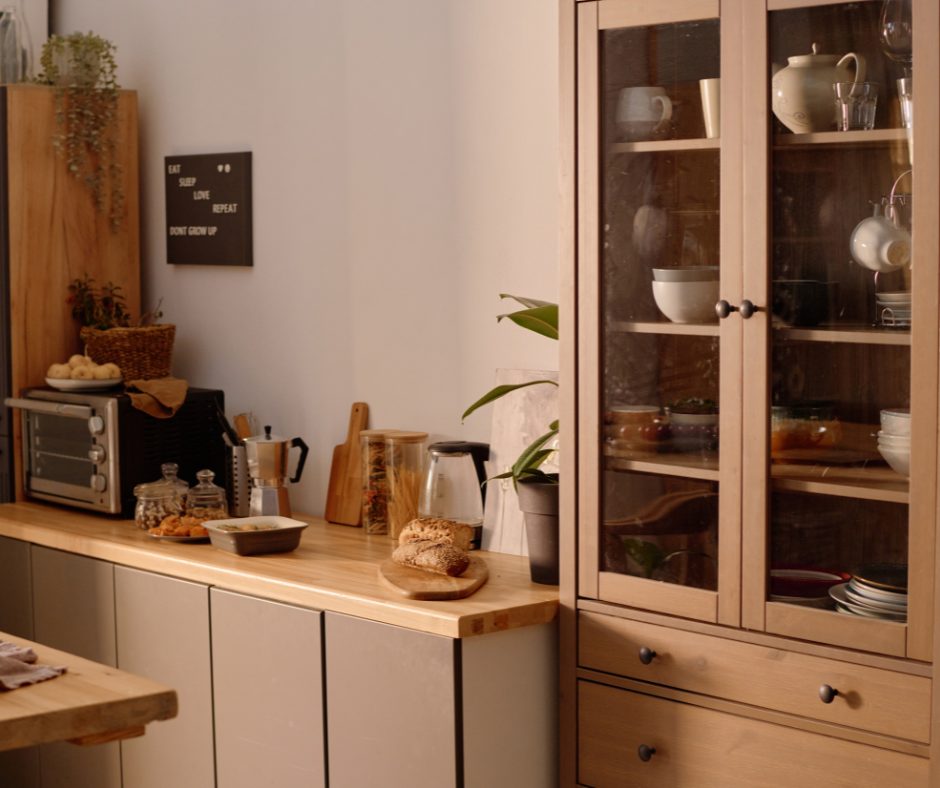
- Natural Artistry: Each board is unique, with its own grain patterns, knots, and color variations. It brings a piece of nature into your home, creating a warm and inviting atmosphere.
- From Prep to Presentation: Their aesthetic versatility is unmatched. A beautiful wooden chopping board effortlessly transitions from a functional prep surface to a sophisticated serving platter for artisan cheeses, freshly baked bread, or charcuterie. This “farm-to-table” presentation is a major trend in both home entertaining and the hospitality industry.
Multi-Functional Versatility Beyond Basic Food Prep
The utility of a wooden chopping board extends far beyond dicing onions and mincing garlic. Its solidity and beautiful appearance make it an incredibly versatile tool in the kitchen and beyond.
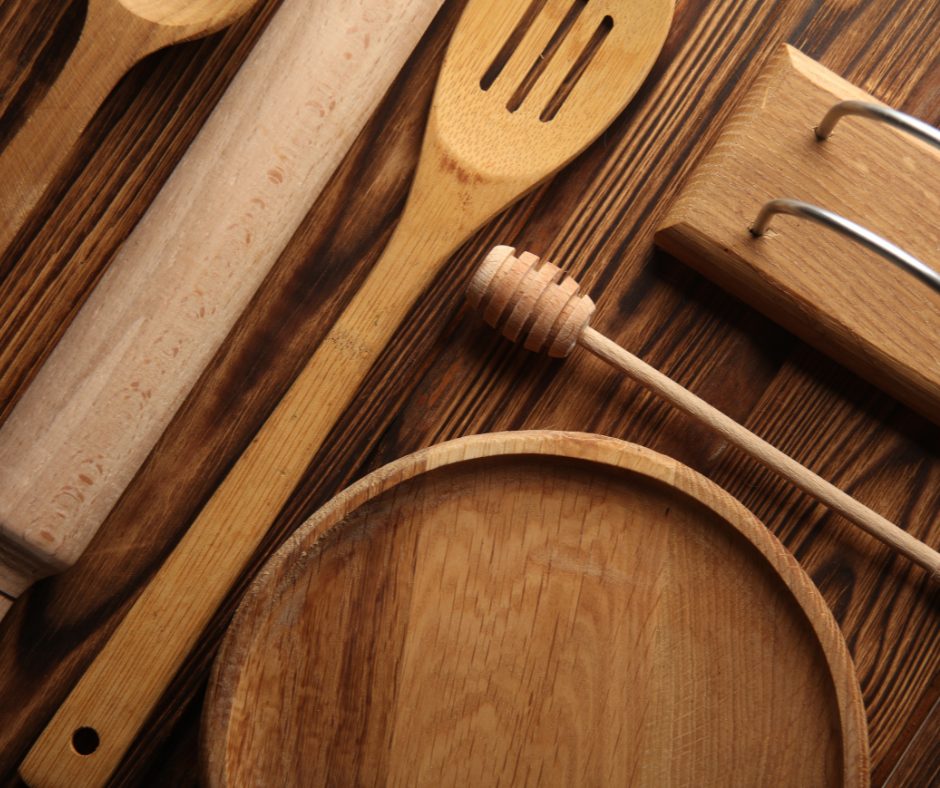
- The Ultimate Serving Platter: As mentioned, it is perfect for creating stunning, Instagram-worthy cheese and charcuterie boards. Its large, flat surface is ideal for arranging a variety of items.
- A Protective Surface: Use it as a trivet to protect your dining table from hot pots, pans, and casserole dishes straight from the oven.
- A Kitchen Staple: Many home cooks keep a smaller board dedicated to slicing citrus or crushing garlic, ensuring flavors don’t transfer. In hospitality, they are indispensable for room service presentations and in-room amenity displays.
In conclusion, the wooden chopping board is a synthesis of form and function. It is a durable protector of your tools, a natural guardian of your health, a sustainable choice for the planet, and a beautiful accent that elevates every culinary activity. It is not just a must-have item; it is the heart of a well-loved kitchen.
Key Qualities to Select the Right Wooden Chopping Boards for Your Kitchen Space
Not all wooden chopping boards are created equal. Choosing the right one can make the difference between a stylish, durable kitchen tool and a board that warps or cracks within months. For homeowners, chefs, and hospitality operators, understanding what to look for ensures your investment pays off in both performance and aesthetics.
Safe and Durable Material – Hardwood Is King
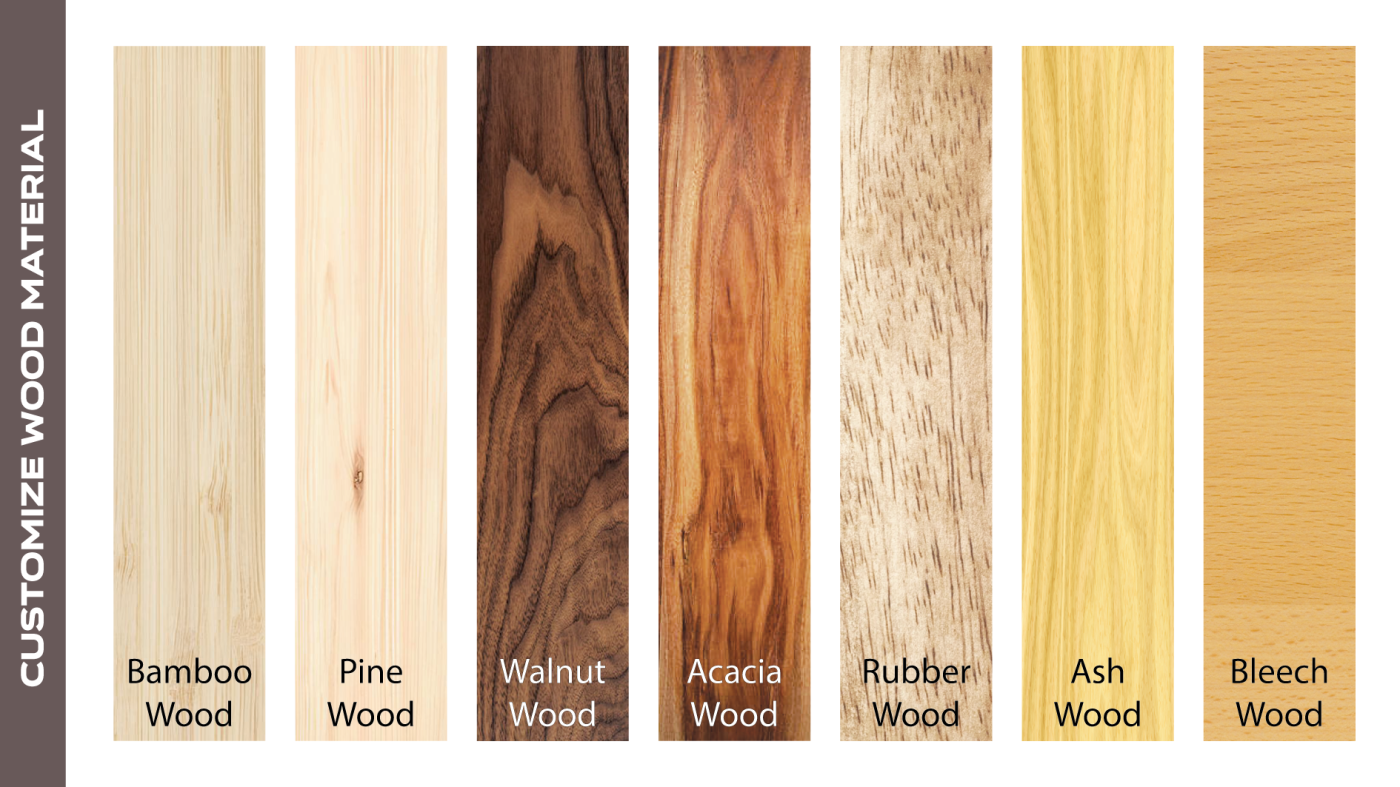
The foundation of any quality wooden chopping board is the wood itself. Durable hardwoods such as teak, maple, walnut, and acacia are considered the gold standard. They are dense enough to resist knife marks but still gentle on blades. Softwoods, on the other hand, tend to wear quickly and are more prone to absorbing moisture. When shopping for wooden chopping boards, prioritize hardwood options that balance durability with food safety.
| Teak | Maple | Acacia | Walnut |
| Naturally rich in oils, making it water-resistant and less prone to cracking. | Extremely hard yet smooth, popular among professional chefs. | Affordable, durable, and available in a variety of grains and finishes. | Elegant and dark-toned, offering both premium aesthetics and long-lasting durability. |
Food Safety Certifications
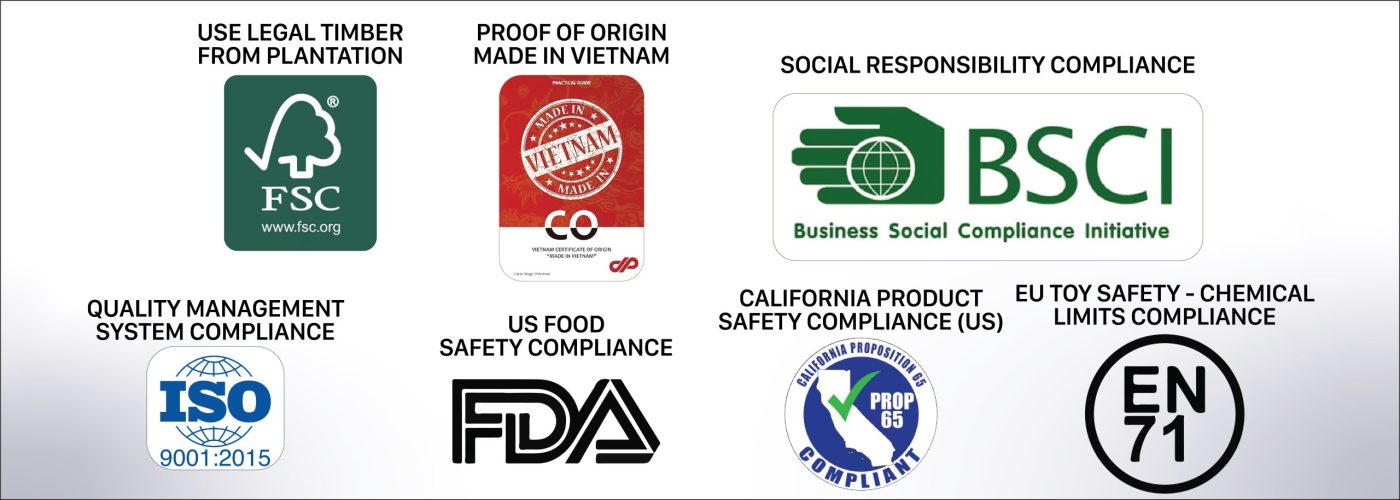
Food contact safety is non-negotiable, especially for businesses. Look for wooden chopping boards that comply with international standards such as FDA (U.S.), LFGB (Europe), or certifications proving non-toxic finishing oils. FSC certification also signals that the wood was responsibly sourced. A supplier that provides certified products not only ensures safety but also aligns with the growing demand for sustainable kitchenware.
Thickness and Stability
Thin, lightweight boards might be cheaper, but they’re more likely to warp or slip during use. The best wooden chopping boards typically range from 1 to 2 inches thick, providing stability on the counter and resistance to bending under pressure. Boards with built-in anti-slip grips or handles further improve safety, especially in busy hospitality kitchens.
Customization & Aesthetic Fit
In modern kitchens, functionality is only half the story—style matters. Wooden chopping boards come in a variety of finishes, edge profiles, and grain patterns. Some suppliers offer OEM/ODM customization, allowing restaurants, hotels, or retailers to engrave logos, create unique shapes, or match boards to specific brand aesthetics. For homeowners, choosing a board that complements your kitchen décor can transform it from a utility item into a statement piece.
Easy Maintenance & Longevity
One of the best features of wooden chopping boards is their ability to improve with age when properly cared for. However, not all boards are equally easy to maintain. Look for boards that are pre-treated with mineral oil or beeswax for extra resistance against water absorption. Always avoid boards coated with toxic varnishes that may chip over time. A well-maintained board only needs periodic oiling to stay in excellent condition for years.
By focusing on these five qualities—durable hardwood, food safety certification, stability, customization, and easy maintenance—buyers can confidently select wooden chopping boards that combine practicality with style, ensuring maximum value whether for home use, retail, or professional kitchens.
Where to Buy Trusted Wooden Chopping Boards
Finding a reliable source for wooden chopping boards is just as important as selecting the right material or design. The market is full of suppliers, but not all offer the consistency, safety, and customization needed for long-term value. Whether you are a hotel purchasing in bulk, a retailer stocking shelves, or a homeowner investing in quality kitchenware, here are the best options to consider.
Specialized Wooden Kitchenware Manufacturers
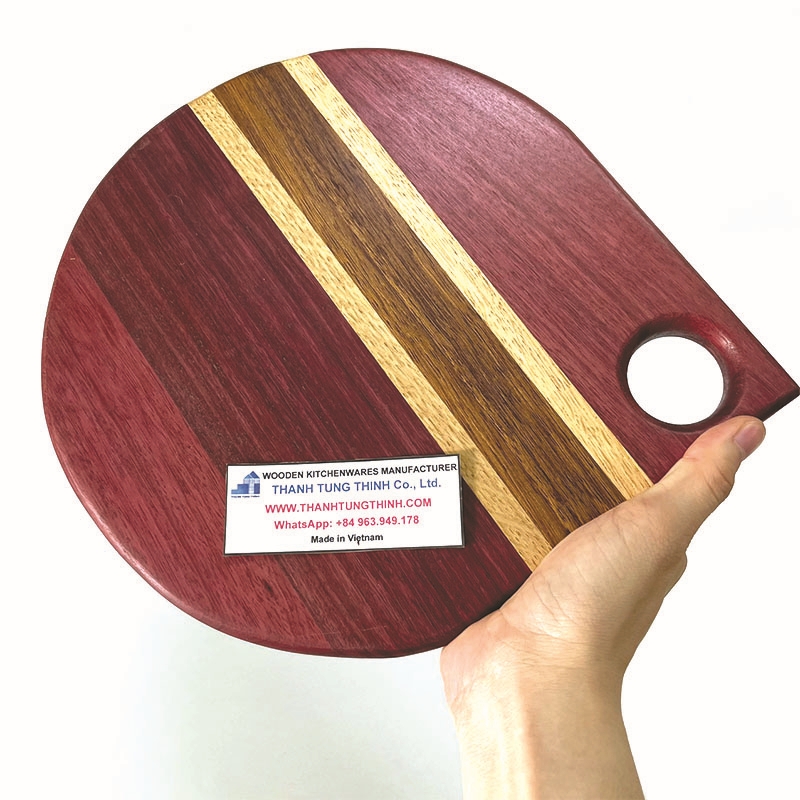
The most reliable way to source wooden chopping boards is through specialized manufacturers with proven expertise in wooden kitchenware. These companies usually have years of experience, FSC certifications, and export records that guarantee both quality and compliance. Many also offer OEM/ODM customization services, allowing businesses to engrave logos, select premium finishes, and design unique board shapes that fit their brand identity.
Wholesale Marketplaces & Distributors
For businesses that prioritize volume and variety, wholesale marketplaces remain a popular option. Platforms like Alibaba, Global Sources, or direct partnerships with distributors allow hotels, restaurants, and retailers to purchase wooden chopping boards in bulk at competitive prices. However, the challenge here is ensuring product quality and verifying certifications, as not all wholesale sellers maintain strict safety or sustainability standards.
Local Craft Workshops & Artisans
Boutique hotels and premium restaurants often seek distinctive wooden chopping boards that double as décor pieces. Local artisans and woodworking shops provide unique, handcrafted boards with natural grain patterns and personalized details. While prices may be higher compared to mass production, these boards offer exclusivity and craftsmanship that appeal strongly to luxury hospitality clients.
Retailers & Online Stores for Home Buyers
For individual customers, trusted retailers like Williams Sonoma, Sur La Table, or online platforms such as Amazon and Etsy provide a wide range of wooden chopping boards. These options are ideal for homeowners who want stylish yet functional kitchen essentials without needing wholesale quantities. Customer reviews, brand reputation, and return policies play an important role in selecting the right product online.
Direct-from-Factory Advantage for Hospitality & Retail Chains
Large-scale hospitality businesses and retail brands benefit the most from working directly with factories. By bypassing middlemen, businesses can secure factory-direct pricing, flexible minimum order quantities (MOQs), and better quality control over wooden chopping boards. Reliable factories not only provide customization but also handle export logistics, ensuring smooth delivery to international markets.
Conclusion: Wooden Chopping Boards – The Essential Kitchenware for 2025
As kitchens evolve into lifestyle spaces, the demand for high-quality, sustainable, and stylish kitchen tools continues to grow. Among them, wooden chopping boards have proven to be a timeless essential—valued not only for their durability and food safety but also for the warmth and natural elegance they bring to the kitchen.
For homeowners, they provide an everyday cooking tool that is safer and longer-lasting than plastic alternatives. For hospitality brands and retailers, wooden chopping boards represent a profitable product line that enhances dining experiences, reinforces brand identity, and appeals to eco-conscious customers.
The key lies in sourcing from a trusted supplier who can guarantee certified wood, customization options, and reliable quality at scale. This is where Thanh Tung Thinh stands out. With over 14 years of experience in manufacturing and exporting wooden chopping boards and other wooden kitchenware, Thanh Tung Thinh provides:
- FSC-certified, eco-friendly materials ensuring sustainability and food safety.
- OEM/ODM customization for logos, finishes, and sizes tailored to brands.
- Factory-direct pricing and flexible MOQs for both boutique hotels and global chains.
- Proven logistics expertise with exports to 25+ international markets.
In 2025 and beyond, wooden chopping boards are more than just kitchen essentials – they are profitable, sustainable, and symbolic of modern culinary culture. Partnering with a trusted manufacturer like Thanh Tung Thinh allows businesses to stay ahead of consumer trends while delivering both quality and value.
Contact info
Head Office and Showroom: No. 227 To Hien Thanh St, W13, District 10, Ho Chi Minh city, Vietnam.
Phone number: +84 963.949.178
Email: [email protected]
Or
Phone number: +84 937.545.579
Email: [email protected]
Website: https://thanhtungthinh.com

