


Table of Contents
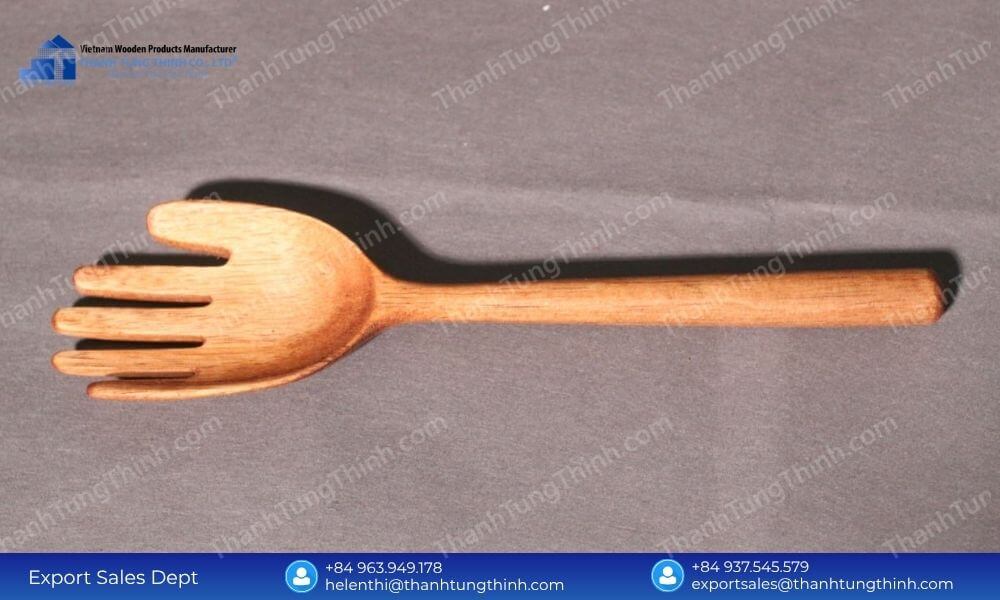
The unprecedented surge in global demand for eco-friendly single-use tableware has made procuring sustainable alternatives a core operational necessity for fast-food chains, airline caterers, and wholesalers, yet transitioning from plastic to timber introduces structural challenges due to natural wood grain variances, moisture absorption, and snapping or splintering vulnerabilities.
To eliminate these risks and safeguard the brand reputation of global B2B buyers against costly product recalls or damaged corporate credibility, high-capacity manufacturing facilities must enforce a rigorous, scientifically validated wooden forks strength testing protocol. Addressing this need, Thanh Tung Thinh, a premier industrial-scale manufacturer in Vietnam, integrates state-of-the-art mechanical structural validation frameworks directly into its automated assembly lines.
The Industrial Crucial Need for Rigorous Cutlery Validation
Operating a high-capacity industrial production line requires a profound understanding of natural material science, particularly because wood is an anisotropic material whose mechanical properties vary significantly depending on the physical orientation of the grain. To overcome natural material grain inconsistencies where diagonal wood fibers can drastically drop a utensil’s mechanical resistance, factories utilize an industrial-grade wooden strength testing system as an automated quality gatekeeper.
By systematically subjecting production line samples to controlled physical pressure, this proactive mechanical screening instantly identifies raw material anomalies or cutting defects before packing, completely eliminating the risk of brittle products entering the market.
Ultimately, this data-driven workflow protects brand integrity for global B2B distributors and airline hospitality providers handling massive bulk shipments, providing verifiable engineering proof that the inventory can withstand standard operational forces to prevent customer complaints, structural failures, or potential safety liabilities from wooden splinters.
High-Capacity Production Lines and Mechanical Stress Testing Integration
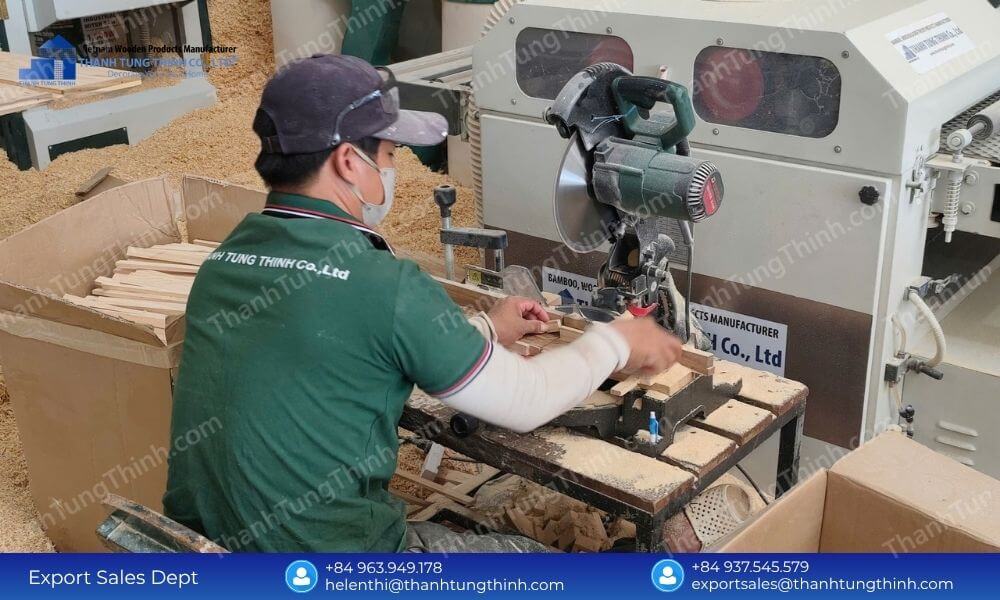
True industrial efficiency relies on the seamless integration of quality assurance checking systems directly into high-speed manufacturing environments, which Thanh Tung Thinh achieves by embedding quality control within its automated workflows rather than treating it as a post-production afterthought.
To maintain an output exceeding millions of pieces per month while ensuring flawless structural durability, the factory utilizes advanced automated testing stations where random samples are loaded into pneumatic rigs.
This specialized wooden forks strength testing apparatus applies precise, incremental loads to specific stress points of the wooden forks to measure structural deformation and record the maximum fracture force, sending real-time mechanical performance metrics to database systems to ensure compliance with international mechanical safety standards.
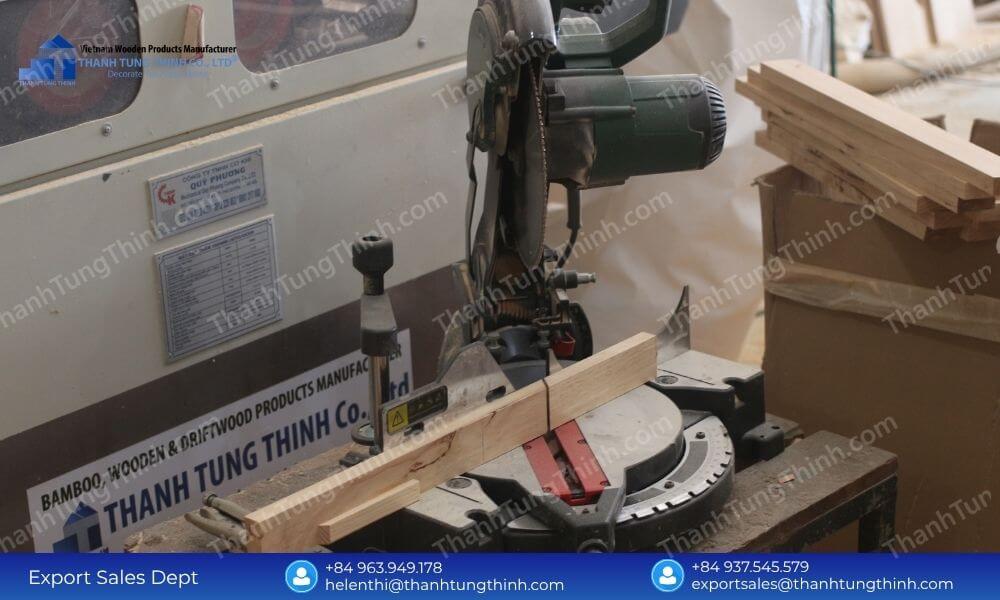
Furthermore, these continuous wooden forks strength testing loops allow production engineers to calibrate fiber alignment and milling precision; any sudden drop in the break-resistance of the tines alerts the automated system to pause the milling line for immediate blade calibration, completely preventing microscopic structural faults caused by misaligned or dull die-cutters.
Moisture Management and Thermal Conditioning Dynamics
Because wood is highly hygroscopic, variations in environmental moisture directly alter the physical elasticity and tensile performance of finished wooden cutlery. To counter these effects, Thanh Tung Thinh utilizes computerized thermal kilns to cure raw wood veneers to a precise moisture window of 7% to 11%, preventing both the mold formation caused by high moisture and the brittle shattering caused by over-drying.
Immediate wooden forks strength testing validations are performed before and after this thermal conditioning process to confirm that moisture reduction has optimized the wood’s internal cellular bonds for maximum structural flexural strength. Additionally, the factory applies a microscopic, food-safe, non-toxic plant wax coating to serve as a hydrophobic barrier that prevents moisture absorption during consumer use.
To guarantee these break-resistant properties under intense conditions, sample units undergo advanced wooden forks strength testing audits involving a continuous 15-minute submersion in boiling water followed by immediate mechanical load testing.
Large-Scale B2B Supply Chain Optimization and Packaging Integrity
For international high-volume buyers, procurement efficiency relies on a manufacturer’s capacity to ship massive product volumes safely across global oceans without degrading structural quality.
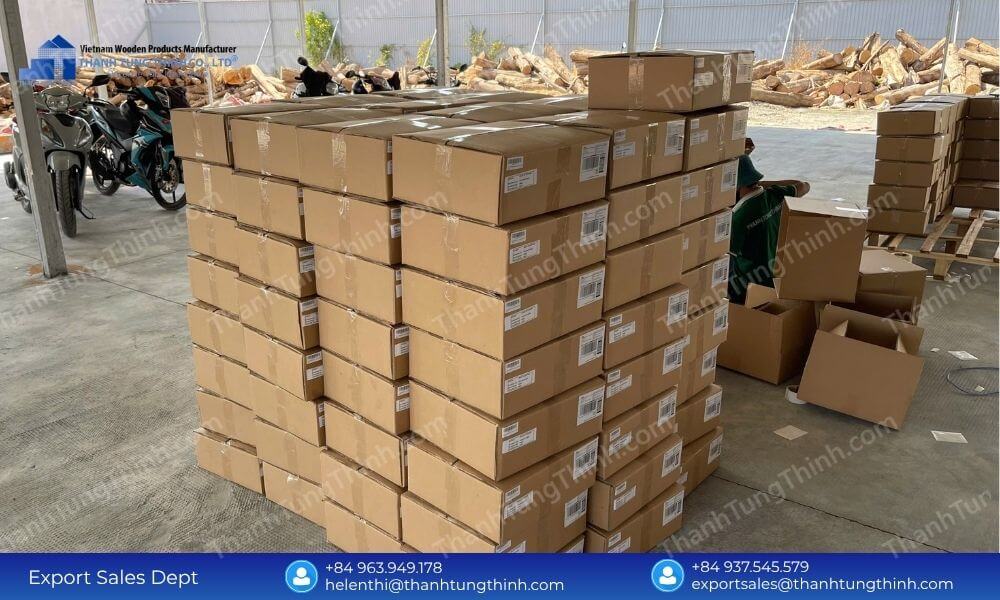
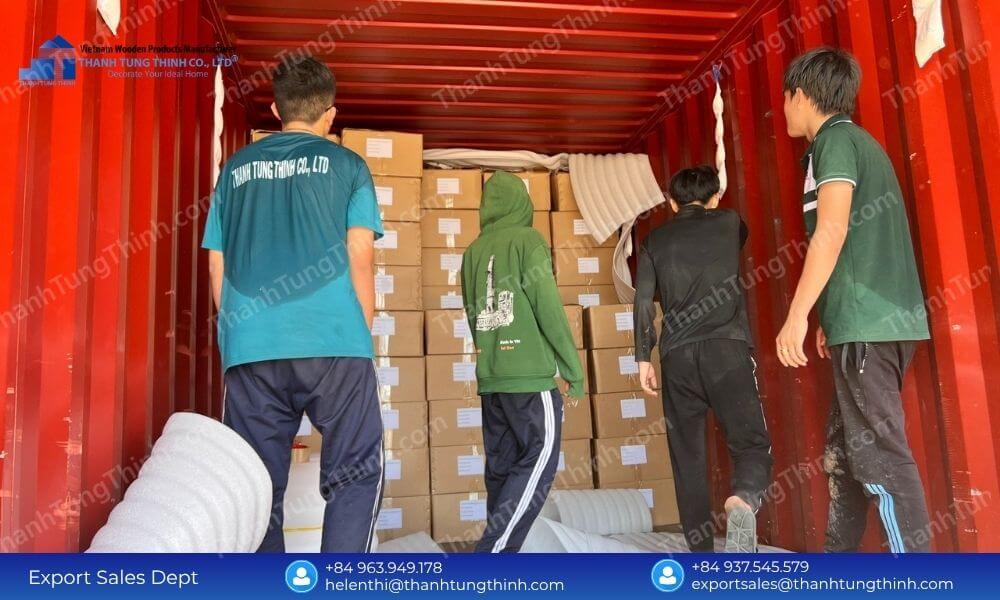
- Optimized FCL Spatial Arrangement: We prioritize Full Container Load (FCL) shipping, utilizing custom software to calculate high-density carton stacking within 20ft and 40ft High Cube containers. Packing the cartons tightly prevents shifting during maritime transport, eliminating structural stress on the items inside.
- Heavy-Duty Double-Walled Moisture Barriers: Our master cartons feature multi-layered corrugated structures combined with internal polyethylene linings. This specialized industrial outer packaging shields the cargo from the extreme humidity of ocean trade routes, ensuring the products remain dry and strong.
- Comprehensive Phytosanitary Border Compliance: Every export shipment undergoes strict heat treatments and international fumigation protocols. We provide all necessary global customs documentation, ensuring zero administrative delays at international arrival ports.
A reliable wooden forks strength testing program must extend past the individual product and evaluate the master shipping packaging itself. In our industrial warehouse bays, fully packed master cartons containing thousands of wooden forks are placed under heavy industrial compression testers. This equipment replicates the immense weight forces experienced at the bottom of a fully loaded ocean shipping container.
Verifying that our master packaging can easily withstand heavy vertical compression forces ensures that the individual wooden items inside are never crushed or micro-fractured during long-distance maritime transit.
Sustainable Material Sourcing and Compliance Certifications
In the modern B2B marketplace, Thanh Tung Thinh pairs structural performance with strict environmental ethics by ensuring its single-use inventory is legally, sustainably produced, and thoroughly certified. Operating under a strict Forest Stewardship Council (FSC) Chain of Custody certification, the company traces all raw timber back to legally managed, rapid-growth commercial plantations, ensuring its procurement never contributes to deforestation while satisfying green laws in the EU and North American markets.
Furthermore, beyond utilizing advanced wooden forks strength testing for structural durability, the finished cutlery lines undergo rigorous laboratory screening to guarantee full compliance with FDA, LFGB, and EU food-safety directives. The non-toxic coatings and natural wood fibers are certified free from heavy metals, chemical bleaching agents, and formaldehydes, delivering a product that is both mechanically verified and completely safe for consumer health.
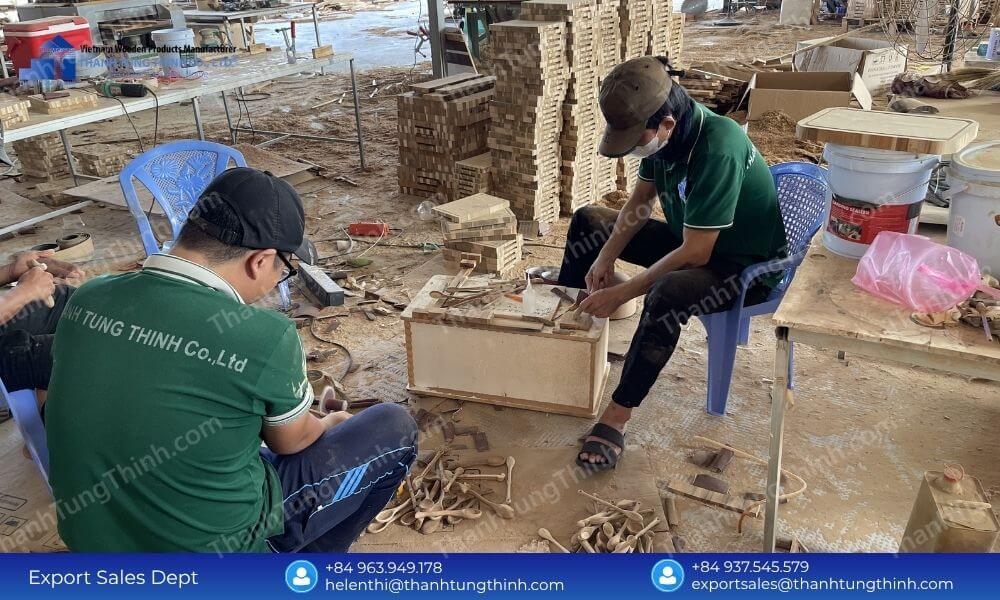
Streamlined Milestone Manufacturing for B2B Wholesale Contracts
To ensure complete clarity and operational efficiency for our overseas commercial clients, we execute all bulk manufacturing contracts under a transparent, data-driven production roadmap.
- Blueprint Configuration and Structural Optimization
The commercial partnership begins with a thorough evaluation of your required tool dimensions, length profiles, and tine configurations. Our engineering department uses advanced CAD models to optimize the structural thickness of the utensil, maximizing its resistance based on raw material grain characteristics.
- Prototyping and Initial Mechanical Benchmarking
Before activating high-capacity industrial assembly lines, our prototyping division produces a physical pilot run of the custom design. These initial units are subjected to a comprehensive wooden forks strength testing matrix, allowing us to establish a clear mechanical performance benchmark and make necessary adjustments prior to mass manufacturing.
- Mass Automated Production and Continuous Quality Audits
Upon receiving your formal prototype approval, we activate our primary high-speed manufacturing lines. Raw timber is rapidly sliced, stamped, shaped, and polished through automated sequences. Quality control technicians conduct mandatory inline wooden forks strength testing checks every 30 minutes to guarantee absolute uniformity across the entire production lot.
- Automated Sorting and High-Density Container Loading
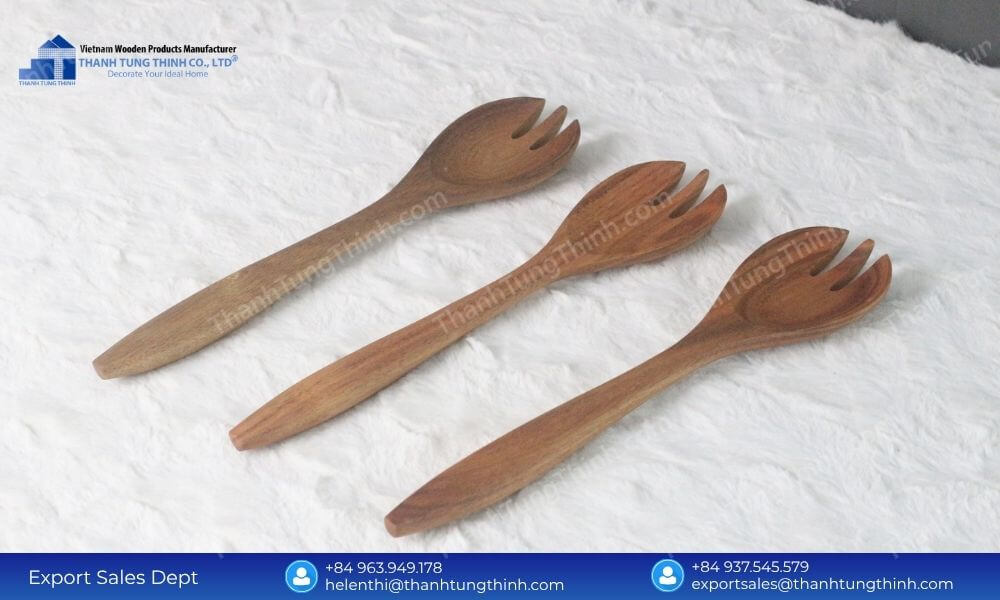
Finished, quality-approved wooden forks are routed through automated optical sorting machines that filter out any visual blemishes. The items are then counted, packed into protective inner boxes, and sealed within heavy-duty master export cartons before being loaded into FCL containers for direct maritime dispatch.
Elevate Your Procurement Quality with Thanh Tung Thinh
Securing a high-volume manufacturing partner that combines massive industrial output with scientific mechanical verification is the key to conquering the eco-friendly single-use tableware market. Thanh Tung Thinh delivers an unmatched combination of heavy production capacity, verified material sustainability, and strict, data-driven quality engineering.
We warmly welcome international procurement directors, global B2B wholesalers, airline catering buyers, and major fast-food distributors to establish a resilient, highly profitable supply chain with us. Our dedicated, English-fluent international corporate sales division is fully prepared to provide complete technical consultations, rapid volume pricing structures, and comprehensive sample testing schedules tailored to your precise operational timeline.
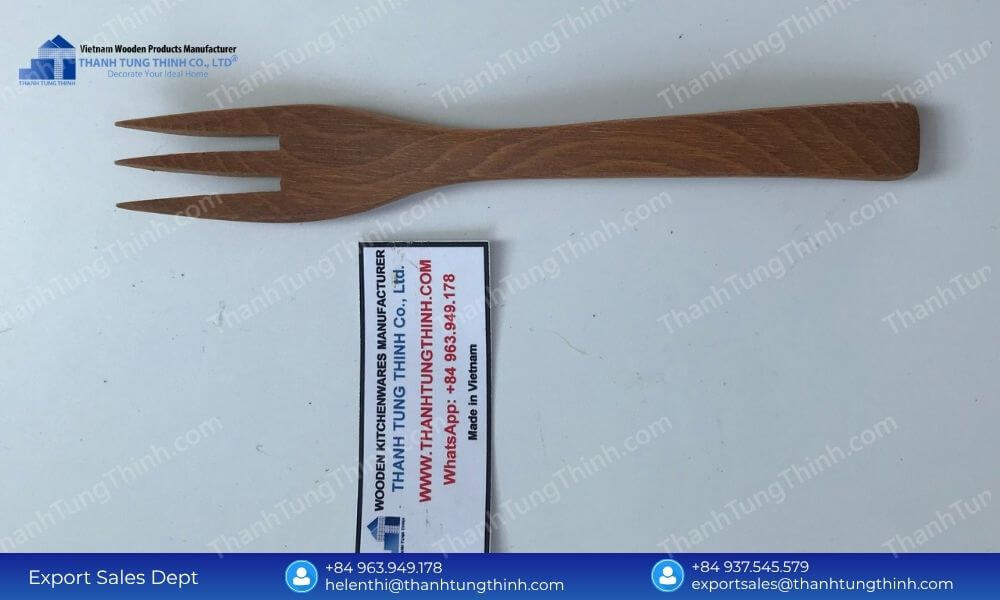
Contact us today to secure your dedicated factory production capacity and discover the exceptional reliability of a true industrial manufacturing leader who prioritizes rigorous wooden forks strength testing to deliver the finest eco-friendly tableware on the global market.
📩 Email: [email protected]
🌐 Website: https://thanhtungthinh.com/
📌 Pinterest: https://www.pinterest.com/THATUWOOD/
📌 Youtube: https://www.youtube.com/@thanhtungthinhmanufacturer
📌 Facebook: https://www.facebook.com/thanhtungthinh
📌 Linkedin: https://www.linkedin.com/company/thanh-tung-thinh-co-ltd
Read more:
- Your Long-Term Mass Production Wooden Forks Organizers Partner
- Wholesale Wood Cutlery: How Vietnam Combines Craftsmanship and Cost Efficiency, Massive Profit for U.S market
Frequently Asked Questions (Q&A)
1. Why is a specific wooden forks strength testing protocol required for high-capacity industrial cutlery lines?
Unlike synthetic plastics which possess uniform structural properties, natural timber features natural grain variations, organic growth rings, and varying moisture levels that can create hidden structural weaknesses. Implementing a rigorous, automated testing protocol allows high-capacity lines to immediately identify and isolate weak or defective batches, ensuring that every shipped utensil delivers uniform break-resistance during commercial use.
2. What is the minimum mechanical force that your wooden forks can withstand before fracturing?
Under our standardized quality control testing frameworks, our industrial-grade forks are engineered and verified to withstand a minimum lateral tine force of 15 Newtons and a vertical handle flexural load of 35 Newtons. This high mechanical threshold ensures that the utensils can easily pierce and handle dense or heavy food items without any risk of snapping or splintering.
3. How does your factory manage moisture levels to prevent the wood from becoming too brittle?
We utilize advanced computer-controlled thermal kiln drying systems to systematically lower the internal moisture content of our raw wood veneers to an exact operational window of 7% to 11%. This scientifically calculated moisture range alters the cellular structure of the timber, providing the perfect balance between material flexibility and tensile strength while preventing brittleness.
4. Are the coatings used to enhance the wood’s moisture resistance completely safe for food contact?
Yes, all surface treatments and hydrophobic coatings applied at our manufacturing facility are 100% natural, non-toxic, allergen-free, and plant-based. Our finished products undergo strict independent laboratory assessments to ensure full compliance with FDA and European Union food-contact regulations, making them completely safe for hot and cold culinary applications.
5. Can your factory manufacture custom geometric designs and custom lengths for B2B wholesale orders?
Absolutely. Our engineering department operates advanced multi-axis CNC tooling and customizable automated stamping machinery. We can easily adjust the structural thickness, length, and tine geometry of the utensils to perfectly match your brand’s specific aesthetic requirements and functional performance criteria.
6. What types of raw timber species does your factory use to ensure optimal cutlery durability?
We source our raw materials exclusively from legally managed, rapid-growth commercial plantations, focusing primarily on high-density White Birchwood and premium Birch varieties. These specific wood species are selected because they possess dense, straight grain patterns and excellent natural tensile properties, making them the ideal raw material for durable single-use tableware.
7. How does your company protect bulk shipments of wooden cutlery against humidity during ocean transit?
We enforce a comprehensive, multi-layered export packaging standard to shield our cargo from maritime humidity. Every batch of utensils is sealed inside internal polyethylene moisture-barrier bags before being packed into heavy-duty, double-walled corrugated master cartons, which are then packed into tightly sealed Full Container Load (FCL) configurations.
8. Is it possible for international buyers to receive comprehensive strength testing reports prior to shipping?
Yes, we practice complete operational transparency with all our global B2B wholesale partners. We compile detailed mechanical performance data and strength testing analysis sheets for every production run, and these official quality control certificates are provided directly to your procurement team along with standard export customs documentation.

