


Table of Contents
In today’s global market, sustainability claims are no longer enough-buyers demand proof. Fully traceable sustainable wood manufacturing has become a critical standard for brands seeking transparency, compliance, and long-term supply chain reliability. At Thanh Tung Thinh, traceability is built into every stage of production, connecting responsibly managed plantations directly to controlled factory manufacturing.
This article will guide you through how a true farm-to-factory model works, why it matters for global buyers, and how fully traceable wood manufacturing creates measurable value beyond certifications. Read on to understand how transparency, sustainability, and manufacturing expertise come together to support smarter sourcing decisions and sustainable business growth.
Fully Traceable Sustainable Wood Manufacturing Explained
Fully traceable sustainable wood manufacturing refers to an end-to-end production model where every stage of the wood lifecycle is documented, verified, and transparent. From forest management and harvesting to processing and final manufacturing, each step is recorded to ensure responsible sourcing and ethical production practices.
For professional buyers and decision-makers, this approach provides more than environmental reassurance. It delivers operational clarity, regulatory confidence, and measurable proof that wood products originate from legal, sustainable, and well-managed sources within a controlled farm-to-factory system.
Definition of a Fully Traceable Wood Supply Chain
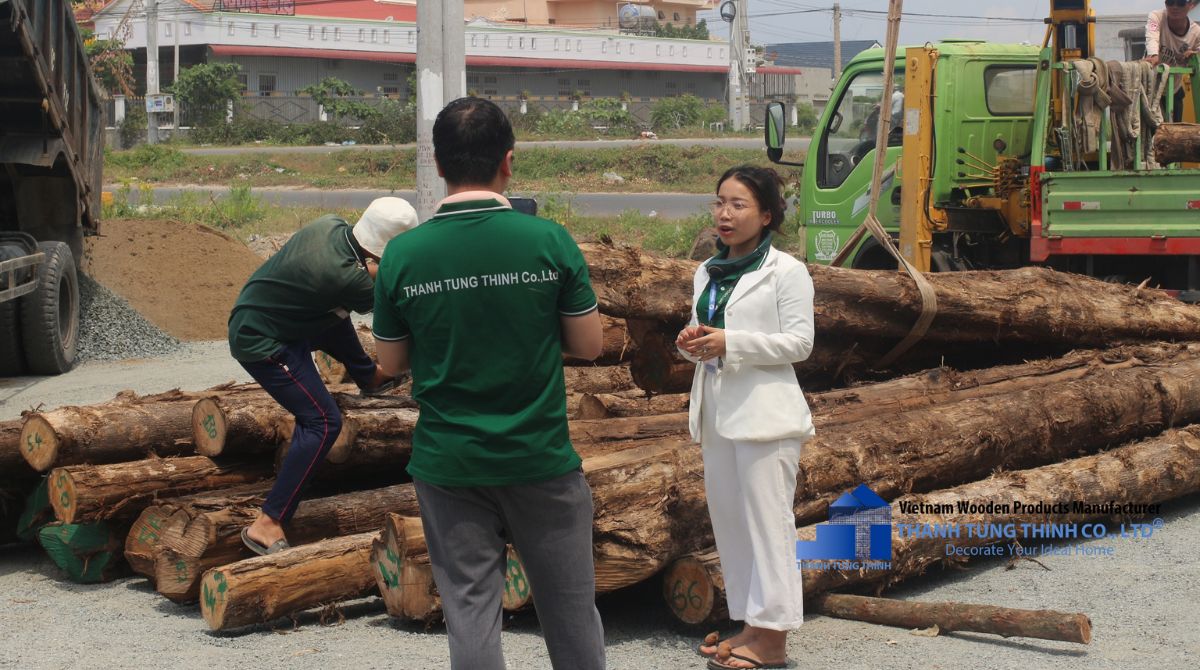
A fully traceable wood supply chain allows manufacturers and buyers to identify the exact origin of raw materials and follow them through every production stage. This includes plantation data, harvesting records, transportation logs, processing batches, and finished product outputs.
Comprehensive documentation, material tracking systems, and centralized data management ensure transparency and accuracy. This level of traceability enables consistent quality control, faster issue resolution, and full visibility across the entire sustainable wood manufacturing process.
Difference Between Sustainable Claims and Verified Traceability
Sustainable claims often rely on general statements or internal standards that are difficult to validate. While these claims may indicate good intentions, they lack the evidence required to satisfy regulatory bodies and professional buyers.
Verified traceability goes further by incorporating third-party audits, chain-of-custody certification, and formal record-keeping. This accountability ensures measurable data, independent verification, and compliance with international standards to back sustainability claims.
Fully Traceable Sustainable Wood Manufacturing From Farm to Factory
Fully traceable, sustainable wood manufacturing from farm to factory ensures that raw materials are responsibly sourced and continuously monitored before entering the production line. This integrated model connects plantation management directly with manufacturing operations, reducing uncertainty and eliminating gaps in the supply chain.
For professional buyers, the farm-to-factory approach delivers operational reliability and risk control. It ensures that sustainability, legality, and quality standards are maintained consistently from the point of origin through to finished wood products.

Wood Sourcing at Certified and Managed Plantations
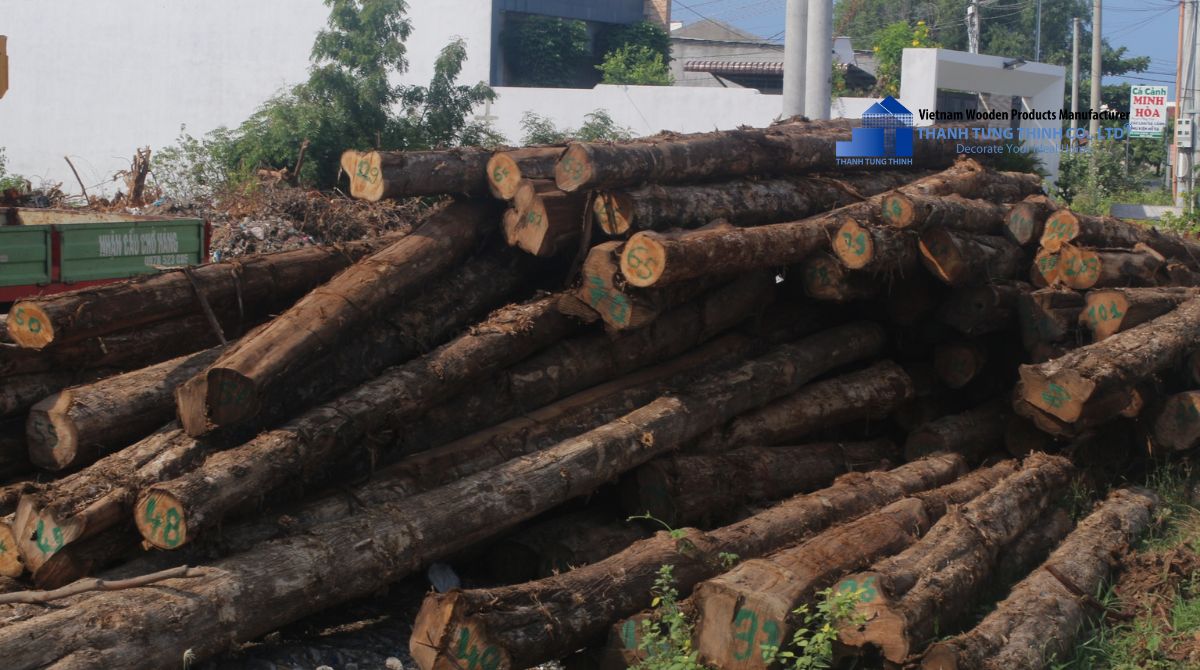
Wood sourcing begins at certified and well-managed plantations where responsible forestry practices are strictly applied. These practices include legal harvesting, controlled cutting volumes, and adherence to environmental and labor regulations to protect ecosystems and local communities.
Long-term resource planning and structured replanting cycles ensure continuous raw material availability without depleting forest resources. This approach supports sustainable yield management while maintaining a stable and predictable supply for large-scale wood manufacturing.
Controlled Transportation and Material Chain of Custody
After harvesting, wood is tracked throughout transportation and storage using documented chain-of-custody systems. Each shipment is identified, recorded, and monitored to maintain traceability and prevent material substitution or loss.
Controlled handling processes protect material integrity while minimizing waste and damage. By maintaining clear records at every logistics stage, manufacturers ensure full traceability and accountability within the sustainable wood supply chain.
Sustainable Sourcing for Traceable Wood Manufacturing
Sustainable wood sourcing is the starting point of fully traceable sustainable wood manufacturing, as traceability cannot exist without responsible forest management. Before any manufacturing process begins, the origin of raw materials must be clearly identified, legally verified, and sustainably managed to ensure long-term viability.
By embedding sustainability at the sourcing stage, manufacturers create a transparent and controllable supply chain. This foundation supports consistent quality, regulatory compliance, and reliable production while reducing environmental and operational risks for global buyers.
Responsible Forestry and Environmental Protection
Responsible forestry focuses on protecting biodiversity, maintaining soil health, and conserving water resources throughout the harvesting process. Controlled logging practices, selective cutting, and habitat preservation help maintain ecological balance and prevent long-term environmental degradation.
Effective forestry management is directly linked to long-term supply stability. By preserving forest health and planning harvesting cycles responsibly, manufacturers can secure a continuous and predictable wood supply without exhausting natural resources.
Certified Sustainable Wood Standards and Compliance
Certified sustainable wood standards such as FSC, PEFC, and equivalent systems provide third-party verification of responsible sourcing practices. These certifications ensure that wood originates from legally managed forests that meet strict environmental, social, and economic criteria.
For global buyers, certifications offer assurance and credibility. They simplify regulatory compliance, reduce due diligence risks, and demonstrate a manufacturer’s commitment to transparency, sustainability, and fully traceable wood manufacturing practices.
Read more: Sustainable Wood Manufacturing and Sourcing
Transparent Manufacturing in Fully Traceable Sustainable Wood Manufacturing
Transparent manufacturing is a core component of fully traceable sustainable wood manufacturing, ensuring that traceability continues seamlessly once raw materials enter the factory. Every production stage is designed to maintain visibility, control, and accountability across the entire manufacturing workflow.
For professional buyers, factory-level transparency provides confidence that certified materials are handled correctly and that sustainability commitments are upheld throughout production, not just at the sourcing stage.

Material Segregation and Batch-Level Traceability
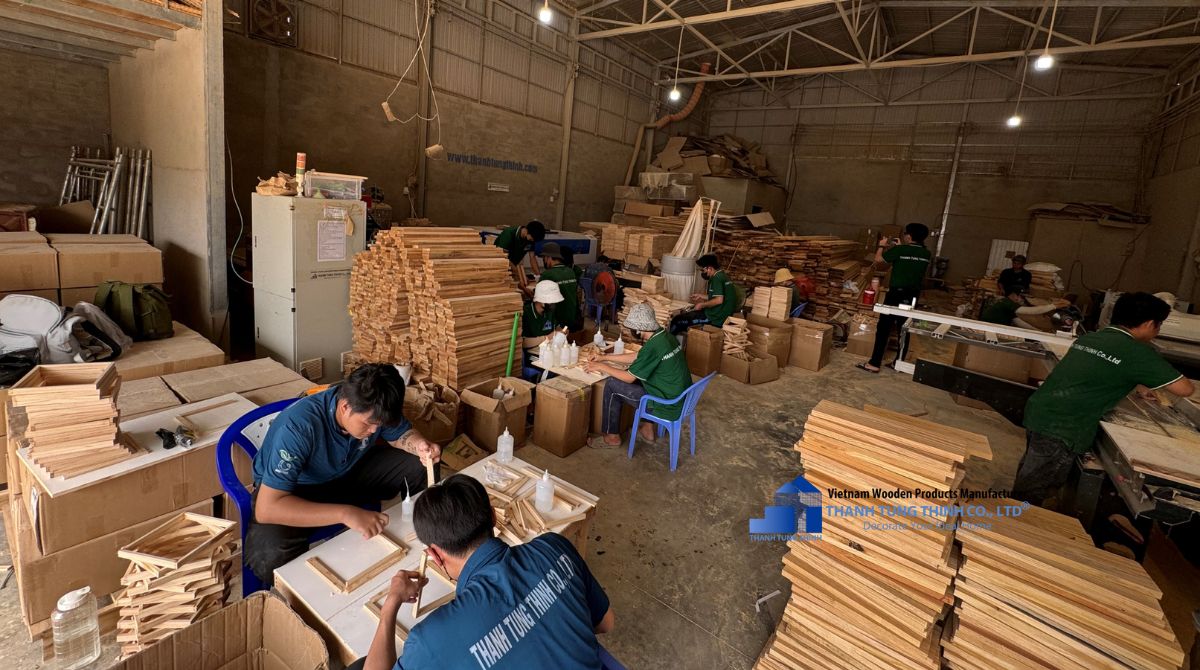
Certified wood is clearly segregated from non-certified materials upon arrival at the factory to prevent cross-contamination. Each batch is labeled, recorded, and tracked through cutting, drying, machining, and finishing processes to maintain full material traceability.
Batch-level traceability allows manufacturers to identify the origin and processing history of every product. This visibility supports quality assurance, simplifies audits, and ensures compliance with sustainable wood manufacturing standards.
Process Documentation and Internal Quality Controls
Standard operating procedures (SOPs) govern each manufacturing step to ensure consistency and repeatability. Defined inspection points and documented workflows help monitor quality, safety, and environmental compliance throughout production.
Regular process audits and internal controls reinforce accountability at every level of operation. By maintaining detailed records and performance benchmarks, manufacturers demonstrate transparency, reliability, and long-term commitment to fully traceable wood production.
Quality Assurance Enabled by Fully Traceable Sustainable Wood Manufacturing
Quality assurance is significantly strengthened through fully traceable sustainable wood manufacturing, where every material and process is monitored from origin to final output. Traceability creates a controlled production environment that minimizes uncertainty and supports consistent quality standards.
For professional buyers, this level of control translates into reliable products, fewer defects, and predictable performance across repeated and large-scale orders.
Consistent Output Through Controlled Production Systems
Traceability reduces defects and production variability by ensuring that only verified materials enter the manufacturing process. Each batch follows predefined workflows, allowing manufacturers to identify deviations early and apply corrective actions before quality issues escalate.
Controlled production systems also enable repeatable quality for large-volume orders. By maintaining consistent inputs and standardized processes, manufacturers can deliver uniform results across multiple production cycles.
Traceability as a Tool for Continuous Improvement
Data collected through traceable production systems provides valuable insights into material performance, process efficiency, and quality outcomes. This information allows manufacturers to analyze trends, identify bottlenecks, and refine workflows over time.
By using traceability as a feedback mechanism, manufacturers improve operational efficiency and reduce waste. Continuous improvement driven by data strengthens long-term competitiveness and supports sustainable wood manufacturing excellence.
Business Advantages of Fully Traceable Sustainable Wood Manufacturing
Fully traceable sustainable wood manufacturing delivers clear commercial value by aligning responsible production with measurable business outcomes. Beyond environmental benefits, traceability strengthens supply chain control, reduces uncertainty, and supports long-term growth for professional buyers.
For companies operating in competitive and regulated markets, this manufacturing model provides strategic advantages that directly impact risk management, brand positioning, and market access.
Reduced Supply Chain Risk and Regulatory Exposure
Traceability helps mitigate legal, environmental, and ethical risks by ensuring all materials are sourced and processed in compliance with applicable regulations. Clear documentation and verified chain-of-custody records reduce exposure to illegal sourcing, non-compliance penalties, and supply disruptions.
In EU and US markets, where regulations such as EUDR and the Lacey Act require strict due diligence, fully traceable wood manufacturing simplifies compliance. Buyers gain confidence that their supply chains meet international legal and sustainability standards.
Stronger Brand Trust and Market Differentiation
Traceability strengthens ESG positioning by providing verifiable proof of responsible sourcing and ethical manufacturing. Transparent supply chains allow brands to communicate sustainability commitments with credibility and confidence.
In premium and sustainability-driven markets, fully traceable wood products offer clear differentiation. Buyers can leverage traceability as a value proposition, enhancing brand trust and gaining a competitive edge with environmentally conscious customers.
Business Benefits of Fully Traceable Sustainable Wood Manufacturing
Fully traceable sustainable wood manufacturing offers strategic advantages that go beyond short-term cost considerations. For brands, wholesalers, and distributors, traceability supports long-term return on investment by reducing operational risk, improving supply chain stability, and strengthening market positioning.
Rather than focusing solely on unit pricing, professional buyers benefit from predictable quality, regulatory readiness, and long-term partnerships. These factors contribute to sustainable growth and protect businesses from disruptions caused by compliance failures or unreliable sourcing.
Brand Trust, Risk Reduction, and Market Access
Traceability enables easier entry into premium and regulated markets where sustainability and transparency are mandatory requirements. Verified sourcing and documented production processes reduce legal and reputational risks, allowing buyers to operate with greater confidence in global trade environments.
At the same time, fully traceable wood manufacturing strengthens ESG positioning and buyer trust. Brands can communicate sustainability commitments with credible data, reinforcing confidence among retailers, distributors, and end customers while supporting long-term market expansion.
How Buyers Verify Fully Traceable Sustainable Wood Manufacturing
Verifying fully traceable sustainable wood manufacturing is a critical step for buyers seeking reliable and compliant suppliers. Beyond marketing claims, professional buyers must assess whether a manufacturer can provide clear evidence of traceability, sustainability, and process transparency.
A structured verification approach helps buyers reduce sourcing risks, meet regulatory obligations, and ensure long-term supply chain integrity.

Required Documentation and Certification Records
Buyers should request complete chain-of-custody documentation that tracks wood materials from origin to finished products. This includes sourcing records, transportation logs, production batch records, and certifications such as FSC, PEFC, or equivalent standards.
Effective traceability reporting systems consolidate this information into clear, auditable formats. These systems allow buyers to review material flows, verify compliance, and quickly access documentation when required for audits or regulatory checks.
Factory Transparency and Audit Readiness
Factory transparency is a strong indicator of genuine traceability. Manufacturers that support audits, provide factory access, and clearly explain production processes demonstrate confidence in their operations and sustainability practices.
Audit readiness and process visibility signal openness and accountability. For buyers, this transparency builds trust, confirms operational reliability, and supports long-term partnerships in fully traceable wood manufacturing.
Conclusion
Fully traceable sustainable wood manufacturing is not just a sourcing method, but a long-term strategy that builds trust, ensures compliance, and drives sustainable growth. Full farm-to-factory transparency gives buyers clear visibility into material origins, production processes, and regulatory alignment, reducing risk while maintaining consistent product quality.
If you are looking for a reliable partner with verified traceability, internationally recognized certifications, and a strong commitment to sustainability, Thanh Tung Thinh is ready to support your sourcing goals. Partner with Thanh Tung Thinh to build a resilient, transparent, and future-ready wood supply chain that meets the demands of today’s global markets.
Read more:
- Lacey Act Compliant Wood Products | FSC Certified Vietnam Wood
- Private Label Wood Products That Build Powerful Brands | Custom Branding & Packaging
- OEM Wood Manufacturing Services | End-to-End Production Solutions

