


Table of Contents
Consumer Trends 2026 is shaping the future of wooden housewares, kitchenware, and lifestyle products. As global consumers shift toward sustainable materials, premium craftsmanship, and long-lasting value, wooden products are experiencing a surge in relevance—not only in retail but also in B2B sourcing and private-label development. This report outlines the key behaviors influencing how consumers purchase, evaluate, and engage with wooden products in 2026.

Economic Context: What Shapes Consumer Trends 2026 Behavior
In 2026, the economy showed clear signs of recovery, leading to a shift in consumer behavior toward more disciplined spending management. As a result, consumption trends increasingly focused on durable products that are aligned with sustainability-driven consumption values.
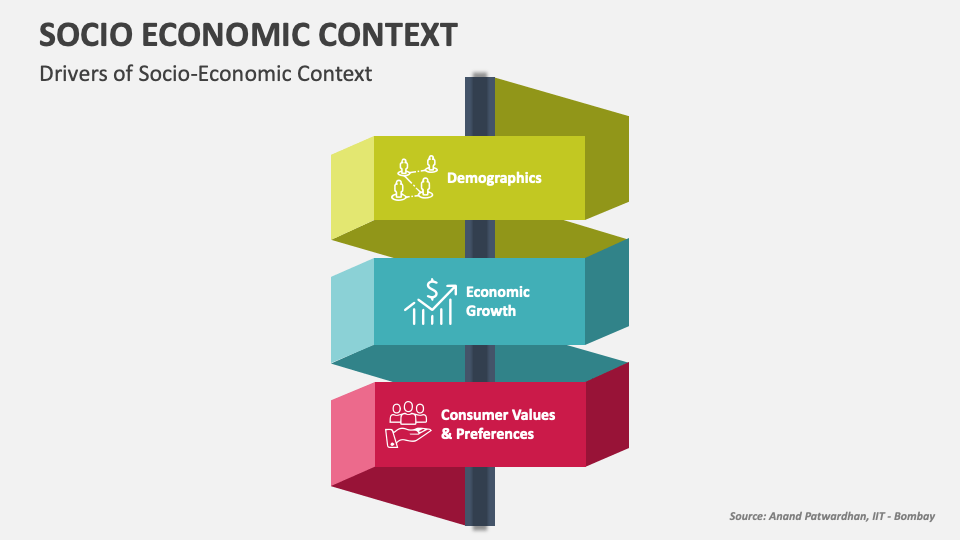
Therefore, 2026 will be a pivotal year for high-durability products, particularly wooden goods, with wooden household items expected to become a sustained consumption trend in the years that follow.
1.1 Spending becomes more rational – “Buy Less, Buy Better”
For today’s consumers, the overwhelming number of options—across product categories as well as brands—has made decision-making increasingly complex and often disproportionate to actual needs.
Within the current online shopping landscape, consumers are given an excess of tools that they may not necessarily require. Habitual price comparison and reliance on purchase volume as quality signals have become embedded in consumer behavior, resulting in decision fatigue even before a purchase is made.

Consequently, an environment saturated with claims and proof points of product quality has reinforced consumers’ efforts to stay aligned with the mindset of “Buy Less, Buy Better”.
Wooden products have been closely associated with consumers for a long time and are deeply embedded in consumer consciousness. As a result, when considering products that emphasize durability and long-term value, wood consistently emerges as a top material of choice.

Moreover, with advancements in modern manufacturing technologies, the natural oils present in wood can now be more effectively leveraged, enabling wooden products to achieve superior durability compared to conventionally processed wooden goods.
In markets such as the United States, Japan, and the European Union, consumer preferences increasingly favor environmentally responsible products that support sustainable consumption.

While timber harvesting is often perceived as contributing to deforestation, many wood suppliers worldwide now meet FSC certification standards for sustainable forest management. These practices help mitigate uncontrolled deforestation and illegal logging, while strengthening protections for primary and natural forests.
Digital-First Consumer Behavior Continues to Dominate
Consumer trends in 2026 will be heavily influenced by digital platforms. Today, consumer behavior is widely understood to be in a state of constant evolution, with behavioral patterns shifting rapidly as technological advancement accelerates—even within a short sequence of approximately 25 search interactions.

To suggest that consumers no longer rely on resources such as personal networks or word-of-mouth would be an overly narrow view; however, it is undeniable that today’s consumers are exposed to an excess of information far beyond what is necessary.
Ten years ago, Google may have been the primary search tool; five years ago, TikTok emerged as a key discovery channel. Today, with the advancement of AI, AI-powered platforms are increasingly perceived as trustworthy sources of information and even as credible review channels.

That said, it is important to recognize that AI ultimately operates on input data and developer-defined frameworks, generating responses designed to appear coherent and reasonable rather than inherently objective.
To truly create tangible value while achieving commercial success for a product, manufacturers and consumers must operate in close alignment. Manufacturers bear the responsibility of educating consumers, thereby fostering a sufficiently strong community in which shared consumer behaviors can evolve into value-driven trends.

This dynamic also applies to raw materials: the adoption of a new material typically requires extensive scientific validation and time before its viability can be conclusively established. In contrast, wood as a material has long been intuitively recognized for its effectiveness and safety in everyday use.
Moreover, this understanding has been reinforced so consistently that it can be readily found across platforms such as Google, TikTok, and even AI-driven sources—each supported by practical, real-world validation.

In addition, today’s visual content—particularly within cooking and lifestyle categories—places strong emphasis on aesthetics, where not only spatial design but also wooden furniture and household items, more specifically teak wood, consistently become focal points that capture user attention on social media.
Modern consumers are exposed to a wide range of public figures, including well-known singers, actors, and inspirational thought leaders.
However, it must be acknowledged that social media personalities often appear more relatable and exert a stronger influencer effect than traditional celebrities, effectively shaping product preferences as consumers aspire to lifestyles that reflect those figures.
Demand for Sustainable & Ethical Products Reaches an All-Time High
Sustainability continues to emerge as a decisive factor in consumer decision-making. During the peak of the COVID-19 pandemic in 2020, consumer behavior underwent a significant transformation, as greater emphasis was placed on health care, wellness routines, and at-home activities.

Alongside this shift, consumers invested more attention in living environments and product aesthetics, reflecting a broader reassessment of lifestyle priorities. As a result, today’s consumers demonstrate heightened awareness of sustainability, placing stronger value on responsible consumption.
In particular, the selection of products that ensure food safety, hygiene standards, and long-term usability has become a top priority, reinforcing sustainability not only as a trend but as a fundamental purchasing criterion.

For many sellers, sustainability certifications serve as a critical benchmark for evaluating brand equity as well as the integrity of the broader supply chain. These certifications not only reflect a company’s commitment to responsible sourcing and ethical operations, but also function as tangible signals of long-term value creation.
As a result, consumers increasingly rely on recognized and reputable certifications such as FSC and BSCI to assess the underlying quality, transparency, and credibility of a company’s products.

In practice, these standards help bridge information gaps, reduce perceived risk, and build trust, enabling consumers to make more informed purchasing decisions based on verified sustainability and compliance practices rather than solely on price or marketing claims
Some of the certifications that consumers consider before buying a product include:
- FSC
- BSCI
- ISO 9001
- FDA
- Prop 65
These certifications play a strategic role in business by reinforcing the value of the supply chain in the eyes of customers and by building strong, long-term trust in a sustainably developed operating environment.

Home & Kitchen Remains a High-Growth Category
Alongside the growing emphasis on sustainable living, green and clean lifestyle choices among consumers have gradually reached a new peak. This shift reflects a deeper awareness of health, environmental impact, and long-term well-being, influencing how consumers evaluate everyday products.
As a result, demand has increased across consumer goods and household categories for products that balance refined aesthetics with practical functionality and are made from natural, non-toxic materials.

1. From the manufacturer’s perspective
From a seller’s perspective, this represents a golden window of opportunity for products with superior quality characteristics, such as teak wood and acacia wood, which offer high durability, strong perceived value, and cost-efficient production advantages in Vietnam.
According to growth projections from The Business Research Company, the global home décor market is expected to reach USD 779.46 billion by 2029, growing at a compound annual growth rate (CAGR) of 4.5%.

Within this landscape, the Asia–Pacific region continues to emerge as a major hub of commercial activity, while North America remains the largest end market in terms of consumption.
This dynamic highlights strong import demand from North America, creating significant opportunities for suppliers located in high-potential manufacturing countries such as Vietnam, China, Japan, and South Korea.

Manufacturing nations within this region are equally dynamic, supported by the widespread adoption of flexible production models such as ODM and OEM. These services enhance market responsiveness, shorten product development cycles, and enable customization at scale.
As a result, the region is increasingly well-positioned to function as a global manufacturing base—serving not only North America but also broader international markets with efficiency, competitiveness, and scalability
2. From the consumer’s perspective
The combined impact of these factors, together with a challenging and uncertain economic environment, has contributed to the emergence and acceleration of new lifestyle trends. Among these, the rapid growth of the healthy living movement stands out, further amplified by the influence and reach of social media, which enables such lifestyles to spread more quickly and gain broader acceptance.

From a consumer standpoint, products are increasingly expected to deliver high durability and long-term usability, helping to reduce initial purchase risk as well as ongoing maintenance and replacement costs.
This emphasis on longevity and cost efficiency not only supports more mindful consumption but also plays a critical role in building sustained trust and credibility between businesses and consumers.
Minimalism & Functional Design Lead Purchase Decisions
Today, Gen Z has become a key driver shaping market consumption trends, as minimalist lifestyles gain unprecedented popularity. Even consumers outside this generation increasingly purchase such products as gifts for family members, contributing to the formation of a community that is highly conscious of product functionality, practicality, and the underlying value these products deliver.
The shift from a youthful economy to a core-based economy
Approximately five years ago, Gen Z emerged as a bold and experimental generation—willing to think differently, try new approaches, and take action—positioning itself as a highly promising cohort.
As the economic transition has unfolded, this generation has now entered the core working-age segment of the market. As a result, many of today’s modern and innovative lifestyles are being shaped and financed by Gen Z, who are increasingly the primary spenders behind these changes.

Anticipating and aligning with the preferences of this generation remains a high-impact opportunity, as their openness to experimentation and new experiences continues to generate substantial economic value.
Having grown up amid repeated economic disruptions, Gen Z demonstrates a unique duality: they are willing to take calculated risks while remaining notably cautious.
Sustainability-driven products are therefore gaining strong traction, as this generation prioritizes investments in items that deliver high functionality, durability, and long-term value. Their purchasing decisions increasingly favor products that balance innovation with practicality, reflecting a mature and value-conscious consumption mindset.
Personalized Shopping & Product Customization Rise
Gen Z and younger generations as a whole currently represent the majority of consumers in the market. For younger consumers, experiential value and personalization have become core expectations when engaging with products and brands.
Many product categories now offer a high degree of customization, such as 3D printing or made-to-order designs in the retail space. While this segment demonstrates strong growth potential, it does not necessarily generate high profitability for manufacturers.

Personalized, small-batch orders often incur elevated production costs, including tooling, mold development, and machinery setup. Even for products that can be mass-produced using standardized molds, frequent changes in product form or specifications across individual orders can significantly reduce economies of scale and operational efficiency.
Conclusion
Looking toward 2026, consumer behavior is becoming increasingly intentional, with stronger emphasis on durability, sustainability, and long-term value. Influenced by economic pressure, digital overload, and the rising purchasing power of Gen Z, consumers are shifting away from impulse buying toward products that deliver practical and lasting benefits.
Wooden products, especially those made from responsibly sourced, high-quality materials, naturally align with these expectations.
For wooden product brands, success will depend on clearly understanding consumer priorities and responding with transparent sourcing, credible sustainability certifications, and consistent product quality. Brands that can educate consumers, build trust, and balance experience-driven demand with scalable production will be well positioned to compete.
In an era defined by “buy less, buy better,” those aligned with evolving consumer values will secure long-term relevance and growth.

