


Table of Contents
In today’s highly competitive global marketplace, building a strong brand is no longer optional—it is essential. For businesses selling wood-based products, private label wood products offer a powerful way to control branding, enhance perceived value, and differentiate from mass-market competitors. Instead of competing solely on price, brands can deliver a unique identity, consistent quality, and a premium customer experience.
Whether you are a retailer, wholesaler, e-commerce brand, or distributor, private label wood manufacturing with custom branding and packaging services allows you to bring exclusive products to market—without investing in your own factory. This article Thanh Tung Thinh, explains what private label wood products are, how the process works, key benefits, customization options, compliance considerations, and how to choose the right manufacturing partner.
What Are Private Label Wood Products?
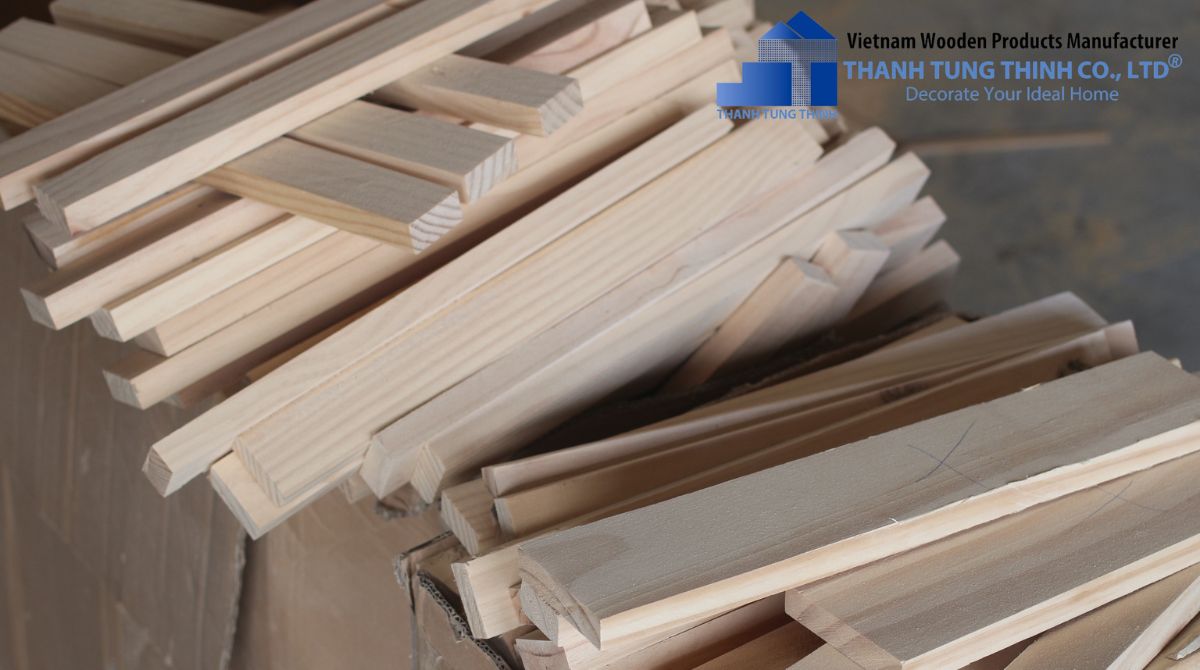
Private label wood products are wood-based items manufactured by a third-party factory but sold under your own brand name, logo, and packaging. You own the brand identity, while the manufacturer handles production according to your specifications.
- Common private label wood product categories include:
- Wooden kitchenware (cutting boards, utensils, bowls)
- Wood tableware and serving items
- Wooden home décor
- Wood furniture and components
- Wooden toys and gift items
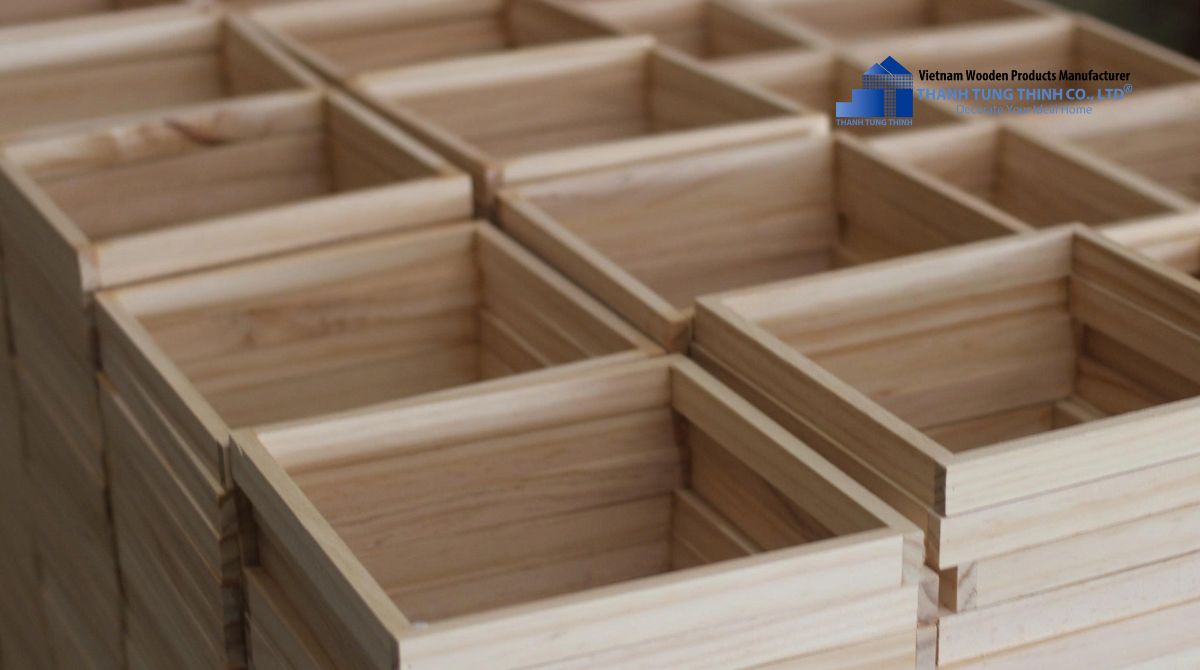
- Eco-friendly wood packaging solutions
Unlike generic OEM products, private label solutions focus heavily on branding consistency, packaging design, and market positioning, ensuring your products stand out on shelves or online marketplaces.
Why Brands Choose Private Label Wood Manufacturing
Global buyers increasingly turn to private label wood manufacturing as a strategic solution to build stronger brands, reduce operational complexity, and scale efficiently. Below are the key reasons this model continues to gain traction across international markets.
1. Full Brand Ownership
Private label manufacturing gives brands complete control over every visible element of the product, including:
- Brand name and logo placement
- Product design specifications and finishing details
- Packaging style and presentation
- Overall market positioning
This level of control enables businesses to build long-term brand equity rather than competing in the crowded market of unbranded or generic wood products.
2. Faster Market Entry
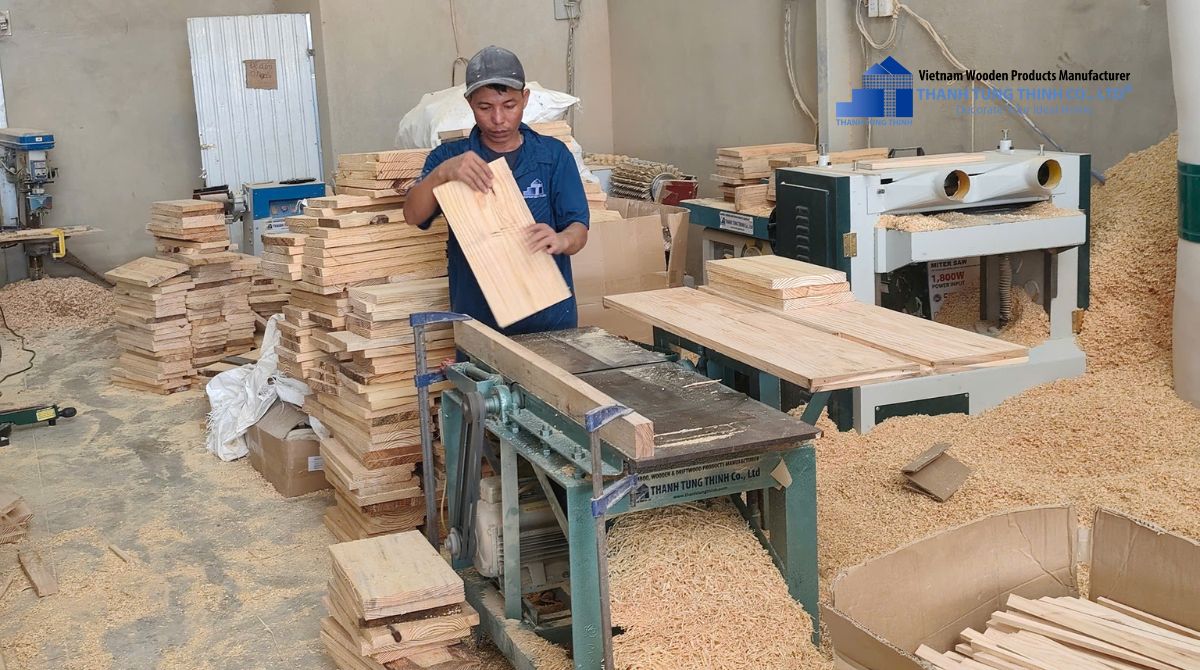
Launching a new product line through private label wood manufacturing is significantly faster than establishing in-house production. Experienced factories already offer:
- Skilled and specialized labor
- Established production lines
- Reliable raw material sourcing
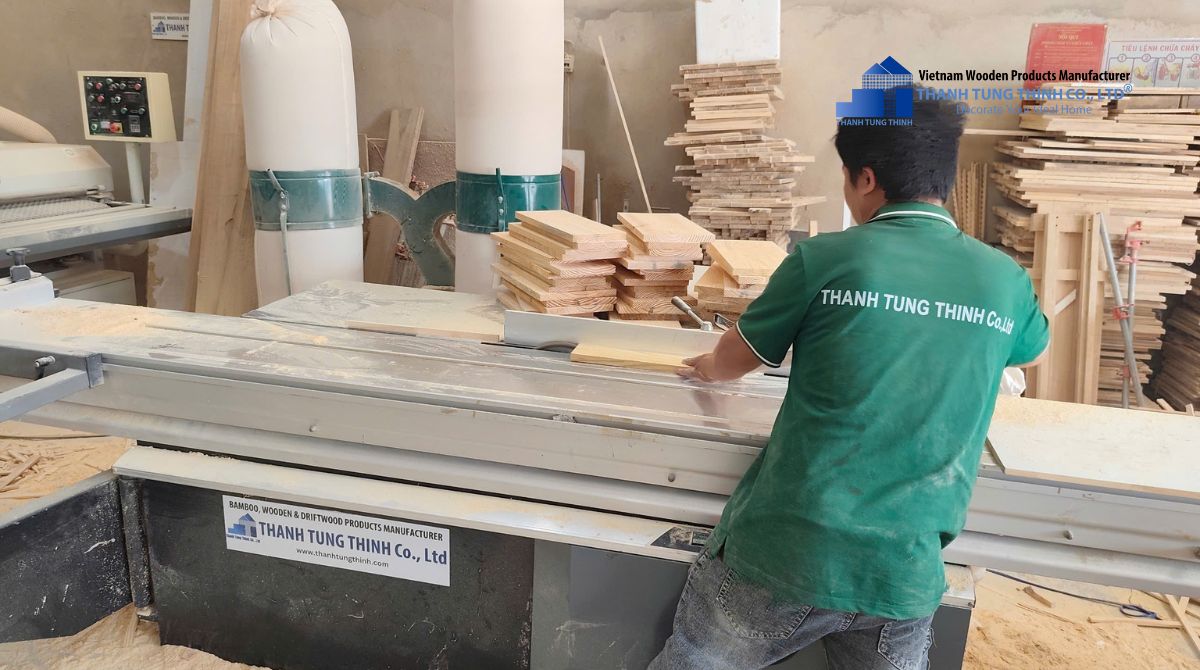
- Standardized quality control systems
As a result, brands can shorten development timelines and bring products to market more efficiently.
3. Lower Investment, Greater Flexibility
Private label wood products eliminate the need for heavy upfront investment in machinery, labor, and facilities. Brands gain the flexibility to:
- Test new product concepts with lower risk
- Adjust order quantities based on demand
- Scale production gradually as the business grows
This model is especially attractive for startups and expanding brands seeking controlled growth.
4. Competitive Cost Structure
Manufacturing in established wood-producing regions allows brands to achieve cost efficiency without sacrificing quality. By working directly with factories—rather than intermediaries—buyers benefit from:
- Factory-direct pricing
- Transparent cost structures
- Consistent quality standards
This balance of cost and quality makes private label wood manufacturing a sustainable long-term strategy for global brands.
Private Label vs OEM vs ODM: Key Differences
| Criteria | OEM (Original Equipment Manufacturer) | ODM (Original Design Manufacturer) | Private Label Wood Products |
| Product Design | Fully provided by the buyer | The factory provides existing designs that can be modified | Based on OEM or ODM, customized to brand needs |
| Brand Ownership | Limited or none | Limited | 100% brand ownership |
| Branding Support | Minimal | Basic | Comprehensive branding (logo, identity, positioning) |
| Packaging Customization | Usually not included | Basic options | Fully customized packaging & labeling |
| Time to Market | Medium | Fast | Fast and brand-ready |
| Customization Level | High (design-focused) | Medium | High (branding + packaging + product) |
| Ideal For | Brands with in-house design teams | Brands seeking a quick product launch | Brands building long-term market identity |
| Retail Readiness | Low | Medium | High – ready for retail & e-commerce |
| Strategic Value | Production-focused | Design-speed focused | Brand differentiation & scalability |
Unlike traditional OEM or ODM models, private label wood manufacturing goes beyond production. It integrates custom branding, packaging, and market positioning, enabling brands to launch products that are fully aligned with their identity and ready for global retail channels.
This makes private label the preferred solution for businesses focused on long-term brand growth rather than short-term manufacturing output.
Custom Branding Options for Private Label Wood Products
One of the strongest advantages of private label wood manufacturing is the ability to apply distinctive branding that aligns perfectly with your market positioning. From logo execution to overall visual identity, private label wood products can be customized to create a consistent and recognizable brand presence across global markets.
Logo Application Techniques
Professional manufacturers offer multiple logo application methods to suit different product types, wood species, and brand styles:
- Laser engraving: Precise, clean, and ideal for premium branding
- CNC carving: Deeper, tactile logos for a handcrafted or high-end look
- Heat stamping: Subtle branding suitable for natural wood surfaces
- Screen printing: Effective for coated or painted surfaces
- Embossed or debossed branding: Adds depth and visual sophistication
The most suitable logo technique depends on the wood type, product function, durability requirements, and desired brand aesthetic.
Brand Identity Customization
Beyond logo placement, private label wood products allow full customization of the product’s visual and tactile identity. Manufacturers can tailor each element to reflect your brand values—whether minimalist, luxury, rustic, or eco-conscious.
Common brand identity customization options include:
- Product shape, size, and thickness
- Surface finishing (natural, oiled, matte, or coated)
- Edge styles, contours, and textures
- Color tones are determined by wood species or finishing treatment
This level of customization ensures visual consistency across your entire product line, strengthening brand recognition and enhancing perceived product value in both retail and e-commerce environments.
Custom Packaging Services for Private Label Wood Products
Packaging plays a critical role in how customers perceive quality, value, and brand credibility. With professional custom branding and packaging services, private label wood products are transformed into fully retail-ready solutions—designed not only to protect the product but also to reinforce brand identity and drive purchase decisions.
Packaging Types Available
Manufacturers offering private label wood manufacturing typically provide a wide range of packaging solutions tailored to different sales channels and brand positions:
- Kraft paper boxes for natural and eco-focused brands
- Rigid gift boxes for premium and luxury positioning
- FSC-certified cardboard packaging to support sustainability claims
- Eco-friendly paper wraps for minimalist or plastic-free markets
- Custom inserts to protect products during transport and display
- Bulk export packaging optimized for wholesale and large-volume shipments
Each packaging type can be adapted to meet retail, e-commerce, or wholesale distribution requirements.
Branding Elements on Packaging
Custom packaging for private label wood products goes beyond structure—it serves as a powerful branding and communication tool. Common branding elements include:
- Printed logos and consistent brand color schemes
- Product descriptions and brand storytelling
- Usage and care instructions
- Compliance labels, certifications, and barcodes
- QR codes linking to websites, videos, or digital catalogs
Well-designed packaging increases perceived product value, enhances the unboxing experience, and strengthens brand recall—helping your products stand out in competitive retail environments and online marketplaces.
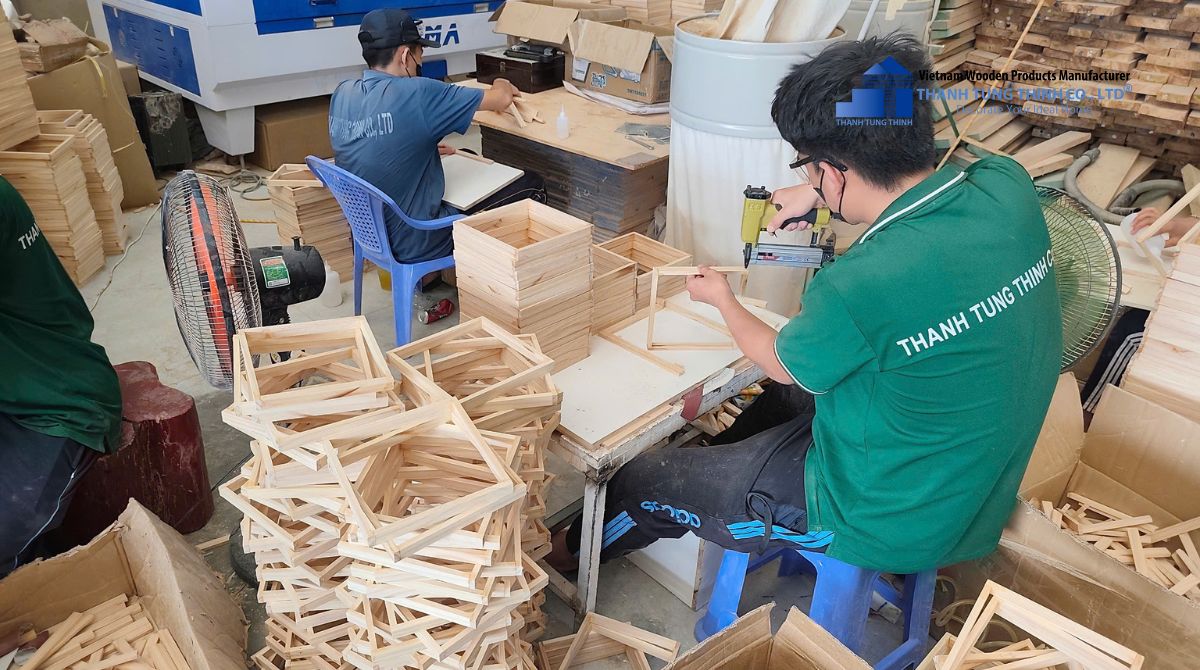
Materials Used in Private Label Wood Products
Material selection plays a critical role in determining the durability, visual appeal, and sustainability of private label wood products. Choosing the right wood species not only affects product performance but also influences pricing, branding position, and regulatory compliance in global markets.
Common Wood Species Used
Professional manufacturers typically work with a range of responsibly sourced wood species, including:
- Rubberwood: Cost-effective, stable, and widely used for kitchenware and household items
- Acacia wood: Durable, moisture-resistant, and visually distinctive
- Beech wood: Smooth texture, excellent strength, ideal for food-contact products
- Maple: Light-colored, hard, and premium in appearance
- Oak: Strong, long-lasting, and suitable for high-end applications
- Pine: Lightweight and economical, commonly used for decorative or non-food items
Each wood type offers unique mechanical and aesthetic properties, making material selection a key strategic decision.
Material Selection Based on Market Needs
Experienced private label manufacturers support buyers by recommending the most suitable wood species based on:
- Target market expectations (US, EU, Australia, Japan)
- Product use and durability requirements
- Price positioning and cost targets
- Sustainability standards and certifications
- Compliance with food safety and import regulations
By aligning material choice with both brand strategy and regulatory requirements, private label wood manufacturing ensures consistent quality, compliance, and long-term market success.
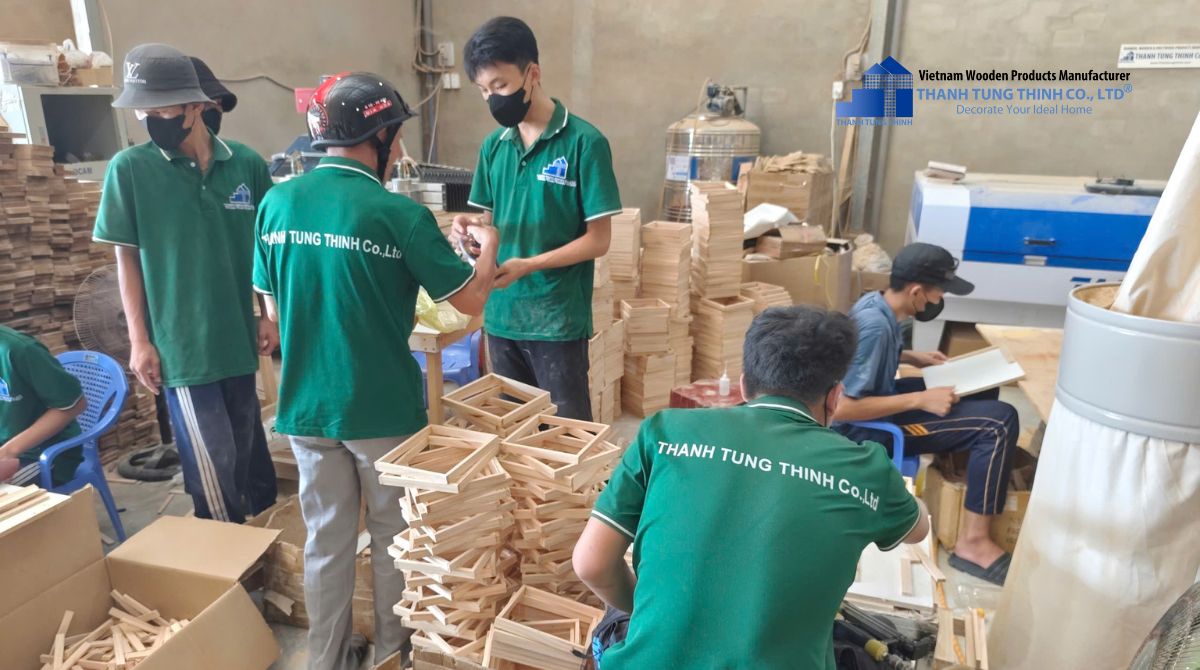
Sustainability and Certifications
Sustainability is no longer optional—especially for brands selling in highly regulated markets such as the United States, European Union, and Australia. Buyers increasingly expect private label wood products to meet strict environmental, legal, and safety standards.
Professional private label wood manufacturers typically support:
- FSC®-certified wood sourcing to ensure responsible forest management
- Legal timber traceability in compliance with global timber regulations
- Low-formaldehyde or formaldehyde-free adhesives
- Food-safe finishes and coatings for kitchenware and tableware
- Eco-friendly and recyclable packaging materials
These sustainability practices not only help brands meet import requirements but also enhance brand credibility, consumer trust, and long-term market viability.
Quality Control in Private Label Wood Manufacturing
When selling under your own brand name, consistent quality is non-negotiable. A reliable private label wood manufacturing partner implements strict quality control at every stage of production.
Typical quality assurance processes include:
- Incoming raw material inspection
- In-process quality checks during manufacturing
- Moisture content control to prevent warping or cracking
- Surface finish and craftsmanship inspection
- Logo placement and packaging accuracy checks
- Pre-shipment inspections before export
These procedures ensure batch-to-batch consistency, reduce defect rates, and minimize post-sale issues—protecting both your brand reputation and customer satisfaction.
Minimum Order Quantities (MOQ) and Scalability
Minimum order quantities for private label wood products vary depending on product complexity, customization level, and packaging requirements. However, many experienced manufacturers offer flexible solutions, such as:
- Low or flexible MOQs for private label projects
- Pilot production runs for new product testing
- Scalable manufacturing capacity to support growing demand
This flexibility allows both startups and established brands to expand sustainably without overcommitting inventory or capital.
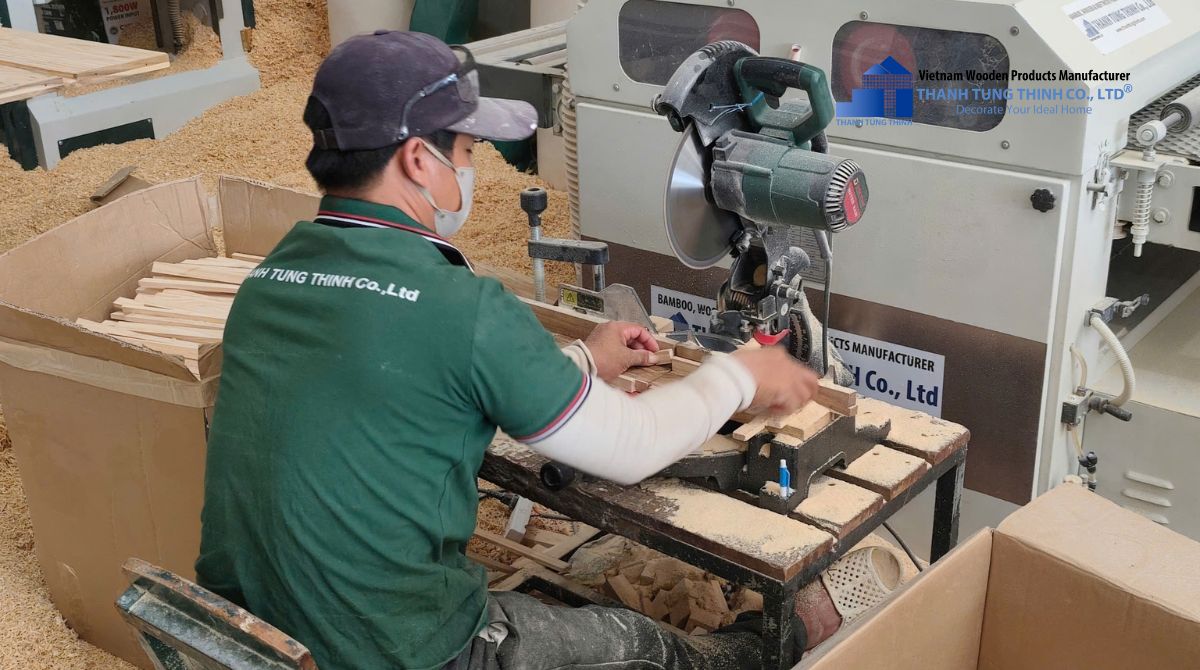
Who Should Use Private Label Wood Products?
Private label wood manufacturing is an ideal solution for businesses that value brand identity, differentiation, and long-term growth, including:
- E-commerce brands (Amazon, Shopify, Etsy)
- Retail chains and wholesale distributors
- Hospitality and hotel groups
- Corporate gifting and promotional companies
- Importers and international distributors
- Sustainable and eco-conscious lifestyle brands
If controlling your brand image and standing out in competitive markets is a priority, private label wood products are the right choice.
Read more: 7 Benefits of Private Labeling for Your Business
How to Choose the Right Private Label Wood Manufacturer
Selecting the right manufacturing partner directly impacts product quality, delivery reliability, and brand success. When evaluating suppliers, consider the following key factors:
- Factory-direct production (not a trading company)
- Proven experience with private label wood products
- In-house custom branding and packaging capabilities
- Established quality control systems
- Recognized sustainability certifications
- Clear communication and transparent processes
- Export experience and logistics support
A reliable private label manufacturer is more than just a supplier—it is a long-term strategic partner that supports your brand’s growth.
Future Trends in Private Label Wood Products
The global demand for private-label wood products continues to grow, driven by several key trends:
- Increasing focus on sustainable and renewable materials
- Rapid growth of direct-to-consumer (DTC) brands
- Rising demand for eco-friendly and plastic-free packaging
- Customization-driven purchasing behavior
- Strong consumer preference for natural, non-plastic products
Brands that invest in private label wood manufacturing today gain a significant competitive advantage by aligning with future market expectations and sustainability-driven consumer values.
Thanh Tung Thinh – A Trusted Vietnamese Partner for Private Label Wood Products
With over 15 years of experience in wood manufacturing, Thanh Tung Thinh has established itself as a reliable Vietnamese partner for global brands seeking high-quality, private-label wood products. The company has successfully delivered large-scale projects and exported to multiple international markets, supporting clients across retail, hospitality, e-commerce, and wholesale distribution channels.
As a Vietnam-based manufacturer, Thanh Tung Thinh combines skilled craftsmanship, modern production capabilities, and deep export expertise—offering advantages that many sourcing destinations struggle to match.
Read more: Teak Wood for Wooden Products | Premium Materials with over 14 Years of OEM Expertise
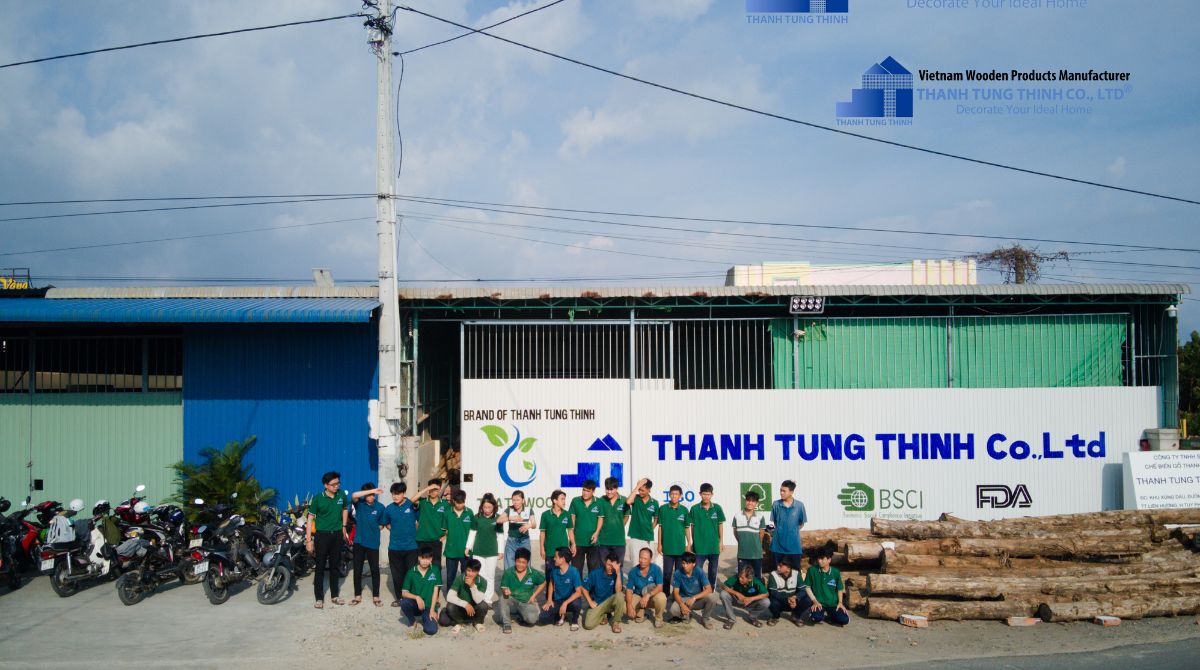
Proven Experience in International Projects
Thanh Tung Thinh has participated in numerous large and long-term manufacturing projects, supplying private label wood products for overseas partners. This hands-on experience ensures:
- Strong understanding of international buyer expectations
- Familiarity with export standards and documentation
- Reliable lead times and consistent production quality
- Effective coordination across design, production, and logistics
These strengths make the company a dependable choice for brands targeting global markets.
Why Vietnam and Thanh Tung Thinh Stand Out
Vietnam has become one of the world’s most attractive wood manufacturing hubs, and Thanh Tung Thinh fully leverages the country’s unique advantages:
- Competitive manufacturing costs without compromising quality
- Skilled workforce with deep experience in wood processing
- Access to diverse, legally sourced wood materials
- Strong adaptability to custom branding and packaging requirements
- Strategic location for efficient global shipping
Unlike many factories in other regions, Thanh Tung Thinh offers factory-direct communication, flexible production, and a long-term partnership mindset, rather than transactional manufacturing.
End-to-End Private Label Capabilities
Thanh Tung Thinh provides complete private label wood manufacturing solutions, supporting clients from concept to delivery:
- Product development and customization
- Logo application and brand identity execution
- Custom packaging design and production
- Quality control and compliance support
- Export packaging and international logistics coordination
This end-to-end approach allows global brands to focus on sales and marketing while leaving production complexities to an experienced manufacturer.
A Long-Term Manufacturing Partner, Not Just a Supplier
More than a production facility, Thanh Tung Thinh positions itself as a strategic manufacturing partner. The company prioritizes transparency, consistent quality, and long-term cooperation—helping brands scale confidently in competitive international markets.
For businesses looking to develop reliable, scalable, and high-quality private label wood products, Thanh Tung Thinh represents the strength, flexibility, and global readiness of Vietnam’s wood manufacturing industry.
Conclusion
Private label wood products with custom branding and packaging services provide a powerful strategy for brands seeking to scale, differentiate, and maintain full control over their identity in competitive global markets. From material selection and logo application to retail-ready packaging and international compliance, private label manufacturing delivers flexibility, efficiency, and long-term brand value. If you are planning to develop high-quality private label wood products tailored to your brand, now is the right time to take the next step. Work with Thanh Tung Thinh to turn your ideas into market-ready products and confidently grow your brand from concept to global delivery.

