


Table of Contents
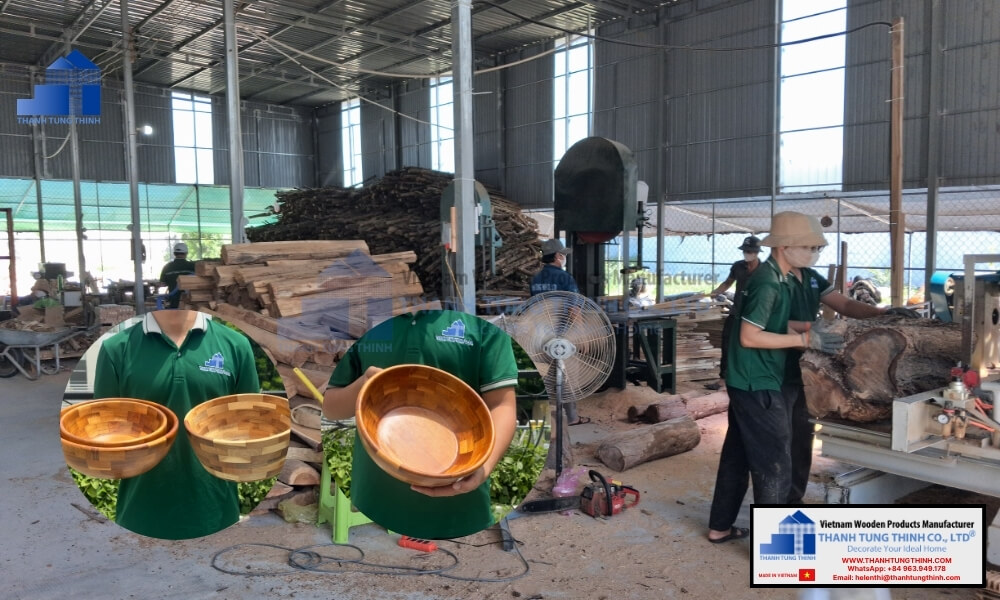
In the competitive world of wholesale homeware, sourcing durable and aesthetic products is the backbone of your business reputation. However, the journey from raw timber to a finished piece of kitchenware is fraught with potential pitfalls—from hidden moisture issues causing cracks to non-compliant finishes. Whether you are a seasoned buyer or venturing into the market, a systematic wood bowl factory inspection is your strongest insurance policy.
Without a robust quality control strategy, you risk receiving shipments that suffer from warping, splitting, or safety violations. At ThanhTungThinh, we understand that quality is not an act, but a habit built into every stage of the manufacturing process. This guide provides the expert insights you need to audit factories and verify product standards effectively.
What Will You Gain From This Guide?
- Mastery of Material Sourcing: Identify the right wood species and verify moisture content to prevent product failure.
- Operational Excellence: Learn to evaluate manufacturing precision and food-safety compliance.
- AQL Implementation: Understand how to use international sampling standards to minimize risk.
- Risk Mitigation Strategies: Acquire the right questions to screen manufacturers and protect your investment.
- Pro-active Verification: Get a ready-to-use framework for auditing production lines before your capital is at stake.
How to master material sourcing for consistent product quality?
The foundation of a high-quality bowl lies in the selection and preparation of the raw material. A common failure point in wooden kitchenware is the mismanagement of timber, leading to structural integrity issues.
Why is moisture content testing for bowls critical?
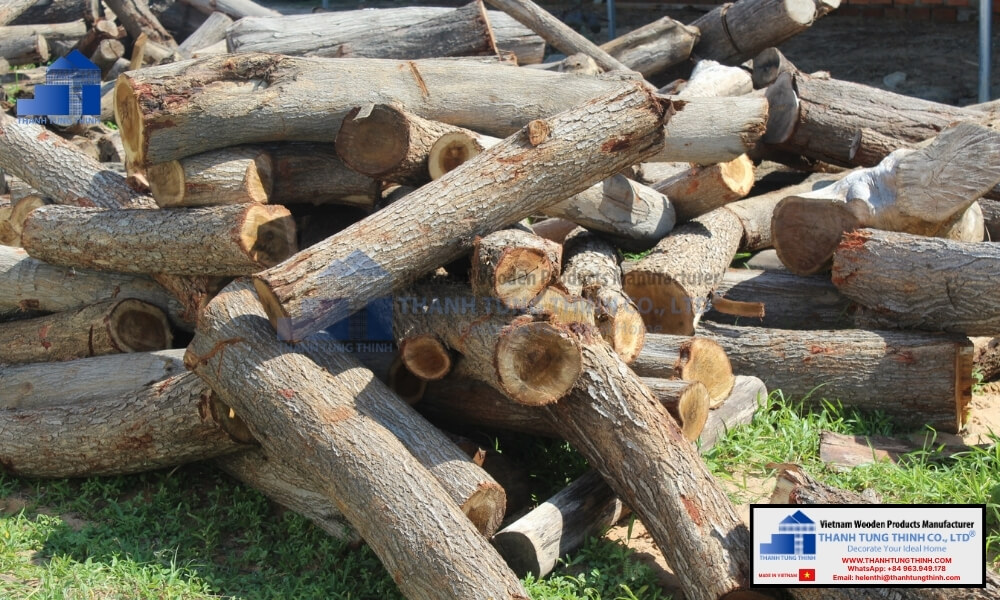
The most frequent cause of wooden bowl failure—cracking or warping—is improper drying. Wood is a hygroscopic material; if the moisture content (MC) is too high during production, the bowl will shrink as it acclimates to the environment, leading to splits. An expert wood moisture content testing for bowls involves ensuring the timber is kiln-dried to a range of 8% to 12%. If the moisture levels are outside this range, the product is highly susceptible to climate-induced deformation. ThanhTungThinh emphasizes that professional factories should provide a digital moisture report for every production batch.
How to verify material safety standards for pet products?
To ensure you are getting the wood species you paid for, utilize this verification table during your wood kitchenware factory audit:
| Metric | Acceptable Standard | Why it Matters |
| Moisture Content | 8% – 12% | Prevents cracking and warping |
| Wood Grain Consistency | Uniform orientation | Ensures structural strength |
| Treatment Process | Proper Kiln-drying | Eliminates pests and internal stress |
| Surface Density | High (e.g., Acacia, Teak) | Improves durability and food safety |
Production Standards: Ensuring Consistency and Safety
Once the material is prepared, the focus must shift to craftsmanship and safety. A quality inspection process for wooden bowls must be granular, covering everything from symmetry to the chemical profile of the finish.
How to ensure your wooden tableware is food-safe?
Safety is non-negotiable. Many inferior products use low-cost industrial lacquers that contain harmful heavy metals or high VOCs. When conducting a food-safe wood product inspection guide, always demand copies of lab reports (FDA, LFGB, or REACH certifications) for the specific oil or finish used.
Precision and Surface Finishing
During your visit or via a third-party inspection for wooden products, look for these specific defects:
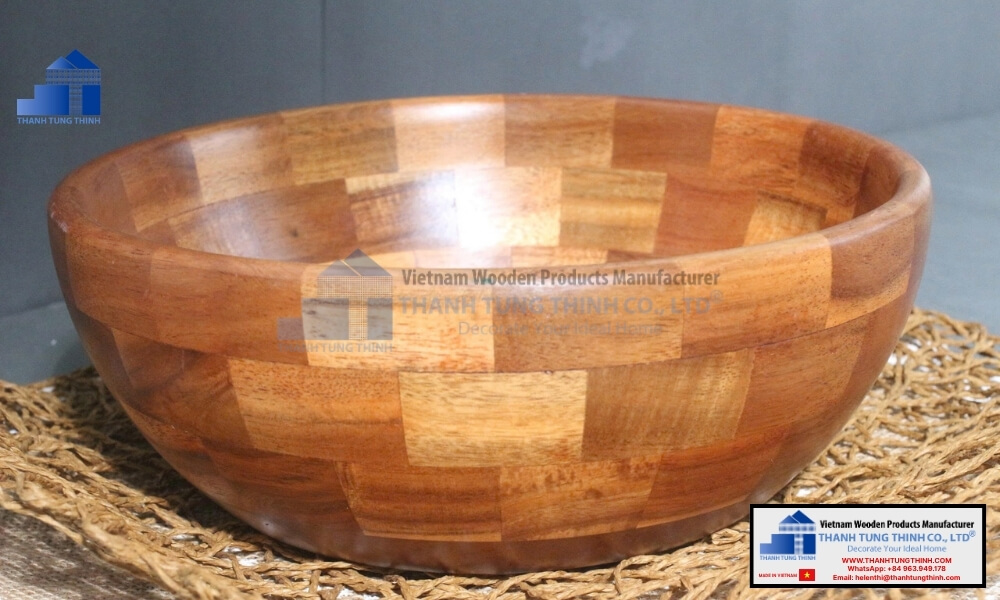
- Balance: Place the bowl on a flat granite or glass surface. If it wobbles, the turning process was inaccurate.
- Surface Texture: Run your hand along the inner and outer surface. It should be smooth, without any “fuzz” or coarse grain, which indicates improper sanding (ensure a grit of at least 240-320 is used).
- Edges: Check for burrs or sharp, unfinished rims that could be uncomfortable or hazardous to users.
Expert Insights from ThanhTungThinh’s Production Director: Don’t just check the wood species; ask to see the timber yard records. We verify grain uniformity before production to ensure every bowl has the same structural integrity.
On-site Inspection Tips and Risk Mitigation
Effective supplier audit for wholesale wooden tableware requires more than just a quick look; it requires a structured methodology.
The AQL inspection for wooden kitchenware is the industry standard for determining whether a batch meets quality requirements. By utilizing a randomized sampling plan, you can statistically ensure that the number of defective items falls within your tolerance levels.
Essential Audit Questions
To evaluate a wood bowl manufacturer production capacity, ask these three “killer” questions:
- “What is your specific workflow for seasoning the wood before turning?”
- “Can you demonstrate the calibration frequency of your moisture meters?”
- “How do you segregate food-grade finish materials from general industrial supplies?”
How does professional packaging maintain moisture stability?
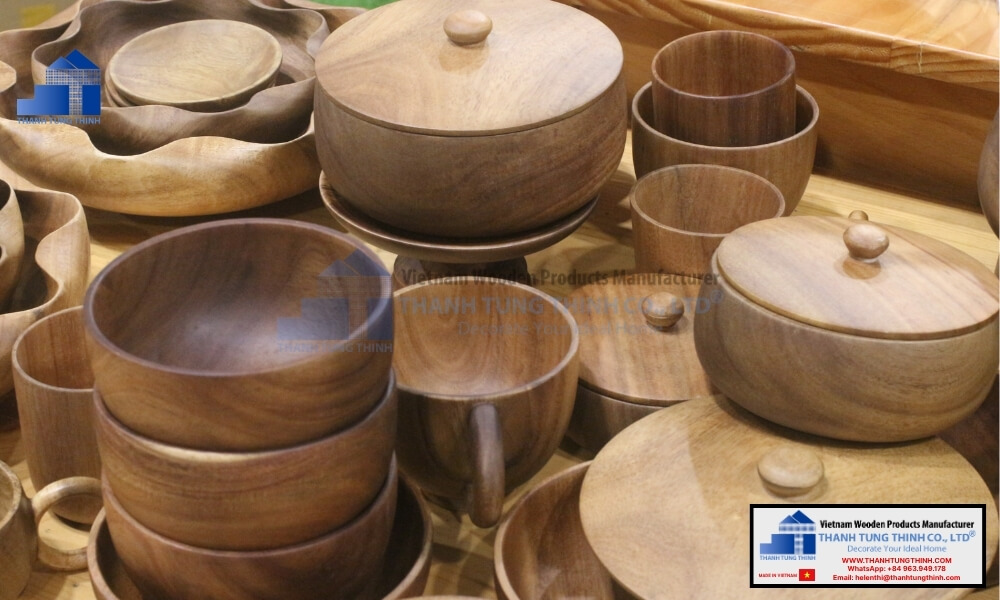
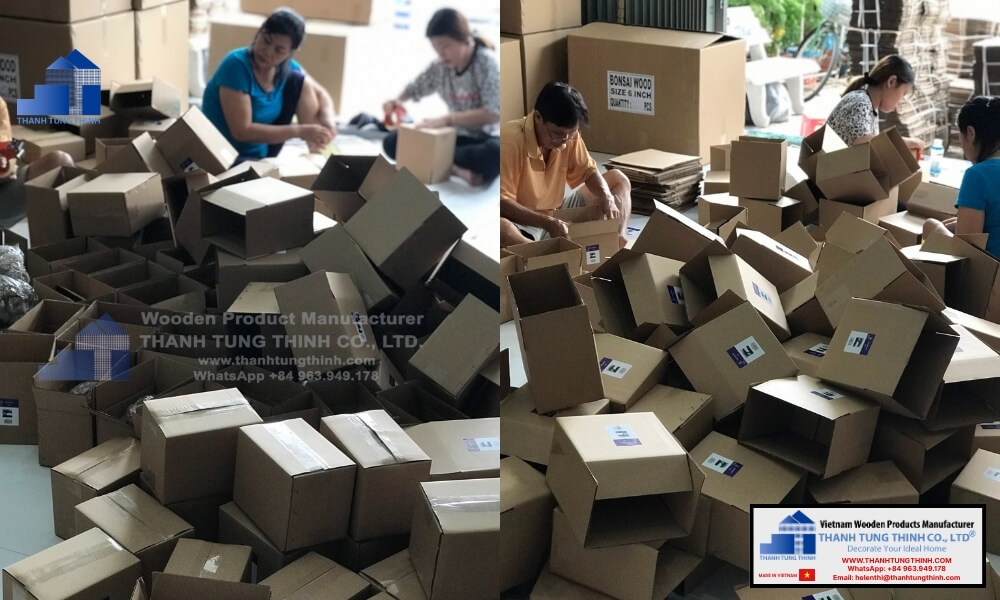
A high-quality bowl can be ruined by poor packaging. Ensure the factory uses moisture-absorbing desiccants (silica gel) inside the inner cartons and that the products are wrapped in acid-free paper to prevent mold growth during ocean transit. ThanhTungThinh recommends testing a sample package for impact resistance to ensure the bowls remain pristine throughout the supply chain.
Partnering with Expertise: ThanhTungThinh
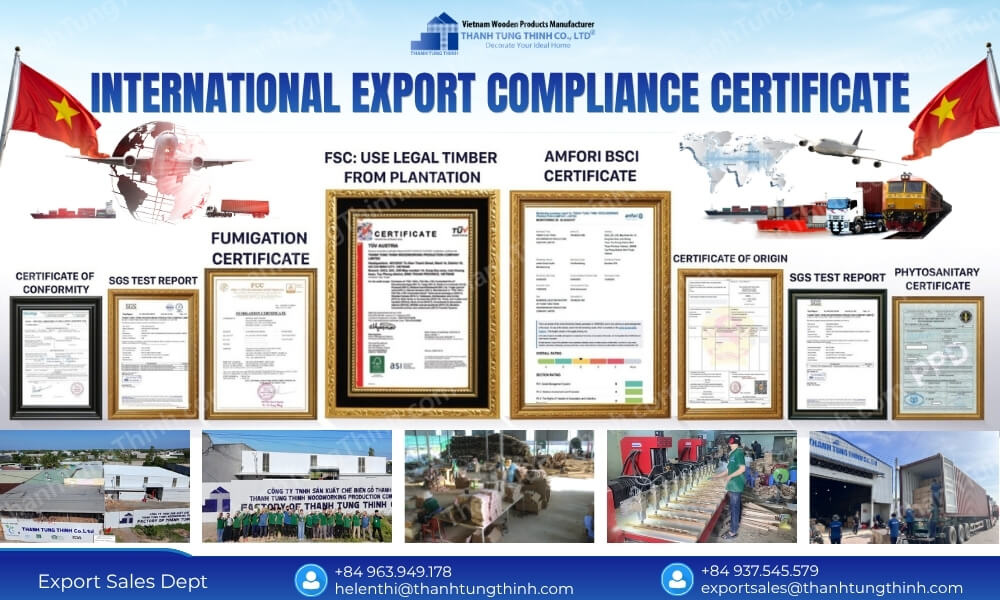
Choosing the right partner is the ultimate risk mitigation strategy. ThanhTungThinh is dedicated to transparency in every wooden tableware quality control checklist we implement. We prioritize sustainable sourcing and rigorous, multi-stage testing to ensure that our wholesale partners receive products that meet international standards every time.
By choosing a manufacturer that invites inspection and shares data openly, you safeguard your brand’s reputation. Let us help you elevate your product quality today. Contact us to learn more about our manufacturing standards.
🌐 Website: https://thanhtungthinh.com/
📌 Pinterest: https://www.pinterest.com/THATUWOOD/
📌 Youtube: https://www.youtube.com/@thanhtungthinhmanufacturer
📌 Facebook: https://www.facebook.com/thanhtungthinh
📌 Linkedin: https://www.linkedin.com/company/thanh-tung-thinh-co-ltd
With more than 15 years of production experience, Thanh Tung Thinh Co., Ltd. is one of the leading reputable Wooden Products manufacturers and exporters specializing in Wooden Products, Wooden boxes products, Wooden Packaging, wooden souvenirs, kitchenware, household utensils, driftwood products, bonsai woods and pet, bird products from coffeewood; other customized products…In particular, all of our wood raw materials are FSC certified, demonstrating our commitment to strictly adhering to sustainable logging and environmental protection standards, providing complete peace of mind for our global customers.
📍 No. 227 To Hien Thanh St, W13, District 10, Ho Chi Minh city, Vietnam
📍 General Warehouse: 451/29/51 To Hien Thanh Street, Dien Hong Ward, Ho Chi Minh city, Vietnam
📍 Factory 1, 2: Lien Huong Town, Tuy Phong District, Binh Thuan Province, Vietnam
📍 Factory 3: Phuoc The Town, Tuy Phong District, Binh Thuan Province, Vietnam
☎ WhatsApp: +84 963.949.178
✉ Email: [email protected]
🌐 Website: www.thanhtungthinh.com
Frequently Asked Questions
How do I ensure the wood bowl finish is truly food-safe?
To verify food safety, request the MSDS for the oil used. A reputable supplier should provide third-party lab test reports during your wood bowl factory inspection to prove compliance with international standards like FDA or LFGB.
What is the most common defect found during a wood bowl factory inspection?
The most frequent issue is moisture-related warping due to insufficient kiln-drying. This is why moisture testing is the most critical technical step in any wood bowl factory inspection.
Should I use third-party inspection for wooden products?
Yes, if you cannot visit the factory yourself. A third-party inspection for wooden products provides an unbiased report, effectively acting as an external wood bowl factory inspection to safeguard your investment.
Why is the AQL inspection for wooden kitchenware important?
AQL provides a scientific method for sample-based checking. It is the industry-standard methodology applied during a professional wood bowl factory inspection to ensure the batch meets your quality threshold.
How does ThanhTungThinh maintain quality standards throughout production?
We implement a multi-stage monitoring system, starting from raw timber moisture testing to final surface inspection. We encourage our clients to perform their own wood bowl factory inspection at our facility to witness our adherence to strict wooden bowl manufacturing inspection standards.
Related articles
- Leading Wholesale Wooden Bowls Manufacturer: Sustainable B2B Supply Solutions
- Wooden Bowl MOQ Made Easy: Partner with a Scalable Professional Supplier
- Optimize Bulk Wooden Bowl Logistics with Quality Assured Anti Cracking Protocols

